
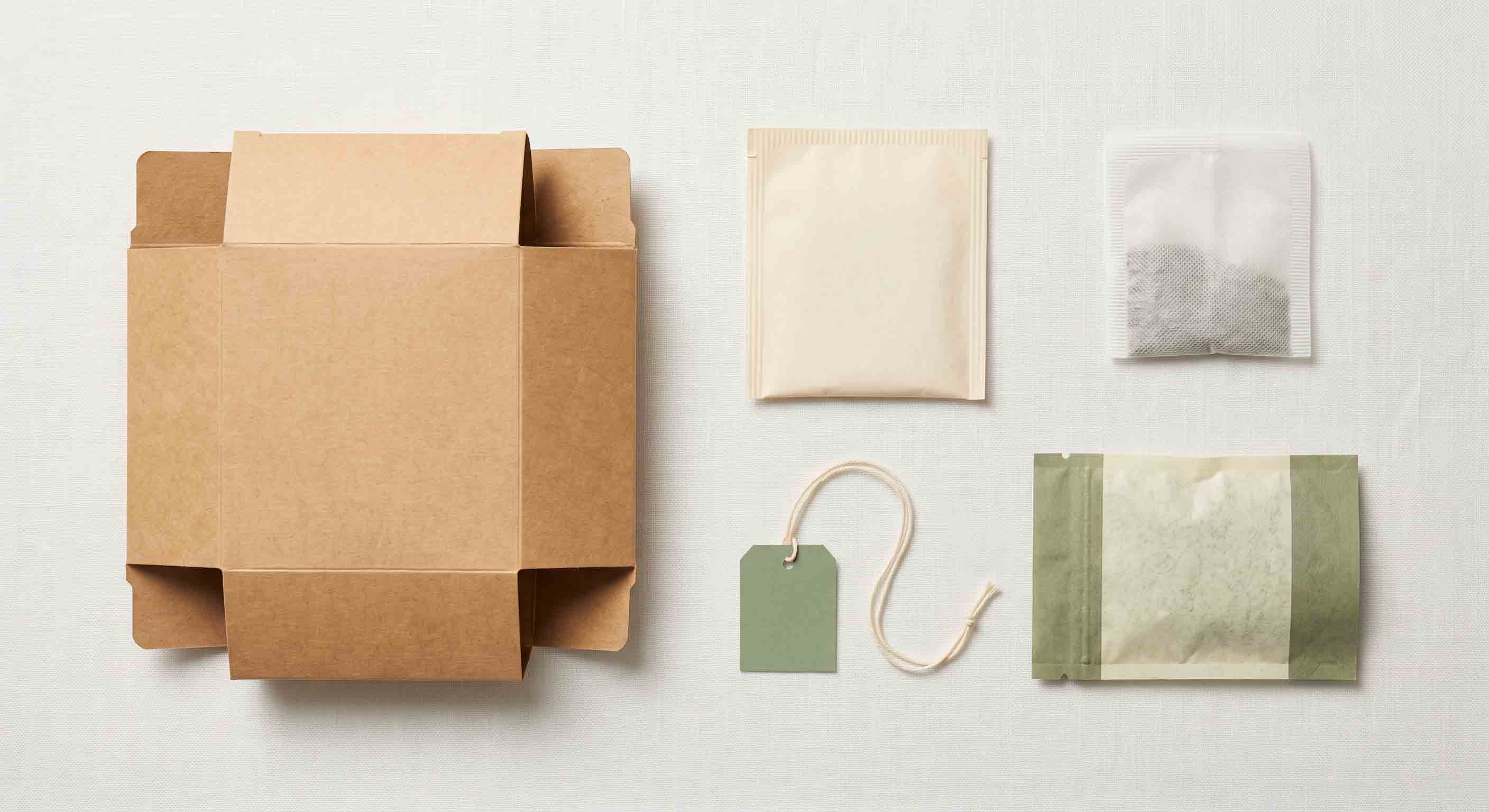
Tea bag wrappers are not automatically recyclable just because they look like paper, foil, or a simple packet. The answer depends on the exact wrapper structure, any coatings or layers, inks and adhesives, the way the product is sold, and what collection and processing options exist where the customer lives. A carton, the inner filter bag, an individual envelope, and an outer shipping box are separate components and may have different disposal paths.
A wrapper may be recyclable, but the answer starts with the exact component and the local program. The steps below show how to make that check. They intentionally do not assign a recycling outcome to any Mylarbag tea package. If a brand needs a disposal instruction for a specific wrapper, the exact SKU, component structure, target market, and current evidence must be checked separately.
First, identify which “wrapper” you mean
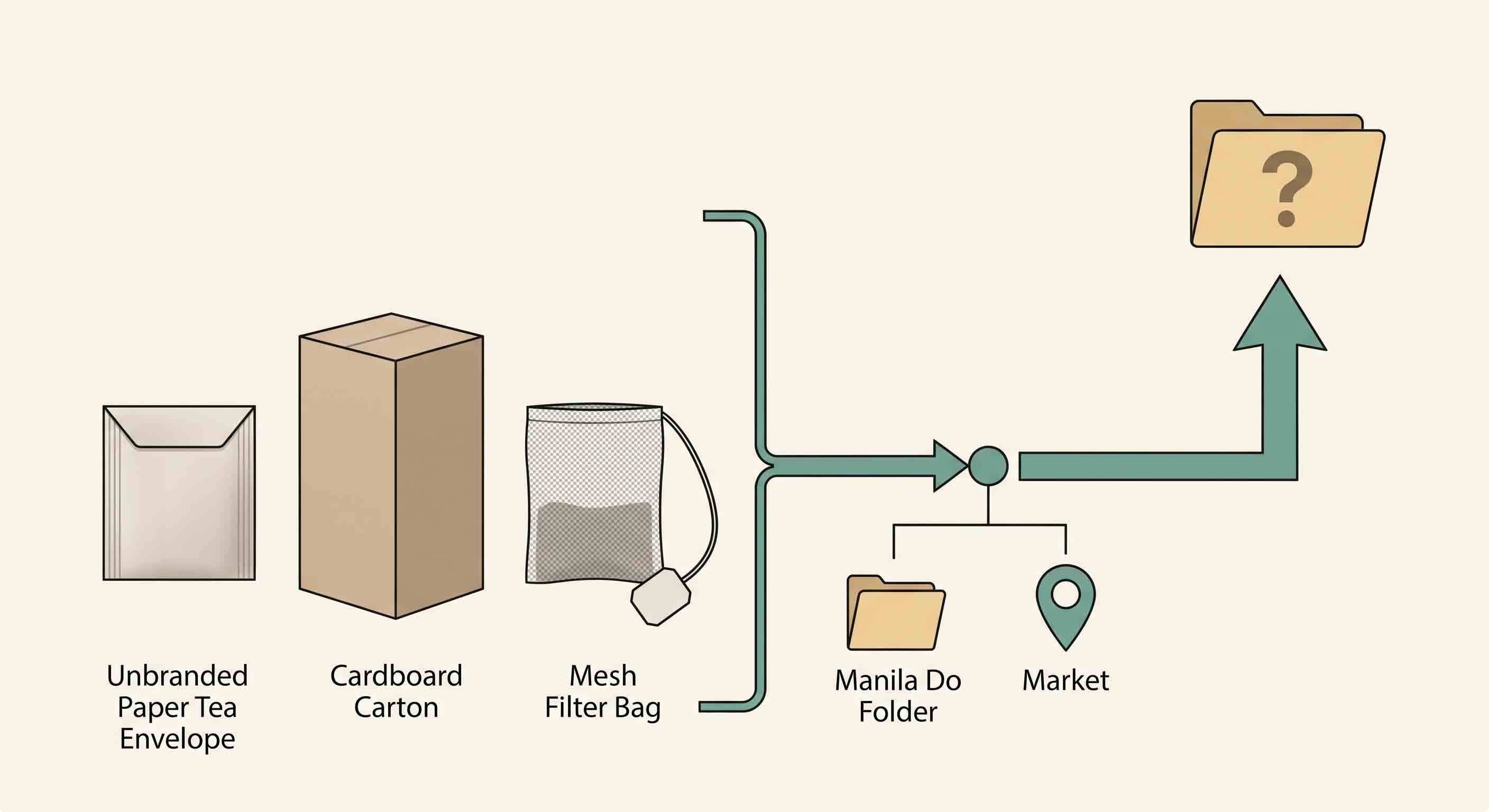
Consumers use the word “wrapper” for several different pieces of tea packaging. An accurate answer starts by separating them.
If the question comes from a customer, ask them to identify the product and component first. A photo of the wrapper’s front is usually not enough. You need the product SKU or specification, the target country or locality, and any supplied disposal instructions or material documents.
Why appearance is a poor recycling test
A wrapper may look like plain paper while incorporating other layers, coatings, seals, inks, adhesives, or a window. A shiny surface may suggest metal even when the structure is different. A recycling symbol may be a material-identification code, a brand instruction, or a claim whose meaning needs context. None of those visual clues establishes whether a local program accepts the entire used component.
Recyclability is therefore a system question:
- What is the exact component made of?
- Is it one material or a multi-layer/multi-component structure?
- Can it be collected by the relevant program after normal consumer use?
- Can that program sort and process it in the form in which consumers discard it?
- Does the label clearly state what part of the package the instruction covers?
The answer may vary by country, region, municipality, collection channel, and time. A product that has a material code or a qualified claim in one market should not be copied into another market’s packaging without review.
What a responsible recyclability claim requires
In the United States, the FTC’s Green Guides explain that marketers should qualify recyclable claims when appropriate recycling facilities are not available to a substantial majority of consumers or communities where the item is sold. The guidance uses at least 60% as the meaning of “substantial majority” in that context. It also shows why a multi-layer package cannot be described as recyclable merely because one layer may be recyclable: the claim needs to identify the portion and disclose limits where relevant.
This is not a universal legal rule for every country, and it is not a certification. It is a useful discipline for tea packaging copy: do not make a broad claim based on appearance, a single raw material, or an assumed collection route. Confirm the rules applicable to the selling market, obtain current evidence for the actual final package, and use qualified wording where the evidence requires it.
For global tea brands, a conservative approach is often best. If country-specific collection and component evidence is not ready, leave a claim off the pack rather than imply a disposal outcome that the customer cannot follow. The responsible brand owner should obtain market-specific review before artwork goes to production.
A practical component-review workflow
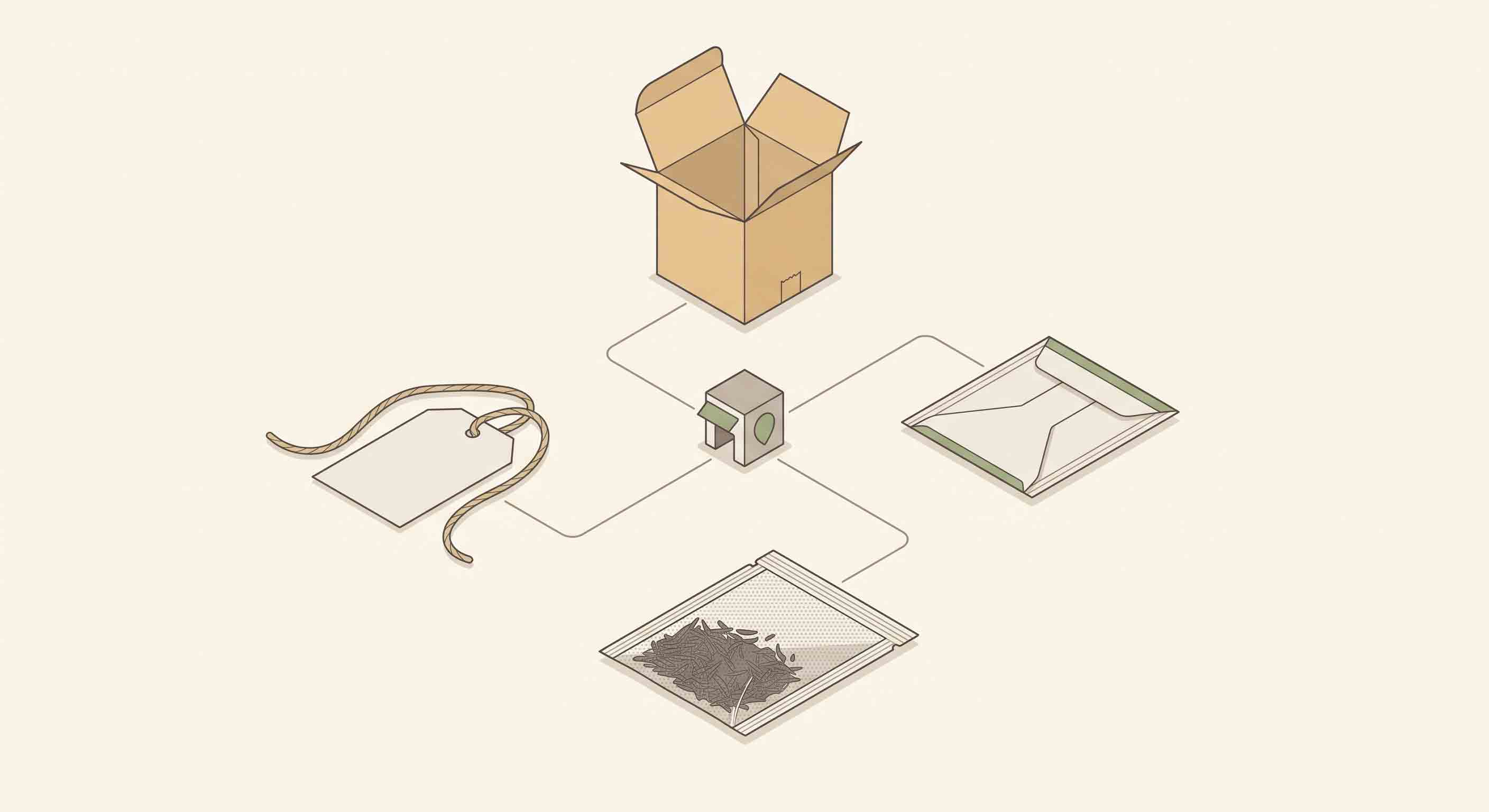
Use a written component map for every tea SKU or packaging configuration. It should list what the customer receives, not only the main retail container.
If the material structure is unavailable, do not describe the wrapper as recyclable. Ask the supplier for the current specification, then base any consumer instruction on the confirmed component and the local collection route. A paper-looking wrapper and a recyclable wrapper are not equivalent descriptions.
How consumers can check a tea wrapper locally
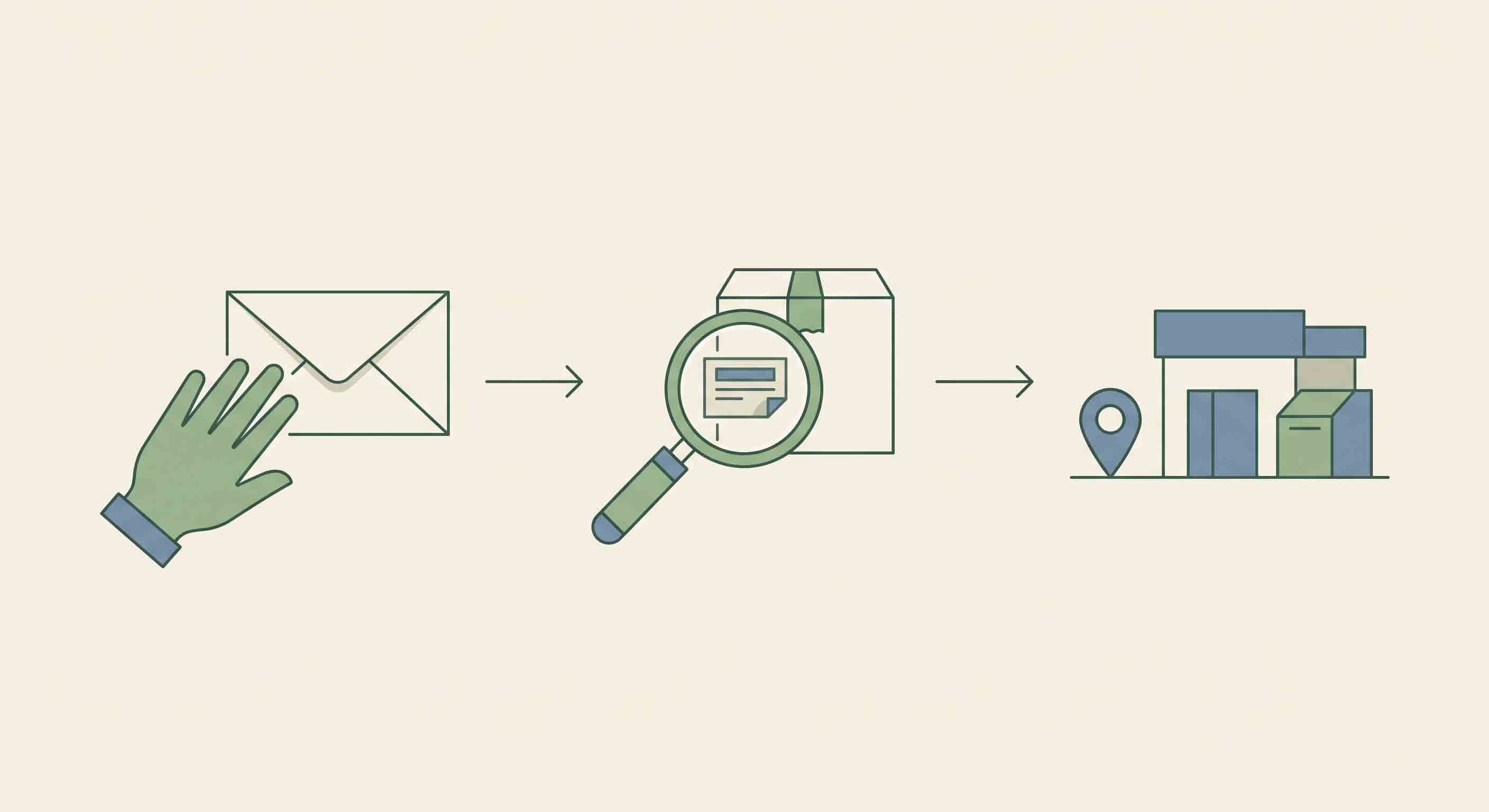
Consumers who want to dispose of an individual tea envelope responsibly can use a simple process:
- Identify the package component, not just the product brand.
- Read the current on-pack instruction, if one exists, including any qualification or local-program reference.
- Check the local recycling or waste authority’s accepted-material guidance.
- When in doubt, ask the brand or local program about the exact component rather than assuming it belongs in a mixed recycling bin.
- Keep the outer envelope separate from the carton, filter bag, tag, and tea leaves unless the instructions specifically say otherwise.
This avoids “wishcycling,” where an item is placed in a recycling stream because it looks recyclable rather than because the local program accepts it. Because collection rules vary by component and location, no universal bin or disposal method can be recommended.
Common wording mistakes to avoid
These phrases often overstate what has been established:
- “All tea bag wrappers are recyclable.”
- “Paper-looking wrappers go in paper recycling.”
- “This package is eco-friendly.”
- “The pouch is recyclable” when only one layer or component has been assessed.
- “Compostable” without specifying the exact component, conditions, and market evidence.
- A recycling loop icon with no explanation of what part of the product it applies to.
Use only wording that the available evidence supports. If the evidence applies to the outer carton only, refer to the carton rather than the whole package. Where collection is limited, make that limitation clear. Until the necessary evidence is available, avoid broad environmental wording.
For product pages, labels, and other public materials, name the specific component and its applicable conditions. A statement about one configuration should not imply the same outcome for every tea package.
What brands should request from packaging suppliers
For an individual tea-envelope project, ask for documentation that matches the actual final structure. The request may include:
- a current material/structure description for each component;
- identification of labels, windows, closures, inks, adhesives, and other relevant components;
- information needed for the intended food-contact assessment, where applicable;
- any evidence the supplier is authorized to provide about disposal, collection, or environmental attributes;
- the market(s), application, and conditions to which the documents relate;
- a change-notification process if the structure is revised;
- samples that allow the responsible team to inspect the assembled pack.
Receiving a generic brochure or a statement about one raw material is not enough to support a claim for a finished tea package. The responsible brand owner should determine what third-party review, local recycling research, or legal review is needed before the claim appears on a consumer-facing product.
Keep recycling content separate from tea-bag safety content
Recyclability and material-safety questions often appear together in search results, but they are not the same question. A disposal claim concerns collection and processing conditions. A food-contact question concerns the actual material, food, intended use, market, and relevant documentation. Neither can be inferred from the other.
How the packaging decision belongs in a custom tea project
When a tea brand is choosing an individual envelope, carton, loose-leaf pouch, or a combination, custom tea packaging should be specified by component and market. That means discussing the product configuration and requesting evidence for the final materials rather than selecting a marketing claim first. The result is a clearer project brief and a lower risk of an unsupported statement on the finished pack.

What this guide can and cannot answer
Before looking for disposal information, separate the carton, envelope, filter bag, tag, pouch, and shipping pack. A paper-like appearance, a public material option, or a generic sustainability statement does not determine the correct disposal route for a particular component.
For a brand to issue a product-specific wrapper instruction, it should have the current SKU and component map, an exact structure description, the intended market, relevant collection or processing evidence, and approved wording that names the component and any limitations. If those facts are unavailable, the responsible answer is the neutral one in this guide: check the on-pack instruction and the local program rather than guessing.

How to answer a customer’s recycling question without guessing
Customer-service teams often receive a short question such as “Can I recycle this tea wrapper?” The best answer is not a generic paragraph copied across every product. It is a component-specific response that uses the currently approved instruction for the exact SKU and market.
Create a controlled response record with the following fields:
An appropriate answer might say that the customer should check the exact on-pack instruction and their local program, rather than saying “yes” based on the wrapper’s paper-like look. If no approved instruction exists, customer service should escalate the question rather than improvise an environmental claim.
The same principle applies to online product listings. A broad claim placed high on a category page may be read as applying to every wrapper the brand sells. Keep materials language linked to the named product and current configuration, and update it when the pack changes.
Treat retailer sustainability requests as a documentation task
Retailers, marketplaces, and distributors may ask for material composition, recyclability, recycled content, packaging weight, or other environmental information. These requests should be routed through the same component map, not completed from a marketing description or image library.
Before replying, identify the exact SKU, supplier version, target market, question being asked, and evidence requested. Ask whether the retailer wants a statement about the complete selling unit, a single retail component, or secondary packaging. If a claim needs qualification or the evidence is not sufficient, state that clearly. It is better to provide a precise “pending documentation review” response than to give a broad answer that becomes part of a public product record.
The same discipline protects imagery. A photo of a clean paper carton can be used to show a carton, but it should not be captioned “recyclable tea packaging” unless the precise claim is approved. The most defensible environmental content is often less dramatic but more useful: it tells the buyer which component is being discussed and what they need to check locally.
Frequently asked questions
Are individual tea bag wrappers recyclable?
Sometimes, but not as a universal category. Check the exact wrapper structure, its components, the current label instruction, and the local collection program. Do not assume the answer from a paper-like or shiny appearance.
Can I put tea bag wrappers in paper recycling?
Only if the exact wrapper and local program instructions support that action. Some wrappers may contain additional layers, coatings, seals, or other components that change the appropriate route.
Is the tea bag itself the same as the tea wrapper?
No. The filter bag that holds the tea and the outer envelope around it are separate components. A carton, tag, string, pouch, and shipping box may also need separate disposal review.
Does a recycling symbol mean the whole tea package is recyclable?
Not necessarily. The symbol and surrounding wording must be read in context. A responsible claim should identify the component it covers and any limitations that matter in the target market.
What information should a tea brand confirm before making a recyclability claim?
Confirm the final component structure, local collection and processing context, the target market, the exact wording, and the evidence or approvals required for that claim. Revisit it when the package or market changes.
Sources
- FTC, Environmental Claims: Summary of the Green Guides: https://www.ftc.gov/business-guidance/resources/environmental-claims-summary-green-guides
- FTC, Green Guides: https://www.ftc.gov/legal-library/browse/rules/green-guides
- U.S. EPA, Recycling FAQ: https://www.epa.gov/recycle/frequent-questions-recycling