
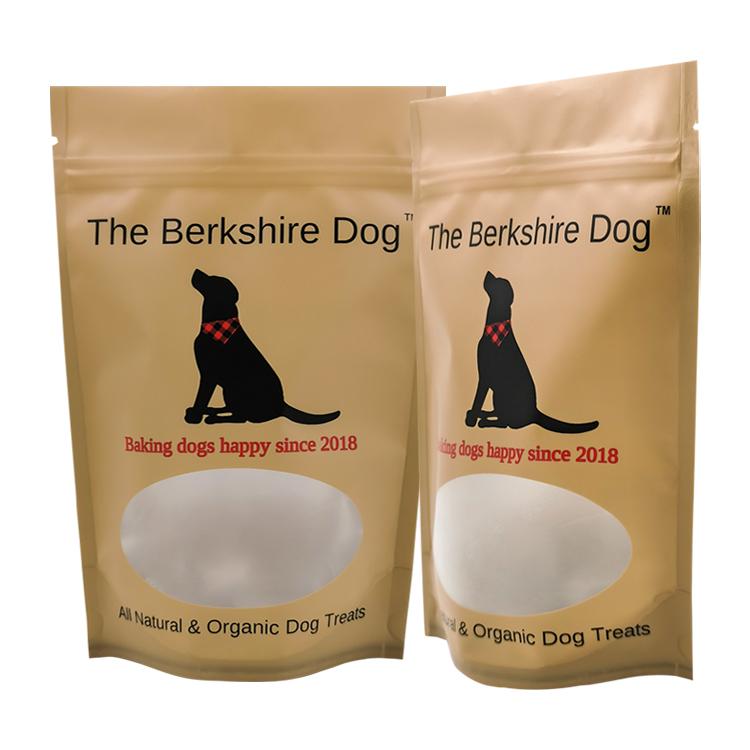
Stand-up pouches
A base gusset gives the pack a shelf-ready form. Opening width and a self-sealing strip can be discussed for repeated access.
Custom empty packaging · Aquarium & pond feed
We make custom fish food bags around your feed, fill size and brand. Choose the pouch format, material and print with our help—from the first design to production.
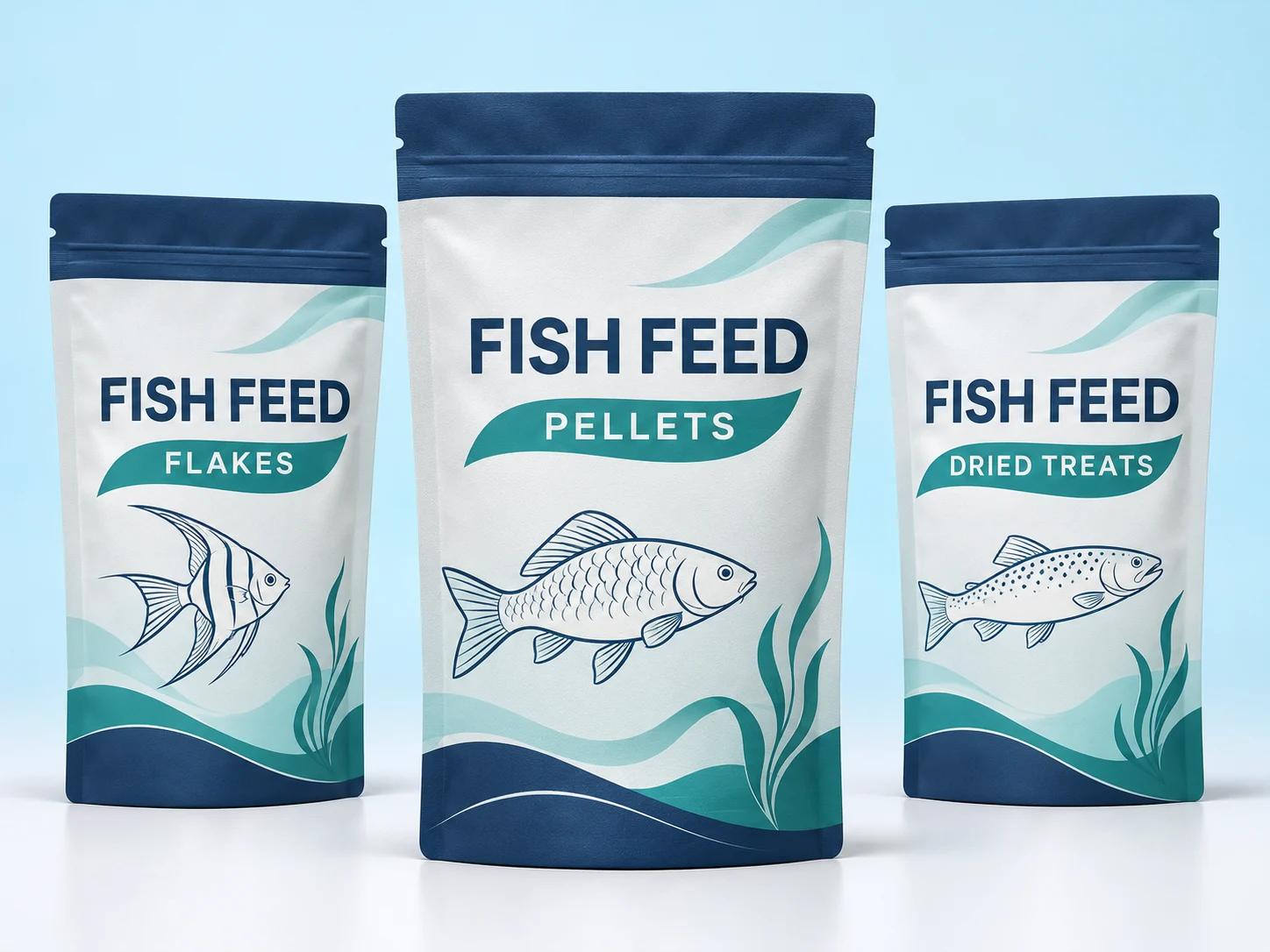
Free design + layered print-ready filesA dedicated designer. Unlimited revisions at no design charge.
Feed & fill
Flakes, pellets and dried treats occupy different volumes. Send us the target weight and a representative product description; we will help turn them into a practical bag specification.
Scroll table horizontally
| Feed form | What to share | How we use it |
|---|---|---|
| Flakes | Bulk volume, fragility and desired fill level | We help plan the opening, moisture protection and complete shipping pack. |
| Pellets or granules | Density, pellet sizes, oil level and crumbs | We size the usable volume and discuss contact, barrier and seal requirements. |
| Freeze-dried or dried treats | Product volume, piece size and fragility | We help match the pouch to moisture and oxygen needs, filling and handling. |
| Frozen fish food | Actual storage temperatures and distribution conditions | We assess a separate cold-use structure and filled-pack requirements. |
| Larger feed orders | Filled weight, lifting and shipping arrangement | We assess the format, seams and material against the handling route. |
Weight alone does not define bag size. Usable volume, headspace, the filling opening and seal clearance need to work with the actual feed. Freeze-dried feed and frozen feed require different packaging assessments.
Bag formats
We supply stand-up, flat-bottom, flat and side-gusset bags. These photographs show formats from our own packaging work in other industries; your fish-feed pouch is specified separately.
A base gusset gives the pack a shelf-ready form. Opening width and a self-sealing strip can be discussed for repeated access.
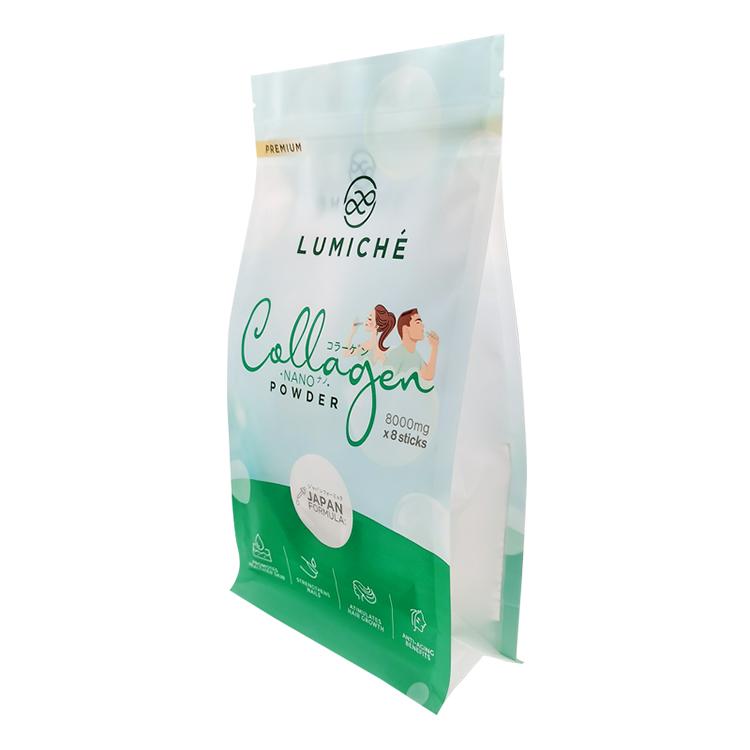
A flat base and side panels give you more surfaces for the range identity and product information. Size the pack around the actual fill.
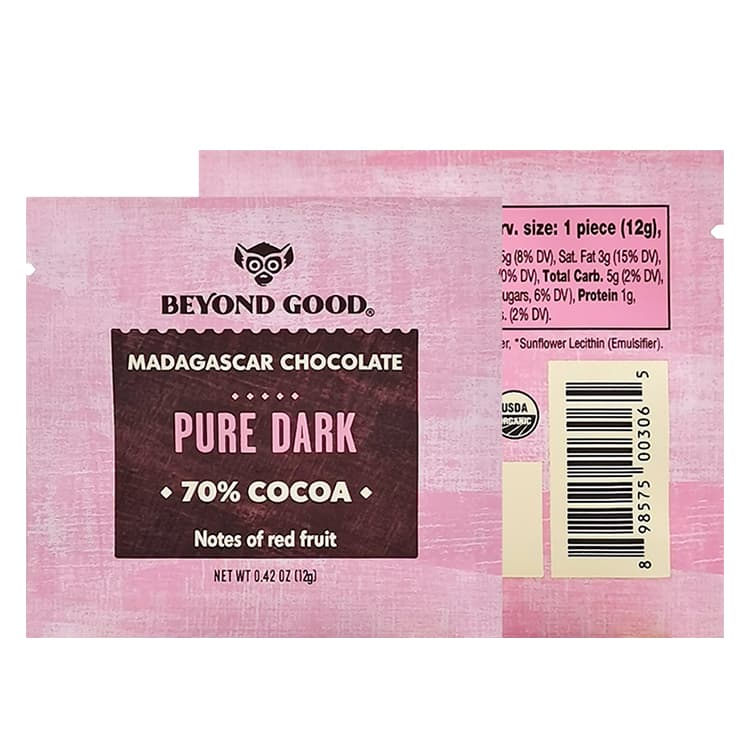
A compact format for smaller packs or portion concepts. We match the opening and seal area to your filling method.
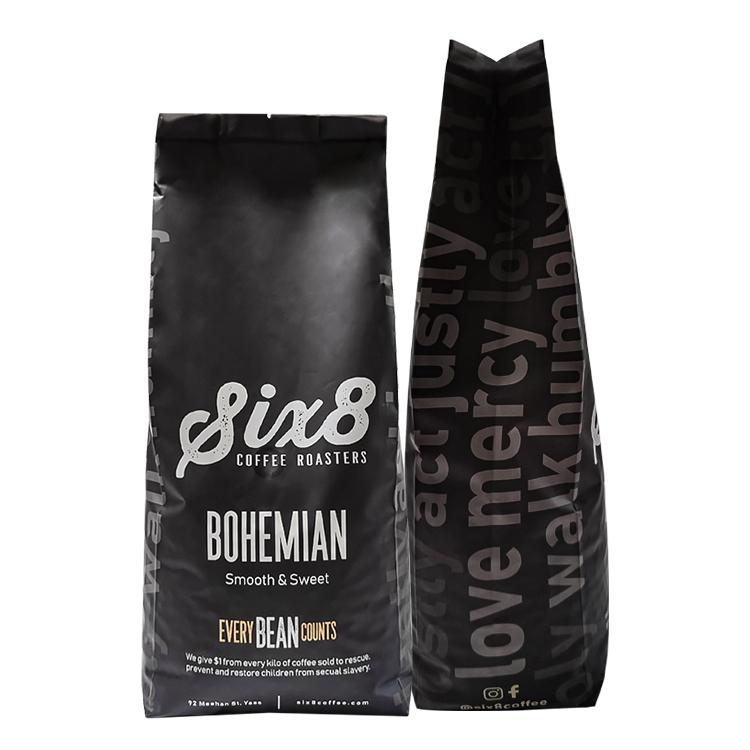
Expandable side folds offer another route for larger fills. Filled weight and handling determine the suitable structure.
For aquarium refills or larger pond-feed packs, share both the filled weight and volume. We do not apply one load rating to every bag.
Find a Bag Size for My FeedMaterial & protection
We help you select plastic films and barrier layers around your formulation, storage and filling conditions. A layer name by itself does not establish shelf life or the performance of the finished pouch.
Scroll table horizontally
| Project detail | What the specification needs to address |
|---|---|
| Moisture and oxygen | The protection your dry feed needs during its intended storage and distribution. |
| Oils and ingredients | Contact-layer and full-laminate suitability for the actual formulation. |
| Clear window | The window area and its effect on the selected full barrier structure. |
| Pellet edges and filled weight | Representative handling of the complete filled bag, including the seams. |
| Powder at the seal | Filling controls, the sealing operation and a clean final seal area. |
Explore plastic films and barrier layers, or send the requirements you already use for your feed.
Discuss My Bag MaterialsFilling & opening
We build the opening, closure and usable space into the specification together. The right combination depends on how you fill the bag and how the feed is used.
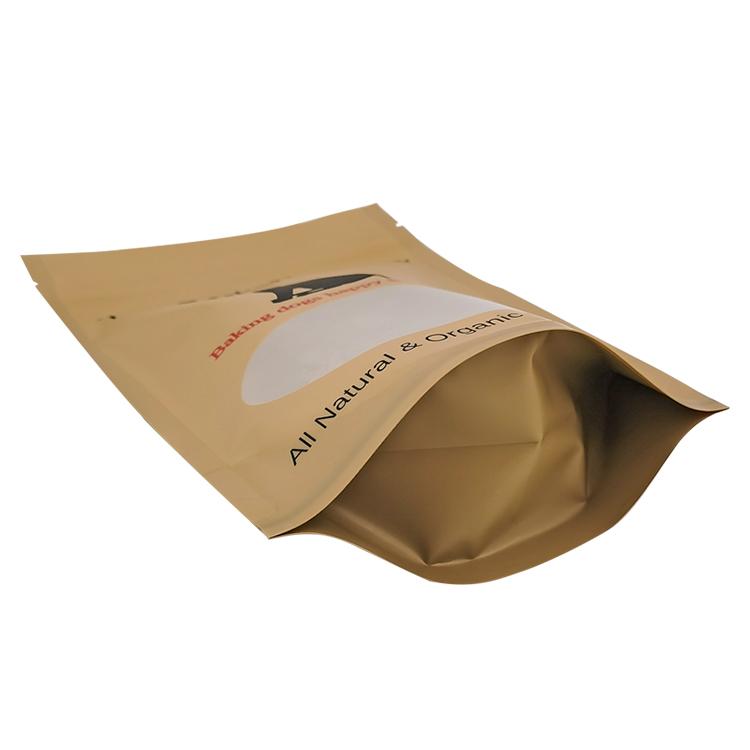
We help plan the pouch dimensions and headspace around your flakes, pellets or dried pieces. For fragile feed, filling speed, shipping-case arrangement and handling matter alongside the film; a flexible pouch is not rigid crush protection.
If your operation uses nitrogen flushing, tell us the equipment and gas-packing requirements so we can discuss a compatible material and seal. Feed filling remains with your operation; gas packing does not guarantee that flakes cannot break.
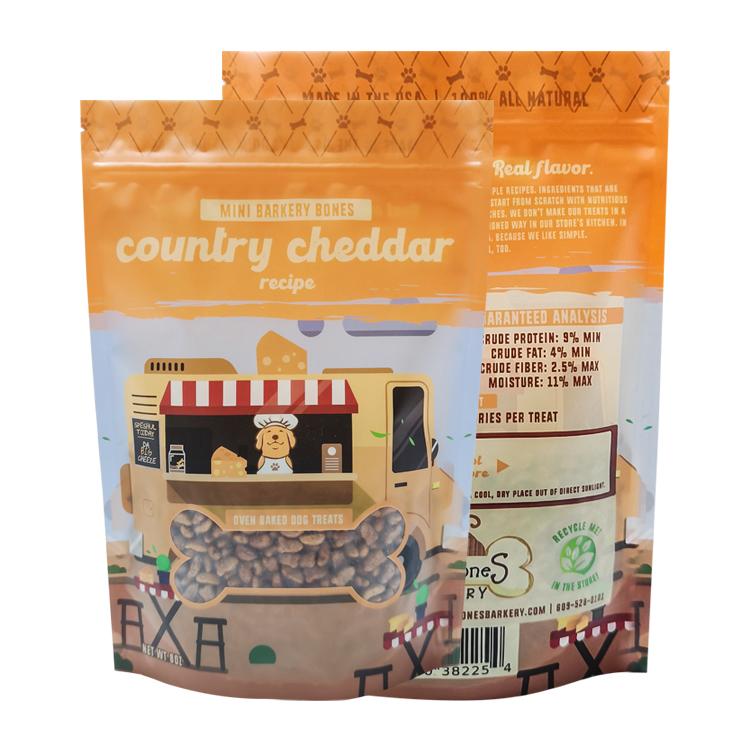
The strip lets the customer reclose the pouch after opening. The filled retail pack still needs its specified final heat seal. We help position the opening and closure so that fine feed and crumbs can be kept clear of the sealing area.
We can discuss its shape and position with the selected material. Vents and perforations are not default features for dry fish-food barrier packs; they need a defined purpose and a separate assessment of their effect on protection.
Design support
You can start with a logo, a reference or an idea. Our dedicated designer develops the artwork around your chosen pouch, with unlimited revisions at no design charge.
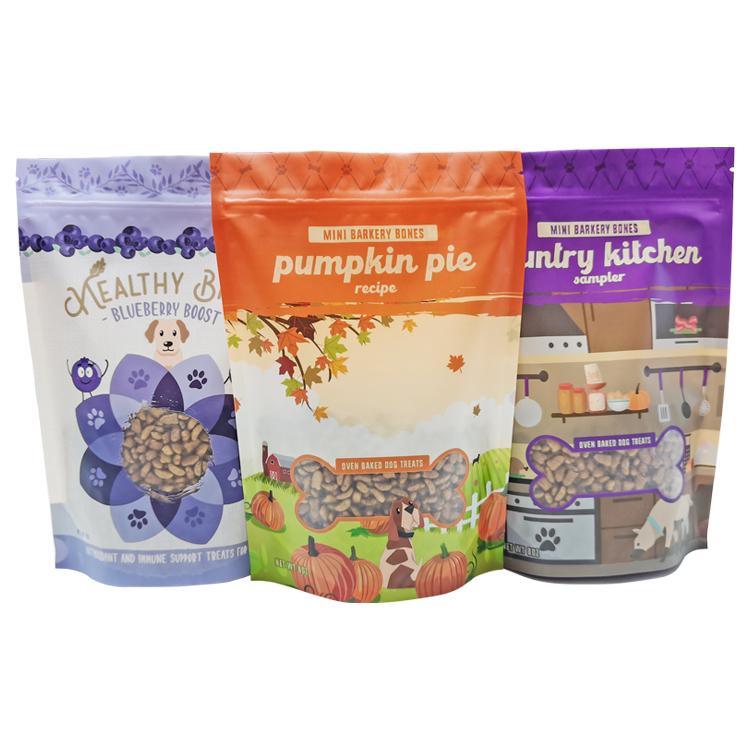
After artwork approval, we prepare the layered files for the agreed bag dimensions, printing method and production specifications—also free of charge.
We arrange your species, feed form and variant information within a clear range layout. You provide and approve the ingredients, feeding instructions, nutrition wording and product claims.
Tell us the number of designs, sizes and quantity per design. We will help connect the artwork plan with the printing plan.
Start My Free Packaging DesignDigital & gravure
We offer digital and gravure printing. The number of designs, quantity per design and expected repeat volume guide the choice.
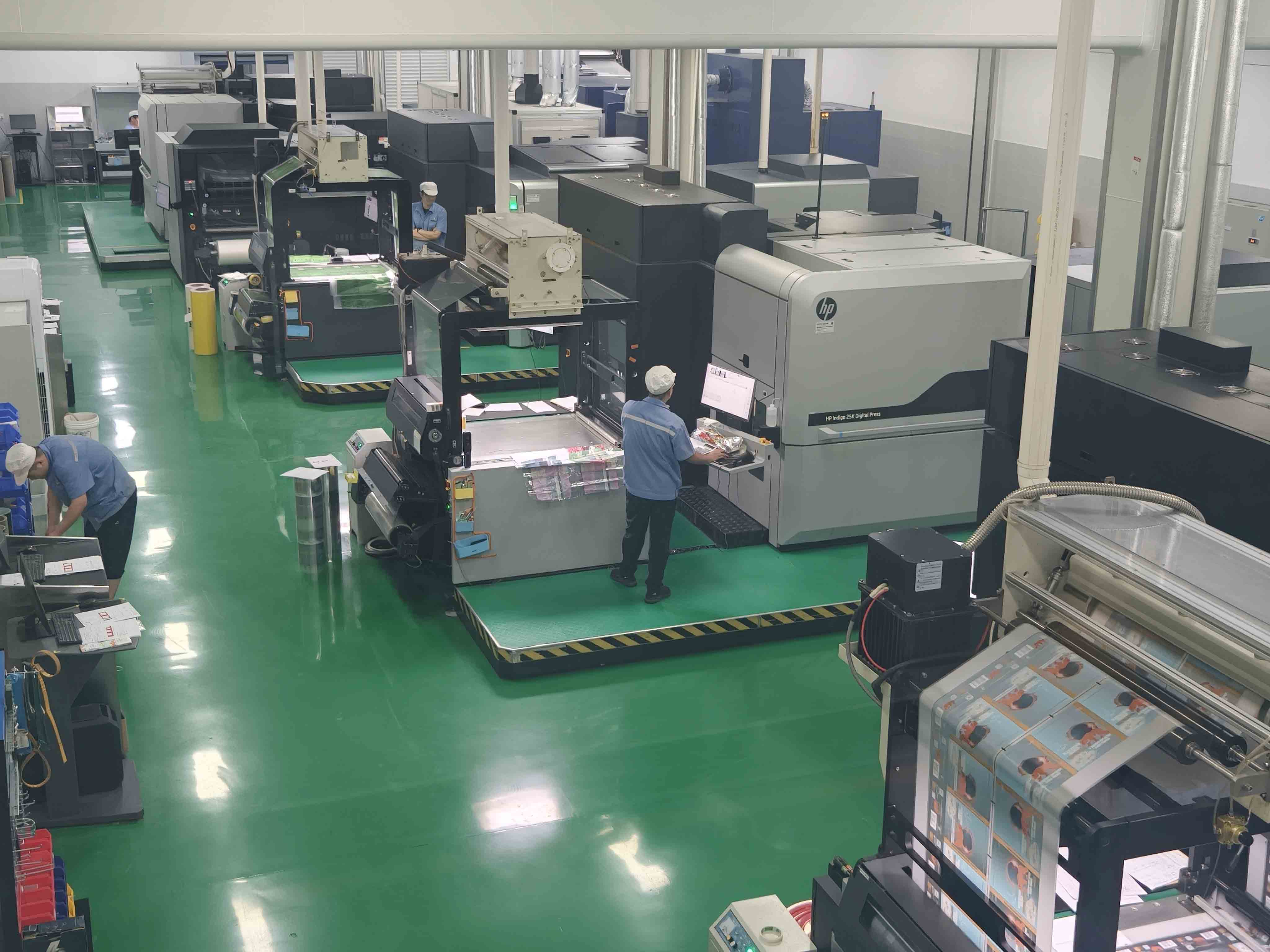
Digital printing and gravure printing give us routes for different production plans. Send your starting quantities and artwork count; we will explain the suitable option and its quote items.
The surface, printed colors and final appearance need to be considered on the selected material. We include the agreed finish and print-approval process in your order specification.
Material choices
We offer environmental material options and help you compare them with the protection, closure and print your fish feed needs.
Tell us the destination market and your recycling or composting goal. The complete pouch—including its window and closure—needs to match the proposed route and the supporting evidence.
An environmental label does not establish a twelve-month shelf life or identical barrier performance. We assess the structure, contact, seals and storage requirements with your actual feed.
See our eco-friendly material options or discuss your fish-feed packaging goals with us.
Ordering & delivery
We help you work through the physical sample, the order specification and the delivery plan before production.
See the packaging first
Use them to look at the material, pouch form and print. If you need custom samples, the custom sample fee is refunded when you place your order.
Tell us what you want to check so we can propose relevant samples and the shipping arrangement.
Request Packaging Samples7–12 calendar days
From your deposit payment.
7–10 calendar days
From your balance payment.
These are separate stages. The production period is not the total arrival time.
Share the destination country and delivery address when available. We include the applicable door-to-door arrangement in your project quotation.
The format, size, structure, printing method, number of designs and quantity per design determine the quote. An initial launch plan is enough to start; we will confirm the applicable minimum and quote items for your configuration.
Our work & factory
Our export packaging work includes pet-food and other flexible-packaging projects. These product photographs and factory views show the formats and production behind that work.
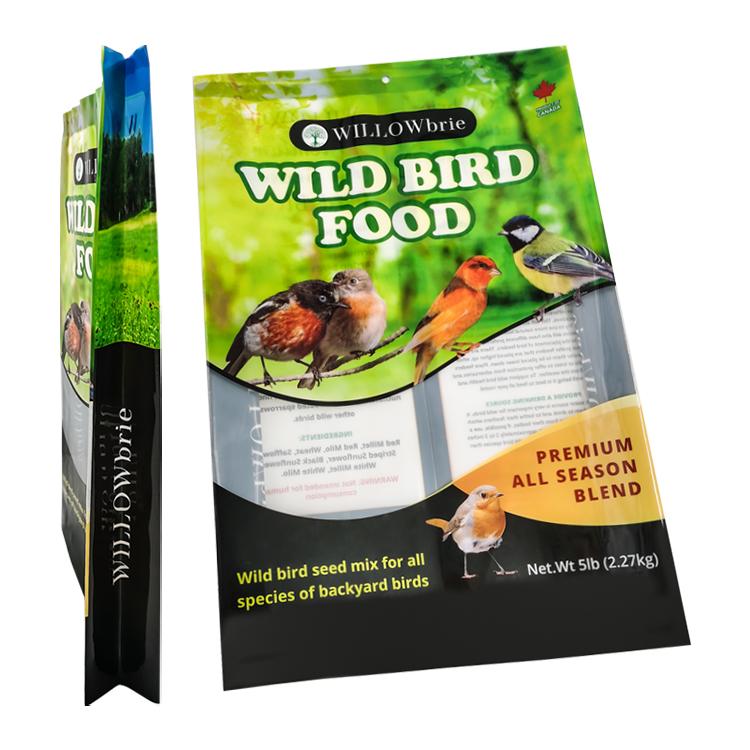
Explore the Pet Food & Treats project library for more examples of our work.
Related packaging: bird food bags, cat food pouches and dog treat packaging.
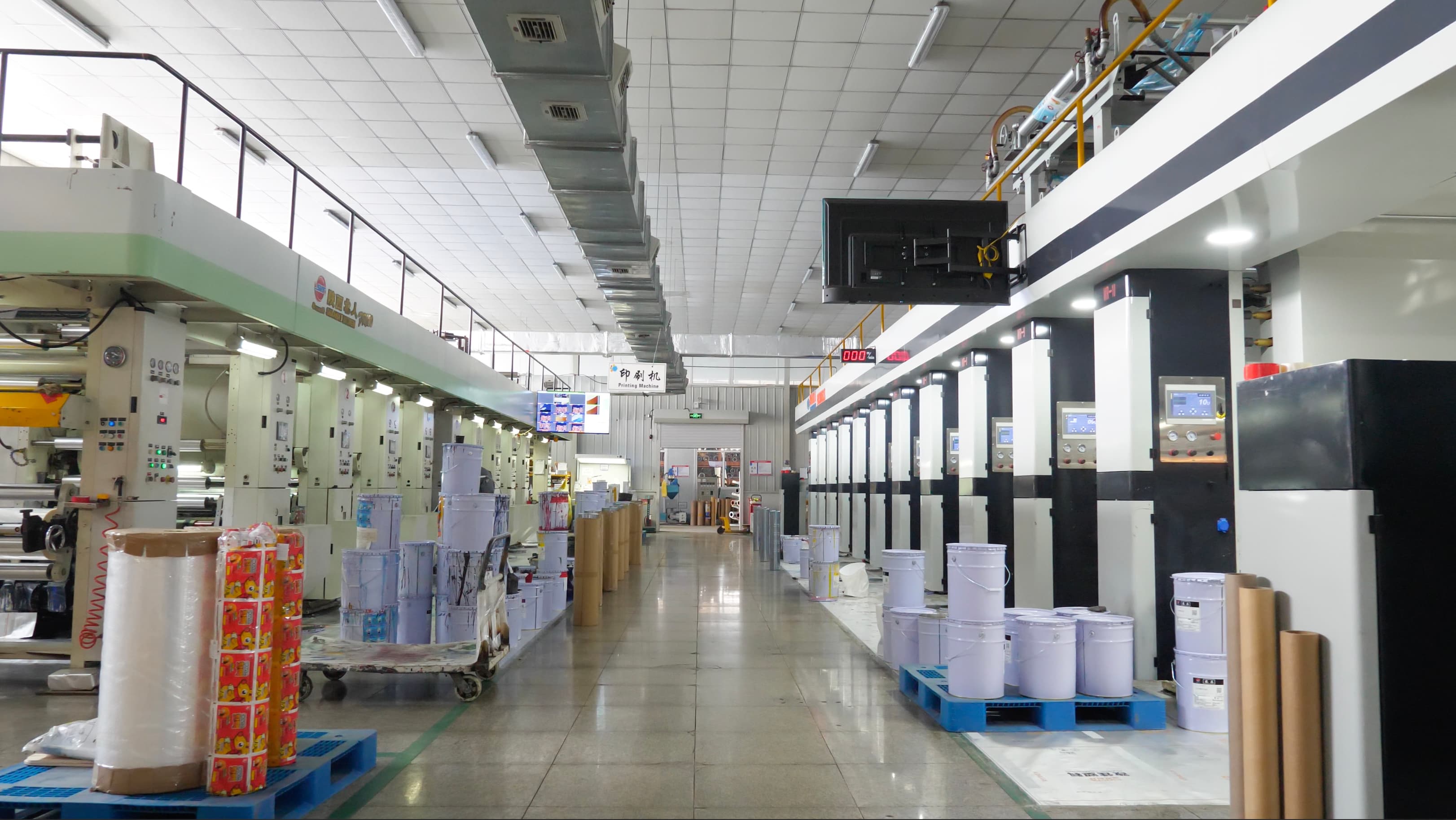
Tell us the intended packaging use and destination market. We can provide relevant factory and material documents with your enquiry.
Your questions
Practical answers on materials, filling, design and ordering.
Yes. We manufacture custom empty bags for aquarium feed and related fish-food packaging projects. Tell us the feed form, target fill and storage conditions; we will help specify the size, material, closure and printing. Feed production and filling remain separate from our packaging service.
Sometimes, but their densities and fill volumes can differ. Send the actual weight, approximate volume and particle size for each feed. We will help assess a shared format, then check the dimensions, headspace and seal clearance with representative product.
Tell us the dry-feed type, target shelf life, storage and distribution conditions, and any performance requirements you already use. We assess the proposed film and final seals together; a material-layer name alone does not establish a protection period.
No. We help you assess the pouch alongside filling, headspace, shipping-case arrangement and handling. Flexible packaging does not provide rigid crush protection. The complete filled pack needs evaluation under representative conditions for your feed.
Yes, we can discuss a pouch for your gas-packing route. Send the filling-equipment details and gas-packing requirements so the material and seals can be assessed together. We supply the packaging, not feed filling, and nitrogen does not guarantee that every flake stays intact.
Tell us about the formulation, contact and intended storage. We help select the contact layer and full laminate around your actual feed, including any powder or oil near the final seal. A grease-resistant description alone does not establish universal contact or leakage performance.
Yes, we can discuss a window with the chosen material and protection requirements. We position its shape and size in the artwork. The window is part of the full structure, so the same barrier performance cannot be assumed after adding it.
Vents and perforations are not default features for dry-feed moisture-barrier packs. If your process needs them, tell us the purpose so we can assess their effect on the complete pack. A clear window is closed film, not a ventilation hole.
No. The self-sealing strip, often called a zipper, supports repeated access after opening. The filled retail pack still needs its specified final heat seal. We help plan the tear opening, seal clearance and reclosure, especially where fine feed or crumbs can collect.
No. We assess freeze-dried feed as a dry product with its own barrier and handling needs. Frozen feed requires separately specified storage temperatures and distribution conditions. A dry-food pouch is not automatically suitable for frozen use.
Yes. Send the filled weight, volume, lifting method and shipping arrangement. We will assess the format, seams and material for your project. We do not apply one heavy-load rating to every pouch or assume all soft bags suit industrial bulk weights.
Yes. Send the variants, sizes and quantity per design. We will compare digital and gravure printing for the production plan and arrange your approved species, pellet and feeding information within a consistent layout and agreed print area.
You provide and approve the feed identity, ingredients, feeding instructions, nutrition wording and claims. Our free design service arranges that information in the packaging artwork; it does not replace formulation or approval of product information.
No. An environmental material description does not establish shelf life or identical barrier performance. The full film, closure, contact, seals and storage need to suit the actual feed. Recycling and composting claims also need evidence for the final structure and intended route.
Yes. Start with an idea, logo, reference image or product wording; finished artwork is not required. A dedicated designer works with you, with unlimited revisions at no design charge. After approval, we prepare layered, print-ready files for the agreed bag dimensions, printing method and production specifications, also free of charge.
Similar-material samples are free. For custom samples, the custom sample fee is refunded when you place your order. Tell us which product and packaging details you want to check so we can propose suitable samples and discuss the shipping arrangement.
We can provide relevant factory and material documentation with your enquiry. Include the intended packaging use and destination market so we can share the documents applicable to your project. The applicable scope is confirmed with those documents.
The quote depends on the format, dimensions, structure, printing method, number of designs and quantity per design. Share a starting quantity or launch plan, even if some details are undecided. We will confirm the applicable minimum and quote items; there is no single published minimum for every configuration.
Production is completed within 7–12 calendar days from your deposit payment. Shipping takes 7–10 calendar days from your balance payment. These are separate stages measured from the payment dates; production time is not total arrival time.
Yes. We offer DDP door-to-door delivery with taxes included. Send the destination country and delivery address when available so we can confirm the applicable arrangement in your project quotation.
Start your project
Send your feed type, fill size and starting quantity. If some details are undecided, describe your plan and we will help you develop the specification.
Feed form · target weight and volume · quantity per design · destination · sample or design needs