
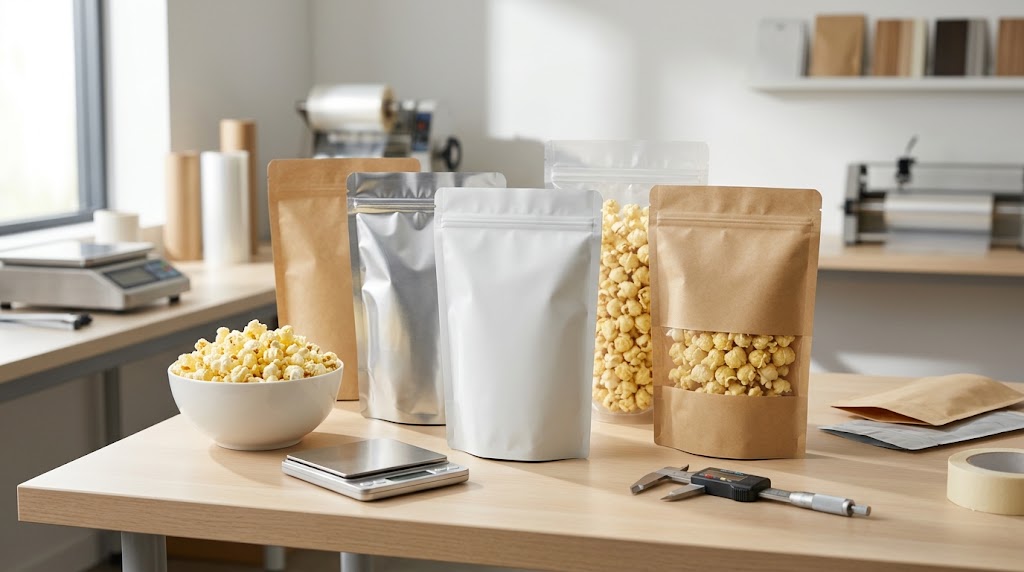
A retail popcorn pouch can still look intact when its contents have lost their crunch. A bag can also show a broken seal while the popcorn looks normal. Those observations answer different questions. Neither a generic “high-barrier” description nor a date copied from another brand tells you how long your recipe will meet its own quality and safety requirements.
The short answer: there is no single number of days for all bagged popcorn. The period depends on the popcorn at filling, oil or coating, package construction, first-seal integrity, exposure to moisture, oxygen and light, and the actual storage and distribution route. Set a proposed date only after testing representative finished packs against prewritten quality criteria and the food business's safety program. A zipper can help after opening; it cannot replace the first heat seal or validate an unopened shelf life.
This guide concerns already-popped human-food popcorn in commercial retail pouches. An open paper serving bag meant for immediate eating is a different use. It does not cover microwave cooking bags, food-safety decisions about a suspect consumer pack, or a promise that an expired product is safe to eat.
Define What “Last” Means for This Popcorn
The first question is not “Which film lasts six months?” It is “What change will make this product unacceptable?” A plain salted popcorn may fail a crispness standard before its package looks damaged. An oil-seasoned flavor may develop an unwanted aroma. A coated cluster may become sticky or clumped. A parcel shipment can create broken pieces without changing the film's measured water-vapor barrier. The brand should define the endpoint rather than using one broad word such as “stale.”
| Observation | Investigation to start | Do not conclude from the observation alone |
|---|---|---|
| Softer bite or lost snap | Product starting condition, moisture uptake, seal, ambient humidity | That the nominal film WVTR is the only cause |
| Rancid or paint-like note | Ingredient and oil history, oxygen exposure, light, storage temperature | That an oxygen absorber or opaque film would automatically solve it |
| Sticky glaze or clusters | Coating formulation, moisture exchange, warm handling, mechanical pressure | That all sugar-coated popcorn has one water-activity limit |
| Many fines or broken pieces | Filling impact, pouch shape, carton load and route | That the pouch material alone caused breakage |
| Swelling, visible growth, wetness or unexpected odor | Preserve the pack and investigate under the food team's hold procedure | That a consumer taste test can clear the product |
| Channel, puncture or failed top seam | Fill contamination, sealing process, converting defect or transport abrasion | That a flat-film barrier certificate proves whole-pack integrity |
A customer complaint can involve more than one route. Photograph the unopened pack, date and lot code, distribution history, and the exact place of damage before opening it. Compare retained controls from the same lot. If the product is suspect, the food producer's quality and safety team must decide hold and disposition; a pouch supplier cannot make that decision from a photograph.
Separate quality life from safety assessment
A date may communicate an expected quality period in a given market. The FDA's food-date explanation discusses “Best if Used By” as a phrase about best flavor and quality in the United States. That does not assign a date to your popcorn or guarantee that a compromised pack is safe. Follow the applicable market's label rules and your business's validated product-safety plan. A batch with signs of contamination or a damaged seal needs investigation irrespective of an apparently favorable date.
Water activity, usually written a_w, is one measurement that may matter to a finished product and its specification. The FDA's water-activity technical guide explains its relationship to available water and microbial behavior. A particular a_w number is not a universal crispness threshold for all popcorn, nor does one low reading prove a complete sanitation program. The food team should decide which baseline and trend measures suit its recipe.
Start the Clock Before the Bag Is Sealed
Packaging cannot restore quality that was already lost. Record ingredient lots, popping process, seasoning and cooling sequence, time before filling, and product condition at the packer. Hot or poorly conditioned popcorn entering a sealed pouch can behave differently from a representative sample that has stabilized. Flavored dust and oil can collect in the sealing zone. If one line shift has more fines or a different oil application, a later texture complaint should not automatically be assigned to the film.
Measure a baseline from normal production, not a handpicked ideal portion. For each recipe, document an appropriate texture or sensory reference, visible coating and fines, relevant product measurements selected by the food team, and sample identity. If an oil-bearing SKU is the concern, a qualified laboratory may use suitable oxidation markers alongside sensory work. The purpose is to compare the same product through storage, not to import an arbitrary threshold from another snack.
Select more than one production lot where practical. A trial involving a single unusually dry or gently handled batch can overstate the process's normal range. Keep the formulation, oil supplier, process revision and packaging lot in the record. If the product changes mid-study, mark that event; do not combine unlike lots into a smooth-looking trend chart.
Follow the Path From Air and Moisture to the Finished Pack
Air and water vapor can enter through the film, window, seals, zipper area or physical damage. The relative contribution depends on the actual design and exposure. Request a full construction sheet: layer order, nominal thickness, food-contact surface, window arrangement, sealant, adhesives, optional metallization or foil, and closure details. “Mylar,” “kraft,” and “high barrier” are not complete specifications. A paper-like outside can hide a polymer food-contact layer; a clear window can have a different structure from an opaque panel.
Two common flat-film measurements are WVTR, the rate of water-vapor transmission, and OTR, the rate of oxygen transmission. ASTM F1249-25 describes a method for water-vapor transmission through plastic film or sheeting; ASTM D3985-24 covers oxygen transmission through plastic film and sheeting. Ask for the tested construction, units, method, temperature, humidity or gradient, and sample condition. A number without those conditions is not a comparable specification. Neither flat-film result is a calendar date for popcorn inside a pouch.
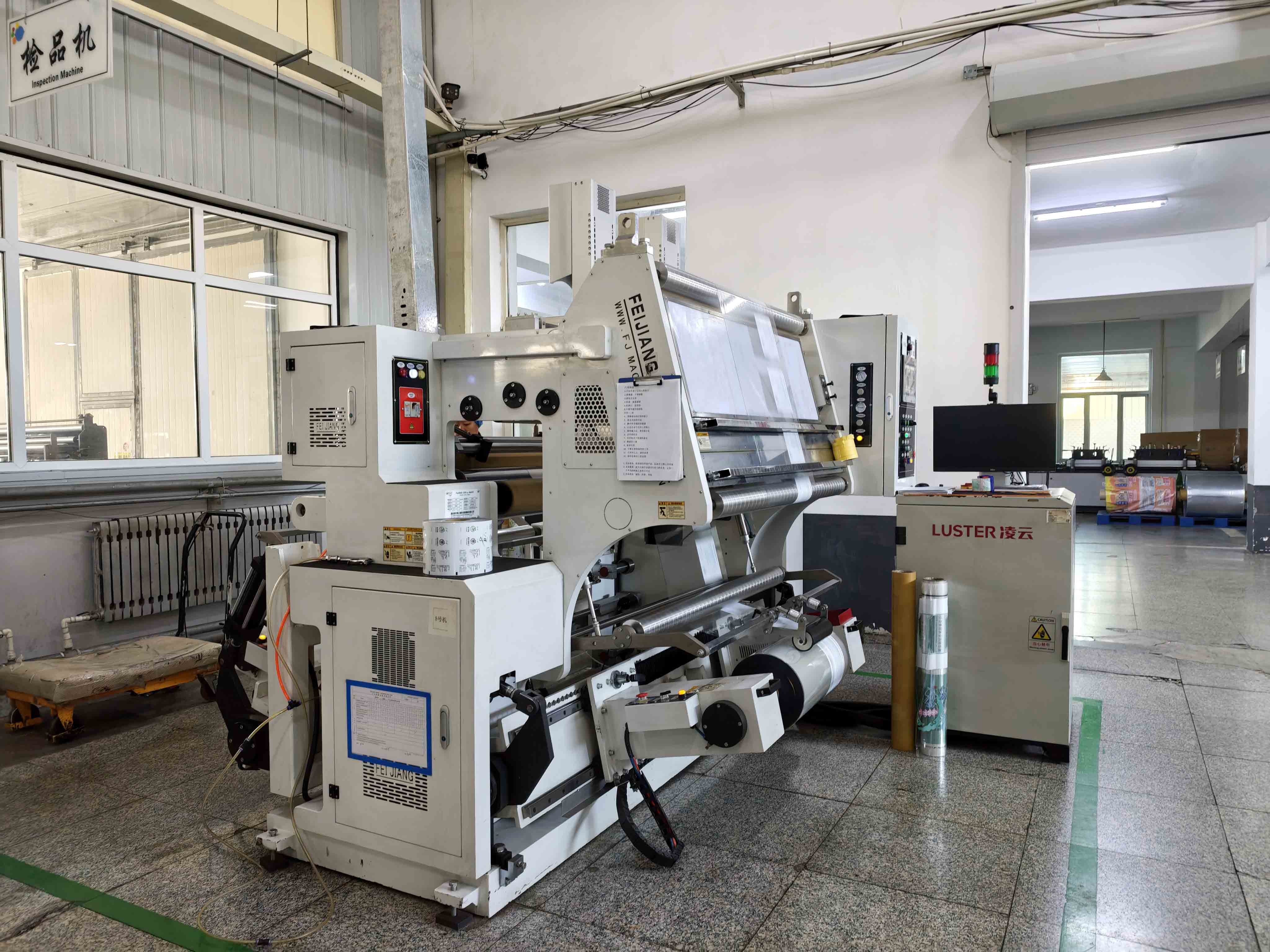
The first seal and the zipper have different jobs
The unopened retail pack relies on its specified first heat seal and intact preformed seams. The zipper, if included, is a convenience for the remaining product after opening. It is not evidence that the unopened bag passed an integrity test. A clean heat-seal area matters especially when loose seasoning, popcorn pieces or oil might be trapped under the jaws. Record actual line settings and inspect samples from normal production, including startup and changeovers.
ASTM F88/F88M-23 is a seal-strength method for a strip cut from a flexible barrier seal. It can be part of a test plan, but it does not by itself find every pinhole or channel in a whole pouch. The packer's inspection method, sample plan and acceptance limits should address the likely failure modes of the exact filled bag. A beautiful force curve from a clean laboratory strip cannot clear a lot whose production seals contain trapped popcorn.
Light and heat can matter for oil-bearing products, but a dark pouch should not be sold as a universal fix. Compare product quality in the actual display and distribution conditions. A window is a design trade-off: it helps show the popcorn and changes the local material construction. Keep its location and size in the validated revision. If a trial uses an opaque sample while the final print has a window, it is not the same package.
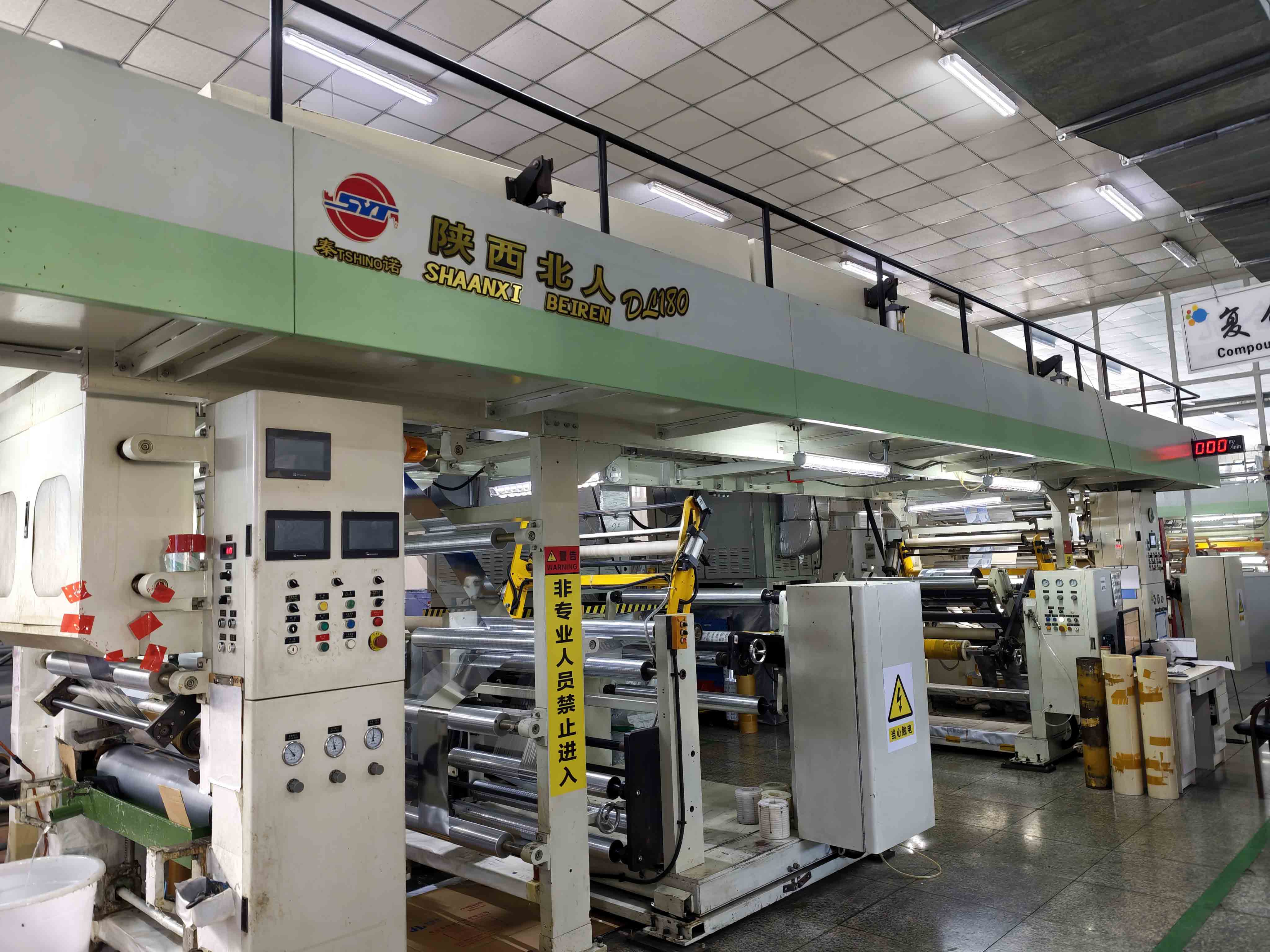
Read a Popcorn Pouch Case Without Borrowing Its Claimed Date
Mylarbag's published gourmet-popcorn pouch project lists a U.S. customer context, stand-up format, matte black kraft-look face, window, gravure print, 15 × 22 + 4 cm, and a MATOPP/kraft paper/PE material field. These details are valuable when discussing where a window or paper-like layer sits in an actual candidate. They do not reveal the formula, net fill, storage profile, seal-test report or retained-product quality data for another brand.
The case page includes promotional language about protecting crunch. Treat it as a design example, not a transferable shelf-life result. If a buyer likes this display format, ask the supplier for its complete layer schedule and relevant test reports, then challenge an exact physical sample with the buyer's own popcorn and closure process. A 140-micron description by itself cannot establish a six- or twelve-month date, and the kraft appearance does not identify the food-contact face.

Design a Real-Time Finished-Pack Study
Write the question before picking dates: “Will this recipe in this exact finished pouch meet our prewritten quality and safety criteria through the proposed date under our actual route?” Name the product revision, packaging material and print revision, filling line, heat-seal parameters, expected store environment, and distribution route. Do not hide a carton or temperature condition that differs from commercial reality.
Use unopened units for each destructive checkpoint. A bag opened at week one, tasted and reclosed, then opened again at week four is an after-opening study, not an independent unopened sample. Establish baseline, intermediate observations and a proposed endpoint; add checkpoints based on the likely mechanism and desired date. Keep retained controls and a route-exposed arm. If accelerated temperature or humidity is used to screen candidate structures, do not automatically convert one accelerated day into a fixed number of retail days without a validated relationship for this product.
| Checkpoint | Pack observations before opening | Product observations after controlled opening | Decision |
|---|---|---|---|
| Baseline | Identity, first seal, window, gusset, code and visible damage | Normal texture, aroma, coating and chosen measurements | Establish comparison and starting limits |
| Intermediate | Seam condition, condensation or puncture, storage log | Trend against the baseline and matched control | Investigate emerging changes; retain evidence |
| Proposed end | Complete-pack integrity and exposure history | Prewritten acceptability criteria and food-team safety assessment | Approve, revise or reject the proposed date |
| Distributed pack | Carton position, scuffs, crushing, leak indications | Fines, texture and aroma versus retained control | Decide whether the route changes quality |
| After opening | Record initial first seal and zipper condition | Quality under realistic use and reclosure | Set separate after-opening guidance if supported |
Agree on the number of units, lots, assessors and methods with the quality team. One unit at the end does not characterize normal variation. Blind or controlled sensory comparisons can reduce bias; a written scoring scale is more useful than “still good.” For a laboratory marker, state its sample preparation, method and decision limit. Keep sensory and analytical results together rather than asking one number to stand for every quality attribute.
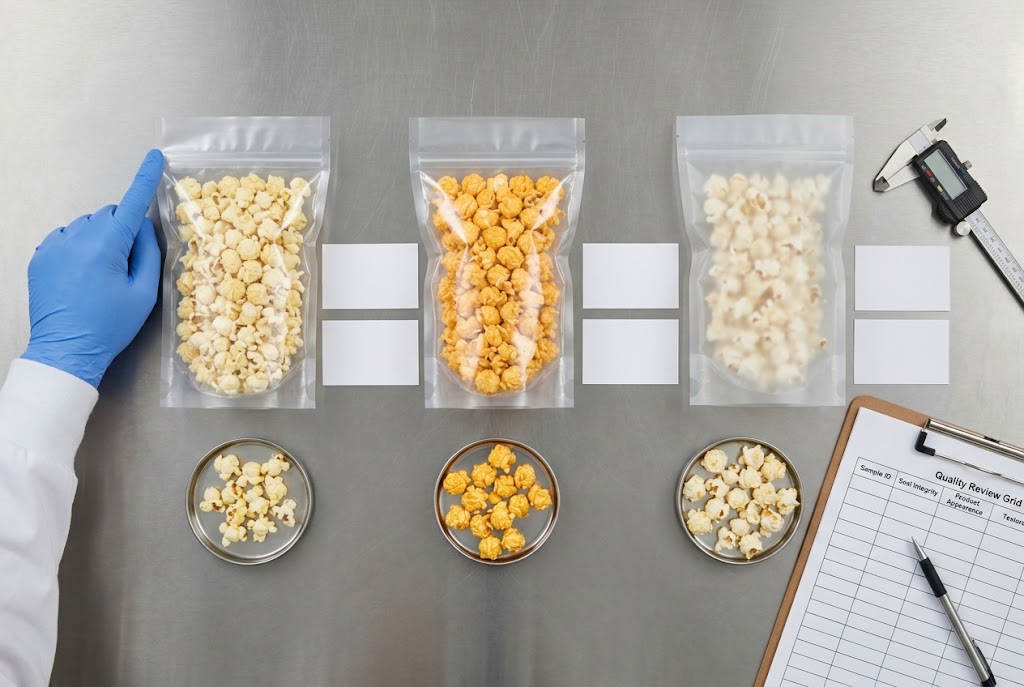
Investigate a failure before changing the material
Suppose a test arm loses crunch. Check whether the baseline was already softer than usual, whether the storage environment deviated, whether the first seal shows a channel, whether a window or seam is implicated, and whether unopened controls in a different package behaved similarly. If a coating becomes sticky only in warm shipped cartons, a stronger nominal film WVTR might not explain pressure and thermal history. If all packs of one recipe develop an oil note, review oil and ingredient history alongside oxygen exposure.
Change one plausible variable at a time in the next trial. New film and a new seal setting introduced together make causation hard to interpret. Document the revised construction, test conditions and product lot, and restart the relevant validation. The final decision should be a traceable product-and-pack result, not a procurement promise derived from a single attractive sample.
Handle Date Questions and Consumer Complaints Carefully
Searches such as “does packaged popcorn expire?” and “how long is packaged popcorn good for?” often ask for a simple date. A business cannot responsibly answer with one number independent of recipe, closure and storage. Use the actual product's label and the company's approved quality and safety procedure. A “Best if Used By” statement, where appropriate, concerns expected quality; it is not permission to ignore an off-odor, visible growth, wet contamination or a broken pack.
When a returned pouch is suspect, retain its outer carton if possible, photograph unopened condition, record the code and purchase route, and keep matched company controls. Do not tell a customer to taste an abnormal product to decide whether it is safe. The food business should assess whether other units or lots may be involved and follow its traceability and disposition process. A bag supplier can help examine seams and material history but does not own the food release decision.
If you change package size, window, film, zipper, print or filling equipment after approving a date, assess whether the change affects the original evidence. A shorter shelf-facing display period is still a claim about a defined product and pack. The popcorn packaging bag team can discuss candidate constructions and sample bags, but a brand should approve its dated life from its own controlled study.
Frequently Asked Questions
How long does bagged popcorn last unopened?
There is no universal duration. The brand should test representative finished popcorn in its actual sealed pouch under the intended route, set a quality endpoint, and approve its own date. Recipe, starting condition, oil, coating, material, first seal, storage and transport all matter. A supplier's film specification cannot determine the complete product's shelf life by itself.
Does bagged popcorn go bad?
It can lose acceptable quality, and a damaged or contaminated pack may require a safety investigation. Staleness can mean loss of crunch, an off-aroma, sticky coating, or breakage. Record the specific symptom and compare the unopened pack with retained controls. Do not use the absence of visible mold as the sole clearance for a suspect lot.
Can packaged popcorn expire after the printed date?
Date language varies by market and label. In the United States, the FDA describes “Best if Used By” as a best-quality phrase, but that does not establish whether an individual pack is safe. Follow the actual label and the food business's procedure. A damaged seal, wetness or unexpected odor deserves investigation whatever the date.
Does a high-barrier pouch guarantee a longer date?
No. Barrier reports apply to identified structures tested under stated conditions. Finished bags add seams, windows and closure behavior; the popcorn's starting state and route also matter. Use WVTR or OTR information to shortlist material candidates, then run a finished-pack study against product-specific endpoints. Do not convert a film number into months.
Is a zipper enough to keep popcorn fresh?
It can help the consumer reclose a multi-serve pouch after opening. The unopened pack needs an appropriate first heat seal and intact construction. After-opening quality depends on use, exposure and recipe, so any instruction about it needs separate evidence. A zipper is not a substitute for a clean primary seal.
Is a paper popcorn bag suitable for long retail display?
An open paper serving bag may suit immediate consumption, but it is not the same as a sealed retail laminate. A paper-looking pouch can contain polymer layers and be heat sealed. Examine the exact structure, product fit and full-pack trial before assigning a retail date; neither the brown color nor the word “kraft” proves performance.
Why does sealed popcorn become soft?
Possible starting points include product condition at filling, moisture uptake through a material or defect, humid storage, or an imperfect seal. Compare baseline and retained controls, inspect the unopened package and storage history, then test the likely route. A soft sample does not by itself identify the failed layer or prove that the packaging supplier caused it.
What if the popcorn smells oily or rancid?
Hold suspect product under the company's quality procedure. Review ingredient and oil lots, process and exposure, package integrity, light and temperature, and matched retained samples. Do not assume oxygen transmission is the only cause. Select appropriate sensory or laboratory measures with a qualified food team and investigate whether the problem extends beyond one pack.
Does a clear window shorten shelf life?
It can change the local structure and light exposure, but the actual effect depends on the window film, size, product and route. Ask for the window construction and test the finished windowed pouch. An opaque flat-film report cannot automatically be applied to a bag with a new window. The answer is a comparison, not a universal yes or no.
Can an accelerated test set the retail date?
It can screen candidates or reveal failure modes. Elevated heat or humidity may cause changes unlike normal retail storage, so a simple multiplier is unsafe without product-specific validation. Retain a real-time arm under the proposed route and compare the same written endpoints. Explain any predictive model and its limits in the approval record.
Should the same shelf-life date apply to every flavor?
Only if evidence supports it. Oil level, coating, seasoning, fines, initial moisture and filling behavior may differ. You may use a shared package, but challenge relevant worst-case and distinct formulations. Do not assume a plain popcorn result covers a caramel-coated or oil-rich SKU without a justified, documented comparison.
Who sets the date: the pouch supplier or the popcorn brand?
The food business owns product specifications, safety assessment, label and date decision. The packaging supplier contributes the exact construction, food-contact documentation, samples and relevant material or seal information. The packer contributes line settings and filled-pack records. The final dated-life claim needs evidence about the product in the finished pack under the intended conditions.