
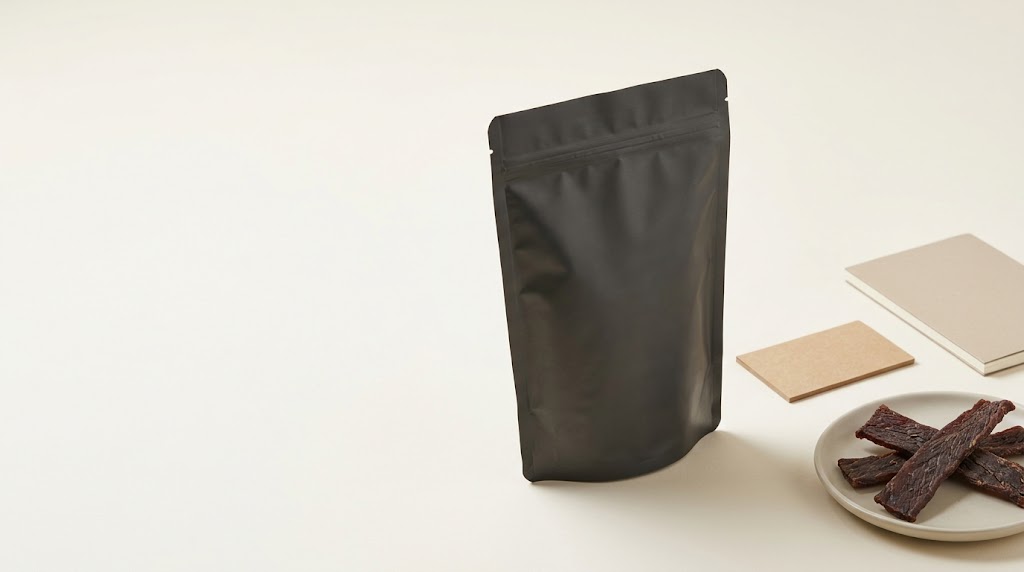
Beef jerky has no universal shelf life in a Mylar bag. For a commercially packed product, follow its date and storage instructions. For a new product, establish the shelf life using the actual recipe, food process, finished pouch and distribution conditions. Putting jerky into a different bag does not reset its age.
For context, USDA's jerky guidance gives general storage references of 12 months for commercially packaged jerky and 1–2 months for home-dried jerky. These are category-level references, not a promise that any jerky placed in any Mylar pouch will last that long.
If you are developing a retail product, start with the food specification and the storage claim you need to support. Then choose beef jerky bags whose materials, seals and format can be evaluated against that brief.
1. Start with the condition of the jerky
A question such as “How long will beef jerky last in Mylar bags?” needs one more detail: what happened to the jerky before it entered that bag?
An unopened commercial pack, a bag of homemade jerky and a retail pack that has been opened several times have different histories. A shiny pouch makes them look similar on a pantry shelf. Their storage instructions still need to reflect those differences.
For a business, record the intended claim precisely. “Ambient storage, unopened” and “refrigerate after opening” describe different use periods. If both apply, the label and supporting work should address both.
Keep unopened and opened storage separate
The first opening changes the package environment. A zipper helps the customer close the mouth again, but the product has already been exposed during opening and handling. A resealable feature should therefore be discussed alongside portion size and after-opening instructions.
A larger sharing pouch may spend more time being opened and closed than a single-serve pack. That is a useful product-development question: does the pack size fit the consumption pattern you are asking the customer to follow?
When repacking for personal use, keep the original date and instructions with the food. For a commercial repacking operation, include the transfer step in the food-safety and shelf-life assessment. “Packed today” alone says little about the earlier history of the meat.
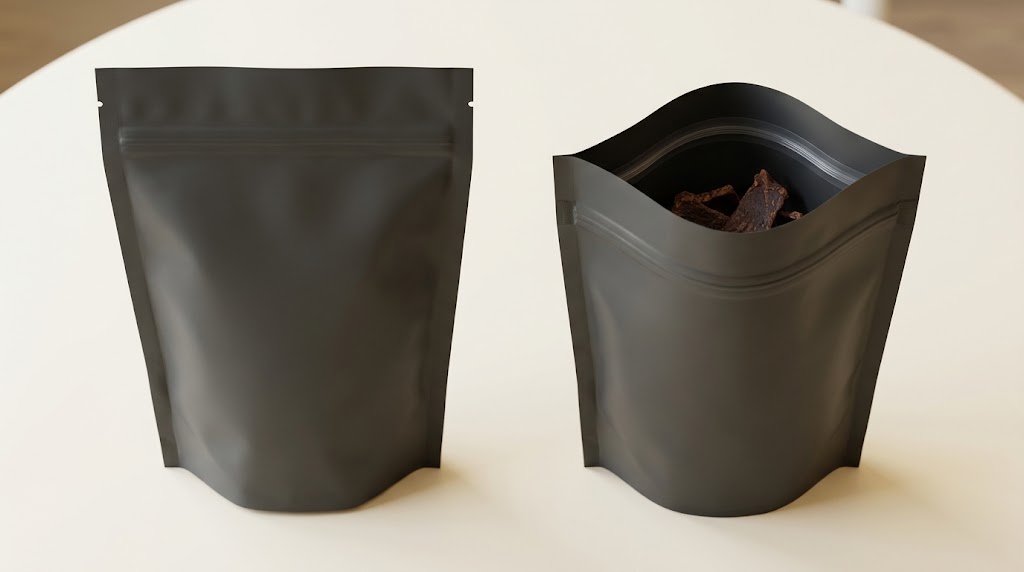
2. Establish the food specification before choosing the bag
Packaging selection becomes much easier when the food team can describe the product beyond “80 grams of jerky.” Ask about the recipe, drying process, water activity, piece size, surface seasoning, fat content and intended texture.
These details give the packaging trial a purpose. A soft product that must retain its chew presents a different quality question from a dry, brittle snack. A heavily seasoned product may also leave more particles around the filling area, which belongs in the sealing trial.
Water activity and moisture content answer different questions
FDA's explanation of water activity distinguishes the behavior of available water from total water content. Some water is bound within the food. A moisture percentage therefore cannot be used as a direct substitute for a water-activity measurement.
Use a measured specification established with qualified food-safety support. Keep the measurement method, sample handling and acceptance limits in the product documentation. Judging a strip by touch gives useful sensory information, but it cannot replace those measurements.
For US commercial production, the FSIS jerky guideline for small and very small establishments is a relevant process-development reference. Packaging work should follow a suitable food process; it cannot supply a missing lethality step.
Name the quality change you are trying to prevent
“Freshness” is difficult to measure consistently. Ask the product team to identify the changes that would make a customer reject the jerky: an unwanted flavor, excessive hardening, unacceptable softness, a color change or another defined defect.
For products where oxidation is a concern, MGC describes oxygen, heat and light as relevant factors in fat deterioration. This gives a reason to evaluate oxygen and light protection, while leaving the actual product limit to the study.
Write those endpoints before comparing bags. Otherwise, the trial can end with several opinions about which sample “seems better” and no agreed basis for choosing one.
3. Specify the complete laminate behind the word “Mylar”
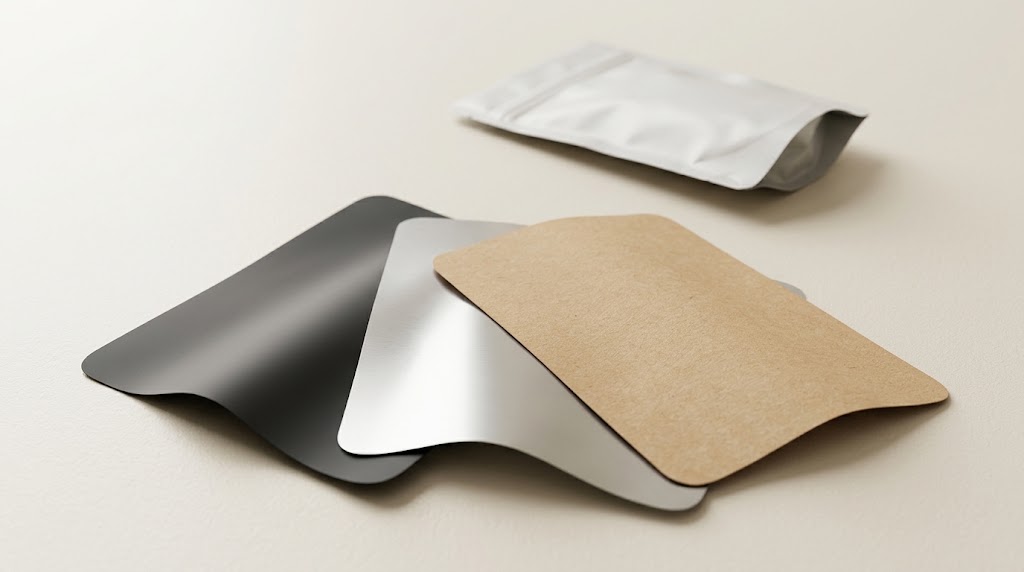
Mylar is a trademark used for polyester film. In packaging enquiries, buyers often use the name more broadly for barrier pouches. Ask the converter to identify the complete construction being quoted, including the food-contact sealing layer.
A silver inner surface does not tell you whether a pouch contains aluminum foil or metallized film. A kraft exterior does not tell you what sits behind the paper. Those differences matter when you compare performance, converting behavior and disposal claims.
The following structures are candidates for a technical discussion, not interchangeable shelf-life specifications:
Ask for layer thicknesses, total thickness and tolerance in the same quotation. If two suppliers use different abbreviations, get the materials written out. A named layer sequence helps you compare like with like and gives the laboratory an identifiable sample.
Keep the design version attached to the specification. A window, a different zipper or a change in pouch dimensions deserves an explicit review. For a windowed design, request information for that design rather than assuming the opaque version's data transfers unchanged.
Before ordering printed stock, request samples of the proposed construction. A sample makes filling and handling discussions concrete; the matching technical documents make its performance assessable.
4. How thick is the plastic on a beef jerky bag?
There is no single thickness shared by all beef jerky bags. The useful purchasing figure is the specified thickness of one wall of the complete laminate, with its tolerance and layer breakdown.
Confirm the units. A mil is one thousandth of an inch; it is not a millimeter. The conversion is exact: 1 mil = 25.4 micrometers (µm).
These values are not recommended jerky specifications. They illustrate how to reconcile quotations written in different units.
If a buyer measures a flattened empty pouch across both faces, the reading includes two walls. Measurements across a zipper, folded gusset or seal include still more material. Agree on how thickness will be measured before treating a spot check as a supplier discrepancy.
Use thickness alongside mechanical testing
Thickness alone cannot tell you how a finished bag will survive handling. Discuss the product's edges, the pouch construction, the secondary carton and the distribution route when selecting mechanical tests.
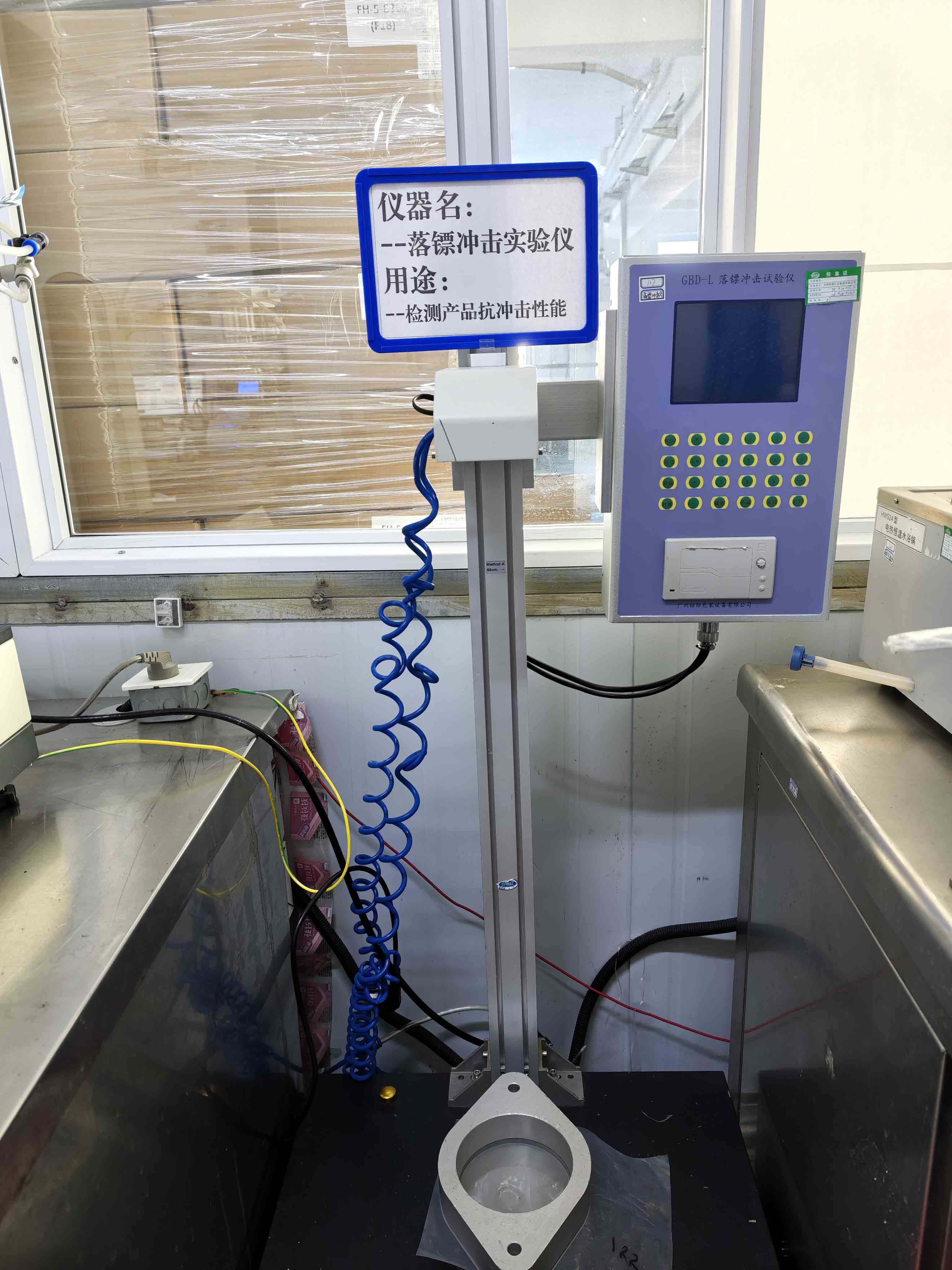
For example, ASTM D1709 concerns impact resistance of plastic film using a free-falling dart. A dart result answers that specific impact question. A sharp jerky edge pressing against a pouch wall is a different loading condition and may require a separate assessment.
When comparing samples, record what failed and where. “The bag broke” is much less useful than a photograph and a description showing whether damage started at a fold, the body film or a seal.
5. Read OTR and WVTR reports before comparing numbers
Oxygen transmission rate, or OTR, describes oxygen passing through a specified specimen. Water-vapor transmission rate, or WVTR, describes water vapor passing through it.
AMETEK MOCON explains that film results commonly use cc/m²/day for OTR and g/m²/day for WVTR. Complete-package measurements use package-based units. Temperature, relative humidity and the concentration difference across the specimen affect transmission measurements.
That makes the conditions part of the result. A lower number on one quotation is not enough to establish an advantage when the two samples were tested differently.
Ask the laboratory whether two reports are directly comparable. If they are not, request a comparison under an agreed method and conditions before making a purchasing decision.
A useful quote review also asks what is missing. Is the number a typical material value, a measurement from the supplied batch or a whole-package result? Has the report identified the actual construction being offered?
Barrier data supports material selection. Turning that information into a storage claim still requires evidence about the food in the finished pack. There is no generally valid conversion from one OTR number to “twelve months of jerky shelf life.”
6. Check the seal as a separate part of the package
For a typical retail zipper pouch, the initial heat seal closes the package for distribution. The zipper provides a way to reclose it after opening. Specify the intended sealing arrangement clearly so the production team knows which closure establishes the unopened pack.
Start with a clean sealing area and a pouch that accommodates the actual product. Long strips, irregular pieces and loose seasoning can make filling more demanding than an empty-bag demonstration suggests.
Build a sealing window on the intended equipment
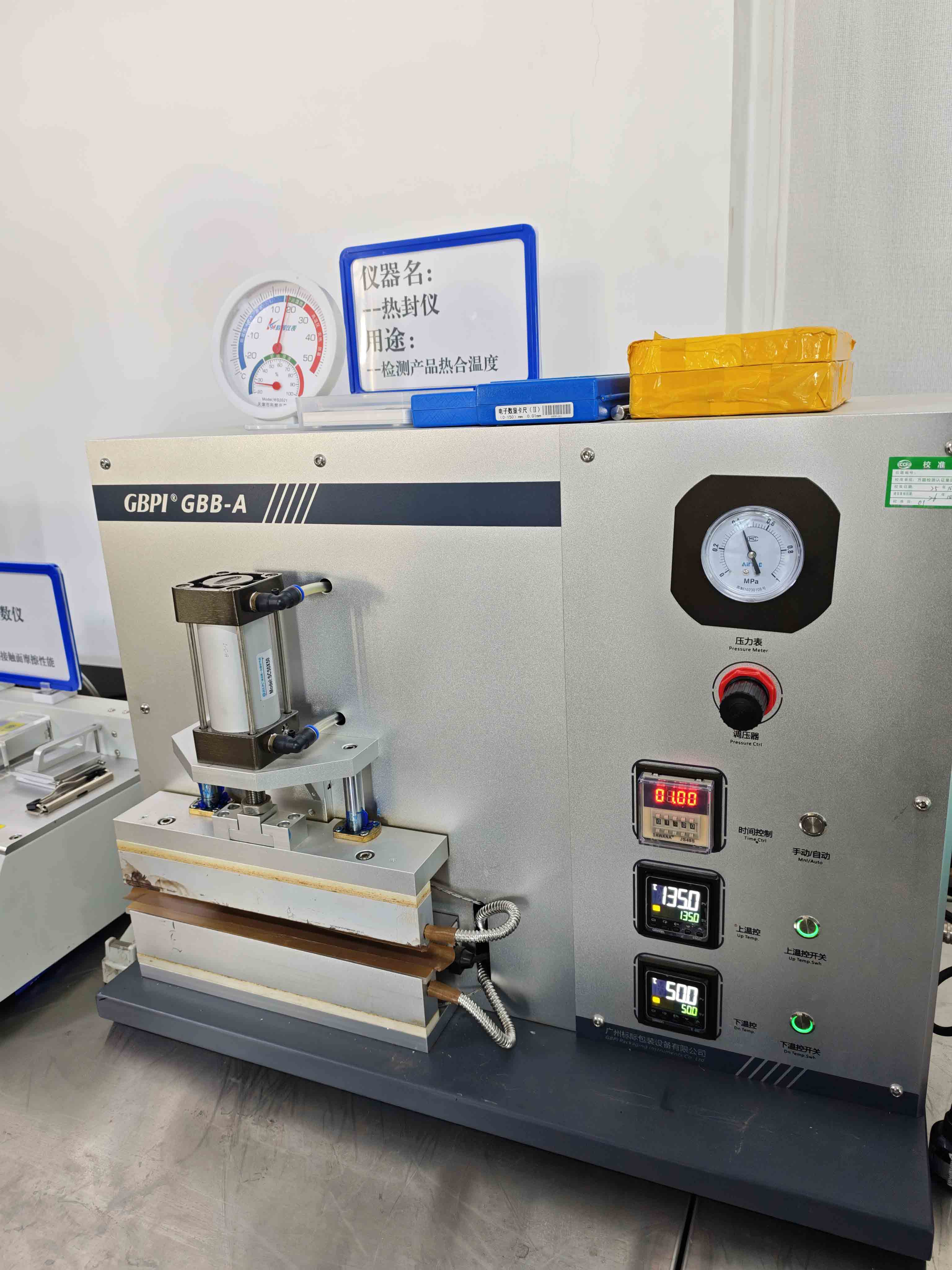
Ask the pouch supplier for starting conditions, then establish the acceptable settings on the packing line. Record temperature, dwell time or line speed, pressure where controlled, jaw configuration and cooling conditions as applicable.
Trial the combinations likely to occur during normal production. Include the actual fill quantity and product presentation. Retain the samples and settings together so a later inspection can be traced to the conditions that produced the seal.
Separate seal strength from leakage
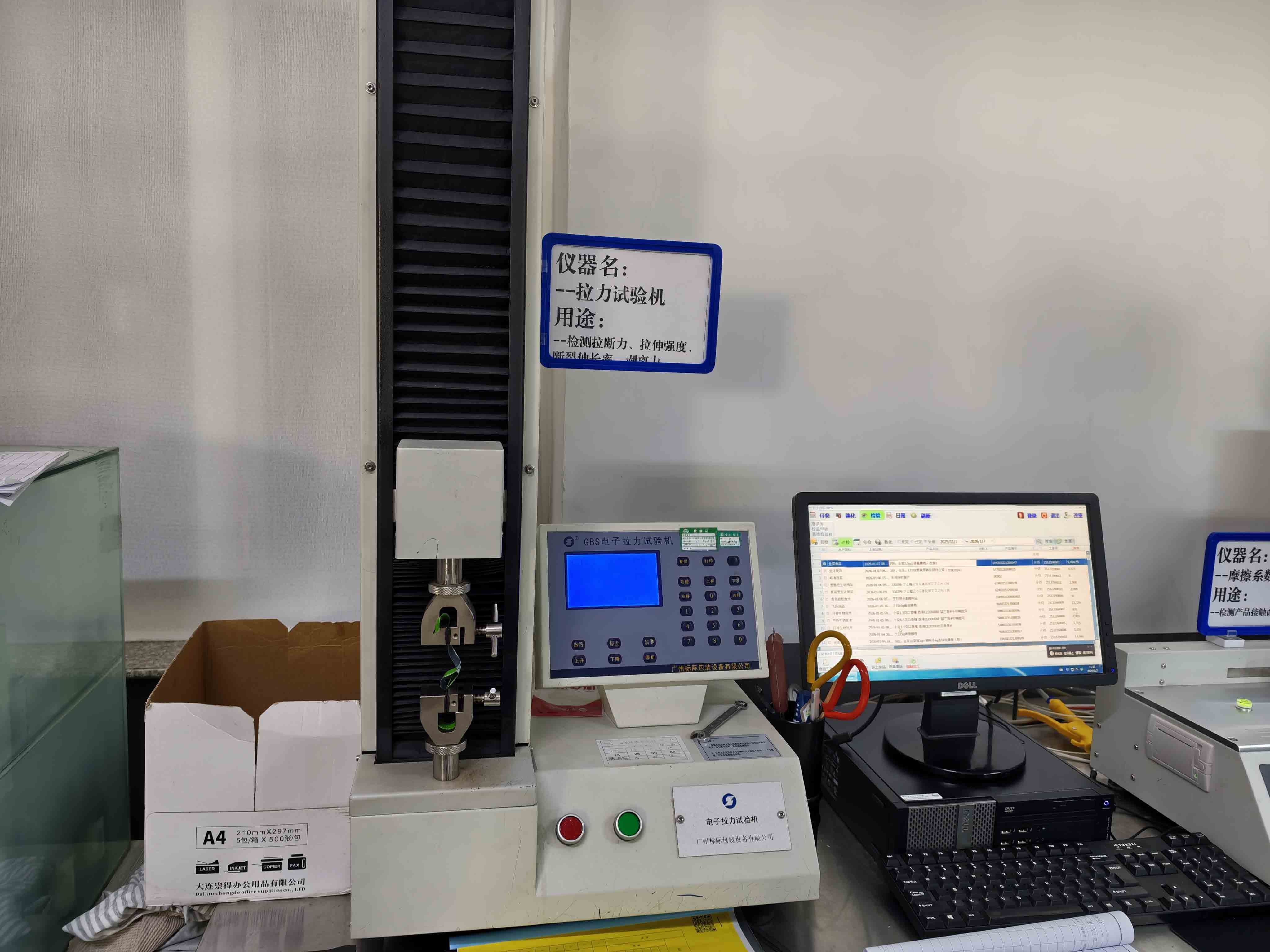
ASTM F88/F88M addresses seal strength in flexible barrier materials. Its public scope also explains why specimen handling and test technique matter when comparing results.
Keep the laboratory's method and specimen location with the measured force. A seal-strength result is useful evidence about the tested strip. Assessing leakage requires an appropriate integrity test as well.
AMETEK MOCON's testing services list permeation, headspace and package-integrity measurements as distinct services. Discuss the question with the laboratory first, then choose the test that can answer it.
7. Plan a shelf-life study that can support a decision
The Food Safety Authority of Ireland's shelf-life guidance treats validation as documented evidence that the food maintains its safety and/or quality through the stated period under foreseeable conditions. It also explains why there is no generic method that fits every food.
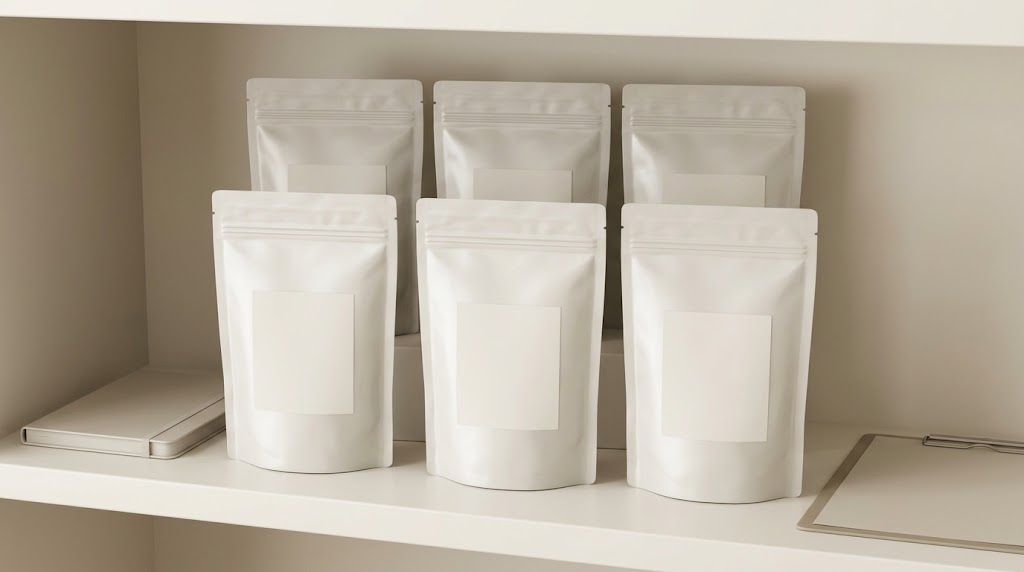
The following is a proposed project brief for a jerky brand. It helps the food team, packaging supplier and qualified laboratory agree on responsibilities. The laboratory should determine the scientific protocol and applicable acceptance criteria.
A. Define the claim and the decision owner
Write down the target storage period, market, unopened storage conditions and intended after-opening directions. Treat the requested duration as a study objective until the evidence supports it.
Name the person responsible for approving the final claim. Give that person access to both the food and packaging records. This avoids a purchasing decision being mistaken for shelf-life approval.
B. Freeze the sample description
Create a record for each trial version. Include the recipe revision, production lot, pouch construction, dimensions, fill weight, sealing settings and any gas or absorber system.
Give each change its own identifier. “Trial bag B” becomes difficult to interpret if the team quietly changes the sealant or the fill quantity halfway through the work.
For a first material comparison, you might compare two identified laminates while keeping the food lot, pouch format and packing procedure consistent. This is an experimental planning example; the laboratory should decide whether that comparison is adequate for your objective.
C. Agree on endpoints, samples and storage conditions
Ask the laboratory to propose the required food-safety measurements, quality evaluations, sampling points, replicate quantities and storage conditions. Explain the actual route to market, including warehouses, parcel shipping and retail display where relevant.
Set aside enough unopened units for the planned evaluations. Label each retained sample so it can be matched to its lot and storage location. Reserve additional units for investigation if the laboratory recommends them.
D. Keep the outcome interpretable
Record failures as carefully as acceptable results. If one pouch leaks, retain its identity and photograph the location before the team loses the evidence. If a quality change appears, connect it to the sample record instead of describing the whole trial as “stale.”
Ask what any accelerated test can support and what assumptions it uses. Do not assign a months-at-room-temperature claim from a short warm-storage trial without an appropriate, validated basis.
Use sensory assessment only within the laboratory's agreed procedure. Tasting questionable or unexpectedly swollen packs is not an investigation method.
E. Review the claim after changes
FSAI's shelf-life determination advice recommends periodic verification and highlights changes to the food or production process as reasons to revisit the work.
Maintain a change log covering the recipe, process and package. Send a proposed change to the person responsible for the study before adopting it. They can decide which evidence remains relevant and which checks need repeating.
8. A real 80g New Zealand biltong pouch: what the case can teach
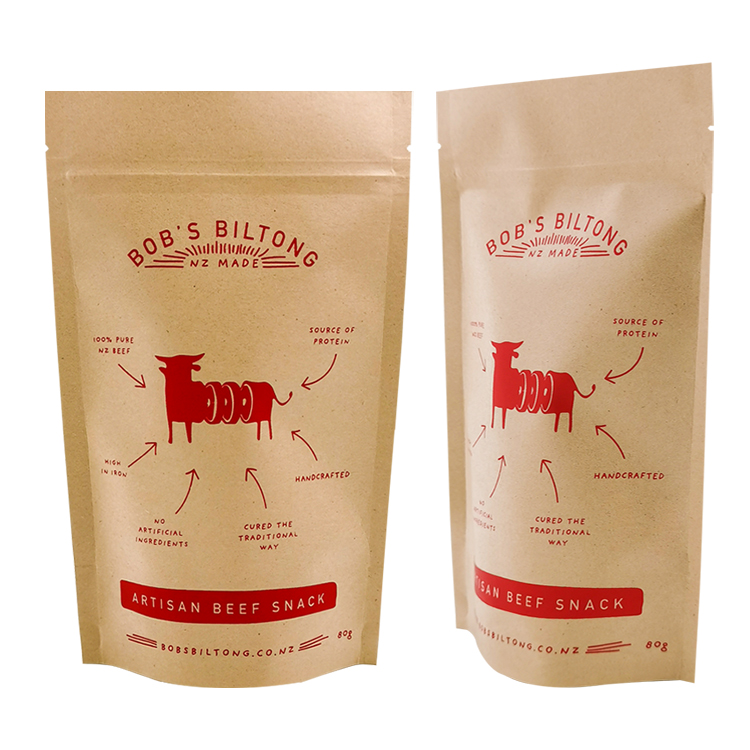
Our 80g kraft stand-up pouch case for a New Zealand meat-snack brand provides a concrete packaging example. The case records a resealable stand-up format, gravure printing and a MATOPP / kraft paper / VMPET / PE construction. The photographs show Bob's Biltong branding and an 80g pack.
Those details establish a real package to discuss. The available case record does not disclose validated storage duration, measured OTR or WVTR, residual oxygen, or an absorber specification. A shelf-life number cannot be inferred from the photographs.
Read the package as a set of engineering questions
The kraft layer contributes the visible paper character. The complete laminate also contains plastic and a metallized layer. A buyer seeking a similar appearance therefore needs to evaluate the supplied laminate as a whole.
The 80g declaration is a filling target. It does not tell us how much free space remains around the meat or how easily the sealing area stays clean. Trial filling with the actual piece size would answer those practical questions.
The zipper supports repeat closure. Its presence makes after-opening instructions relevant, especially if customers eat the contents across several occasions. It does not establish how many days the opened product remains acceptable.
A proposed follow-up study for this format
The table below is our suggested planning approach for a similar project. It describes work to commission, not tests reported by this customer.
For this New Zealand example, MPI's packaging guidance is also relevant: packaging selection needs to account for the food, conditions of use and shelf life. MPI specifically notes that a material change may require reassessment of the stated shelf life.
If your brief is similar, use this case to communicate the format and appearance you want. Then bring your own product and storage requirements to the custom beef jerky pouch discussion. That gives the sample request a clear purpose.
9. Why did my beef jerky bag expand?
An expanded bag requires context. Was it already pillowy when packed? Did its shape change during shipment? Is one pouch different from the others in the same lot?
Gas-filled flexible packaging can change shape when temperature or surrounding pressure changes. AMETEK MOCON discusses the effect of lower external pressure during altitude changes on package pressure. That physical explanation does not establish the condition of the food in a particular pouch.
Treat unexpected expansion as a reason to investigate. A consumer should avoid tasting the product and contact the manufacturer with the lot code and photographs. A brand should hold affected stock under its incident procedure and involve its food-safety team.
Useful investigation records include the packing condition, original package appearance, lot, storage history, affected quantity and whether the change is isolated or widespread. Preserve that information before opening samples under an agreed investigation plan.
Do not add a vent or reseal a suspect bag to make it look normal. Changing the appearance leaves the cause unresolved.
An oxygen absorber also cannot certify safety. MGC's precautions explain that oxygen removal does not suppress every microorganism. A packet inside the pouch provides no basis for dismissing an unexplained change.
10. Storage instructions should match the tested conditions
A finished package still needs a suitable storage environment. Write directions that a warehouse, retailer and customer can understand and carry out.
For a product approved for ambient storage, the study should define what that means for the intended market. Ask how foreseeable transport and retail conditions will be addressed. If refrigeration is required for the product or after opening, make that instruction clear on the pack.
Keep stored cartons away from conditions outside the approved brief. Avoid placing stock where heat, sunlight, dampness or physical damage can undermine the intended storage conditions. Monitor and record the conditions that matter to the product specification.
For stock rotation, track the product date and lot together with the package version. When a complaint arrives, the team should be able to identify which food and packaging records belong to that unit.
Make the after-opening message usable
Place it where the customer can find it after tearing the pack open. Check that tearing the top strip away does not remove the essential directions or the only legible lot code.
During a packaging review, ask someone unfamiliar with the design to locate the storage instructions. This simple check can reveal wording that is technically present but difficult to use.
11. Are plastic bags for beef jerky recyclable?
The answer depends on the complete package and the recycling system available where it is sold. A plastic-looking pouch, a silver lining or a kraft exterior is insufficient to decide.
For a US marketing claim, the FTC's Green Guides summary connects recyclable claims to the availability of suitable recycling facilities and explains when qualifications are needed. Check the current requirements for the market and the actual collection route before approving the wording.
Ask the supplier for an assessment of the whole design. Include the main film, coatings, adhesives, ink coverage, zipper and any other attached component. Request the relevant assessment or test documentation and the conditions attached to it.
A PE-based design may be worth investigating, but its material name alone does not establish collection acceptance or food-protection performance. Put both questions in the development brief.
For a proposed change, keep the current package as an identified reference. Compare filling, sealing and the relevant protection requirements, then have the food team assess whether the existing shelf-life evidence remains applicable.
If the recycling claim requires specific disposal instructions, make those instructions practical for the intended customer. Avoid a broad front-panel claim that the back-panel explanation cannot support.
12. Send a packaging brief that produces a useful recommendation
Before requesting a quote, assemble the information that will let a supplier recommend a sample worth testing:
- Product type, piece size, net weight and intended texture.
- Relevant food specifications available to the packaging and laboratory teams.
- Target unopened storage period and planned after-opening instructions.
- Sales market, distribution route and storage conditions.
- Current pouch specification and the problem you want to resolve.
- Filling and sealing equipment, plus any gas or absorber system.
- Desired format, appearance and recycling-related requirements.
Use the beef jerky packaging page to discuss the pouch format and request suitable material samples. Keep the final date claim with the evidence from your product's validation work.
Frequently asked questions
Can you store beef jerky in Mylar bags?
Yes, a suitable food-contact barrier pouch can be part of a jerky packaging system. Its construction, closure and storage conditions need to suit the actual product. For homemade or repacked jerky, keep the original preparation and handling history in mind; a new pouch does not establish a commercial shelf life.
How long does beef jerky last in Mylar bags?
There is no fixed duration determined by the bag name. Follow the label for commercial jerky. A brand developing a new product should validate its intended duration using the food and finished package. USDA's general jerky storage references are context, not a Mylar-specific performance guarantee.
How long does jerky last after opening a resealable bag?
Follow the manufacturer's after-opening instructions, including refrigeration when specified. A zipper allows repeat closure but does not recreate the original unopened pack. If the instructions are missing or unclear, ask the manufacturer instead of applying another brand's storage period.
How thick is the plastic on a beef jerky bag?
Thickness varies with the construction. Request the complete one-wall laminate thickness, tolerance and layer details. One mil equals 25.4 micrometers. Use thickness alongside barrier, sealing and mechanical evidence; it cannot independently establish how long the food will remain acceptable.
Why did my beef jerky bag expand?
Package shape can be affected by its original gas fill and changes in surrounding conditions, but unexpected expansion cannot be diagnosed safely from appearance. Avoid tasting the product, retain the lot information and contact the manufacturer. Businesses should hold affected stock for investigation.
Are plastic bags for beef jerky recyclable?
Some designs may be compatible with particular recycling systems, while other constructions are not accepted. Check the complete package and local collection requirements. Neither a kraft exterior nor a PE-based description is enough to support an unqualified recycling claim.