
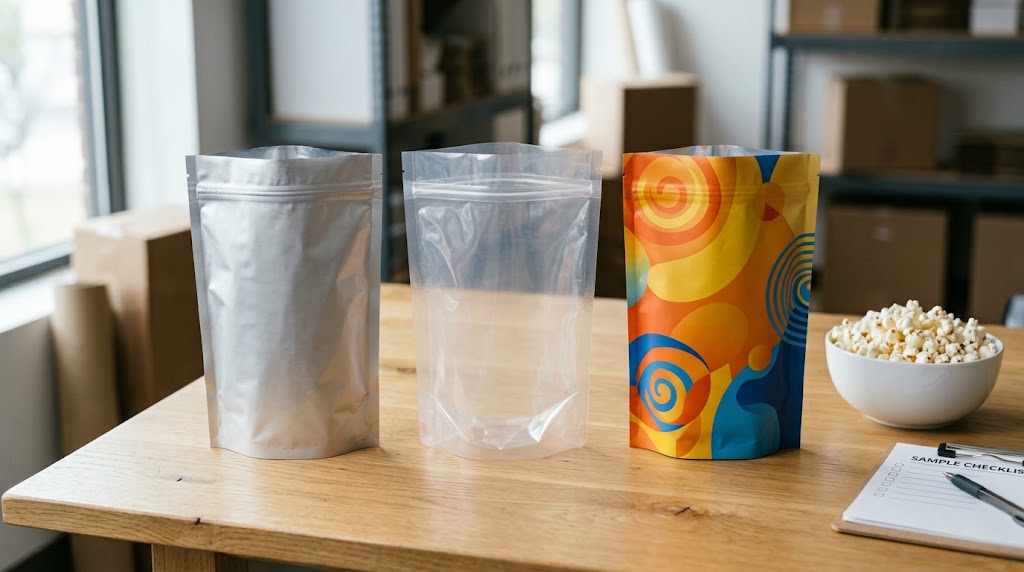
Searching for popcorn bags can lead to two very different products: bags that already contain popcorn, and empty bags that a food business will fill. If you are buying the packaging, start by stating that you need empty, food-contact bags for already-popped popcorn. Then say whether the product is handed over immediately, sealed for retail, or shipped to a customer. Those few words will eliminate many unusable quotes.
The short answer: small quantities of empty bags are commonly sourced from stock-packaging sellers or distributors. A flexible-packaging supplier can provide material and format samples; a converter or manufacturer can quote a custom printed pouch against a finished specification. For prepacked retail popcorn, buy samples before committing to volume. Check the actual filled shape, clean sealing area, food-contact documentation for the intended use, and how the finished pack behaves in your sales route. Compare total usable packs and approval evidence, not just the price of an empty bag.
This guide is for human-food popcorn that has already been popped. It does not address microwave cooking bags or the purchase of finished popcorn. Its emphasis is the empty retail pouch that a brand or co-packer will fill and close. An open paper serving bag appears as a limited comparison for immediate service.
Clarify What Kind of Empty Popcorn Bag You Need
“Popcorn bag” is an incomplete order description. A concession stand serving a fresh portion, a grocery brand packing a shelf-stable snack, and a subscription brand shipping pouches inside cartons have different requirements. Ask the buyer or marketer to finish the sentence: “This empty bag will hold ___ grams of ___ popcorn, be filled by ___, be closed by ___, and be sold through ___.”
The distinction between “bags of popcorn” and “popcorn bags” matters in search results. Queries such as “50 bags of popcorn” often seek 50 finished snacks. A packaging RFQ should state empty bags only, the desired quantity of bags, and whether they are unprinted stock items, material samples, or a custom production order. Do not use a price for 50 finished servings to estimate a packaging budget.
| Intended use | Typical question to settle first | Packaging sample to request |
|---|---|---|
| Immediate serving | How long will the filled bag be handled before consumption, and will oily seasoning touch it? | Food-contact serving-bag sample suitable for that use |
| Sealed single serve | What net weight fits without pushing product into the top seal? | Empty flat or compact stand-up pouch to test on the actual line |
| Sealed multi serve | How should the bag stand, open, and reclose after the first heat seal is removed? | Filled trial of a stand-up or other retail pouch; zipper only if needed |
| Retail plus parcel shipment | How many filled pouches fit the shipper without crushing the contents? | The retail pouch together with the proposed carton and pack layout |
The table is a decision prompt, not a claim that every listed format is in stock. A paper-like outside may be a laminate with a polymer food-contact layer. If you need a simple open paper serving bag, ask that supplier for its exact material and intended use. If you need a sealed branded retail pouch, look at popcorn packaging bag options and request the complete construction before assuming that a kraft appearance behaves like plain paper.
Choose a Buying Route That Fits the Decision You Must Make
The place to buy depends on what is still unknown. If you have a one-day event and need a small number of bags in hand, stock availability matters. If you are testing several recipes and pack sizes, access to representative samples and material information matters more. If the artwork, retail dimensions, closure, and repeated supply must match a specification, a custom project becomes relevant.
| Route | Useful when | Ask before paying | Main limitation to manage |
|---|---|---|---|
| Stock-packaging seller | You need an unprinted format quickly or want to screen a common shape | Exact dimensions, construction, food-contact use, available quantity, and how the top is closed | Stock dimensions and layers may change or may not match the final branded pack |
| Packaging distributor | You want several existing bag styles or smaller replenishment lots through one contact | Who manufactured each bag, which documents apply to the exact item, and whether a repeat order is the same construction | A catalog description can be broader than the individual product record |
| Specialist pouch converter or manufacturer | You have a defined retail pack, printing needs, and repeatable specifications | Samples, dieline, layer schedule, tolerances, food-contact documents, inspection criteria, and production change controls | Custom work needs artwork and sample approval before volume production |
| Co-packer's approved source | Your filling partner already uses a compatible line and approved bag | Whether the material and dimensions suit your popcorn, who owns tooling and documents, and who approves changes | “Works on this machine” does not prove your recipe's quality over its intended period |
These are route types, not endorsements of a particular merchant or a promise of a fixed minimum order. Request current stock, sample, and custom terms for your exact specification. A vendor can offer more than one route. The useful question is what evidence and flexibility the route supplies when your popcorn changes.
What “near me” can and cannot answer
If you search “where to buy popcorn bags near me,” a local seller may be convenient for a same-day event or a tactile sample. Its inventory and suitability depend on location and date; a general article cannot verify either. Bring the same checklist you would use for an online purchase. Read the item number and material description, measure a sample, fill it with your own product, and ask for applicable food-contact documentation. Convenience of pickup is one variable, not proof that the bag is appropriate for a prepacked retail period.
For a recurring program, confirm whether the local distributor can supply the same construction on a later purchase. If it cannot identify the converter or lock an item revision, you may need to validate a substitute each time. A short initial trial can still be valuable, provided you do not mistake it for long-term specification control.
Write a Short Specification Before Asking for a Quote
You do not need to be a polymer chemist to request a useful sample, but you do need to describe the job. A vague request for “high barrier popcorn bags” invites incompatible answers. A practical brief gives the supplier enough information to propose two or three defensible options and explains what you will test.
Start with the food: already-popped plain, oil-seasoned, or coated popcorn; intended net weight; approximate piece size and product bulk; planned unopened selling period; and known problems such as loss of crunch, oil transfer, coating stickiness, or breakage. Provide a representative normal production sample if the supplier can safely receive one. If recipes differ, say so. One attractive pouch photograph cannot approve all variants.
Next describe the pack:
- Format and display: flat, stand-up, or another pouch family; shelf orientation; outer-carton arrangement; whether a window matters.
- Dimensions and capacity: your tentative width, height, and gusset, plus a request to confirm usable filled volume. Net weight alone is not a universal pouch dimension.
- Filling and closure: manual or automated fill, approximate line conditions, first heat seal, optional zipper, tear notch, and area to reserve for the product to settle below the seal.
- Artwork: whether you need plain stock, a printed trial, or a production print; number of SKUs; safe space for dates, lots, barcodes, and required food labels.
- Delivery and repeat supply: first trial quantity, expected ongoing volume, ship-to location, desired timing, carton identification, and how changes to material or print will be communicated.
The exact dimensions will be settled by actual filling; Blog 3 in the cluster will handle the sizing method in depth. This article focuses on how to request samples and approve a purchase. For product formats, the site's stand-up pouch and flat pouch pages show relevant custom bag families, but only real samples tell you how your popcorn fits.
Ask for a construction sheet, not a material nickname
For each quoted bag, request a layer schedule, nominal thickness, food-contact surface, window structure, sealant, closure components, and intended food and temperature conditions. If WVTR or OTR figures are offered, ask which sample was tested, the units, method, temperature, and humidity. A flat-film figure cannot by itself describe the finished pouch at its window, gusset, zipper, and seams. You can compare data only when methods and conditions are understood.
In the United States, the FDA explains that the regulatory status of a food-contact material depends on the substances in the article and their intended conditions of use. Its component-status explanation and food-type and condition-of-use tables provide a way to frame supplier documentation questions. A coating, ink system, adhesive, window, and sealant may have different roles. The food business should check the actual structure and destination market with its qualified compliance team; “food grade” in a listing is not a complete answer.
Do not accept a claim that a zipper will keep opened popcorn fresh for a fixed period without product evidence. A zipper is an after-opening convenience. The unopened retail bag depends on its specified first closure and the full pack construction. In an RFQ, state whether the pack is single serve or multi serve; let that decision drive whether a zipper earns its space and cost.
Read a Real Popcorn Pouch Case as a Sample Record
A published case can show the sort of information a buyer should request, provided its limits are clear. Mylarbag's gourmet popcorn pouch example is described as a U.S. project with a matte black kraft-look stand-up pouch, clear window, MATOPP/kraft paper/PE, gravure printing, 15 × 22 + 4 cm, and a 140-micron description. These are visible design and stated construction details. They are not a ready specification for every popcorn brand.
If that case were a sample on your desk, the next questions would be concrete. What is the usable volume after reserving the first seal? What is the food-contact documentation for your seasoned or coated recipe and intended sales market? How is the window joined? What are the complete-pouch performance results and the conditions of those tests? What packaging equipment and closure method will you use? The public case page does not provide your product's net weight, packer's operating settings, or validated shelf-life report.

A kraft-look print may help a brand communicate a particular visual style. It does not establish that the finished laminate can go into a paper recycling stream, nor does its thickness alone prove grease or moisture protection. Ask for exact documents and a sample suitable for your own trial. Use the case as a conversation starter, not a shortcut around approval.
Inspect Empty Samples Before Committing to Volume
Keep sample evaluations fair. Request the same number of specimens from each candidate, record their item numbers and lot or revision, and check them with the same actual popcorn lot and fill target. If one candidate is plain and another has a large window or zipper, note the design difference; the test is no longer a film-only comparison.
Start with the empty bag. Check outer dimensions and gusset opening, trim, notch and zipper position if present, print alignment, window shape, and the completeness of preformed side and bottom seams. Look for creases, pinholes, delamination, scuffing, unexpected odor, or bags sticking together. One defect does not tell you a lot-wide rate, so agree on a sample size and decision rule before inspecting. Record the location and photograph clear examples.
Next use your normal product and filling method. Weigh several fills rather than a single show sample. Does the intended portion settle below the future top seal? Can an operator or machine load it without scraping the window or trapping bits of popcorn in the mouth? Does the filled bag stand or lie as expected on the shelf? How does it fit the planned shipper? These are buyer observations about filled-pack suitability, not measurements that the empty-bag supplier can certify in isolation.
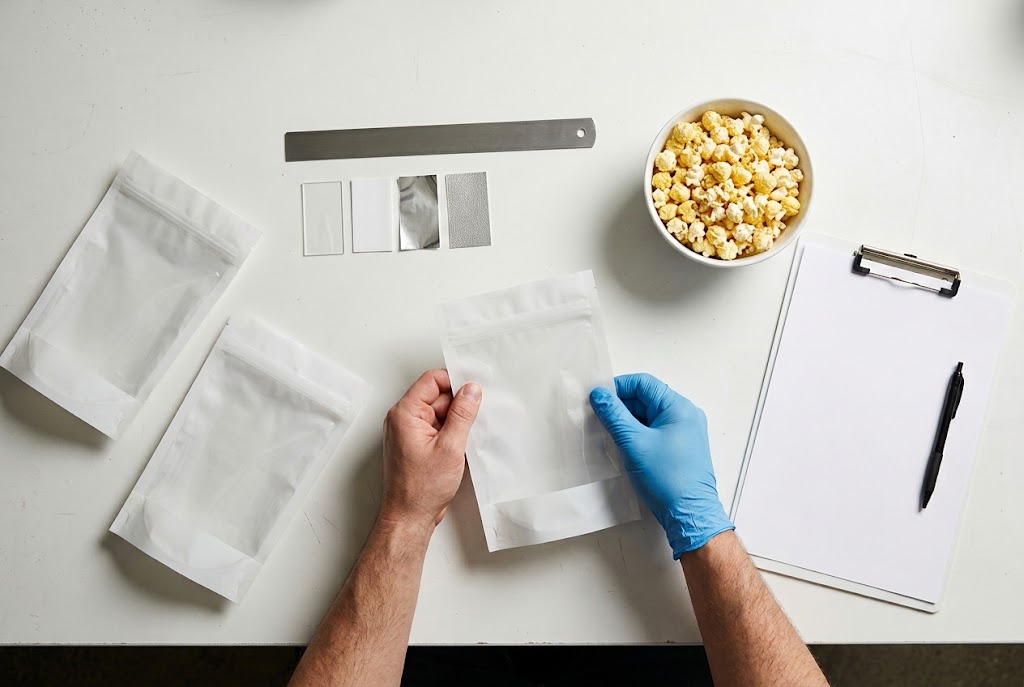
Keep an approval sheet with columns that answer a decision, not just a tick box:
| Checkpoint | Record from the supplied empty bag | Check with your product and line | Decision owner |
|---|---|---|---|
| Identity | Supplier item, version, construction, and sample lot | Match to the quoted and approved specification | Purchasing and quality |
| Dimensions | Width, height, gusset, tolerance, closure location | Actual net-weight fill, freeboard, shelf and carton fit | Packaging and operations |
| Material | Layer schedule, window, thickness, food-contact documents | Product contact, visible oil transfer, intended use conditions | Supplier and food-quality team |
| Seams and closure | Preformed seam appearance, zipper if any, sealant data | First seal on actual equipment, visual defects, relevant integrity checks | Packer and quality |
| Artwork | Dieline, print file version, barcode space, date-code area | Readability on a filled bag and on the retailer's display | Brand and label reviewer |
| Delivery | Bags per carton, identification, change notice | Receiving count, damage, and repeat-lot consistency | Purchasing and receiving |
The roles in the table can be combined in a small business, but the decisions remain distinct. A printer can confirm a dieline; it cannot sign off a recipe's allergen statement. A pouch maker can supply its construction and sample; the food producer must validate the filled product's quality and label.
Treat sealing as an actual equipment trial
Ask whether the pouch is supplied with an open top for your packer to heat seal and whether any zipper, notch, or hanging feature changes the usable sealing area. Run a short trial using the real equipment, product, and operating conditions. Photograph both acceptable and rejected samples. Look for trapped seasoning, powder, oil, wrinkles, and folds, especially near corners and a zipper termination. Do not assume a material recommended for heat sealing will close reliably with any jaw setting.
ASTM's F88/F88M-23 identifies a seal-strength method for flexible barrier materials. Ask a supplier or laboratory which method and specimen they used, then agree on acceptance criteria for the actual pack. A measured strength is not automatically a leak test or a shelf-life result. Use a suitable integrity check as needed for the product and line, and keep the tested specimen tied to its construction and settings.
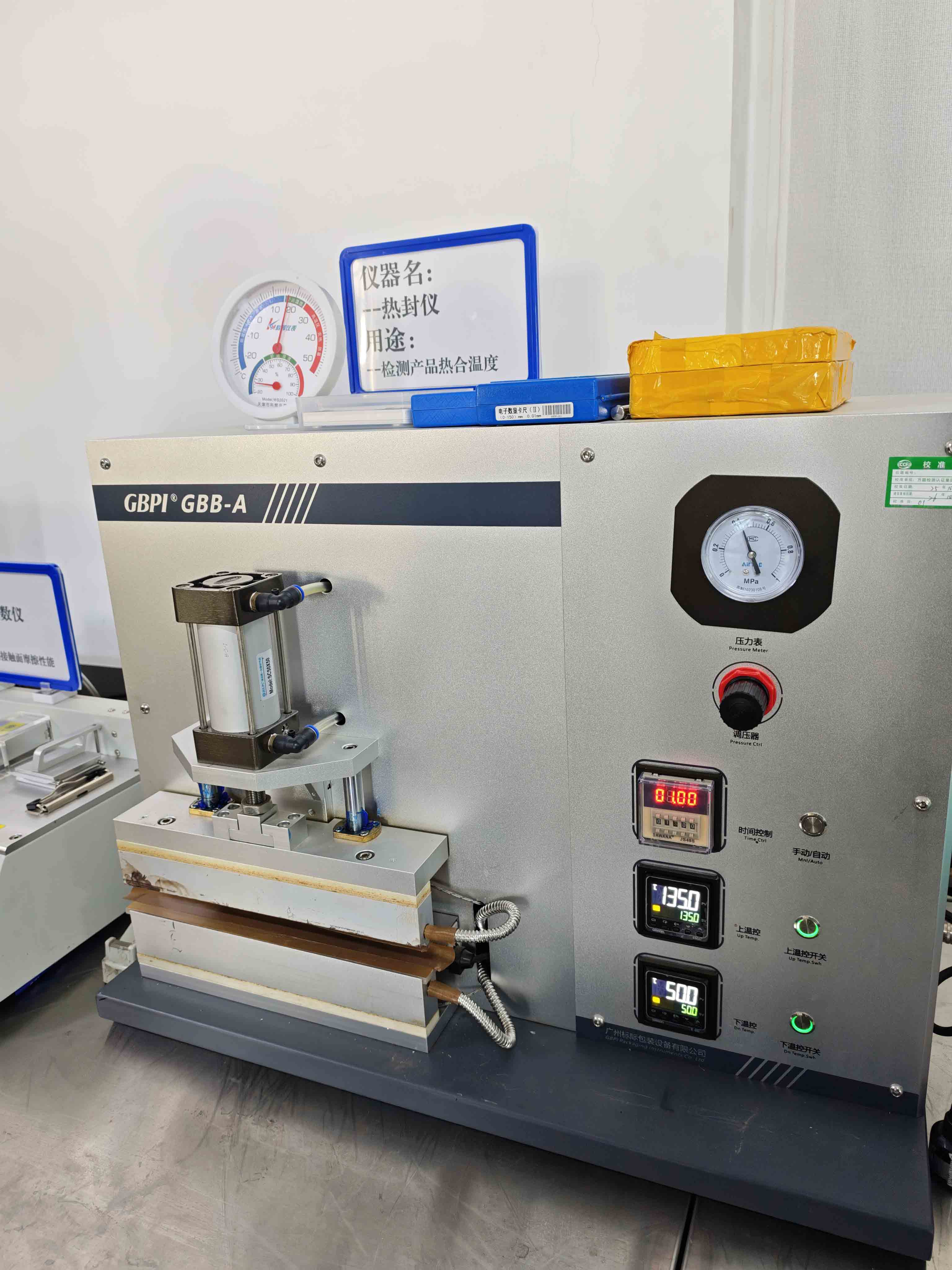
If samples fail, describe the failure before buying a thicker film. A dirty top seam may call for more fill clearance or a different filling path. A clean seam that peels may need a sealant or equipment-setting review. A torn gusset may require a different geometry or handling plan. The best corrective action is the one that addresses the observed defect and can be repeated in production.
Compare Quotes on the Same Approved Specification
The cheapest line item is not necessarily the least costly pack. Place supplier offers side by side using the same dimensions, material construction, print, sample stage, approval criteria, quantities, and delivery location. Ask what is included in a proof, what changes incur new tooling or setup, how a rejected sample is handled, and what notice you receive if a layer or supplier changes.
| Compare | Questions that prevent a misleading comparison |
|---|---|
| Unit price | Is it for the same finished pouch, closure, window, print coverage, and quantity? |
| Sample and proof | Is the sample a stock shape, a material swatch, a printed mockup, or a production-equivalent pouch? |
| Setup | Are artwork preparation, plates or cylinders, digital proof, and revisions included or separate? |
| Quality | What inspections, dimensional tolerances, lot identification, and defect remedies are documented? |
| Delivery | How many bags per carton, what is the quoted ship-to point, and what happens if cartons arrive damaged? |
| Repeat order | Is the construction locked, and will the supplier notify you before changing film, sealant, window, or print? |
Ask for a written quote with a date and validity period instead of copying a public MOQ or lead-time banner into your plan. Costs and capacity vary by construction, artwork, quantity, and scheduling. You can calculate a useful internal cost per accepted, usable pouch after receiving and line trial, including rejects, rework, and additional handling. That is a better purchase measure than a low nominal unit price that produces frequent sealing or filling stops.
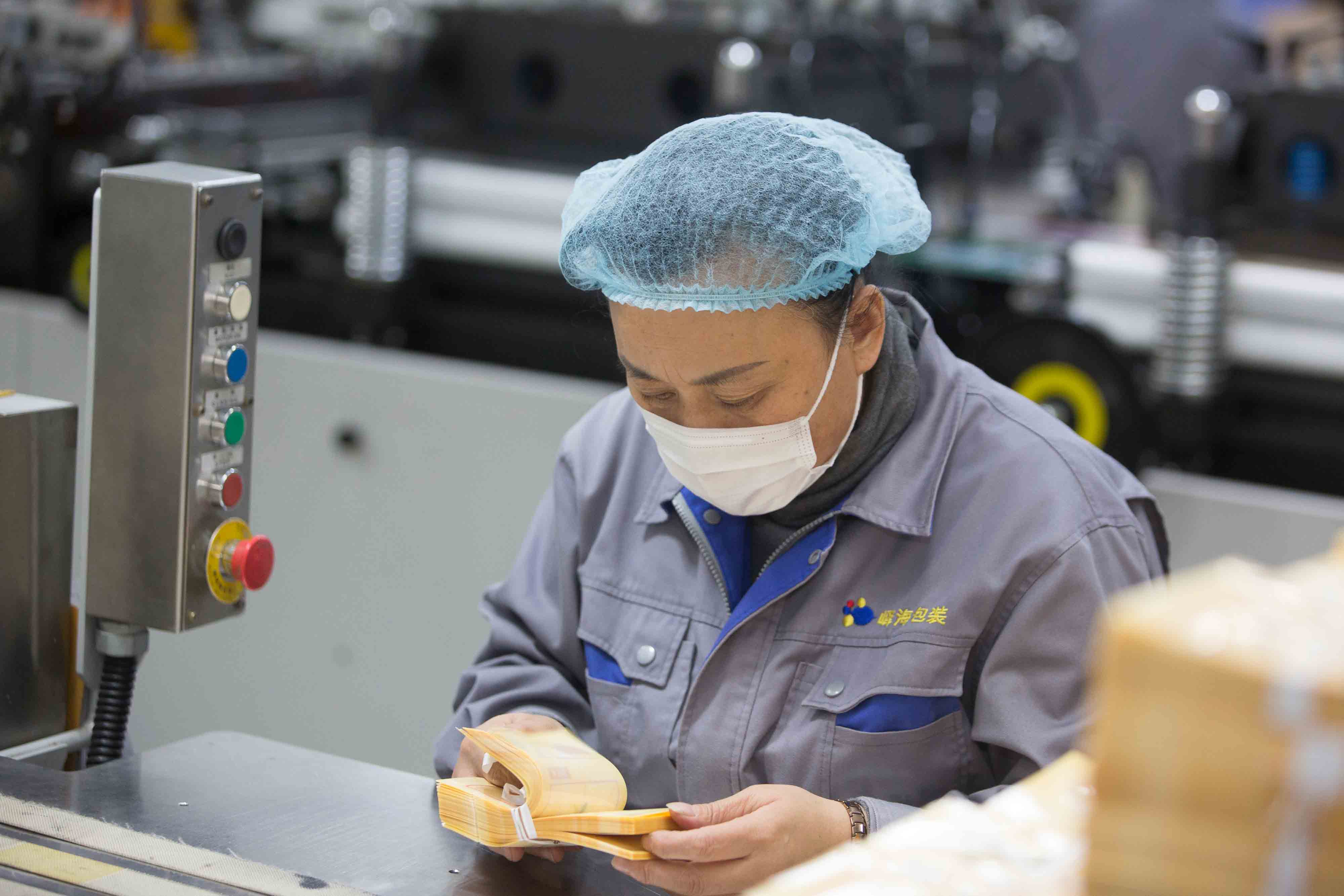
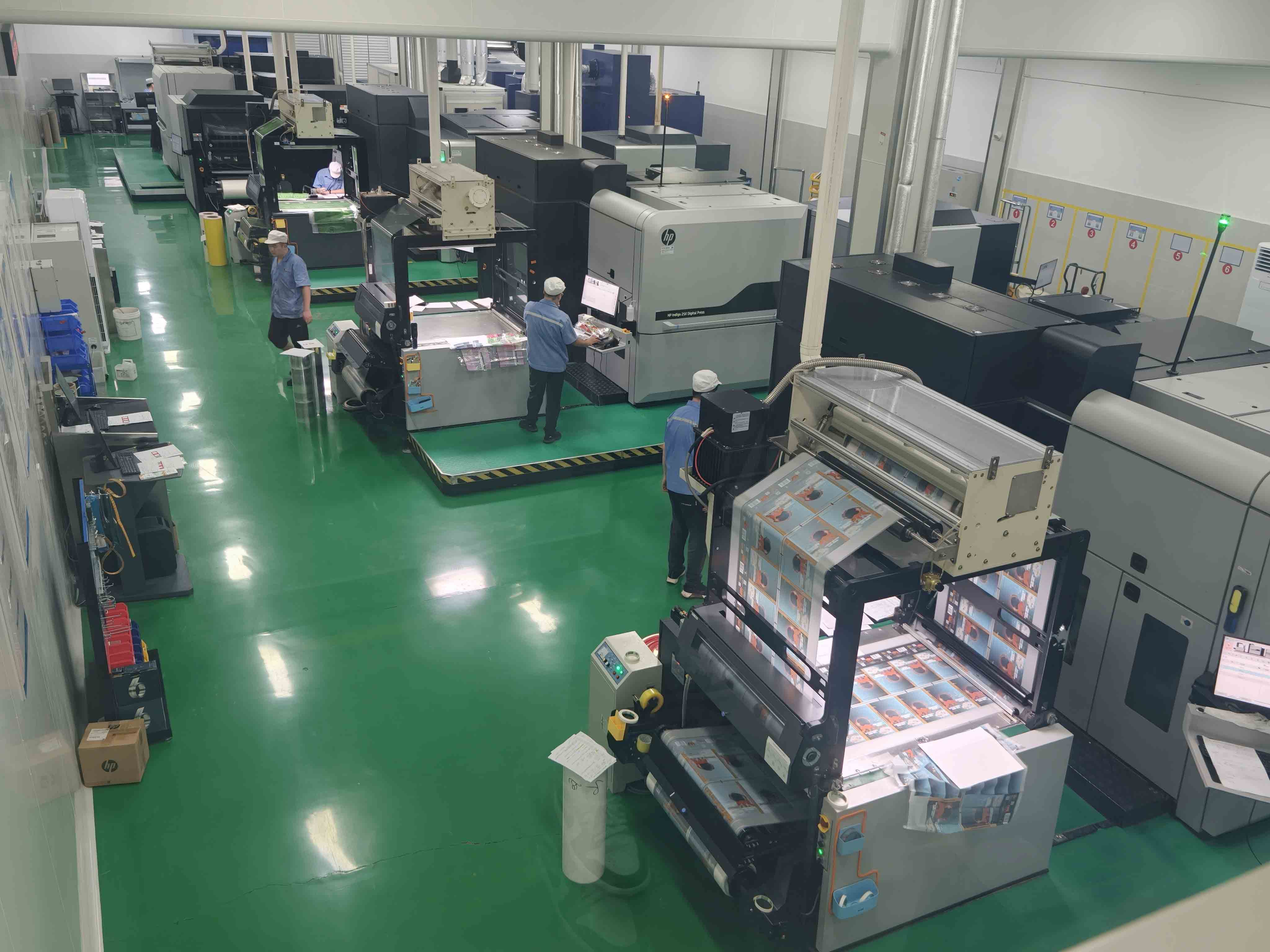
Custom printing deserves an approval stage, but do not let the visual proof stand in for a functional sample. A digital proof may confirm artwork placement without replicating every property of the production film; a production-equivalent print sample may be needed for critical color or readability. Confirm the process actually quoted. The public gourmet popcorn case lists gravure printing, while the factory's digital printing equipment is a separate capability, not proof that the case used it.
Inspect the Delivered Bags and Control Later Changes
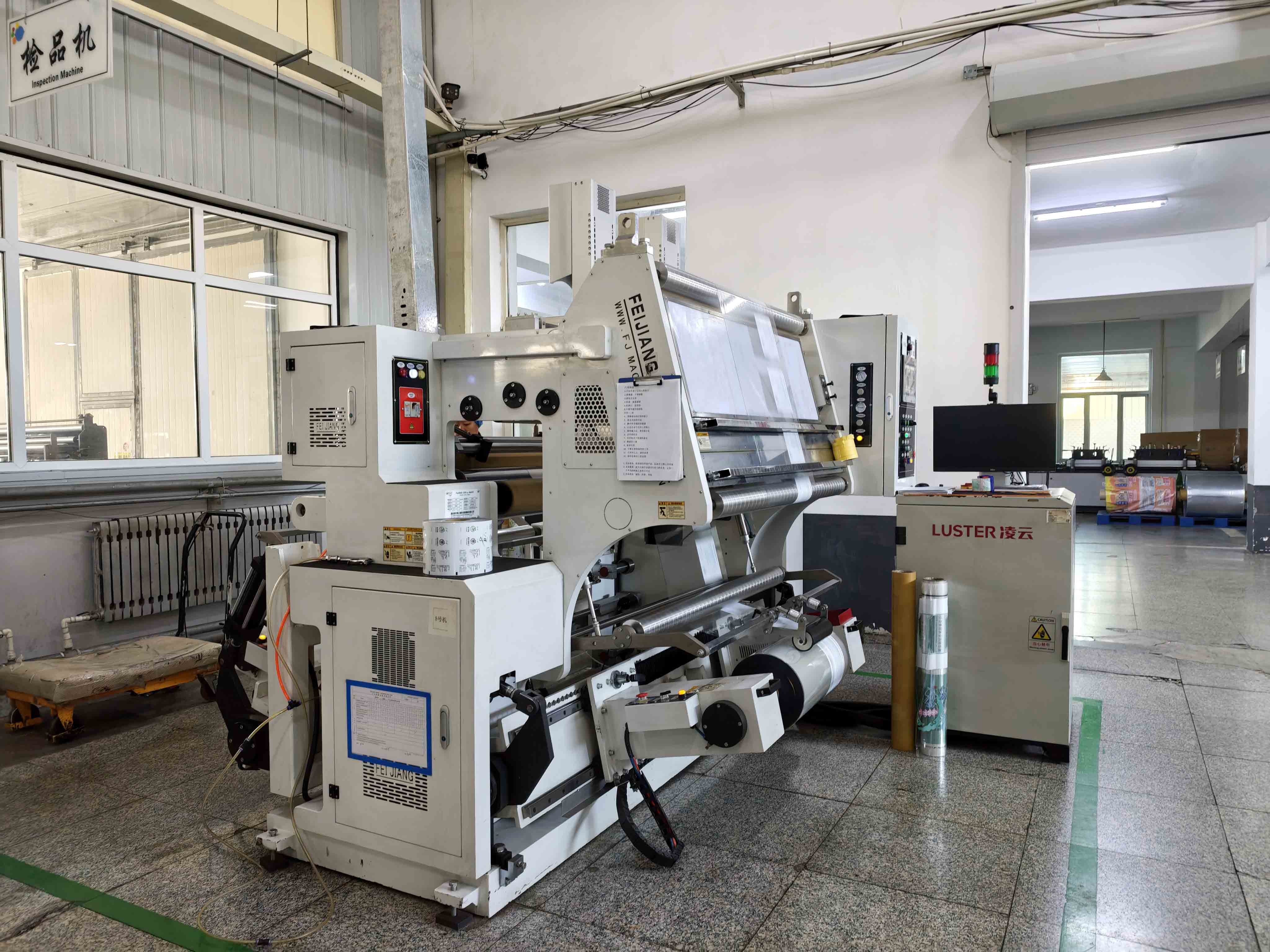
Samples answer whether a design can work. Receiving inspection asks whether the delivered bags match the approved design. Before bags arrive, agree on a receiving plan suited to order size and risk. It may include carton count, item and lot identification, representative dimensional checks, print and barcode review, visible seams and windows, contamination or odor observations, and a sample sealing trial. Keep one approved reference and the documents needed to connect it to the order.
If a carton is wet, crushed, or lacks the agreed identification, isolate it for review instead of silently mixing it with good stock. If dimensions, print, or closure differ from the approved sample, record the deviation and ask the supplier to identify the revision. The food producer decides whether to use, rework, or reject a lot under its quality procedure; the bag supplier should help investigate construction and converting deviations.
Repeat orders need change control. A new window film, different sealant, altered zipper position, or another ink and laminate construction can change how a bag fills, seals, or carries its artwork. Ask for notice before a substitution and determine which trials must be repeated. Keep the old and new specifications, material documents, and filled samples together. A familiar product code on a carton is not enough if its contents changed.
This record also helps a small brand scale. A first launch can start with a tested stock pouch and applied label. As volume grows, custom printing may become worthwhile. Preserve the product and pack acceptance criteria during that transition, then compare the printed production-equivalent bag against the approved stock baseline. Do not assume an artwork upgrade automatically preserves the earlier material performance.
Send a Supplier Brief That Produces Useful Samples
You can get a productive response without naming a preferred film. Send the product type and photographs, recipes or coating categories, net weights, estimated filled volume if known, sales and shipping route, desired unopened period, filling equipment, first-seal method, proposed formats, window and zipper needs, label and print plans, target market, sample quantity, and anticipated repeat order. Mark what is fixed and what you want the supplier to propose.
Ask each supplier to identify the quoted bag and send its layer schedule, dimensions with tolerances, intended food-contact documents, relevant barrier data with test conditions, a dieline where applicable, and actual empty samples. Plan a filled-pack trial before volume approval. The Mylarbag popcorn packaging page can receive a specific pouch inquiry after you have this brief. Your product team should still approve the actual filled pack, label, and selling period.
Frequently Asked Questions
Where can I buy empty popcorn bags?
Try a stock-packaging seller or distributor for an existing unprinted format, or a flexible-packaging converter or manufacturer for samples and a custom specification. Say “empty bags for already-popped popcorn,” then give the net weight, closure, selling route, and quantity. Compare the actual item documents and trial samples before ordering at scale.
Where can I buy individual popcorn bags?
If you mean empty single-serve pouches, ask for a compact flat or stand-up sample to fill at your intended net weight. If you mean individual filled servings, you are searching for a finished snack rather than its packaging. The difference changes the supplier, quote, and food-labeling responsibilities.
Where can I buy paper popcorn bags?
First decide whether you need an open serving bag or a sealed retail pouch with a paper-like exterior. These can have very different layers, closures, and uses. Ask for the exact construction, intended food contact, and a sample. A kraft appearance does not prove that a laminate is pure paper or accepted in a paper recycling stream.
Are popcorn bags available near me?
That depends on your location and current local stock. A local seller can be useful for quick pickup, but this article cannot verify live availability. Check the item number, construction, food-contact documents, and repeat supply, then fill and seal a sample before treating it as a retail packaging solution.
Who sells popcorn bags wholesale?
Packaging distributors, specialist converters, and manufacturers can quote wholesale quantities of empty pouches. Compare them on the same approved structure and bag dimensions, not on the word “wholesale.” Ask what samples, artwork proofs, tolerances, inspection records, and change notices are included in each offer.
Can I buy a generic “food-grade” pouch and start selling?
The label “food grade” is too broad to approve an intended food-contact use. Ask for the actual construction and documentation for the intended food and conditions of use. Then confirm that your product fits, your equipment makes a sound first seal, and your food business has completed its label and filled-pack checks.
Do I need a zipper on an empty popcorn pouch?
Only if a reseal function is useful for the way customers consume the product. A zipper takes space and may affect fill and artwork. The initial retail closure still needs its specified first seal. Test a filled zipper sample for opening and reclosing rather than assuming it will preserve a particular quality period.
How many samples should I request?
Request enough of each candidate to measure variation, run several normal fills, produce acceptable and rejected seal examples, and check display and shipping fit. The right number depends on your line and risk; one photogenic sample is not a validation. Agree on sample identity, version, and acceptance criteria before testing.
Does a 4 oz or 5 oz label specify the bag size?
No. It states a net weight for the product, while popcorn's volume changes with piece size, coating, and packing method. Fill candidate bags at the real weight and preserve a clean first-seal area. Do not use another brand's width and height as a universal dimension.
What should I check when my wholesale order arrives?
Verify carton count and identification, bag version and lot, dimensions, print, windows and preformed seams, visible defects, and any agreed documentation. Seal a representative sample on the actual packing setup. Record discrepancies before mixing the new lot with approved stock.
Can I use a published popcorn pouch case as my final specification?
It can provide a realistic format and a list of public construction details. It does not disclose all of your recipe, net fill, line settings, relevant food-contact review, whole-bag test results, or product shelf-life data. Request a comparable sample, document the differences, and approve your own filled pack.