
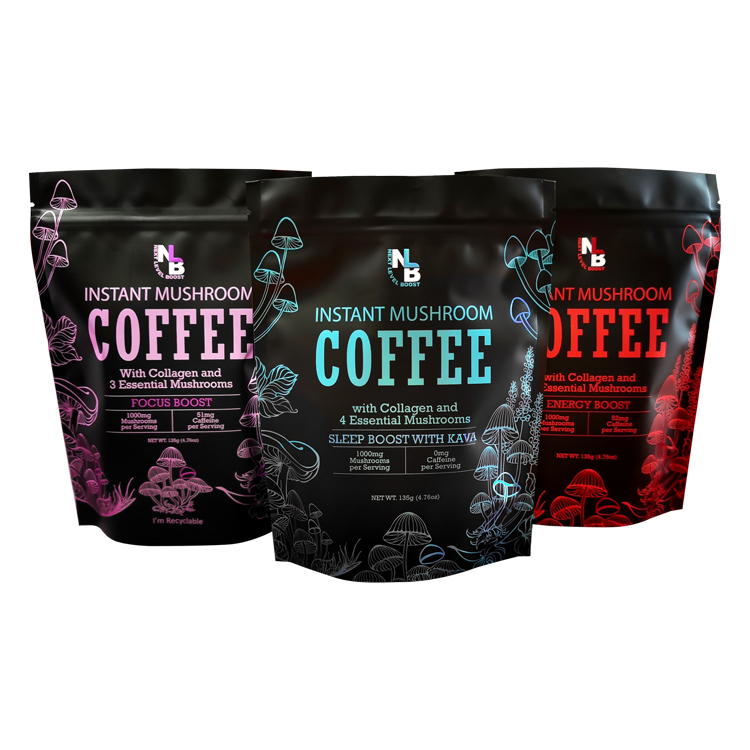
Coffee bags are not made from one universal material. Published coffee-pouch projects on Mylarbag list structures such as MATOPP/VMPET/PE, MDOPE/PE, white kraft paper/PLA, and MATOPP/PMP822/CPP. Each is a recorded project configuration, not a ready-made answer for every roaster. The right material brief starts with the coffee, fill, pouch format, closure, packing process, target market, and the environmental claim you can actually support.
For a buyer, the practical question is not simply “Which material is best?” It is “What needs to be true of the finished pouch for this coffee line?” That shifts the discussion away from vague labels and toward the full package: film structure, zipper, valve, printing, finish, filling process, and the evidence needed before making a recyclability or compostability claim.
This is a procurement and specification guide for roasters. It is not a local recycling lookup or a consumer disposal guide. Its purpose is to help a buyer put the material, closure components, and claim question into one brief before selecting a pouch.
What Are Coffee Bags Made Of?
Many custom coffee bags are flexible pouches made from more than one material or component. A public project record may list a material string such as MATOPP/VMPET/PE. Another may list MDOPE/PE or white kraft paper/PLA. Those names help identify the construction being discussed, but a material string alone does not tell you whether the same structure is suitable for a different coffee, packing line, market, or environmental claim.
When reviewing a pouch specification, ask the supplier to identify the whole package rather than only the film:
This is why a bag that looks like kraft paper may still need a closer look at its inside structure. A pouch that looks like a conventional glossy or matte plastic bag may have a different material combination from another pouch in the same color. Surface appearance is only one visible part of a flexible package.
The same point applies to “mono-material,” “recyclable,” “compostable,” and “plastic-free” language. These are not interchangeable descriptions. They may be appropriate for a particular published project or a particular market claim when supported by current documentation. They should not be copied from one bag to another without checking the full component list and the project conditions.
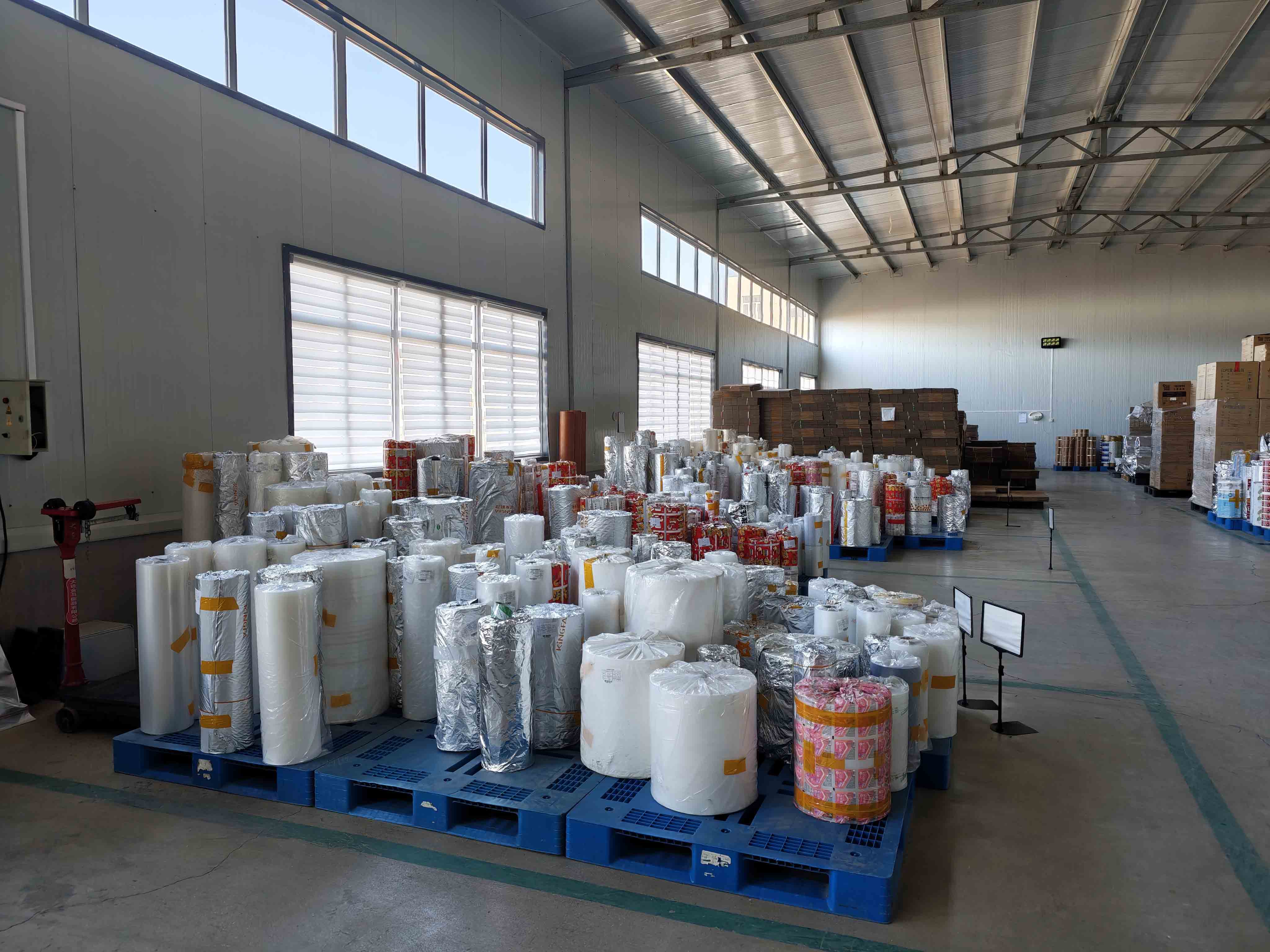
Read a Coffee-Bag Material Listing as a Project Record
Material shorthand can look technical, but the most useful first step is modest: read it as a record of what was listed for that project. Do not turn it into a universal recipe.
For example, the published projects below record several very different structures and pouch formats. The table does not compare performance. It simply shows why coffee-bag material decisions cannot be reduced to one material name.
No row is a winner by itself. A buyer needs to compare like with like. A 1kg side-gusset bag for whole beans, a 12oz flat-bottom retail pouch, and a stand-up pouch for a coffee powder may all belong to the coffee category while raising different questions about fill, format, opening features, artwork, and target market.
Ask for the description behind the abbreviation
Material abbreviations are useful for keeping a quotation and a sample record precise. They are not a substitute for asking what the quoted pouch includes. Before approving a structure, request a clear project description that identifies:
- the proposed pouch format and target fill;
- the material structure as quoted;
- the presence and location of a zipper, valve, tear feature, or other closure;
- the planned print and finish discussion;
- the filling and top-sealing process to be evaluated; and
- the market and any environmental wording or documentation that needs review.
It is a short list, but it prevents a common sourcing mistake: approving a material name first and discovering later that the opening feature, finish, or claim discussion was never included in the same brief.
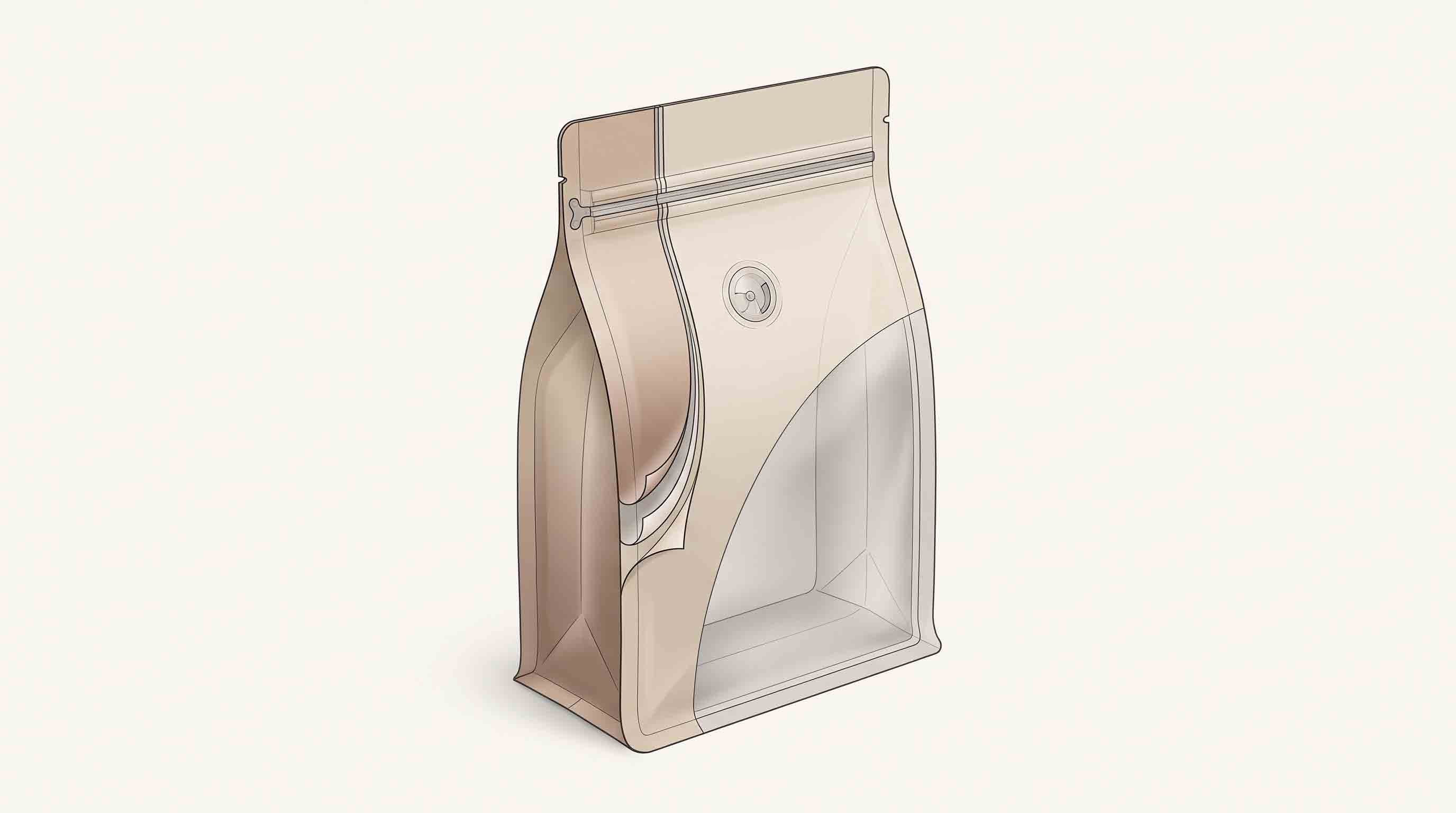
Conventional Multi-Material Structures: Use the Actual Sample, Not a Shortcut
MATOPP/VMPET/PE appears in several published coffee-pouch records on Mylarbag. The same kind of notation is found on different pouch formats, including a 12oz flat-bottom pouch and a 500g side-gusset pouch. That is useful evidence that the notation describes a real project configuration. It is not evidence that every pouch with a metallized-looking surface, a matte finish, or a valve has the same construction.
For a B2B buyer, the practical questions are more specific:
- Is the quoted structure the one shown on the approved sample?
- Is it paired with the pouch format, zipper, valve, and opening path you have selected?
- Is the coffee whole bean, ground, instant, or another format?
- Does the planned fill leave the upper pouch area needed for the first seal?
- Are any sustainability claims being considered for the whole finished pouch, rather than only one visible layer?
You do not need to treat conventional and sustainable as a binary choice. A conventional multi-material structure may be a documented option for one project. A mono-material or compostable structure may be a documented option for another. The job is to identify what you are asking the pouch to do and then evaluate available structures for that actual project.
Do not rely on a product photograph alone. A matte black bag, a kraft-looking bag, and a white flat-bottom pouch can all look straightforward from the front. The visible front panel does not tell a buyer everything about the construction, closure components, or claim basis.
The material string must travel with the sample
When you receive a pouch sample, keep the material description with it. Do not separate the sample from its project notes and later try to identify it by color or shape. If the project moves from a stand-up pouch to a flat-bottom pouch, or adds a zipper or valve, update the record rather than assuming that the original material note still describes the finished package.
This is also a useful handoff between a roaster, designer, and packing team. The designer may be working on panel layout. The packing team may be checking how the filled pouch is handled before the first top seal. The buyer may be reviewing the environmental wording. They all need to be looking at the same current pouch specification.
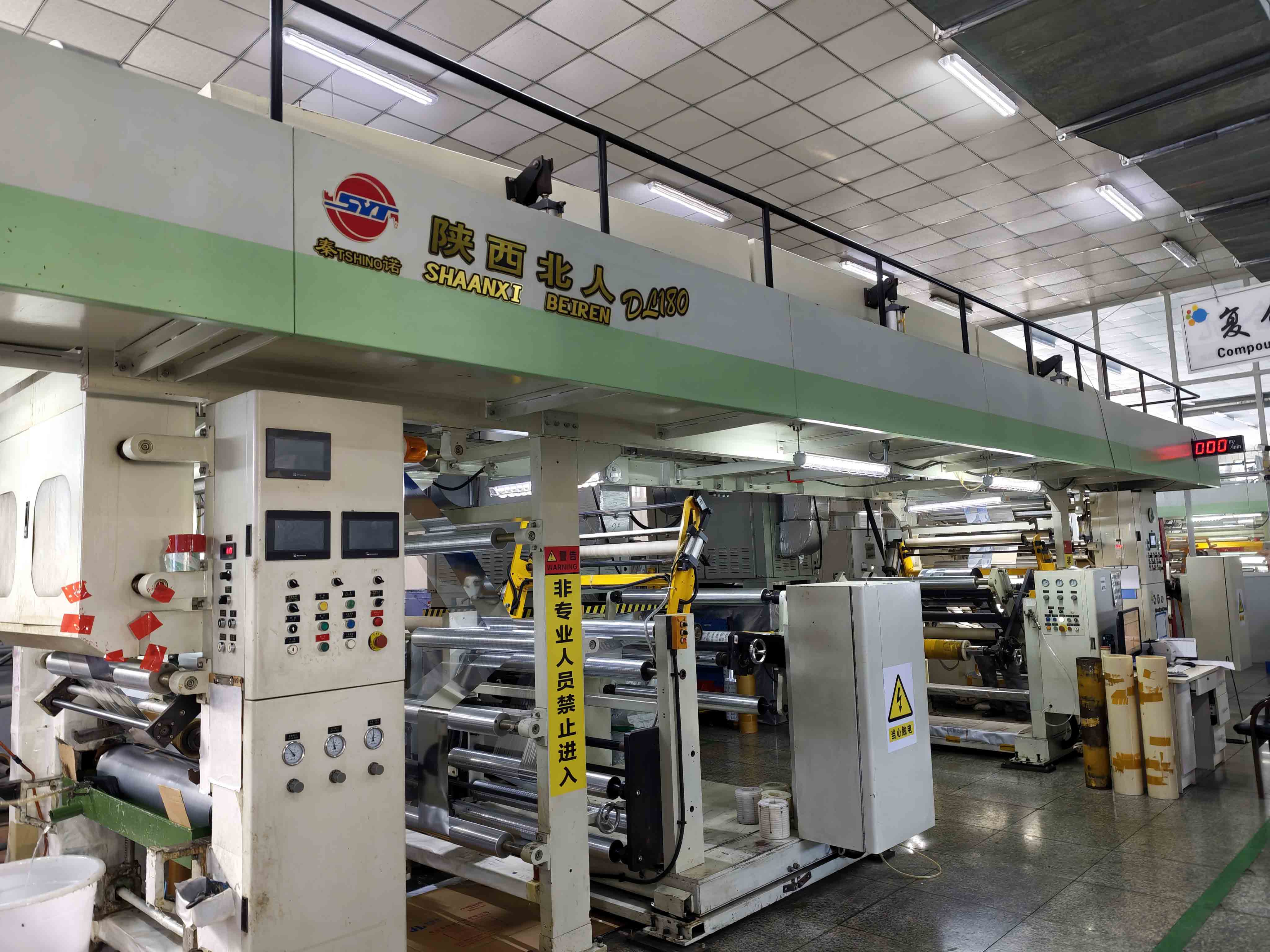
Recyclable Coffee Bags: Start With the Whole Pouch
“Recyclable coffee bag” is a project question, not a conclusion that can be reached from one word in a product title. A buyer needs to review the quoted material structure, the valve, the zipper, the finish, the target market, and the evidence available for the intended wording. A single material family in the pouch body does not settle every one of those questions by itself.
One published Mylarbag record is a 1kg side-gusset coffee bag described as MDOPE/PE with a PE valve. Another is a 270g mushroom-coffee stand-up pouch listing MATOPP/PMP822/CPP and foil stamping. These are useful examples of recorded projects that can start a component discussion. They are not permission to state that every pouch using similar abbreviations is accepted by every local recycling program.
If a coffee brand plans to make a recyclability claim, the responsible order of work is:
- Define the target market and intended claim wording.
- Confirm the complete material and component list for the quoted pouch.
- Identify what documentation, programme requirements, or local conditions need to be checked for that market.
- Review the final pouch, including closure features and visible finishes.
- Keep the claim tied to the documented project rather than generalising from another product photo.
The environmental message belongs in the same approval sequence as pouch format and artwork. It should not be added as a last-minute badge because a material looks simpler than a foil-laminated pouch.
A mono-material record is still only a starting point
The value of a public MDOPE/PE or PP-family project record is that it makes the material conversation concrete. It gives a buyer a real structure and format to ask about. It does not prove a collection route, a regulatory conclusion, or a consumer outcome outside the stated project.
That distinction makes the article more useful for a buyer. Instead of asking, “Is this material sustainable?” in the abstract, a roaster can ask, “Can this exact completed pouch be evaluated for the market and claim we intend to use?” That is the point at which a supplier can discuss current project information without promising what has not been confirmed.
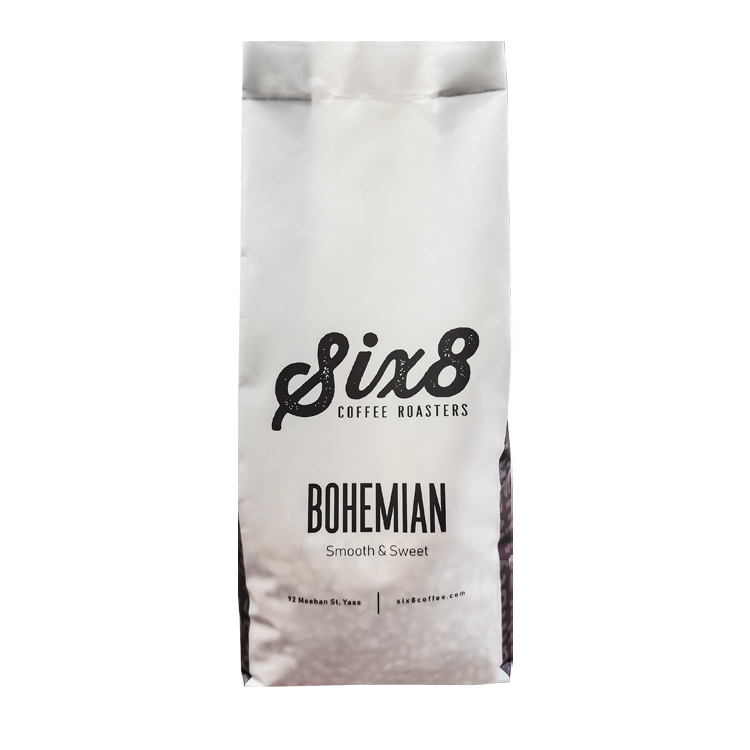
Compostable Coffee Bags: Separate the Project Record From the Claim
Mylarbag has published coffee-pouch records described as white kraft paper/PLA, including a 12oz flat-bottom pouch with a PLA valve and zipper. The public listing names the project as compostable and records the structure as white kraft paper/PLA with PLA+PBAT, gravure printing, and a flat-bottom format.
That is valuable first-hand evidence of an actual coffee-pouch configuration. It is not a reason to write that every kraft-and-PLA coffee bag is automatically suitable for every product, use period, disposal route, or market claim. The correct question is whether the complete pouch and its planned claim have been evaluated for the specific project.
Kraft paper can communicate a natural visual direction, but appearance is not the same thing as an end-of-life conclusion. The buyer still needs to ask about the full pouch, including the inside structure, valve, zipper, inks, coatings, and the market where the package will be sold. A white or brown paper surface does not remove that work.
Avoid claim-first sourcing
Claim-first sourcing starts with a word such as “compostable” or “recyclable” and then searches for a pouch that seems to fit it. That can leave the coffee format, fill, closure, packing process, and available documentation unresolved.
Project-first sourcing starts with the coffee and the package requirements. It then asks which structures can be evaluated for the desired material direction and market claim. It takes longer at the start, but it gives a supplier a brief they can actually quote, sample, and discuss.
Use precise language until the project evidence is in place. It is safer to say “we are evaluating a white kraft/PLA pouch configuration for this project” than to make a broad promise about the final package before its components and market requirements have been confirmed.
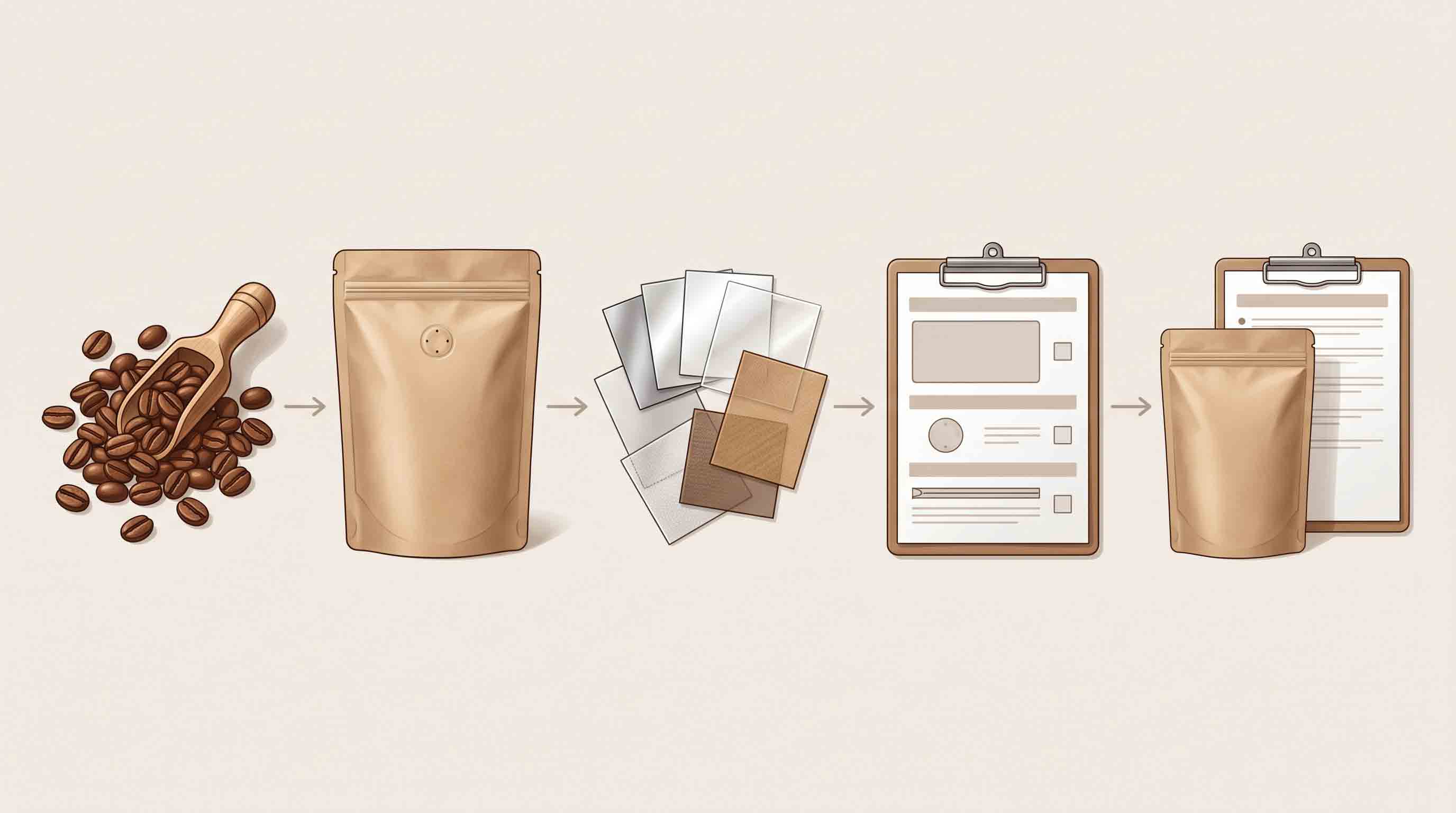
A B2B Material Brief for Coffee Packaging
The best time to settle material questions is before the pouch is treated as a finished design. A concise material brief lets the roaster, supplier, and designer work from the same facts.
Write the final row with care. “We want an eco-friendly bag” is not enough information to select a structure responsibly. A more useful brief might say: “We are evaluating a mono-material direction for a 12oz whole-bean flat-bottom pouch with a valve and zipper for a named market. We need to understand the full component list and what documentation is available before writing any environmental claim.”
It makes clear what is known and what still needs work. It does not pretend the claim, collection route, or package performance has already been settled.
Related Projects: Four Documented Material Directions
These published Mylarbag project records illustrate why coffee-bag material sourcing needs a project brief. They are examples, not recommendations or performance evidence.
12oz flat-bottom pouch with MATOPP/VMPET/PE
A published U.S. project records a 12oz ground-coffee flat-bottom pouch with MATOPP/VMPET/PE, gravure printing, a 13 × 22 + 8 cm format, a valve, and a pocket zipper. It is a documented multi-material configuration with named features. It does not establish a shelf-life period, a universal barrier result, or a suitability conclusion for another coffee product. See the published 12oz flat-bottom coffee pouch.
1kg side-gusset pouch with MDOPE/PE and a PE valve
A separate published project is titled as a recyclable side-gusset coffee bag for 1kg beans and lists MDOPE/PE with a PE valve. It provides a real material-and-component reference for a buyer exploring a mono-material direction. It does not determine what an environmental claim may mean in a different country or collection system. See the published MDOPE/PE side-gusset coffee bag.
12oz white-kraft/PLA flat-bottom pouch
A published U.S. record names a 12oz flat-bottom coffee pouch as white kraft paper/PLA with PLA+PBAT, gravure printing, a PLA valve, and a zipper. The listing provides a real compostable-project direction to discuss with a supplier. It does not by itself establish an appropriate disposal route or a claim for another finished pouch. See the published white-kraft/PLA coffee pouch.
270g mushroom-coffee stand-up pouch with MATOPP/PMP822/CPP
A published U.S. project for 270g mushroom coffee lists MATOPP/PMP822/CPP, a stand-up pouch format, gravure printing, and foil stamping. It is a useful reminder that coffee-related products can have different fills, formats, and surface directions. Its published structure should not be transferred automatically to a whole-bean or ground-coffee program. See the published 270g mushroom-coffee pouch.
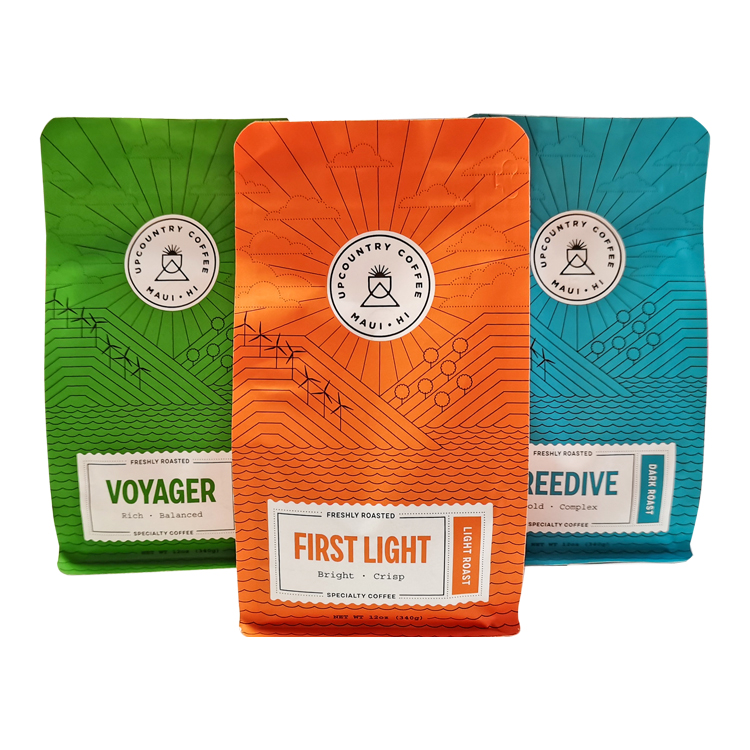
Recommended Packaging Configuration: Evaluate the Whole Pouch
For a roaster choosing custom coffee bag options, the recommended starting point is not a predetermined material. It is a documented project brief that connects the coffee, the pouch, its closure features, the packing process, and the environmental question being asked.
Send the supplier:
- the coffee format and target fill, or a representative sample;
- the pouch format and shelf presentation under consideration;
- the first-opening and reclose features you need;
- the way the pouch will be filled and top-sealed;
- artwork and finishes that need to be evaluated with the material;
- the target market; and
- the exact sustainability question or proposed claim that requires evidence.
This gives the supplier enough information to discuss which publicly available configurations may be relevant, what needs a sample, and which claims require further project-specific review. It also prevents a common mistake: choosing a pouch body first and only later noticing that the valve, zipper, finish, or market claim has not been included in the same decision.
Frequently Asked Questions
What are coffee bags made of?
Coffee bags can use different material structures and components. Published Mylarbag coffee projects list structures including MATOPP/VMPET/PE, MDOPE/PE, white kraft paper/PLA, and MATOPP/PMP822/CPP. The structure, pouch format, valve, zipper, and finish need to be confirmed for the specific project rather than inferred from a bag’s appearance.
Is every kraft coffee bag compostable?
No conclusion should be drawn from a kraft-looking surface alone. A complete pouch may include other materials and components. A published white-kraft/PLA project provides one documented configuration, but a compostability claim for another pouch needs to be evaluated with its full component list, intended market, and available evidence.
Is every mono-material coffee pouch recyclable?
No. A material family listed for the pouch body does not by itself determine how a complete finished pouch can be described in a particular market. Review the valve, zipper, finishes, target market, current documentation, and the exact claim before making a recyclability statement.
Can a zipper or valve affect a sustainability claim?
They are part of the finished pouch, so they need to be included when the project’s material and claim discussion is reviewed. Do not make a whole-pouch statement based only on the pouch body while leaving closure components out of the brief.
Do I need to sample a coffee-bag material before ordering?
A material discussion is more useful when tied to an actual pouch sample, representative coffee, planned fill, closure layout, and packing process. A sample is not a substitute for any project-specific testing or documentation, but it gives the team a concrete configuration to review.
What should I send when asking about sustainable coffee packaging?
Send the coffee format, target fill or sample, pouch format, closure features, packing process, artwork and finish direction, target market, and the exact sustainability question you need to evaluate. Avoid asking for a generic “eco-friendly” material without stating the project conditions.
Specify the Material, Then Support the Claim
Coffee packaging materials are easier to choose when the pouch is treated as one finished system. Start with the coffee and filling process, define the format and components, confirm the exact material structure, and only then review the wording you may be able to support in the target market.
If you are planning a new coffee line, review custom coffee bag configurations with the complete project brief in hand. To discuss a specific structure, contact the Mylarbag team with the coffee, fill, pouch format, closure plan, target market, and any documentation you need to evaluate.