
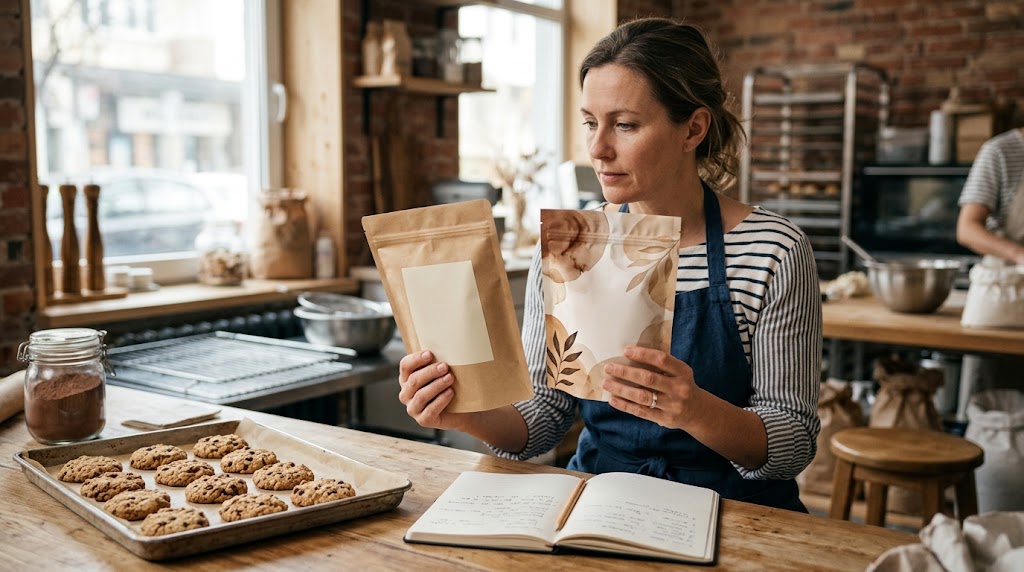
A bakery with three cookie flavors does not necessarily need three fully printed bags on day one. It needs a package that fits the cookies, can be closed consistently, carries the right information for the selling market, and does not absorb cash that should be available for baking and selling. That might be one tested blank bag with three correctly controlled labels. It might be a short printed run. If demand and artwork have stabilized, a larger custom run can be sensible.
The short answer: start with the forecast for each flavor, the product's packaging requirements and the number of bag versions you can reasonably use before the recipe or label changes. Compare the cash required to buy and prepare the bags with the number of saleable packs you expect to ship during that artwork's useful life. Then fill and seal real samples. The lowest quoted bag price is only one line in the decision.
This guide concerns flexible bags for cookies people eat, from single-cookie sleeves to small retail multipacks. It is written for a small food business choosing packaging, not for buying ovens, rigid gift boxes or shipping cartons. The bakery remains responsible for its recipe-specific labeling, food-safety decisions and shelf-life evidence. A packaging supplier should identify the bag construction and intended conditions of use, provide samples and confirm the production process.
Start With the Cookie and the Sales Cycle
Before asking what a bag costs, decide what the bag must do. A crisp, thin butter cookie can pick up moisture and break under pressure. A soft cookie can dry out or stick to a film. An iced cookie needs clearance over its decoration. A crumbly mixed-bite product may put fine particles into the top-seal area. The bag, seal and outside handling conditions work together; a generic claim of “food grade” does not specify fit, barrier or quality period.
Record one line for each product you actually plan to sell:
| Planning field | Record this for each SKU | Why a small business needs it |
|---|---|---|
| Cookie and fill | Maximum cookie dimensions, weight, count, thickness, fragile edges and normal fill variation | A nominal bag size cannot prove that a full pack fits or seals. |
| Quality goal | Desired texture and target unopened period, pending a study | Film choice and closure should answer a real product problem. |
| Selling route | Counter sale, shelf display, local delivery or longer distribution | The route changes handling, display and stock rotation. |
| Packing method | Hand filling, a small sealer or an existing machine; expected bags per shift | Application time and seal consistency are part of cost. |
| Flavor versions | Ingredients, allergens, claims, barcode and likely recipe changes | Each version can create its own label or printed-bag inventory. |
| Forecast | Expected saleable packs per flavor per week and the next review date | Total volume can hide a slow flavor that leaves obsolete bags. |
| Market | Where the cookie will be sold and who approves food label copy | Rules for packaged foods are tied to the market and product. |
Make the first forecast modest and explicit. “We might sell a few thousand” is not enough to size an order. For example, estimate 90 packs of chocolate chip, 60 of oatmeal and 30 of a seasonal flavor per week, then ask how many weeks the design and recipe are likely to stay unchanged. This is an illustrative forecast, not a demand prediction. A slower flavor often determines whether three separate printed bags are wise.
Keep a small buffer for production variation and delayed replenishment, but do not equate “buffer” with buying a year's worth of every design. Write down a date to review sell-through. If the bakery is still learning its demand, a shared blank bag can let it vary the flavor labels while keeping the bag construction stable. If the products require different protection or sizes, one common blank bag may be a false economy. A large cookie that crushes inside a little pouch is not made cheaper by using up leftover stock.
Three Packaging Routes, With Different Risks
There is no universal progression that every bakery must follow. Compare these routes against the current product and order, and obtain samples and quotes for the actual format.
| Route | Usually worth exploring when | Main advantage | Cost or risk to check |
|---|---|---|---|
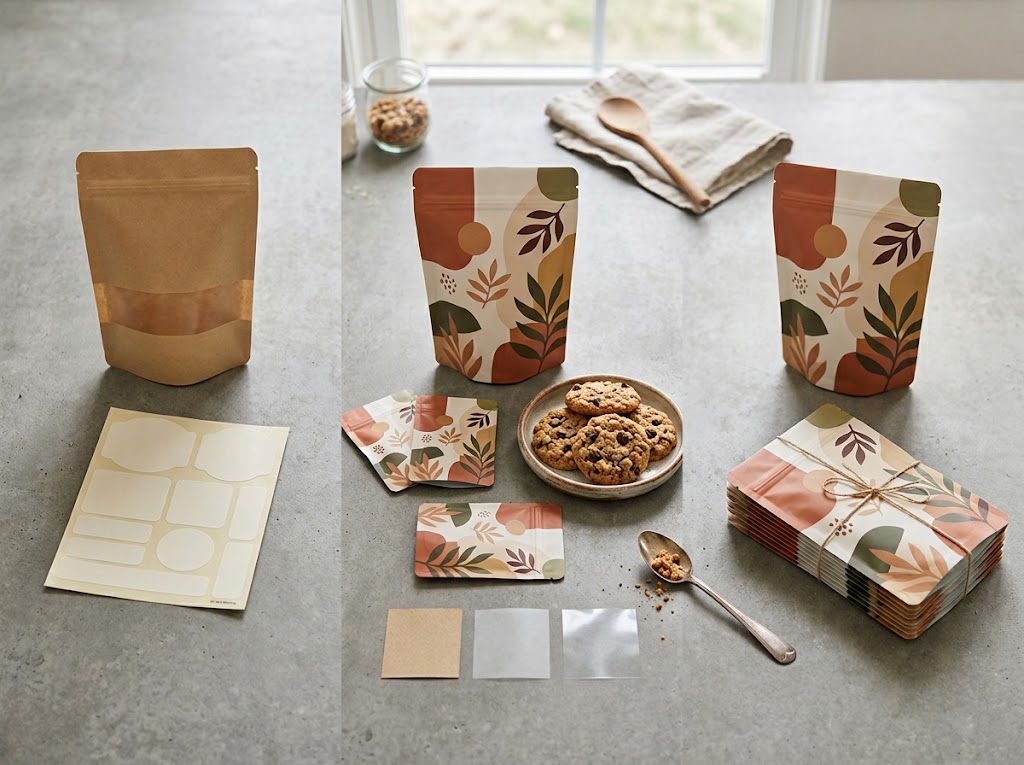
| Tested blank stock bag plus label | Forecast is uncertain, several flavors share a compatible bag, or copy changes often | One common bag inventory can support several SKUs; labels can be revised separately | Label material, application labor, print durability, usable panel area and consistent closure |
| Short-run printed pouch | Flavors are established enough to justify printed fronts but demand is still volatile | Professional finish without dedicated gravure cylinders; easier artwork changes | Per-bag quote, proof, minimum per design, freight, any residual stock and lead time |
| Longer custom printed run | Artwork and volume are stable enough to use the ordered bags before a revision | Tooling and setup may be spread over more saleable packs | Cylinder or setup charges, storage, artwork lock-in, excess inventory and revised labels |
A blank bag is not automatically a cheap bag. A label large enough to cover the back may be awkward to apply, fold over a gusset or obscure the lot code. A printed bag is not automatically too expensive for a small bakery. Some jobs have enough repeated volume or labor savings to justify it. Compare the finished pack and the cash required now, not the appearance of a per-bag price in isolation.
For a pouch requiring an unopened retail heat seal, a resealable zipper is a convenience after the first opening. It does not remove the need to design and verify the initial seal above it. A sticker or tie may suit some short-lived, direct-sale situations, but it should not be presented as an equivalent barrier closure for a product that needs a validated heat-sealed pack. Ask about the actual sealing layer and the packing operation.
Route 1: blank stock bags plus controlled labels
This can be a practical launch route when one bag geometry truly fits the product range. Choose a stock bag based on the cookie's size, fat contact, desired appearance, storage conditions and the closure you can execute. Request its material specification, food-contact documentation for the intended use and sample bags. The relevant U.S. FDA food-contact material guidance illustrates why the regulatory status of components and conditions of use matter; selling elsewhere calls for that market's requirements.
Reserve a flat area for the label and another suitable surface for any variable date or lot code. Test adhesion after the bag is filled, handled and stored under the expected conditions. Read the smallest type at its real size. Do not put a checkout barcode across a fold, seal or highly reflective wrinkle. GS1's barcode quality checklist calls out quiet zones, contrast, symbol dimensions, position and print defects; a printed sample must be checked on the actual bag.
If each flavor needs a different ingredient or allergen panel, control the labels as separate SKUs. Someone must verify that the correct label went on the correct bag every production day. A shared unprinted bag reduces the risk of buying the wrong printed quantity, but it transfers work to label control and application. Include that labor in the calculation.
Route 2: short-run printed cookie bags
Digital printing can be useful when the front panel must carry a strong brand image, the same brand has several flavors, or labels have become a noticeable packing bottleneck. Mylarbag's digital-printing page describes short runs, multiple artwork versions and no dedicated gravure-cylinder charges. Its published minimums and delivery claims are supplier-specific marketing statements, not a universal threshold or a quote for your cookie bag. Confirm the minimum per design, combined-order terms, approved substrate, proof costs and production schedule for the actual project.
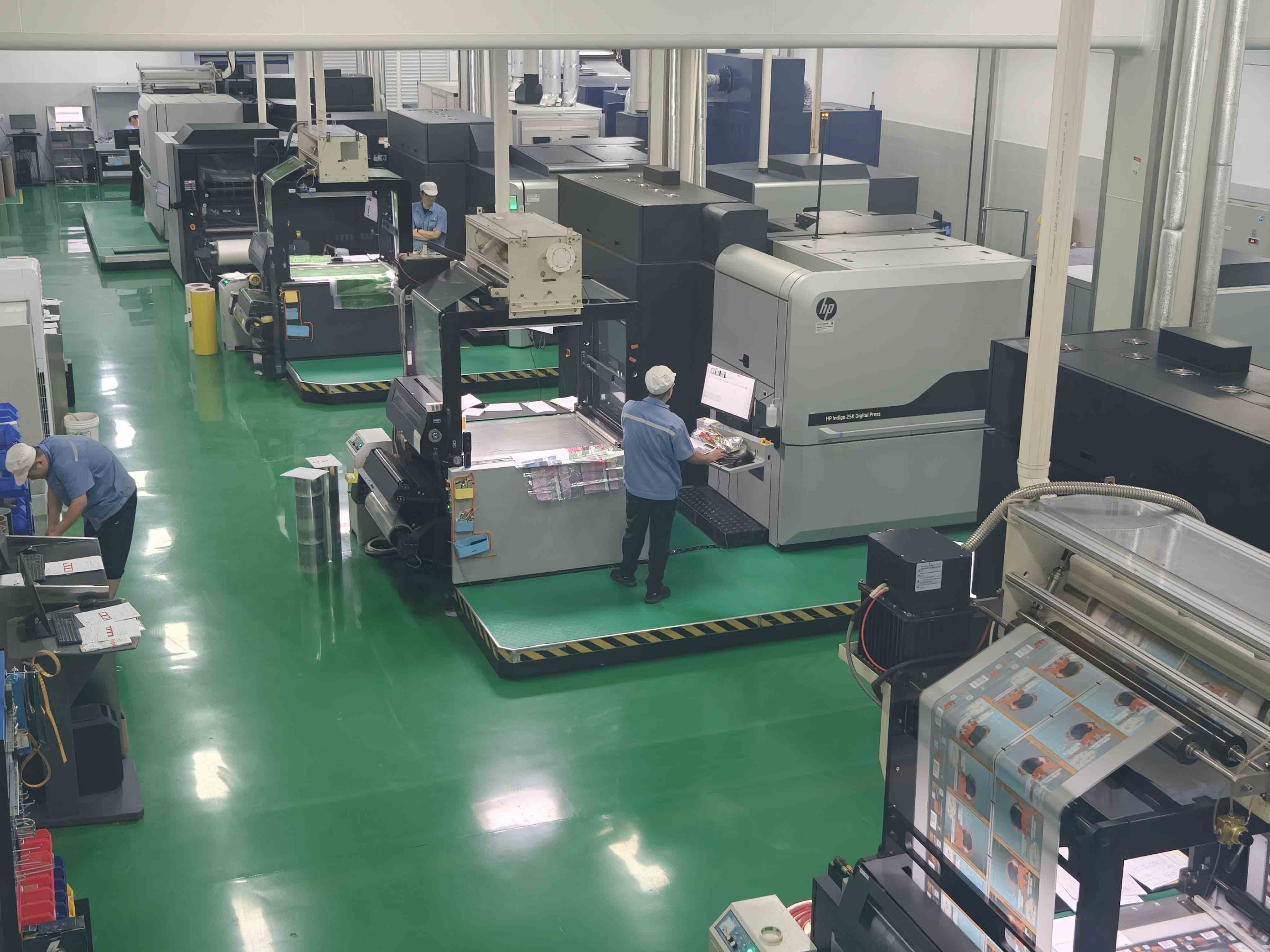
Short-run printing can reduce hand labeling, but it can also lock ingredients, allergens or promotional text into a bag. A recipe change may make a pallet of otherwise attractive pouches unusable. Keep the art revision, the exact copy source and the approval owner with the purchase order. Print the label information for the intended market, and reserve the variable coding area. Do not call a proof “approved” until the filled bag, color, copy and barcode have been reviewed at production size.
Route 3: a larger custom run
Gravure uses prepared print cylinders. It can make economic sense for repeated, stable artwork and sufficient volume, but a lower unit price must pay for setup and any bags that will never be used. The supplier's gravure-printing page discusses its volume economics and tooling. The point at which it wins depends on bag size, film, colors, number of designs, run size, delivery and how long the artwork remains valid. Do not use a general website minimum as the break-even number for a particular cookie.
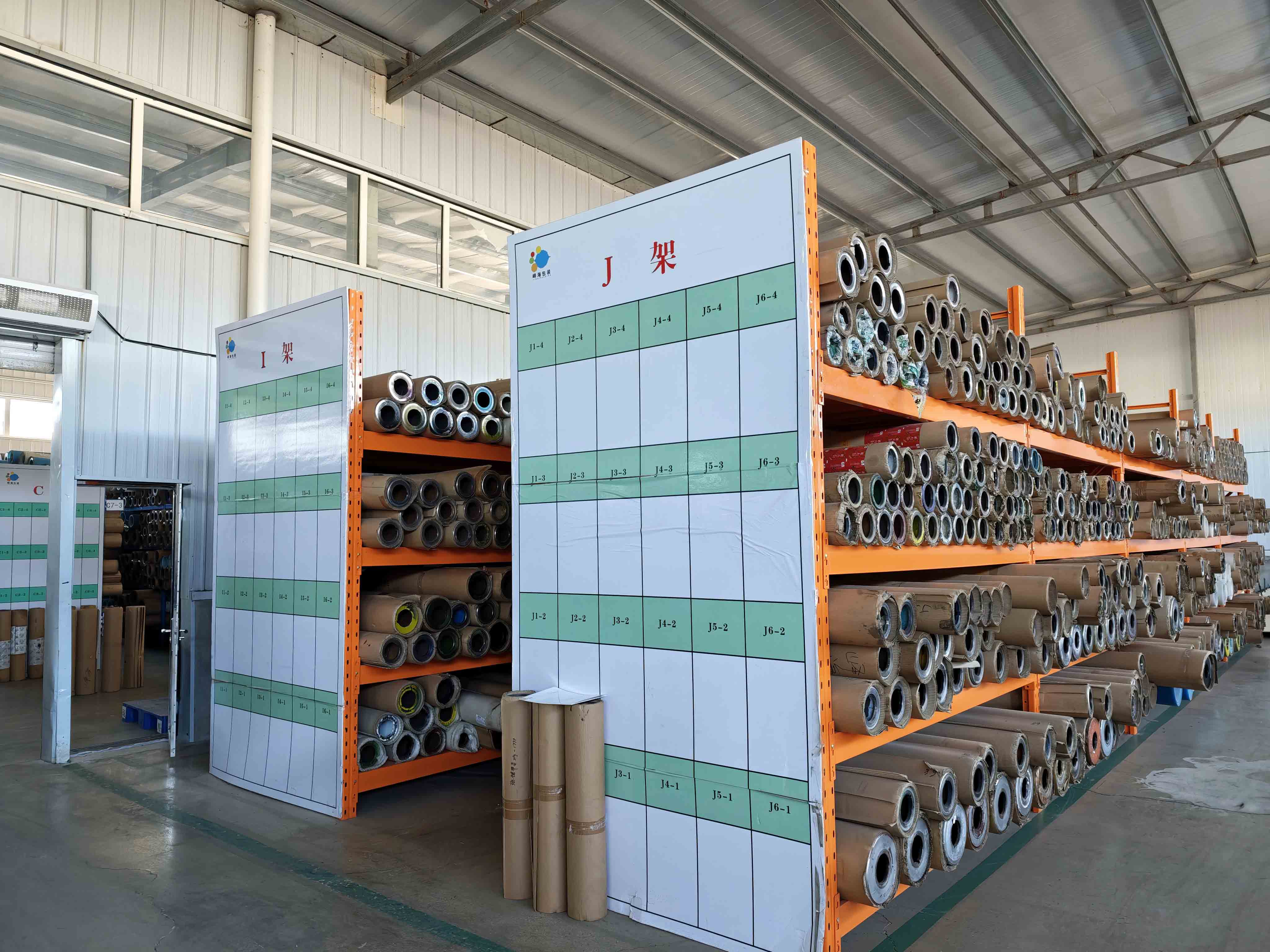
A bakery with one reliable year-round SKU may have a better case for this route than a bakery with eight flavors that rotate monthly, even if both sell the same total number of bags. Quote and manage each printed version. Ask whether the same cylinder set can be reused on a repeat order, what counts as a chargeable artwork change, and who owns the cylinders. Storage and version control matter as much as the first price break.
A Real Cookie-Pouch Case, Used for the Right Question
Mylarbag's published 3.5 oz organic-cookie bakery-bites project identifies a digitally printed stand-up zipper pouch with PET/VMPET/PE and nominal 12 × 18.5 + 3 cm dimensions. The product image shows a branded front and a densely printed back. This is a useful example of how a small retail pack can carry multiple information zones and a convenient opening. It is not a published cost study, a small-business order minimum, an approved blank template or proof that those dimensions fit another bakery's cookie.

Imagine a new bakery considering three flavors in a similar size. It could test whether one pouch structure and nominal size accommodates the largest and most fragile flavor. Then it would compare a common blank bag with three labels against three short printed designs. A later large run would be justified by observed sell-through and stable copy, not by the fact that another brand used a printed pouch. This is a hypothetical planning exercise, not a reported outcome of the published project.
The case page contains broad marketing statements about performance. It does not publish this bakery's purchase price, actual seal test, barcode grade, water-vapor or oxygen-transmission report, or shelf-life study. For your product, request evidence tied to the proposed material and conditions, then run trials with your own filled and sealed packs. A case is a starting point for questions, not a transferable guarantee.
Calculate the Cost of the Packs You Can Actually Sell
“Cheap cookie packaging” often means one of three different things: a low invoice per empty bag, a low cash commitment for the next sales cycle, or a low total packaging cost per saleable pack over the lifetime of the artwork. Those measures can point to different options.
Start with an explicit planning horizon, such as the next three months or the period before a seasonal label is replaced. Forecast saleable packed units by flavor. Then collect a quote for each packaging route on the same bag size, material target, closure and delivery basis. Include:
- Empty bags or printed pouches, including the quantity ordered for each design.
- Labels, ink, date coding and any separate printed sleeve or sticker needed for the finished pack.
- Direct time to apply labels, fill, inspect and close the bag when that time differs by route.
- Artwork preparation, physical proof, sample bags, cylinders or other setup charges.
- Inbound freight, duties where applicable, storage and the cost of any split deliveries.
- Trial scrap, seal rejects, handling damage and the likely value of printed stock made obsolete by a copy change.
Keep the cookie ingredients and baking labor out of a packaging-only comparison. If an option changes cookie breakage, product loss belongs in a separate line and should be based on a trial, not guessed into a bag price. Use the same labor rate and definition of a saleable unit across options.
Two views are helpful:
- Cash required over the launch window per forecast saleable pack = all packaging cash paid in that window ÷ forecast saleable packs. This shows how much money is tied up before demand is proven.
- Economic packaging cost per saleable pack over the artwork's usable life = (bag purchases, delivery, labels, application, proof and setup, less the recoverable value of unused inventory) ÷ saleable packs. Give obsolete inventory zero recoverable value in this planning estimate. This is a management comparison; the accounting treatment of inventory depends on the business.
Do not double-count leftover inventory. If 3,600 printed bags remain and can genuinely be used next quarter, they are not all “waste” today. If the allergen declaration or recipe will change before they can be used, they may have little or no future value. Run both cases.
Worked example: three flavors and a short launch window
Assume the bakery expects 2,400 saleable packs before reviewing its artwork. All prices below are invented to demonstrate the calculation. They are not Mylarbag prices, market averages, real MOQ requirements or a supplier recommendation. The sample options deliberately buy different quantities. Date-code cost is shown only for the printed routes; in the blank-bag route it is assumed to be handled within the printed flavor label. Obtain a like-for-like quote for an actual project.
| Illustrative launch-window cash item | Blank bag + label | Short-run digital pouch | Larger printed run |
|---|---|---|---|
| Bags purchased | 2,600 × $0.14 = $364 | 2,700 × $0.26 = $702 | 6,000 × $0.12 = $720 |
| Labels purchased or coding on packs filled now | 2,600 × $0.07 = $182 | 2,400 × $0.02 = $48 | 2,400 × $0.02 = $48 |
| Extra label application labor on packs filled now | 2,400 × $0.05 = $120 | $0 in this example | $0 in this example |
| Samples, artwork/proof or tooling | $40 | $180 | $600 |
| Inbound delivery | $90 | $120 | $180 |
| Cash required over the launch window | $796 | $1,050 | $1,548 |
| Cash per 2,400 forecast saleable packs | $0.33 | $0.44 | $0.65 |
The $0.12 printed bag has the lowest quoted bag price but the largest cash commitment for this short period. In this scenario, 3,600 printed bags remain after 2,400 sales. If the same approved artwork and product continue until all 6,000 are used, add $72 to code the remaining 3,600 packs; the simplified full-run cash becomes $1,620 ÷ 6,000 = $0.27 per pack. That is a different horizon and a different demand assumption. It still excludes new storage, damage or financing costs. If the printed text becomes obsolete after 2,400 sales, the $0.65 launch-window view is much closer to the actual cost of that decision.
The figures show how to compare, not which option every bakery should buy. Change bag fit, material, label size, order timing and labor assumptions, and the result changes. Some suppliers may have different minimums per artwork; some may quote combined versions on a common film. Ask for a written quote instead of repeating an online minimum as fact.
Use Flavor-Level Demand, Not Only the Combined Total
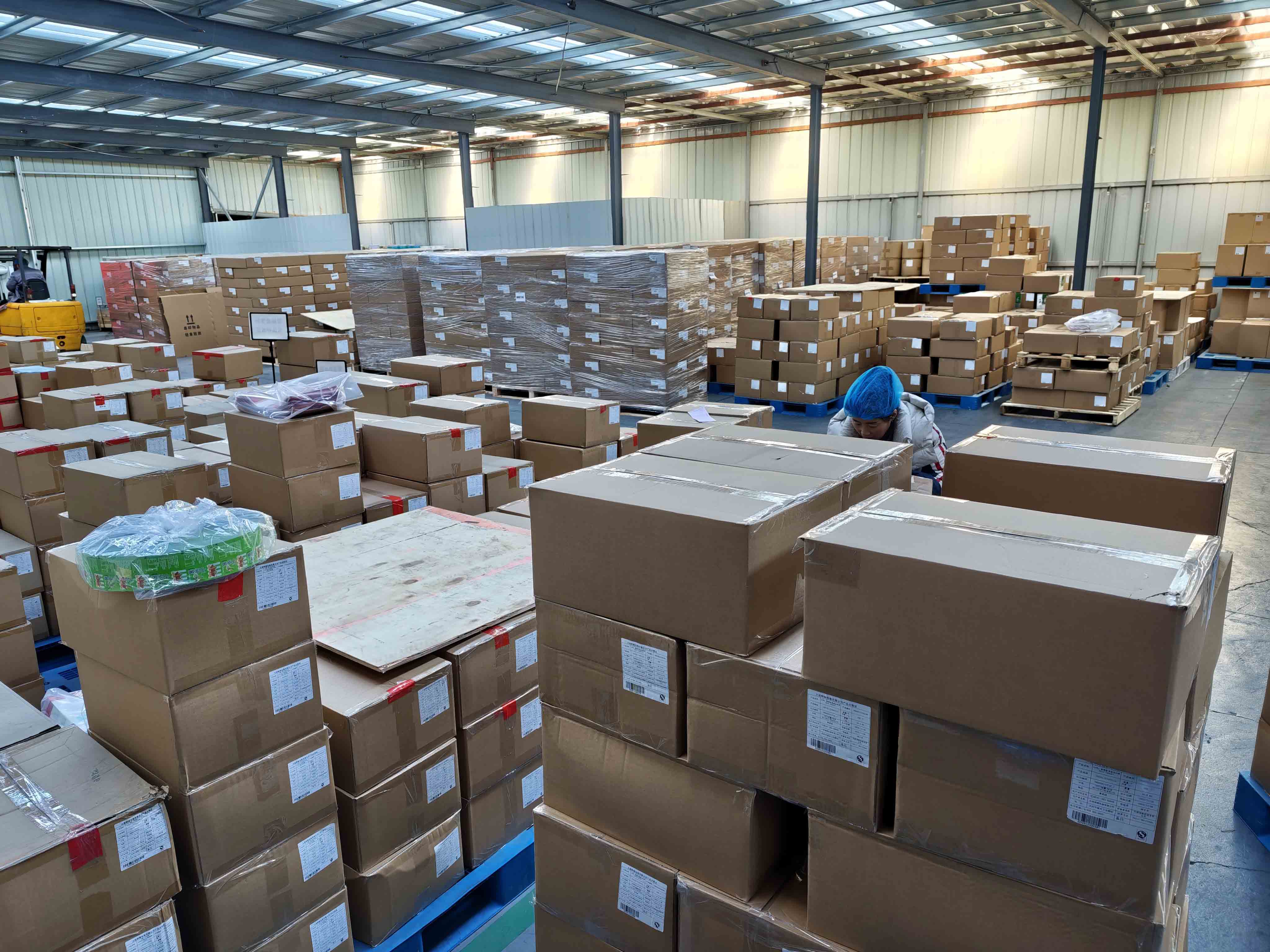
Suppose three flavors sell 1,200, 900 and 300 packs in the planning period. A 2,400-bag combined order may sound comfortable. It does not tell you whether a printing process requires a separate quantity for each artwork, or whether the 300-pack seasonal design will remain valid long enough to sell its share. Compare the quote per version and the conditions for combining designs.
| Forecast question | Practical check | What it changes |
|---|---|---|
| Which flavor sells slowest? | Compare its forecast with a separate artwork quantity and the likely date of a recipe or label revision. | Determines the chance of obsolete printed stock. |
| Can flavors share a blank pouch? | Fill and seal samples of the largest, oiliest and most fragile products. | One bag inventory may replace several, but only if function is acceptable. |
| Can printed versions share a film and size? | Ask whether the converter can combine artwork versions on the proposed structure and what minimum applies to each. | Changes both quote and storage by SKU. |
| Can a label be applied repeatably? | Time a real packing shift, inspect placement and scan the code. | Reveals labor, training and label reject costs. |
| When will the copy change? | Check planned ingredients, allergens, portion weights, claims and retailer requirements. | Sets the useful life of printed bags and preprinted labels. |
Do a simple sensitivity check before placing the order. Run the forecast at a normal level, at a slow level, and at a faster-than-expected level. For the slow case, ask how many bags become questionable if the recipe or artwork changes. For the fast case, ask whether you can replenish before running out, including artwork approval and transport. This is more useful than choosing a bag solely because its minimum order matches a round number.
If the bakery sells one plain cookie year-round and rotates a small seasonal line, it may reasonably use different routes at the same time: a custom printed bag for the stable bestseller and a blank bag with a controlled seasonal label for the experimental product. Keep the materials, seals and labels appropriate to each cookie. “One supplier, one print method” is not a quality requirement.
Make the Label Strategy Part of Packaging Design
Small bakeries often treat a label as decoration added after choosing a bag. For a retail pack, the label is part of the finished package. Plan space for the product identity, quantity, ingredient and allergen information, business details, nutrition information when required, and any other content required in the selling market. Different recipes may need different copy. A “one size fits all” back label can silently put the wrong ingredient or allergen information on a flavor.
The U.S. FDA's Food Labeling Guide is an example of a market-specific starting point, but its allergen and nutrition sections direct readers to newer material. FDA's current food-allergen labeling Q&A should be consulted for U.S. allergen questions. A small business may qualify for a specific U.S. nutrition-labeling exemption, but that is not a blanket exemption from ingredient, allergen or other applicable labeling duties. Eligibility and notices depend on the circumstances; a claim can change the analysis. The food business should have the finished label reviewed for its actual market.
A peel-and-stick label can be easier to update than a printed bag, but it introduces its own controls:
- Keep one approved digital copy file per flavor, with the revision and approval date.
- Separate label rolls or sheets visibly at the packing station; clear the line between flavors.
- Confirm the label adheres to the chosen finish after filling, sealing and ordinary handling.
- Place the label so required content stays visible when the pouch stands, folds or is opened.
- Check that the barcode encodes the correct SKU and scans from finished bags, not only from a flat proof.
- Record what happens to unused labels when a recipe, weight or claim changes.
For multi-flavor assortments, the printed label must describe the actual assortment. Do not swap in a single-flavor label because it fits the common bag. Where the bag has a zipper, position labels so they do not bridge the consumer opening or block the intended initial heat-seal path. Review a real filled and closed pack, including the back and bottom folds.
Test the Finished Pack Before Calling It Affordable
An empty-bag sample is only the beginning. Use representative cookies from normal production, including the thickest, oiliest and most fragile pieces. Place the intended count in the bag using the real filling motion. Check that the opening is practical, the cookie is not scraped by a zipper or heat-seal lane, and the filled pouch can be closed without crumbs or oil in the seal.
Use a small, recorded trial for each candidate route:
- Fit and handling: measure the filled profile and headspace; look for a sharp cookie edge pressing into the film or a window that reveals mostly empty bag.
- Seal and closure: make seals with the planned equipment and settings; inspect wrinkles, contamination, unsealed corners and opening behavior. A zipper trial should also check repeated consumer use separately from the initial seal.
- Pack appearance: inspect the front, back, label, barcode and date code after the bag is filled and has stood or lain as it will be sold.
- Product quality: check texture, aroma, visible oil or moisture problems and any microbiological concern under a product-specific protocol across the proposed storage period.
- Distribution: handle and transport pilot packs through the intended route; log seal damage, scuffed labels and broken cookies.
- Records: retain the material version, bag size, supplier, label revision, seal settings, sample date and observations. Compare later deliveries with the approved sample.
A heat-seal test is one measurement, not a shelf-life certificate. ASTM F88/F88M-23 describes sampled seal-strength testing for flexible barrier materials. It does not establish that every filled cookie bag is leak-free or that the cookie stays fresh for a specified number of days. The bakery must set its own acceptance criteria and study the product and pack together.
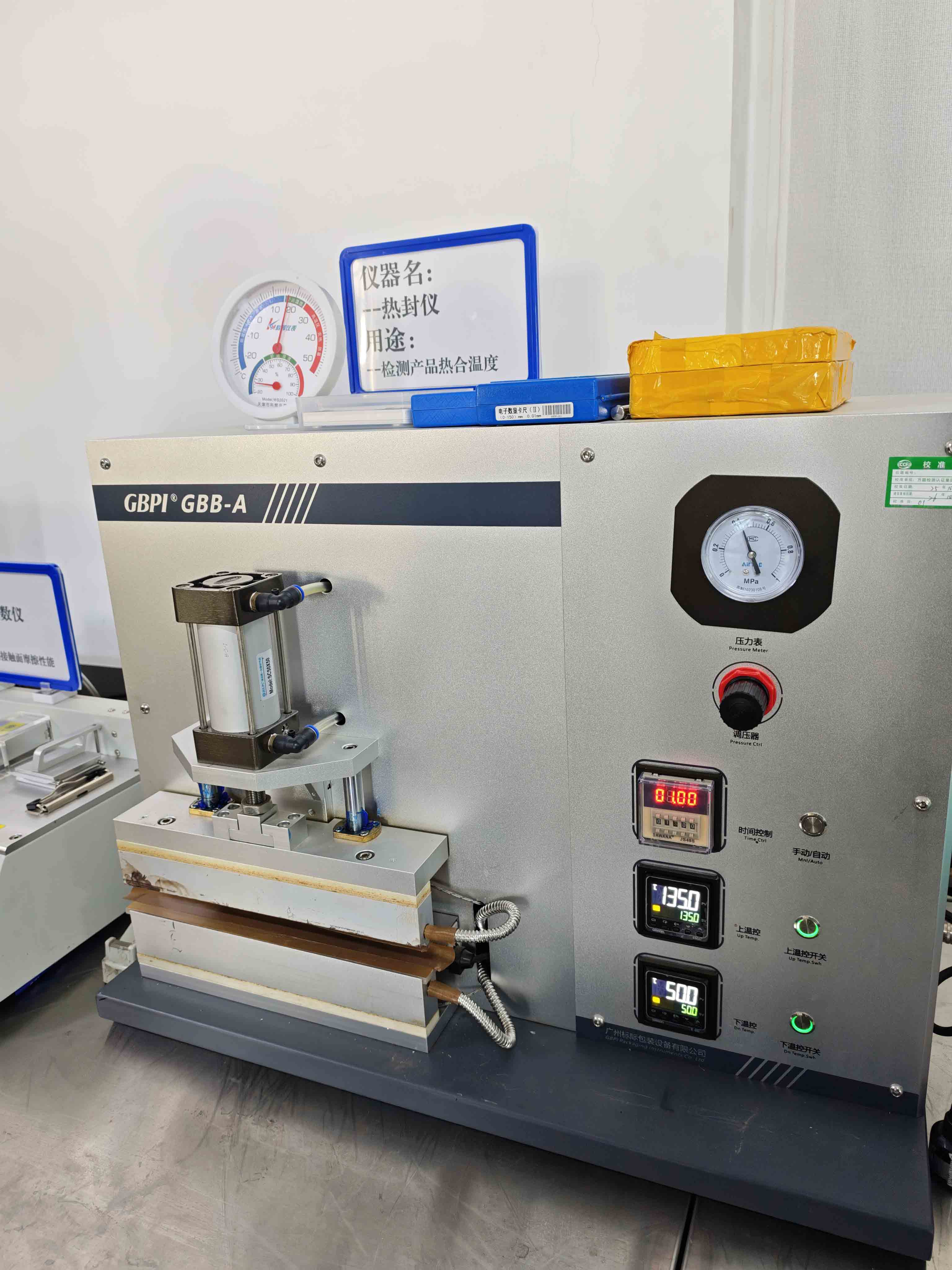
For an oily cookie, check grease marks after realistic contact and storage; for a crisp cookie, check texture and moisture gain; for a soft cookie, watch for drying or sticking. Do not transfer a shelf-life number from a different formula or an online listing. The barrier performance of a laboratory film specimen, a finished heat seal and a filled bag can differ in practical use. A cheap pouch that causes returns, breakage or stale cookies is an expensive choice.
When to Move From Blank Bags to Printed Packaging
Use a decision gate based on observed operations rather than a magic unit count. Four changes commonly justify a new quote:
- The leading SKU has repeatable sell-through. You can estimate how many bags that specific design will use before its copy changes.
- Label labor and rejects are measurable. A timed shift shows what hand application actually costs and how often labels are crooked, damaged or put on the wrong flavor.
- The artwork and food copy have an owner. The product, ingredients, claims, barcode and panel placement are reviewed, and changes are tracked.
- Sample performance is acceptable. The proposed printed bag has been filled, sealed, scanned, stored and handled in a trial that reflects normal production.
When those conditions are met, request a blank-bag replenishment quote, a short-run printed quote and a longer-run quote on the same functional brief. Ask each supplier to show bag quantity by flavor, total setup, proof, freight, potential split deliveries and any price change when the artwork is revised. Compare the cost over a realistic usage horizon. A supplier's website may describe a low digital minimum, but the actual job can depend on size, substrate and artwork count.
Where to buy blank cookie packaging? Start with packaging suppliers or distributors that can give you the construction, intended food-contact use, closure details and physical samples for the chosen bag. A bakery-supply catalog may be convenient for a trial; a converter can quote a custom route once the spec is stable. The important first question is “which sampled bag has passed our own fill, seal and storage checks?” The channel matters less than the evidence for the actual bag you will use.
If a custom bag now makes sense, the custom cookie bags page is a relevant place to request samples and a project-specific quote. Send the cookie size and weight range, count, texture goal, current sample or bag, target storage and selling conditions, closure method, expected orders by flavor, artwork status and label-review owner. Ask which parameters are fixed in the quote and what must be tested. That lets the supplier answer a concrete technical question rather than guess what “cheap cookie packaging” means.
Small-Business Decision Checklist
Before approving any order, the owner or packaging lead should be able to answer these questions:
- Have we defined the cookie, pack count, filled dimensions, fragility and intended unopened quality period?
- Do we have a sample of the exact proposed bag construction, not only a picture or an unrelated sample?
- Can the usual worker fill and close it repeatedly without trapping crumbs in the seal or marking the cookie?
- Has the food team approved the finished wording for every flavor and target market?
- Does the finished barcode scan, and is the lot/date code legible after handling?
- What is the quoted quantity and total landed cash commitment per printed design?
- How many saleable units will each design likely pack before its recipe, claim or artwork changes?
- What stock stays usable if demand is slower than forecast?
- Who owns the sample, proof, artwork revision, label roll and final release decision?
- When will we review the actual scrap rate, consumer complaints and remaining packaging inventory?
Put the answers in a one-page pack brief and update it after the first real production run. A modest blank-bag launch can be a disciplined commercial choice. So can a printed pouch. The correct route is the one that protects the cookie and label, fits the operation, and can be used without stranding too much cash.
FAQ: Cookie Packaging Ideas for Small Business
What is the cheapest way to package cookies for a small business?
There is no single cheapest construction. A tested blank bag plus a label can reduce initial printed-bag inventory, but labels and application time add cost. A short printed run can cost more per empty bag yet save labor or improve shelf presentation. Calculate cash required over the next sales period and packaging cost per saleable pack across the artwork's likely usable life. Include likely write-offs, not just the unit bag quote.
Do I need custom printed bags to sell cookies?
No. A suitable blank food-contact bag with a correctly approved label and reliable closure may be a sound start. The finished pack still needs to meet the applicable requirements for the market and product. Test the bag with real cookies and the planned storage and handling conditions. Choose custom printing when the product, brand, demand and economics support it.
Where can I buy blank cookie packaging bags?
Look for a supplier or distributor that can provide the exact bag dimensions and construction, intended food-contact documentation, closure information and samples. Ask for a sample quantity before buying a large case. Compare offers on the same specification; “clear,” “kraft look” and “cello” are appearance or market terms, not complete material specifications. The best source is one that can document and repeat the bag that passed your trial.
How many cookie bags should I order first?
Base the order on forecast saleable packs by flavor, the time until replenishment, a reasoned allowance for ordinary scrap and the likely date of a label change. Test a small sample lot before the production order. A universal quantity would ignore different sales rates, printed versions and storage capacity. If a supplier quotes a minimum, compare the resulting leftover inventory with your projected demand.
Can one blank bag serve several cookie flavors?
It can if every flavor fits and the common bag provides adequate performance under its intended use. Try the largest, most fragile and most oil-prone products. Keep flavor-specific labels under version control. One shared bag does not make ingredient, allergen or nutrition information interchangeable.
Is a digital printed cookie pouch always cheaper than labels?
No. Digital printing can avoid dedicated gravure-cylinder charges and reduce hand labeling, but the finished economics depend on the quoted printed quantity, art, proof, delivery, application labor and unsold stock. Obtain both quotes for the same bag specification and compare them over the same sales period. The site describes digital printing as a short-run option; it does not quote your project automatically.
At what quantity does gravure become cheaper than digital printing?
There is no reliable universal crossover. The result changes with bag size, film, color count, number of flavors, cylinders, expected repeat runs, freight and how much of each printed design is actually used. A per-bag price can fall while launch cash and obsolete-stock exposure rise. Quote both routes for the same approved format and several demand scenarios.
Can a small food business skip an ingredient or allergen label?
Do not assume so. Packaging and labeling requirements depend on the selling market, food, channel and circumstances. In the United States, any small-business nutrition-labeling exemption has its own conditions and is not a general waiver of other applicable labeling requirements. Have the responsible food-label reviewer check each flavor's finished pack and current rules before sale.
Will a zipper keep my cookies fresh without heat sealing?
A zipper helps consumers close a pack after opening, but it is not automatically the validated initial closure for an unopened retail bag. Specify the top-seal path and check the filled pack's actual seal and opening. Quality over time depends on the recipe, film, seals, storage and distribution; determine the claim through product-specific testing.
Can I reuse leftover printed bags after changing a recipe?
Only after the responsible food team confirms that every printed statement and required detail remains correct for the new product and market. A change in ingredients, allergens, net weight or claims may make the old artwork unsuitable. Treat a bag's version and a label's version as controlled inventory, not as generic stationery.
What should I send a supplier to get a useful quote?
Provide the cookie's size and weight range, count per bag, a representative sample, desired bag style, closure and print area, target conditions, estimated quantities per flavor, expected reorder pattern and the date by which you need an approved sample. Ask for the material specification, food-contact information relevant to intended use, a versioned dieline, physical samples and separate line items for proofs, tooling, freight and each design. Keep shelf-life and exact performance conclusions conditional on your trials.