
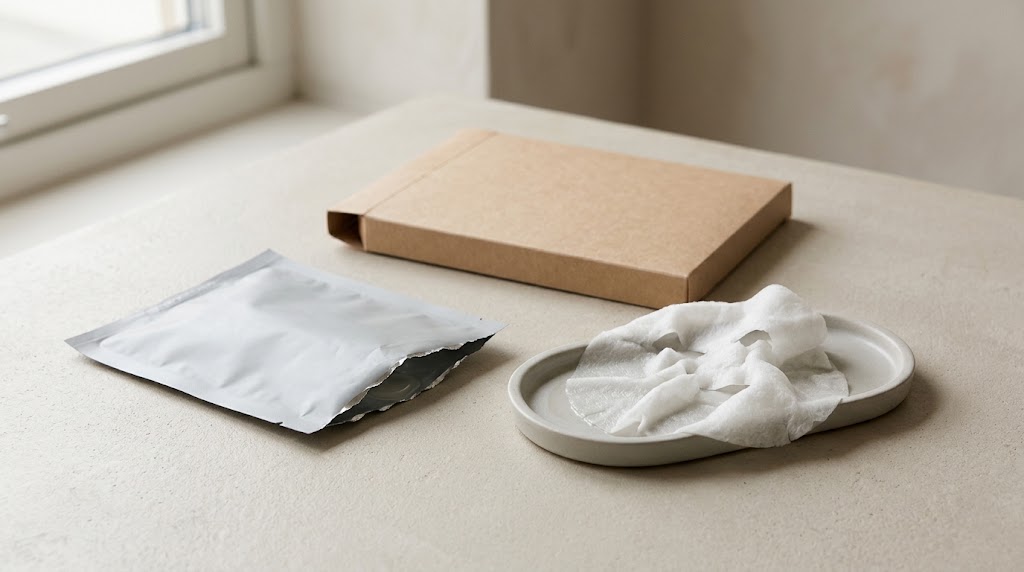
A used sheet mask leaves several different things on the bathroom counter: the wet sheet, its small serum sachet and sometimes a retail box or paper insert. Putting all of them in the same recycling bin because the carton has a green logo is an easy mistake. So is treating a silver-looking sachet as loose aluminum foil. The right route starts with identifying each separate item and then checking whether an actual collection program accepts it in the condition in which the customer discards it.
The short answer: separate the sheet mask from its flexible pouch and any outer carton. Follow the brand's component-specific instructions, then check the local recycler or composter for the complete used item, including its layers, attachments and serum residue. A PE-based film designed with recycling in mind still needs a suitable collection route; a PLA-containing or paper-looking pouch does not automatically belong in home compost. If you cannot confirm an accepted route, follow local disposal guidance instead of placing an unknown sachet in a recycling or compost stream.
Here “face mask” means a facial skincare sheet or hydrogel mask, not a medical or protective face covering. The focus is the single-use flexible bag that contains the wet cosmetic. If you are specifying a new one, Mylarbag's face mask packaging range shows candidate formats. This guide explains how a brand can connect its exact pouch specification to an honest end-of-life instruction.
Start by Separating the Items You Actually Have
A brand may sell one wet sheet in a permanent heat-sealed flat pouch, several pouches inside a paperboard carton, or a kit with a tray, insert and outer wrap. “Mask packaging” is not a single material. The useful first move is a component inventory:
| Item after use | Information you need | Why another item's label cannot decide its route |
|---|---|---|
| Wet sheet or hydrogel mask | Substrate composition, serum residue and any local collection rule | A cotton-looking sheet may contain other fibers or layers; pouch film claims do not describe the sheet |
| Primary flexible sachet | Full film and seal structure, printing/coatings, possible window or foil, and post-use condition | A paperboard box may be recyclable even when a laminated pouch has no accepted local route |
| Paperboard box or sleeve | Board, coating, window, lamination, labels and local paper rules | A box's paper route does not turn its inner plastic sachet into paper |
| Separate tray, backing, label or insert | Each component's material and whether it is attached | A mixed kit cannot be described accurately by one resin code or one green icon |
Keep these items separate while checking the instructions. A wet sheet is the used cosmetic substrate, not the pouch. Do not place it in a plastic-film collection point merely because its sachet might be film. Conversely, a paper carton should be checked against paper/cardboard rules on its own rather than discarded automatically with the used sachet.
For an ordinary U.S. paperboard example, the EPA asks consumers to check their local program and generally to flatten accepted boxes. Coated or heavily laminated paper items may have different acceptance. A particular sheet-mask box can include a film window, shiny finish or glued insert, so the brand should describe the actual box rather than write “recycle the packaging” across the entire kit.
The bag is a different design problem from the sheet
The wet mask may be made from a variety of substrates, while the pouch has its own layers chosen to hold liquid and form a reliable seal. Knowing that a mask fiber is cellulose does not tell you whether the pouch contains PE, PET, an aluminum layer, a coating or a metallized film. Knowing that the bag uses a PE contact layer does not tell you the whole bag is a PE-only construction. You need separate information for both.
The same separation matters when an environmental logo appears on the carton. Look for wording that identifies which component the claim applies to and what collection route it names. If the wording simply says “recyclable packaging,” ask the brand for a component-level explanation before putting the serum pouch in a mixed recycling bin.
Read the Full Sachet, Not Its Color or Texture
A single-use wet sheet commonly uses a flat sachet that the consumer tears open and does not reseal. Its outer surface can be clear, white, silver, glossy, matte or paper-like. None of those appearances is a complete material bill. The printing substrate, barrier function, inner liquid-contact sealant and production adhesive or coating may all matter to the end-of-life question. A plastic-film selection page is a starting point for naming candidate layers, while disposal requires the finished item's specification and a local route.
An example notation such as PET/AL/PE indicates a plastic outer layer, an aluminum layer and a PE inner layer in the stated construction. A metallized-film laminate is a different construction from a laminate listing an aluminum foil layer; “silver” does not tell a consumer which was used. A PE-based structure might be a candidate for a particular flexible-film recycling route, but whether the finished pouch qualifies depends on its full design and a collection program's acceptance. A paper-like exterior can still cover plastic and other layers. The right request to the supplier is a versioned bill of materials for the complete sachet, not a photograph of its front.
For a packaging brand, ask for the following before writing a disposal line on artwork:
- The exact outer, barrier and inner seal layers, including coatings and adhesives that the supplier regards as part of the structure.
- Any aluminum foil, metallized layer, clear window, tear feature, label or added component. A standard single-use sheet-mask flat sachet should not be assumed to have a zipper just because another stand-up cosmetic pouch does.
- The specified print and finish version. An unprinted laboratory sample and a fully printed retail pouch may not be the same article for every end-of-life assessment.
- The actual fill, formula contact and final heat-seal design, because a promising end-of-life concept also has to function as the primary wet-product package.
- The geographic markets and the intended after-use route. “Recyclable in principle” says less than “this complete used pack is accepted by this defined collection program under these conditions.”
These are material and routing questions. A film inspection image cannot certify recyclability, and a material's theoretical reprocessability cannot establish a cosmetic's shelf life. The brand must still validate the wet mask in its production pouch for containment and product quality.
Lamination makes “one bag” a multi-part article
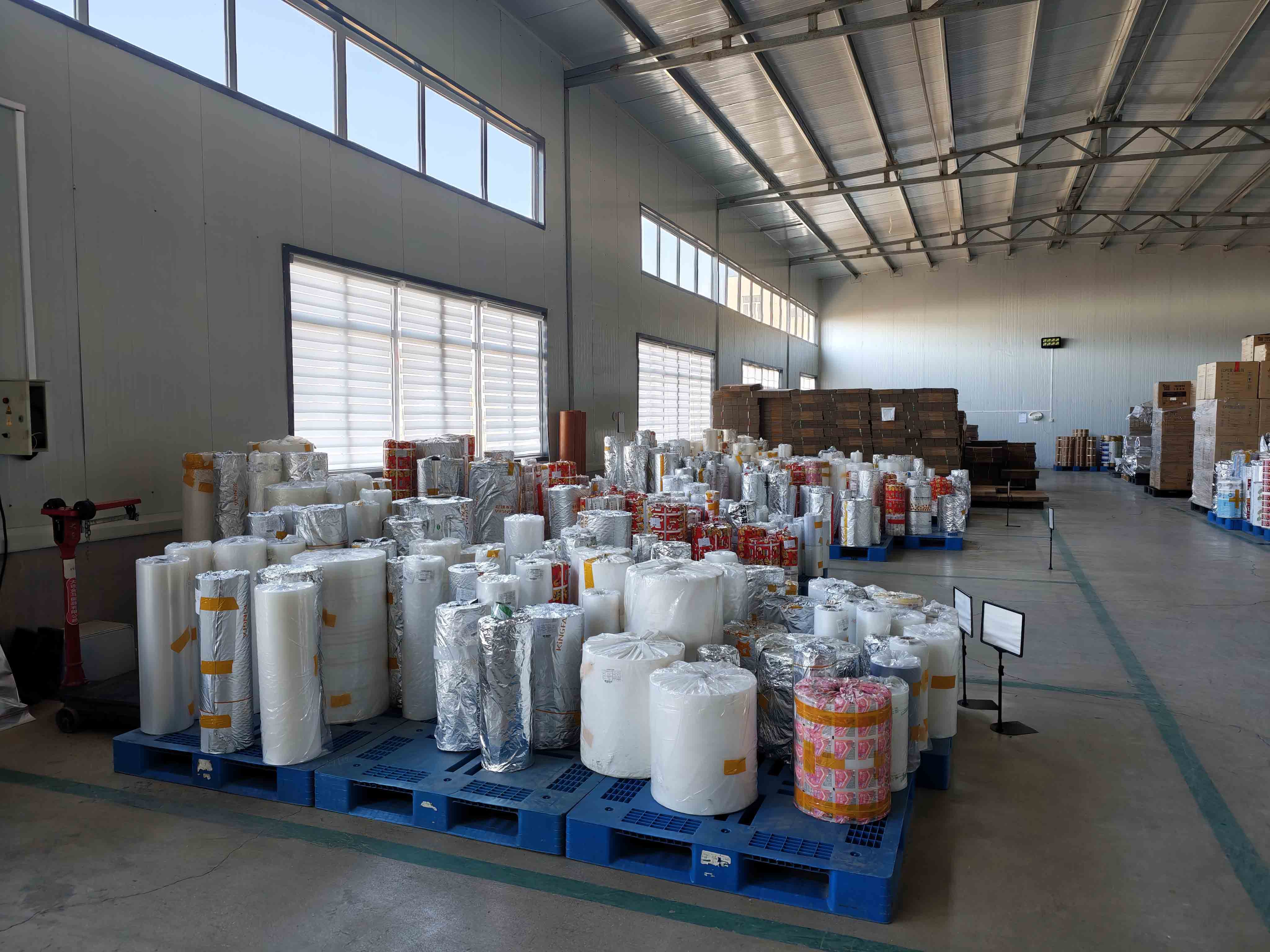
Where a project uses laminated films, layers may be combined to achieve the needed printing, barrier, contact and sealing functions. The exterior may be attractive to a recycler on its own, but the consumer discards the bonded bag. The same is true of a foil-containing laminate: it is not a loose piece of household aluminum foil that can simply be treated according to EPA's advice for a clean foil sheet. A local program must accept the composite pouch, or the brand must identify a legitimate specialty route that does.
This is why a sample's tear edge can be informative without being a home recycling test. It may show that the sachet is layered, but it will not reveal every coating or prove that a recycler can separate the layers. Ask the manufacturer for the named construction and, if an environmental claim is planned, the evidence for that finished printed version.

A Practical Decision Path for the Used Sachet
For a consumer, the decision should be short enough to follow after use. For a brand, each step is also a prompt for evidence it must gather before printing instructions. The order matters: identify, check condition, find an accepted route, then state the claim.
- Identify the exact component. Is the item the sachet, wet sheet, carton or another insert? Check the brand's wording for that item specifically.
- Identify the complete sachet structure. A visible “PE” inner layer, silver face or paper exterior is not sufficient. If the brand has not supplied a clear material and route statement, do not guess from appearance.
- Check the post-use condition. Emptying a wet sheet sachet may leave serum on the inside. Ask whether the actual collection program accepts this kind of small printed pouch and what “empty,” clean or dry means for that program. Do not assume rinsing automatically makes a composite pouch eligible.
- Check the actual local program. Is the item accepted in a curbside bin, a retail drop-off, a specialist take-back program or a particular composting facility? Check the category and conditions rather than merely the location of a nearby bin.
- If there is no verified route, use local disposal guidance. Keep the unknown sachet out of known recycling and compost streams. The instruction for a market can be updated when a suitable program and supporting evidence become available.
The table below translates that path into a brand review. It is intentionally conditional: the article cannot know the collection policies in every reader's community.
| Candidate pack or component | What material evidence is needed | What to verify with the collector | Safe conclusion until verified |
|---|---|---|---|
| PET/AL/PE or another mixed laminate sachet | Full bonded structure and any attached features | Does any named program accept that exact composite used cosmetic pouch? | Do not treat it as curbside aluminum or a standard flexible PE film by appearance |
| PE-based flexible pouch candidate | Full pack construction, coatings, print, window and seal features | Does a local program accept this complete small flexible pack with its after-use residue and preparation? | PE-based design alone is not permission to put it in curbside or store drop-off |
| PLA-containing or coated paper candidate | All layers, adhesive, print and whole-pack compostability evidence | Is home composting supported, or does an accessible industrial program explicitly accept this kind of pack? | Do not infer compostability from plant-based content or paper texture |
| Paperboard outer carton | Board, coating, film window and any attachments | Does local paper collection accept the prepared carton? | Assess separately from the inner sachet and used sheet |
| Used wet sheet | Actual substrate and serum residue | Is there a named program that accepts the used item? | Do not borrow the sachet's film or carton instructions |
The U.S. EPA's guide to common recyclables says plastic bags, wraps and films generally do not go in household recycling bins, while some retail or grocery locations collect eligible film. That statement does not promise those locations will accept a little wet serum sachet. Ask the site or local provider about its precise rules. EPA also says local programs differ; where a material is not accepted, putting it in the bin can contaminate the recycling stream.
When Can a PE-Based Sachet Be Called Recyclable?
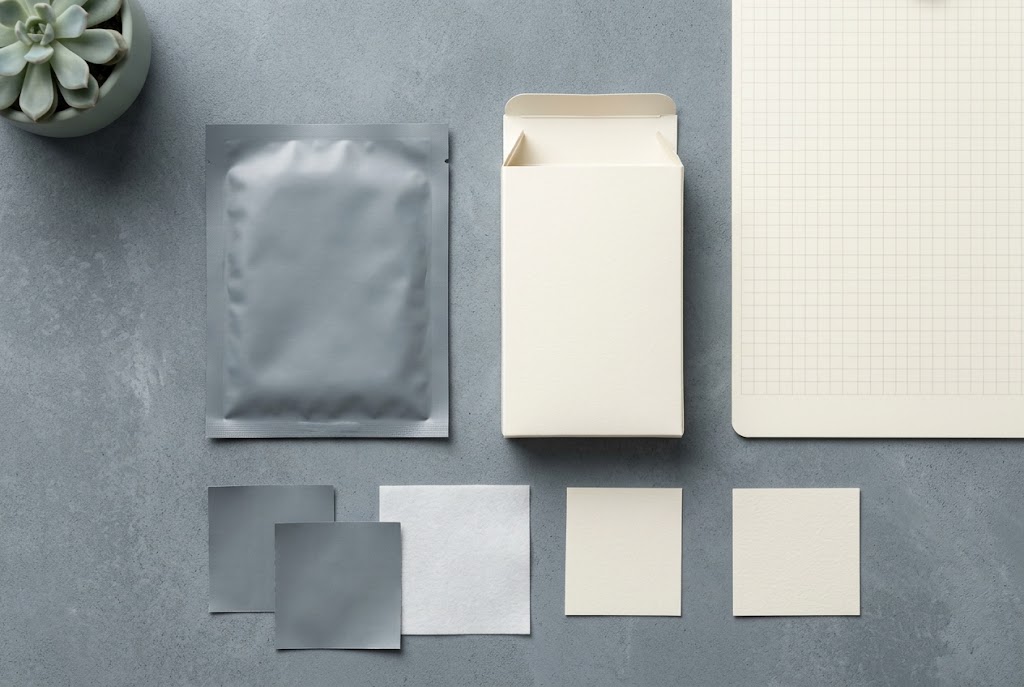
“PE-based” can describe an intentional design direction. It does not answer whether the whole printed, sealed, used article will actually be collected and processed in a target market. There are at least three gates:
- Design gate: the supplier identifies the actual finished structure, not just one polymer layer. Ask about barrier additions, inks, labels, windows and attachments. Compare it with the recycler's published acceptance criteria.
- Collection gate: the local route must take this size and form of flexible pouch. A program that accepts clean grocery film may exclude tiny multilayer sachets, wet cosmetic residue or heavily printed items. Do not silently change “plastic film accepted” into “all sheet-mask pouches accepted.”
- Claim gate: the consumer-facing wording needs evidence that reflects access in the selling market. Under the U.S. FTC Green Guides summary, recyclable claims should be qualified when suitable recycling facilities are not available to at least 60% of the consumers or communities where the item is sold; more limited access calls for clearer qualifications. This is U.S. claim guidance, not a global threshold or a certification of any Mylarbag SKU.
A disposal instruction is stronger when it names the component and the condition: “For the sachet, follow the collection program's accepted-film rules; check whether it accepts this pouch after use.” That is an example of the level of specificity, not wording to print without route verification. If the brand confirms acceptance only in a limited program, it should name or qualify that limited route clearly. If no program takes its wet sachet, it should not present a chasing-arrows symbol as a promise of routine recycling.
Why residue deserves its own check
A sheet-mask sachet is filled with a cosmetic serum, and the used pack can retain some of it. Whether a collector regards the item as sufficiently empty or suitable for its process is a program-level condition. The packaging supplier can describe the film and seal; it cannot promise every local soft-film point will accept a used, printed pouch. A consumer should follow the actual site's preparation instructions, which may be more restrictive than the material description. Do not advise washing a pouch as if that automatically changes its polymer layers or makes it eligible.
There is another practical question: can the consumer understand the instruction in the small available print area? If the route needs several qualifications, the brand may have to use a legible, component-specific label on the outer box or a linked product page. The message should remain accessible to the customer and accurate for the markets where it appears. A detailed disposal page does not cure an unqualified, misleading headline on the front of the sachet.
Compostable Means More Than “Contains PLA”
PLA is a polymer. “Plant-based” describes a feedstock, while “compostable” describes performance of a defined article under defined conditions. A coated paper exterior, PLA layer or nature-themed print cannot establish that the complete finished pouch is accepted by a household pile or an industrial facility. Any claim must address the entire relevant package, including coatings, adhesives, inks, windows and other components to the extent they are part of what the consumer discards.
For U.S. marketing, the FTC's Green Guides summary says compostable claims need competent and reliable scientific evidence that all materials in the product or package become part of usable compost safely and in roughly the same time as the material with which they are composted. It calls for qualifications when home composting is not supported or suitable municipal/institutional facilities are not widely available. A certification or supplier claim should be checked for its exact tested article, version and conditions; it does not prove that every local organics bin accepts the pack.
The EPA's plastic recycling and composting FAQ tells consumers not to place a plastic labeled “compostable” in a home pile unless the label says it is suitable for home composting. Industrial facilities have different conditions, and a local program must confirm acceptance. EPA also says compostable plastics should not be mixed into the conventional plastic recycling stream because they can disrupt it. The practical order is therefore: identify a supported whole-pack claim, identify the intended facility type, and confirm that a facility serving the user actually takes that article.
What about the used mask sheet? It is a separate product component soaked with formula. A compostable claim for the sachet does not extend to the sheet, and a claim for a cellulose-based sheet does not extend to the printed pouch. The substrate and residual cosmetic would need their own applicable evidence and accepted program. The consumer should not be asked to infer that a whole kit belongs in home compost just because one part came from a plant.
“Biodegradable,” “paper” and other shortcuts
The FTC cautions against broad, unqualified environmental-benefit claims such as “eco-friendly,” and its guidance treats “degradable” claims separately from compostability. A material's ability to change under one test does not mean it will safely and promptly break down after the consumer's actual disposal method. A paper-like coating can conceal a laminate. A recyclable PE design may be a better fit for one collection system, while a documented compostable design may fit a different program; neither has universal access or automatic wet-serum suitability.
Brands should ask a supplier for the whole-pack dossier and route evidence before using environmental language. If the proposed coating, print, window or adhesive changes, review whether the earlier evidence still applies. If changing to a lower-impact candidate affects sealing, compatibility or product stability, the brand must test the actual serum-filled pack. Good disposal instructions depend on a functional package that does not create avoidable product waste.
What a Real Beauty Pouch Case Teaches About Material Claims
Mylarbag's public cosmetic and soap pouch case lists a Philippines project, a PET/AL/PE construction, gravure printing with a spot-UV finish, and dimensions of 11.7 × 16.5 cm. The page describes a three-side-seal pouch with a zipper. Those are useful fields for an evidence request: the whole structure, the finish and the extra component need to be known before anyone writes a disposal claim.
This is an adjacent beauty/soap pouch, not a confirmed single-use wet sheet-mask sachet. The zipper is sensible to discuss for its listed use, but it should not be copied into a one-time heat-sealed mask illustration. The public listing does not provide a recycler acceptance decision for the used composite pouch, a whole-pack composting study or evidence that its PET/AL/PE laminate goes with loose aluminum foil. It also makes promotional performance claims; we do not treat those as measured end-of-life findings. Its value here is the contrast between an exact bill of materials and the much larger question of the consumer's actual route.
For a facial-sheet-mask project, a supplier might propose a different laminate or a PE-based candidate. That is a new item with its own serum-contact, barrier, top-seal and end-of-life checks. It would be misleading to say that the beauty/soap project's material fields prove a wet mask's protection, recyclability or shelf life. They show what to ask for, not a pre-approved answer.
Turn the Disposal Goal Into a Packaging Brief
An honest environmental target belongs in the same brief as containment and product life. Start with the actual single-use product: sheet substrate and fold, fill volume, formula class, light or vapor sensitivity, final sealing method, carton and shipping route. Add target sales markets and the collection route you hope consumers can use. Then ask for a candidate flat sachet construction with a complete material description. Review any lower-impact packaging options against that specific product and destination rather than treating a material category as a disposal instruction.
Compare candidates against both product performance and disposal evidence. A new inner layer may change contact compatibility. A thinner web may seal differently. A clear window may affect the full material structure. Changing to a compostable film may require a different storage and final-seal study. The brand's product team owns the finished-mask safety and shelf-life decisions; the bag maker can contribute exact film and empty-pouch data, samples and a production specification. The recycler or composter determines what it accepts. None of those documents substitutes for another.
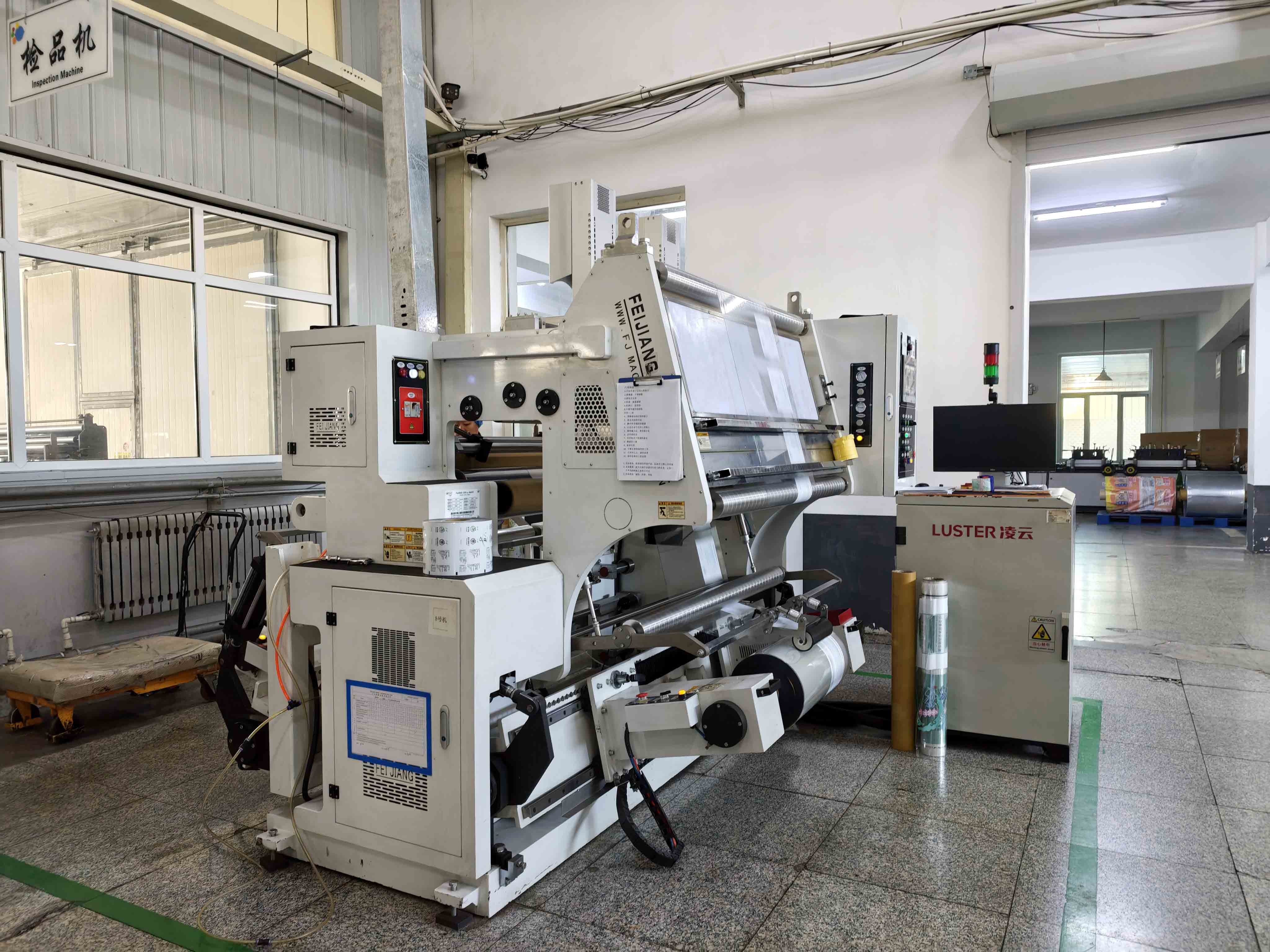
A seven-field evidence sheet for the brand
The brand can keep one short record per packaging version. It should be specific enough that an artwork reviewer can catch a mismatch before a large run is printed.
| Field | Record to keep | Question before approving the claim |
|---|---|---|
| Component | Exact sachet, sheet, tray or box to which the wording applies | Would a shopper know which part the instruction names? |
| Material version | Complete supplier construction, print and feature revision | Do the reports cover the item actually sold? |
| Product contact | Formula and substrate compatibility, filling and final-seal findings | Does the environmental candidate still work as a wet cosmetic pack? |
| Evidence | Test/certification scope, test article and issuing body where relevant | Does the evidence support this whole-pack statement and condition? |
| Collection | Named local program or defined type of facility and its acceptance terms | Can customers in the claimed markets reasonably use it? |
| Post-use state | Emptying, residual serum and any preparation the facility requires | Would the article still be accepted after ordinary use? |
| Consumer wording | Artwork proof, qualifications, market and review owner/date | Is the message specific, legible and kept current? |
If one field is unknown, mark it unknown. Do not fill it with a familiar recycling symbol. A packaging supplier's sheet can establish a proposed material construction; it cannot establish a national collection network. Conversely, a municipal website saying “plastic film accepted” does not reveal whether a particular printed, wet mask sachet meets the site's criteria.
Example wording needs its conditions first
Suppose a brand has a confirmed local program accepting its exact used pouch under documented preparation conditions. It might then write a component-specific, geographically qualified instruction that identifies that route. Without that confirmation, a safer draft is: “Check local collection rules for this sachet; do not place it in recycling or compost unless your program accepts this material.” This is a review example, not a pre-approved statement for any Mylarbag customer. The brand must test the wording against the actual material, facility access, label space and applicable market guidance.
Avoid bare “100% recyclable,” “home compostable,” “biodegradable” or “eco-friendly” claims simply because a sample roll has a promising polymer name. Under U.S. FTC guidance, broad environmental statements can imply benefits the advertiser has not substantiated. If the claim applies only to the outer carton, say “carton” and specify its local-paper condition. If only a specialty take-back route is proven, identify and qualify that limited route. A consumer should be able to act on the instruction without having to reverse-engineer the package.
Frequently Asked Questions
How do I dispose of face mask packaging after using a sheet mask?
Separate the used sheet from its sachet and any paperboard box. Read instructions for each component, then confirm that your local program accepts the exact item in its used condition. Do not assume a paper-carton claim applies to the inner bag. If no route is confirmed for the sachet, follow your local waste guidance instead of placing it in a recycling or compost stream that does not accept it.
Are sheet-mask sachets recyclable?
Some structures may be designed as candidates for particular flexible-film recovery routes, but there is no all-sachets answer. A PET/AL/PE laminate, a PE-based candidate and a coated-paper/PLA design present different material questions. Actual collection also depends on the whole printed pouch, serum residue and local facility rules. Ask the brand for component-specific material and route information.
Can I put an empty PE sheet-mask pouch in a grocery-store plastic-film bin?
Only if that specific program says it accepts that complete pouch and its condition after use. Many film collection points describe eligible clean films and may exclude composite sachets, small printed packs or cosmetic residue. “PE inner layer” is not enough to identify the entire pouch. Check directly with the collection program; an empty appearance alone does not make it eligible.
Does a silver sachet go with aluminum foil or metal cans?
Do not assume so. Its appearance may come from a metallized plastic layer, or the material bill may list aluminum foil laminated to plastics. The consumer discards the bonded sachet, not a loose sheet of clean foil. A metal-recycling route for household foil does not automatically accept a printed composite cosmetic pouch. Follow the exact item's local acceptance rule.
Is a PLA or paper-looking mask pouch home compostable?
Not by appearance or a single layer name. Check evidence for the entire finished article, whether a home or industrial claim is actually supported, and whether a facility serving you accepts the used pack. The U.S. EPA advises that a “compostable” plastic should not go in a home pile unless the label says it is suitable for home composting. A paper-like surface can still conceal other layers.
Can the used mask sheet be composted if the pouch is compostable?
The pouch claim does not cover the sheet. You would need the sheet's actual fiber and other components, information about the residual serum, a supported claim for that used item, and a local program willing to accept it. Likewise, a plant-derived mask sheet does not establish the pouch's compostability. Follow separate, explicit instructions if available.
Do I need to rinse the serum pouch before recycling it?
Ask the collector first whether this kind of pouch is accepted at all and what preparation it requires. Removing residue may be a condition for an eligible film program, but rinsing cannot make an incompatible laminate or a nonaccepted sachet recyclable. The answer depends on the specific route and the amount and type of residue.
What should a skincare brand ask its packaging supplier for?
Request the exact versioned film construction and full component list, including inner sealant, barrier layer, adhesive, printing/coating, window or other attachment. Ask what test or certificate actually covers the printed pouch, then independently confirm the intended collection or composting route in the sales markets. Also trial the new bag with the real formula, mask substrate and filler: an environmental target does not remove wet-product performance requirements.
If there is no local recycling or composting program, what should the label say?
Do not give an unqualified instruction to use a non-existent route. Explain the limitation for the component and market, and direct consumers to local waste guidance. In U.S. marketing, the FTC's qualifications for limited recycling access are relevant; other markets have their own rules. Revisit the claim if materials or collection access change.
Make the Instruction Match the Bag That Was Sold
A useful disposal message identifies the object, the full structure and the facility that will actually take it. It also survives ordinary use: the wet sheet is removed, and some serum may remain inside the small pouch. Treat the carton, sheet and bag as separate articles. Obtain a material bill for the final printed single-use sachet, test any redesigned bag against the actual wet cosmetic, and confirm collection conditions before making a broad environmental claim.
If your brand is developing a sheet-mask pouch, share the product form, intended fill and markets, desired disposal pathway and any current artwork claim with the packaging team. Ask for a clearly identified candidate and its material information. That gives the brand a workable starting point for product trials, collector questions and accurate component-specific instructions.