How Long Is Weed Good for in a Plastic Bag? A Cannabis Packaging Guide
There is no defensible one-number answer to how long cannabis is “good” in a plastic bag. A bag by itself does not establish a shelf life. For a regulated cannabis brand, the answer depends on the product at the time of packing, the pouch structure, the closure and heat seal, headspace, light exposure, storage and distribution conditions, and the validation plan behind the finished package.
That does not make the question unhelpful. It tells brands what they actually need to decide. A household-style resealable bag may be adequate for a very short internal handling step, while a retail package intended to carry a dated product through distribution needs a documented specification and a way to verify it. This guide explains the difference without promising a fixed number of days, months, or years that has not been validated for a specific product and package.
Scope: This is a B2B packaging and quality-planning guide for legal cannabis brands. It is not legal advice, a product-safety certification, or a substitute for product-specific shelf-life validation.
The direct answer: a plastic bag does not set a universal shelf life
“Plastic bag” is not a technical packaging specification. It might mean a thin reclosable bag, a clear retail pouch, a multilayer flexible pouch, a bag used only as an inner liner, or a finished package with a zipper plus a top heat seal. Those formats do not present the same material structure, light exposure, sealing process, handling pattern, or headspace.
That is why a blanket claim such as “cannabis is good for two weeks in a Ziploc” is not suitable for a commercial packaging page. Two brands can use superficially similar bags and receive very different outcomes because their flower, fill weights, pack dates, warehouse conditions, retail turnover, and sealing processes differ.
Published storage research supports a conditional approach. In a classic study of herbal and resin cannabis preparations, light exposure was a major contributor to cannabinoid loss under the study conditions, while air oxidation also mattered. The work did not establish a universal shelf life for every modern retail bag. Fairbairn, Liebmann and Rowan (1976)
More recent work on nitrogen-modified atmosphere packaging also shows why a single packaging feature should not be oversold. The study examined individual terpenes and cannabinoids under its own storage conditions; it did not create a one-size-fits-all shelf-life guarantee for all cannabis products or pouch structures. MacLaughlin and MacDonald (2024)
For a brand, the practical answer is simple: use the intended product, package, packing process, and distribution conditions to validate the claim you plan to make. A supplier can help specify and produce a pouch. The brand and its qualified partners still need to establish the finished product’s requirements and evidence.
What “good” should mean for a packaging decision
Consumers often use “good” to mean that a product still looks, smells, or feels acceptable. Brands need a clearer definition before they select a pouch or print a date. A commercial discussion normally separates at least four questions:
- Product quality: Which product attributes does the brand need to monitor during the intended selling period?
- Package integrity: Does the package remain properly closed and free of relevant visible defects through packing, handling, and distribution?
- Presentation: Does the pouch still deliver the intended shelf appearance, opening experience, and brand information?
- Market requirements: Which destination-market rules, documentation, child-resistant features, or labelling obligations apply to that exact product and sales channel?
The package is part of the system, not the entire system. A glossy clear bag, for example, is not automatically a poor package; it may be selected for a short use cycle, an overwrap, a secondary carton, or a product that is not light-sensitive in the same way as cannabis flower. Conversely, an opaque pouch is not proof that the finished product will meet any desired shelf-life target. The product, structure, closure, and validation conditions must work together.
Five variables to define before a brand discusses shelf life
The table below is a procurement tool, not a list of fixed preservation claims. It helps a brand turn a broad question about a plastic bag into information a packaging supplier can use.
| Variable | Why it changes the packaging discussion | Questions to settle before a quote |
|---|---|---|
| Product at packing | The starting condition affects what the package must manage during the intended selling period. | What product format is being packed? What is the target fill? What handling occurs before sealing? |
| Light exposure | The package and any secondary presentation determine how much light reaches the product during storage and display. | Will the product be displayed under retail lighting? Is an opaque format, printed coverage, or secondary carton being considered? |
| Headspace and atmosphere | The amount and composition of headspace depend on filling method, pouch size, closure, and any process selected by the brand. | What fill-to-pouch relationship is intended? Is the pouch opened repeatedly, heat sealed, or both? |
| Moisture management | Material selection and the wider packing system should be evaluated against the product’s defined quality requirements. | Which storage and distribution conditions are expected? Is the brand using a qualified control strategy or conducting stability work? |
| Seals and handling | A pouch can look acceptable at packing yet fail to deliver the intended experience if sealing, abrasion, or repeated opening are not considered. | Is the pouch zipper-only, zipper plus heat seal, or a different closure format? What is the packing process? |
1. Start with the actual product and packing process
The most useful first question is not “Which bag lasts the longest?” It is “What are we packing, how are we packing it, and what do we need the finished retail package to do?” A flower brand that packs multiple fill weights across several dispensary channels may need different pouch dimensions and closure choices from a brand selling one premium format with a tightly managed retail cycle.
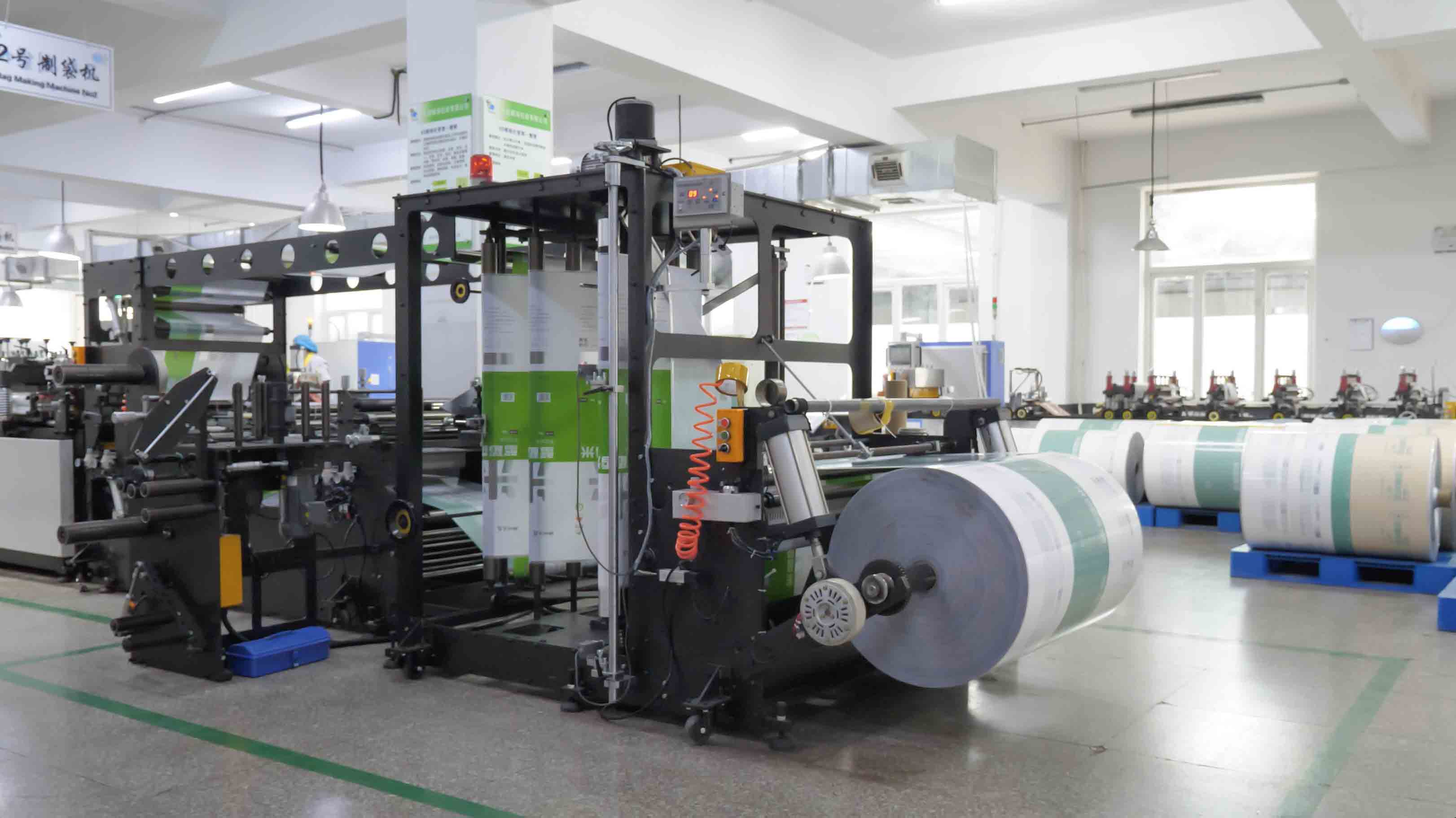
This affects more than pouch size. Filling method, available headspace, handling during packing, and whether the final top seal is applied after filling all influence the finished package specification. A supplier can discuss formats and material structures much more productively when the brand shares its target fill, sample or product dimensions, preferred shelf presentation, artwork status, closure needs, packing equipment, and target market.
2. Treat light exposure as a packaging-system question
The 1976 storage study linked light exposure with cannabinoid loss under its test conditions. That is a useful reason to evaluate light exposure, not a reason to claim that every printed or opaque pouch guarantees preservation. Source
For packaging selection, the relevant question is whether the product will encounter light during warehouse storage, transport, retail display, or consumer handling. A brand may evaluate a fully printed pouch, a metallic-looking structure, an opaque material choice, or secondary packaging as part of its complete presentation. The final choice should match the brand’s intended validation work and product requirements.

3. Do not confuse a zipper with a finished package specification
A zipper is a closure feature. It can be helpful where a brand wants a resealable consumer experience, but it does not replace decisions about pouch structure, top sealing, product handling, or package verification. The same is true in reverse: a top heat seal is an important process step for many formats, but it does not independently establish a shelf life.
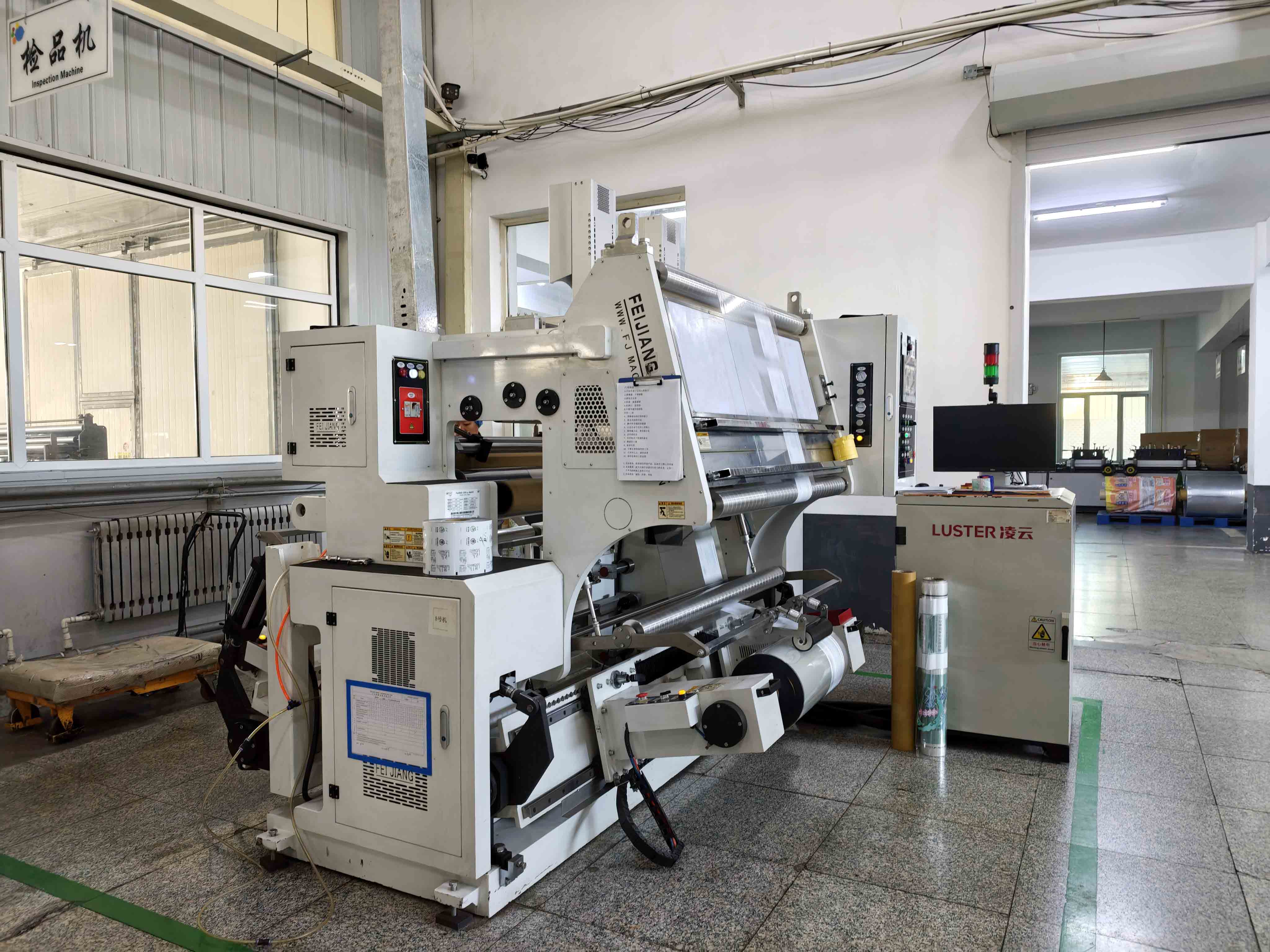
For flexible barrier materials, ASTM F88/F88M describes a quantitative method for measuring seal strength that can support process validation, capability, and control. It is a test method, not a product guarantee or a certification of a cannabis pouch. ASTM F88/F88M-23 Visual seal inspection also has a role: ASTM F1886/F1886M describes visual evaluation of package seals and material surfaces, while emphasizing that relevant defect criteria are defined during method validation. ASTM F1886/F1886M-25
The practical lesson for brands is to write a seal requirement that matches the actual format and process, then verify it in the way their quality plan requires. Do not substitute a generic claim such as “airtight” for a defined process and acceptance approach.
4. Plan for the real handling cycle, not only the day the pouch is filled
Most packaging decisions look strongest at the moment of packing. The more useful question is what happens afterward: sealing, carton packing, warehouse movement, retail display, shipment, consumer opening, and possible repeated closure. That sequence can change whether a stand-up pouch, flat pouch, zipper arrangement, tear feature, or secondary packaging approach is appropriate.
Brands should document the cycle they expect. For example, a format intended for immediate retail placement may have a different presentation priority from a format moving through a longer distribution chain. A supplier can then evaluate samples and a specification against the real project rather than guessing based on a phrase such as “long-term storage.”
5. Keep market requirements separate from marketing language
Cannabis packaging rules differ by destination, product type, and sales channel. A child-resistant zipper, a tamper-evident feature, or an opaque format should never be described as “fully compliant” without checking the applicable rules and documentation for the destination market. The same caution applies to any claim about product stability, smell control, or shelf life.
In an article, the right approach is to explain what the brand needs to supply for evaluation: target market, product format, closure request, packing process, and required documentation. The brand can then confirm its regulatory obligations with qualified advisers and the relevant authorities.
Household-style bags vs. a project-specified flexible pouch
The comparison below is intentionally about decision inputs, not a promise that one material will deliver a defined shelf life.
| Question | Household-style reclosable bag | Project-specified flexible pouch |
|---|---|---|
| Is the material structure defined for the project? | Often no; the bag is selected as a general-purpose item. | It can be specified with the pouch format, material structure, print, and intended closure in one project brief. |
| Is the intended retail presentation considered? | Usually limited. | The brand can evaluate stand-up presentation, printed coverage, finish, window decisions, and pack dimensions. |
| Is the sealing process part of the plan? | Often zipper-only or handled informally. | The project can define whether the pouch uses a zipper, a top heat seal, or both, and how the packing process will be checked. |
| Is shelf life proven by the package choice alone? | No. | No. The finished product, package, and storage conditions still require appropriate validation. |
| Can the brand brief the supplier around a specific product and market? | Usually limited. | Yes; this is the reason to prepare a structured quote and sample request. |
The point is not to dismiss every plastic bag. It is to avoid treating a generic bag as if it were a complete commercial package specification. When a brand’s product has a defined shelf presentation, market, artwork, closure, and quality plan, its packaging needs a matching specification.
A practical workflow for setting a packaging specification
The following workflow gives a cannabis brand a practical path from a broad storage question to a package brief a manufacturer can review.
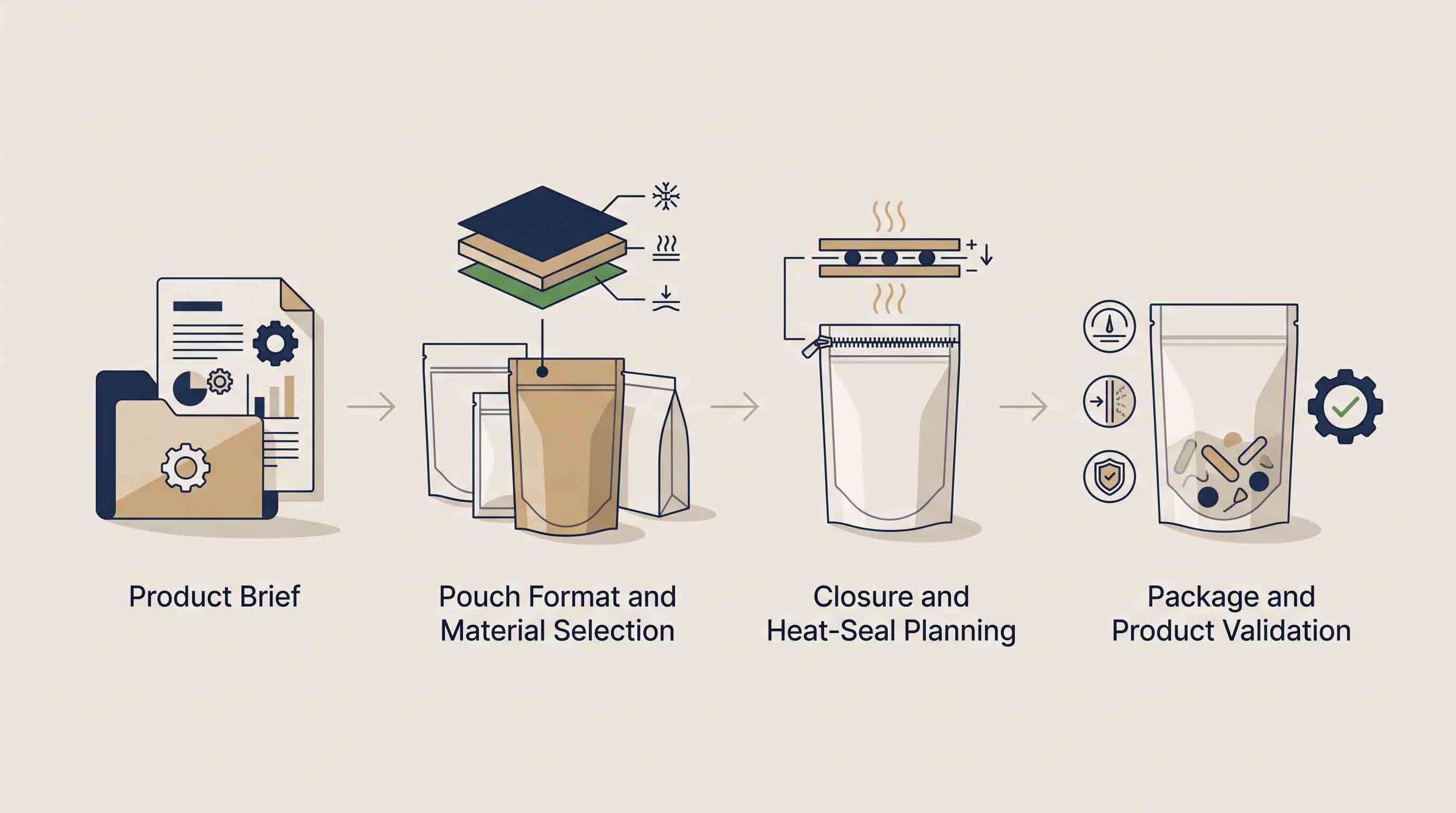
Step 1: Define the project brief
Start with the product category, target fill weight or physical volume, intended market, expected use cycle, preferred pouch format, shelf presentation, artwork, and closure arrangement. If the brand already has a packaging sample, provide it. If it has a current pouch problem, describe the observed issue without assuming the cause.
Step 2: Select a format to evaluate
Choose the format around the product and retail use case. A stand-up pouch may be a useful starting point where shelf display is important. A flat pouch may suit another product or presentation. The right format depends on the product, planned filling process, space for required information, and the experience the brand wants the package to support.
Step 3: Discuss material structure and visual direction
This is where a brand can evaluate opaque, metallic, kraft-look, holographic, or other visual directions alongside the material structure. Material names alone are not a shelf-life statement. The discussion should connect the desired presentation and handling requirements to the brand’s defined validation plan.
Step 4: Specify the closure and sealing approach
If a consumer-facing reseal function is needed, discuss the zipper configuration. If the packing process includes a top heat seal, describe the available equipment and process controls. If the destination market may require particular packaging features or documentation, identify that at the quotation stage rather than adding a vague claim to the package artwork.
Step 5: Decide what evidence the finished package needs
A supplier can provide samples and production information. The brand should define its own product and package qualification needs with the appropriate technical, quality, and regulatory stakeholders. Depending on the project, the plan may include package visual inspection, seal evaluation, shipping assessment, stability observation, or other project-specific work. The test method, sample plan, acceptance criteria, and product release decision belong to the brand’s documented quality system.
Step 6: Recheck after meaningful changes
New artwork, a different pouch size, a changed material structure, a new closure, a revised packing process, or a new market can change the package discussion. Treat the specification as a controlled project document, not a one-time sales description.
Recommended cannabis pouch configurations for brands
The following are published Mylarbag configuration examples that can serve as a starting point for a project conversation. They are not claims about shelf life, odor control, certification, or legal compliance. The final package should be evaluated against the brand’s own product, process, market, and validation requirements.
Matte-black stand-up pouch for a dark retail presentation
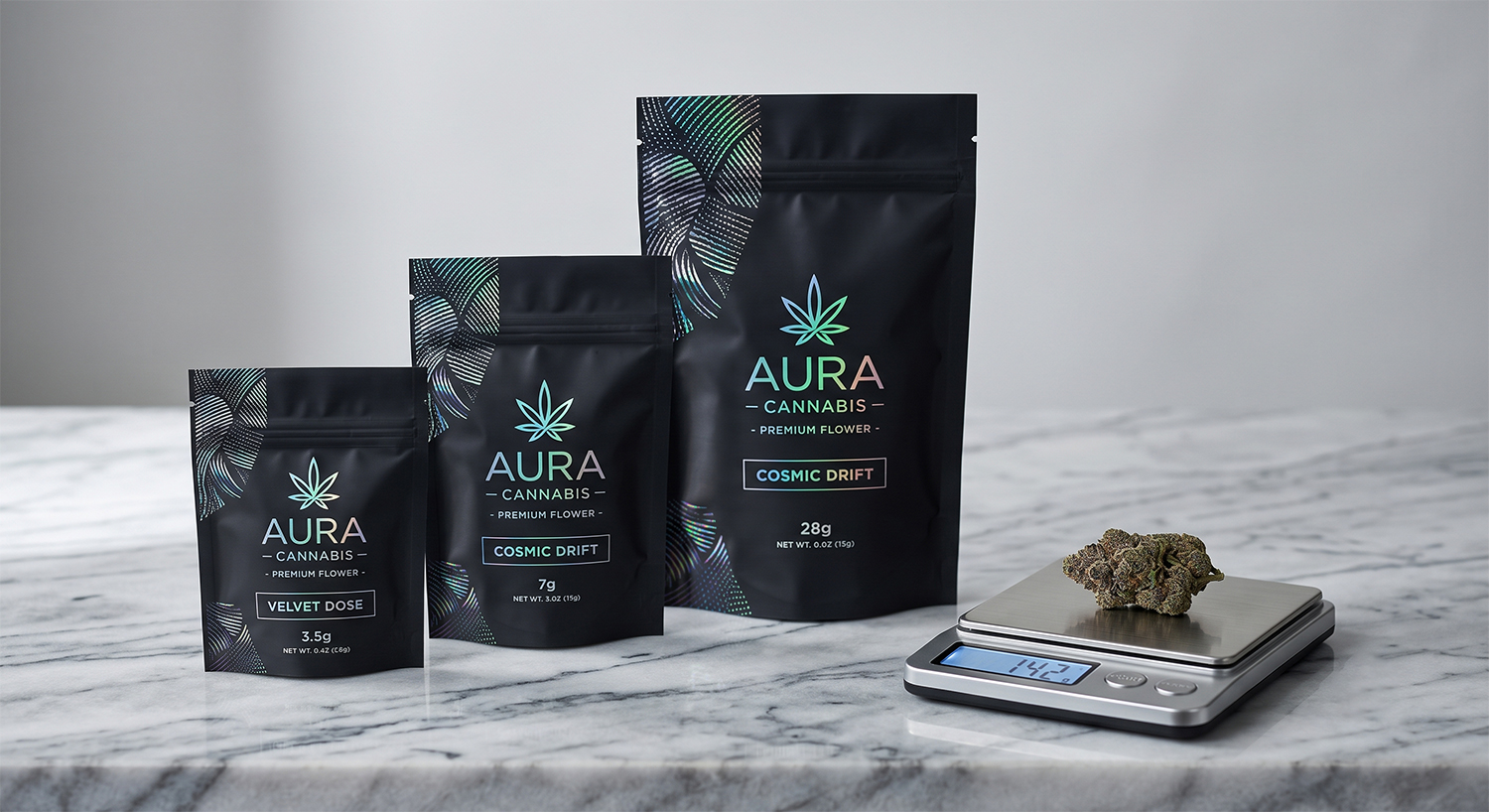
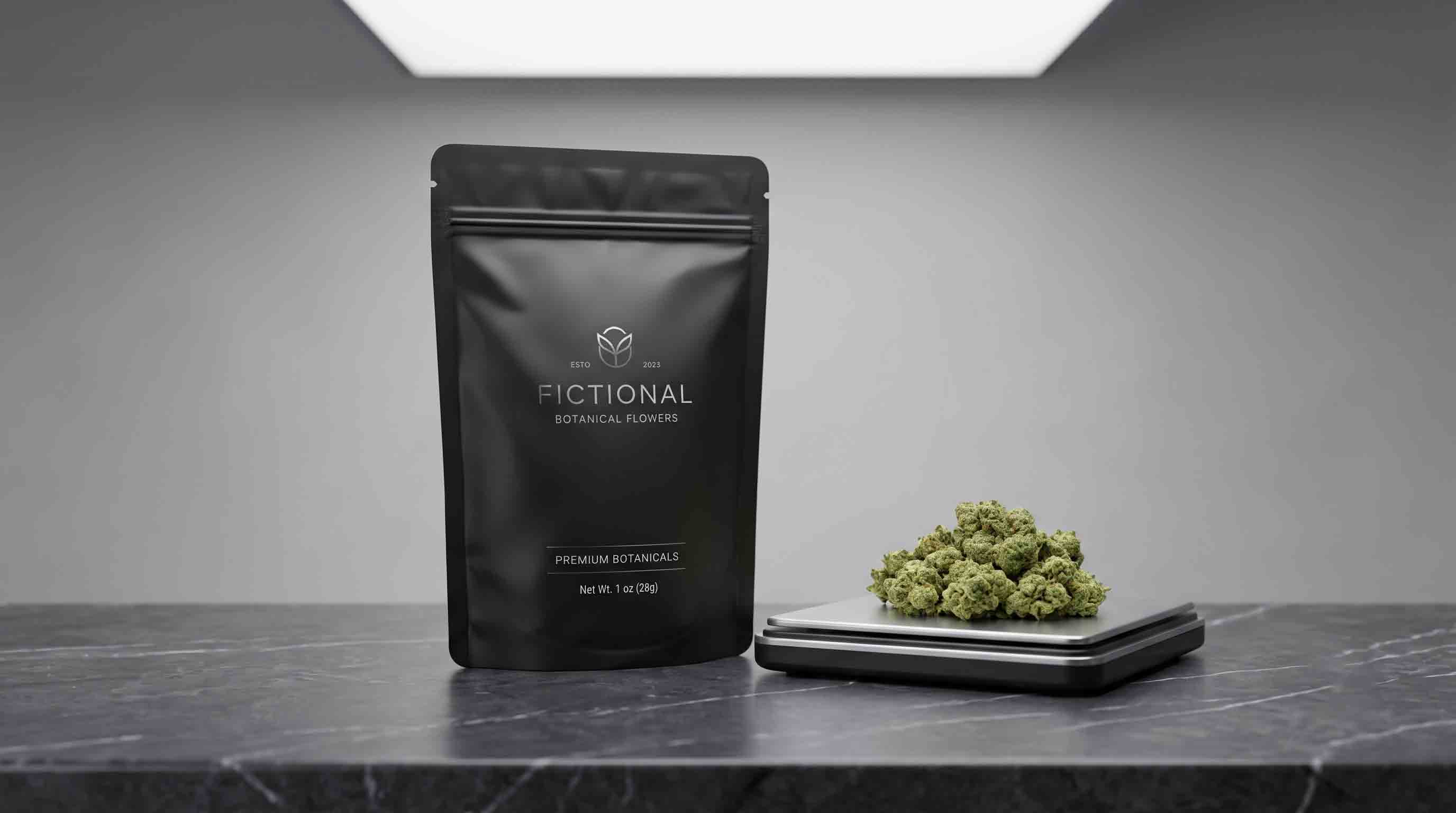
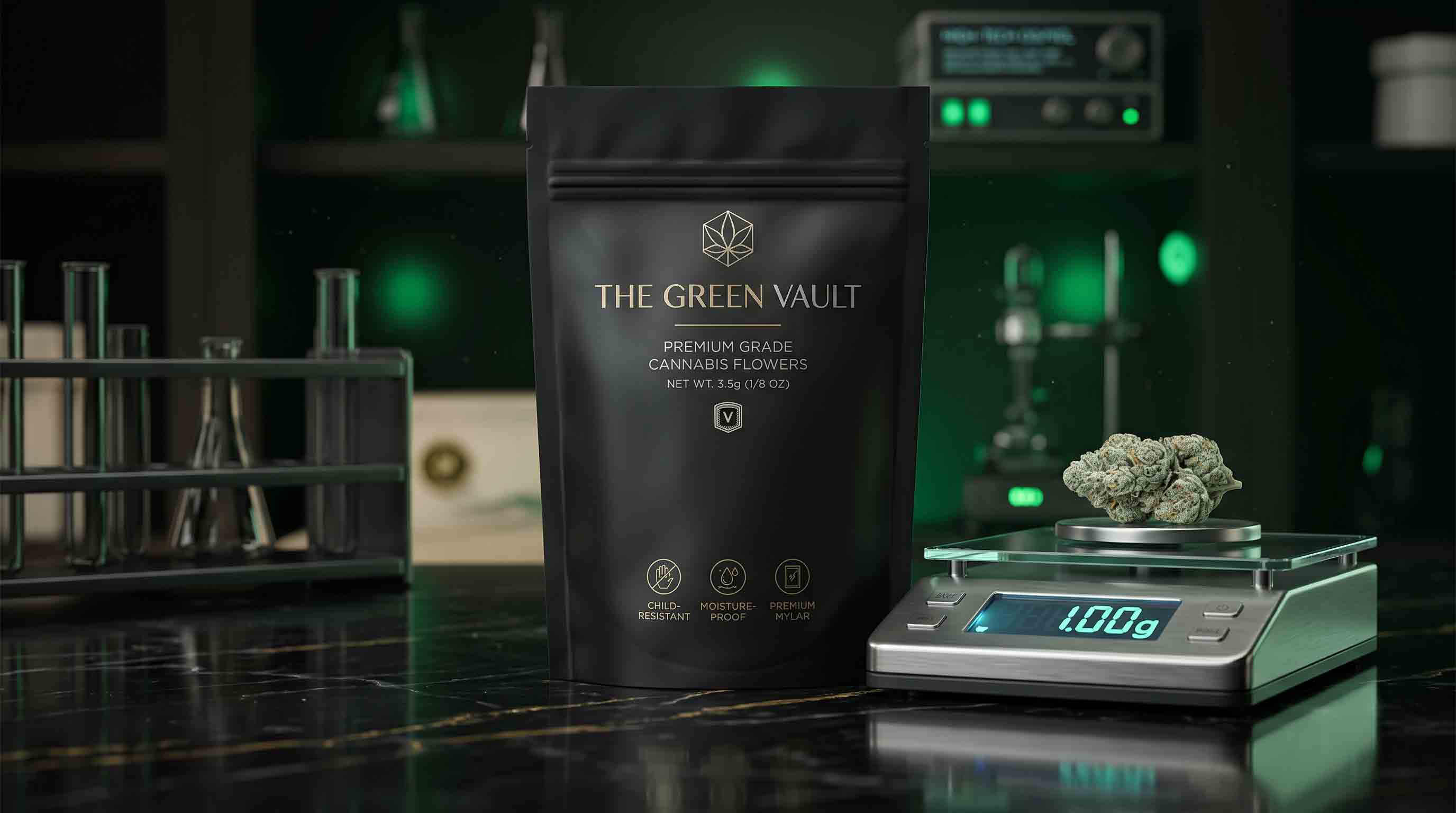
One published configuration uses a PET/VMPET/PE material structure in a matte-black stand-up pouch. This can be a useful starting point for a brand that wants a dark, printed retail presentation and a flexible pouch format. The appropriate dimensions, closure, artwork coverage, and sealing approach should be quoted for the actual fill and packing process.
Kraft-look stand-up pouch for a natural shelf direction
Another published configuration uses matte OPP/kraft paper/VMPET/PE in a stand-up pouch format. A published example lists a child-resistant zipper, but any child-resistant or market-specific requirement must be checked for the destination market and supported by the documentation relevant to that project. Use the example to discuss visual direction and functional needs—not to assume a compliance outcome.
Holographic stand-up pouch for a high-impact design direction
A published PET/Aluminized Laser/PE holographic stand-up pouch is another format reference. It is appropriate to discuss when a brand wants a more distinctive printed appearance. As with every option, the exact size, fill, closure, packing process, and validation requirements should determine whether the configuration is appropriate.
For formats, materials, printing choices, and samples, see Custom Cannabis Packaging. If you are preparing a new project, contact Mylarbag with the product category, target fill, destination market, preferred pouch format, artwork, closure features, packing process, and required documentation. That information is more useful than asking for a bag that is simply “good for six months.”
How brands validate a shelf-life statement without guessing
Packaging manufacturers and brands often lose time because the question is framed as a material-only question. A more reliable plan links the claim to a testable system.
| Project stage | What the brand should define | What the packaging discussion should produce |
|---|---|---|
| Product brief | Product format, target fill, intended use cycle, product requirements | A pouch format and initial sample direction |
| Package design | Structure, visual direction, closure, seal approach, artwork | A controlled package specification |
| Packing process | Filling method, sealing equipment, handling controls | A process-ready sample and seal-evaluation approach |
| Qualification | Product and package observations, relevant acceptance criteria, market documentation | Evidence appropriate to the brand’s claim and market |
| Ongoing change control | What triggers a reassessment | A way to avoid carrying an old claim into a changed project |
This does not require every small project to imitate a pharmaceutical stability program. It does require the brand to avoid unsupported language. A simple, well-defined packaging trial can be more useful than a marketing statement that cannot be defended later.
Common mistakes that make a packaging claim hard to defend
Treating a material name as a finished-product result
“Mylar” is often used loosely to describe many flexible pouch constructions. It is not a substitute for the project’s actual material structure, pouch format, seal configuration, product conditions, and testing plan. A material name cannot by itself prove shelf life.
Choosing a pouch before defining the fill and use cycle
An attractive pouch may still be the wrong size or closure arrangement for the product and packing process. Start with the product brief, then choose the pouch configuration.
Copying a competitor’s fixed shelf-life promise
Online storage articles often give confident but conflicting timelines. A brand should not copy those numbers into labels, sales materials, or a package specification without evidence from its own product and process.
Making a compliance claim from a visible feature
A zipper, an opaque layer, or a tamper-evident-looking element is not enough to make a regulatory claim. Define the destination market and documentation requirements first.
Hiding the inquiry behind a generic call to action
The best inquiry is not “I need bags.” It is “I am packing this product, at this fill, for this market, with this format and packing process.” That lets a supplier evaluate a real project and recommend a quote or sample path instead of giving a generic answer.
Packaging note: build the package around the claim you can support
If your brand is asking how long cannabis is good for in a plastic bag, begin by deciding what you need the retail package to accomplish. Then build a brief around the product, the pouch format, the market, the closure, the packing process, and the evidence you need.
Mylarbag can discuss custom flexible pouch configurations, printing options, samples, and project information for cannabis packaging. We do not need you to arrive with every technical field decided. Start with what is known: product type, target fill, target market, preferred package direction, artwork status, closure needs, packing process, and any required validation or documentation.
Discuss a custom cannabis packaging project
Need a packaging specification for your cannabis flower? Share your product category, target fill, target market, preferred pouch format, artwork, closure features, packing process, and any required documentation. We can help you evaluate a custom pouch and sample plan.
Contact Mylarbag for a Custom Quote
Frequently asked questions
How long is weed good for in a plastic bag?
There is no universal commercial answer. A bag alone does not set shelf life. The finished product’s initial condition, package structure, closure and seal, light exposure, storage and distribution conditions, and validation plan all matter. A brand should only make a shelf-life statement it can support for its own product and package.
Can a brand use a resealable plastic bag as a retail package?
It may be used in some projects, but a brand should first define the intended use cycle, shelf presentation, market requirements, closure needs, and product-quality plan. A generic resealable bag is not automatically a complete retail package specification.
Does a heat seal replace shelf-life testing?
No. A heat seal can be part of a package design and quality process, but it does not independently prove a product shelf life. The brand should define the relevant sealing requirements and any product/package qualification work for the finished system.
Does an opaque pouch automatically protect cannabis quality?
No. An opaque presentation can be evaluated where light exposure is relevant, but the package choice alone does not guarantee quality, a shelf-life period, or a regulatory outcome. The final product and package need appropriate validation.
What should I send a packaging supplier before requesting a quote?
Send the product category, target fill weight or sample, target market, preferred pouch format, shelf presentation or artwork, closure arrangement, packing process, and any required documentation or validation information. This lets the supplier discuss a configuration that fits the real project.
Does a child-resistant zipper prove the package is compliant?
No. A visible zipper or listed feature does not by itself establish compliance. Requirements vary by destination market, product type, and sales channel. The brand should verify the relevant rules and documentation for its project.
Source notes
- Fairbairn, Liebmann and Rowan, The stability of cannabis and its preparations on storage (1976)
- MacLaughlin and MacDonald, Is nitrogen-modified atmosphere packaging a tool for retention of volatile terpenes and cannabinoids in stored Cannabis sativa inflorescence? (2024)
- ASTM F88/F88M-23: Seal Strength of Flexible Barrier Materials
- ASTM F1886/F1886M-25: Visual Inspection of Primary Packaging