
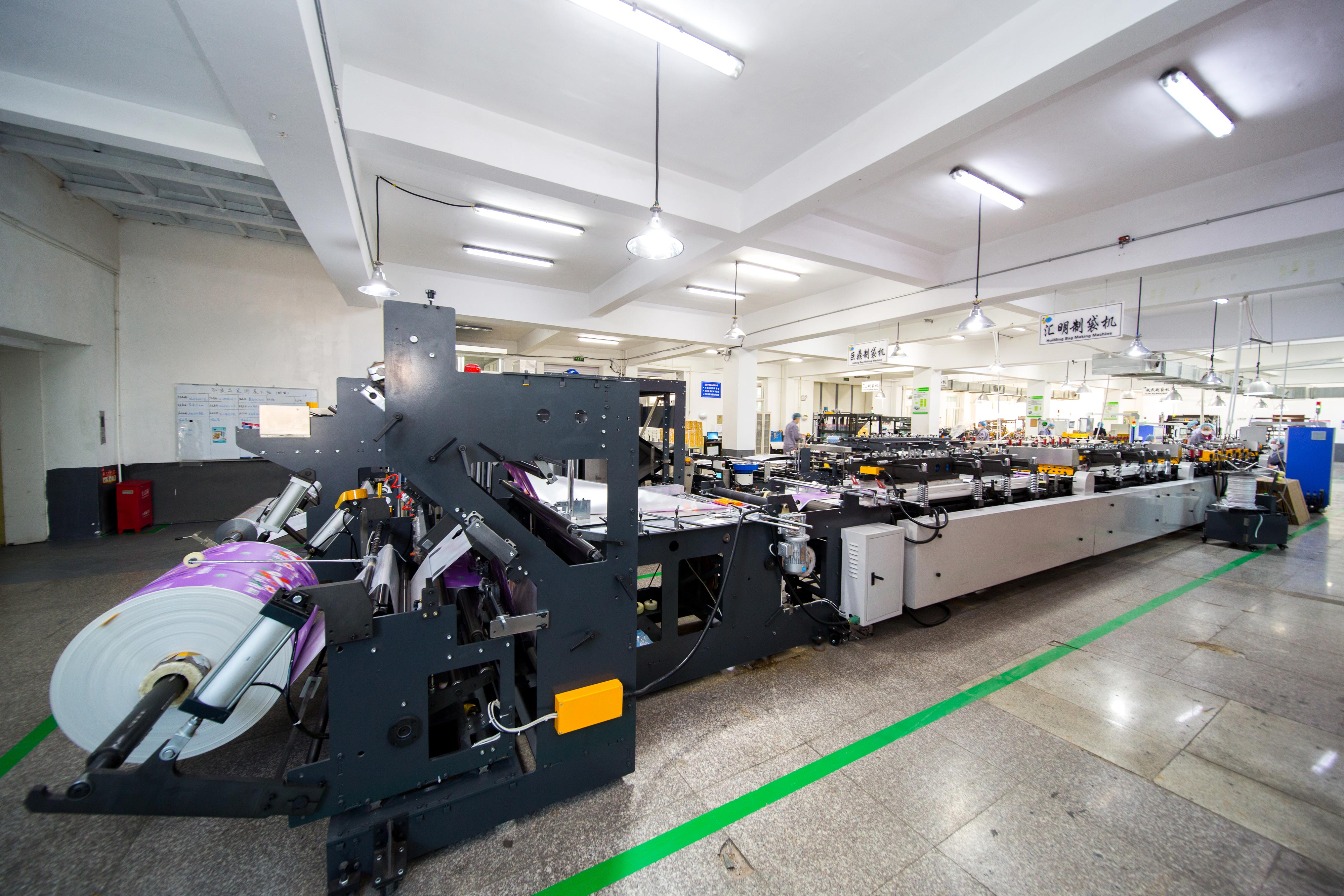
Tea bag packaging machines can form a tea bag, dose tea into it, close it, add a string or tag where the product requires one, place the unit in an outer envelope, count units into a carton, and prepare cartons for onward packing. But not every line performs every operation, and the sequence changes with the tea format, bag style, envelope, pack count, and degree of automation.
This guide explains a typical sequence and the questions that help a tea brand prepare a clear packaging brief. Actual equipment, line configuration, capacity, and quality controls must be confirmed by the operator or co-packer for the specific tea and finished pack.
A tea packaging line is usually a sequence of jobs
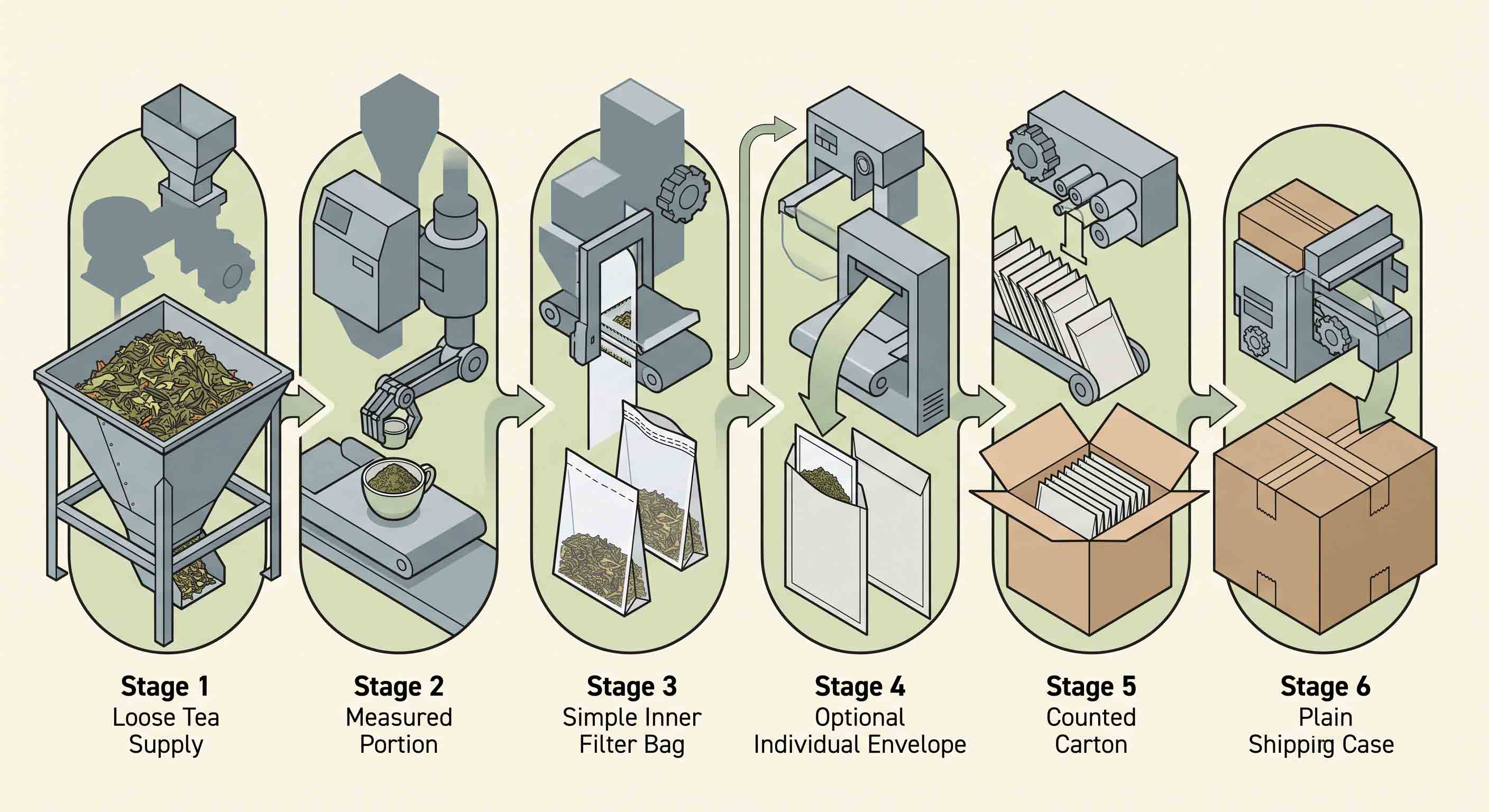
The public may imagine one machine taking loose tea in at one end and delivering retail cartons at the other. In practice, a line is often a set of connected or separate stations. Some are automatic, some semi-automatic, and some can be manual. The exact setup depends on the product and operations available.
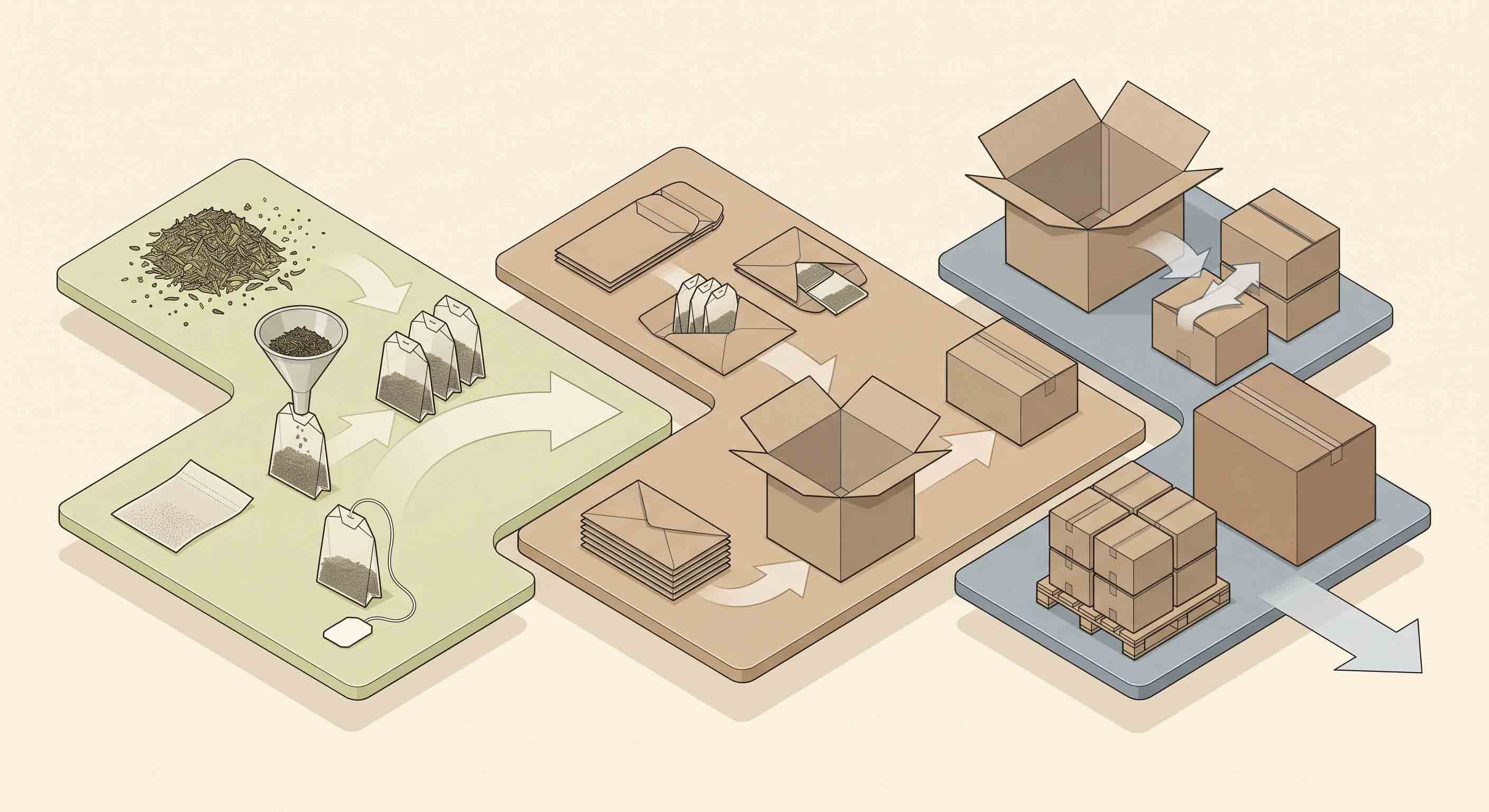
At a generic level, the jobs can include:
- preparing and feeding the tea;
- dosing or weighing the intended portion;
- forming the inner bag or placing product into a supplied bag;
- closing or sealing the inner unit;
- attaching a tag, string, or other component if the format uses one;
- placing the completed unit into an individual envelope if required;
- counting and arranging units into a carton or other outer retail pack;
- closing, coding, inspecting, and packing the retail unit for shipment.
Not every tea product follows this sequence. Loose leaf tea sold in a pouch follows a different fill-and-pack process than individual filter bags. A filter bag without an outer envelope has fewer packaging layers. A gift set may need additional handling. A useful project brief identifies the actual product architecture before anyone assumes what the machine must do.
Step 1: Prepare and feed the tea
The process begins with the tea that will actually be packed. Tea can vary in leaf size, cut, density, static behavior, blend inclusions, and fragility. Those physical characteristics can affect how it is moved and dosed. The production team needs an approved product specification and a representative sample, not only a product name.
Before a packing trial, clarify:
- the exact tea or herbal blend and its physical form;
- the target dose or net quantity;
- acceptable product variation and how it is checked by the responsible team;
- whether the tea contains large leaves, flowers, fruit pieces, powder, or other inclusions that require special evaluation;
- how the product will be stored and supplied to the packing operation;
- what cleaning, changeover, traceability, and quality procedures are required for the facility and market.
The real product should be part of the equipment discussion because a setup that suits one tea can require different settings or validation for another blend.
Step 2: Dose the intended tea portion
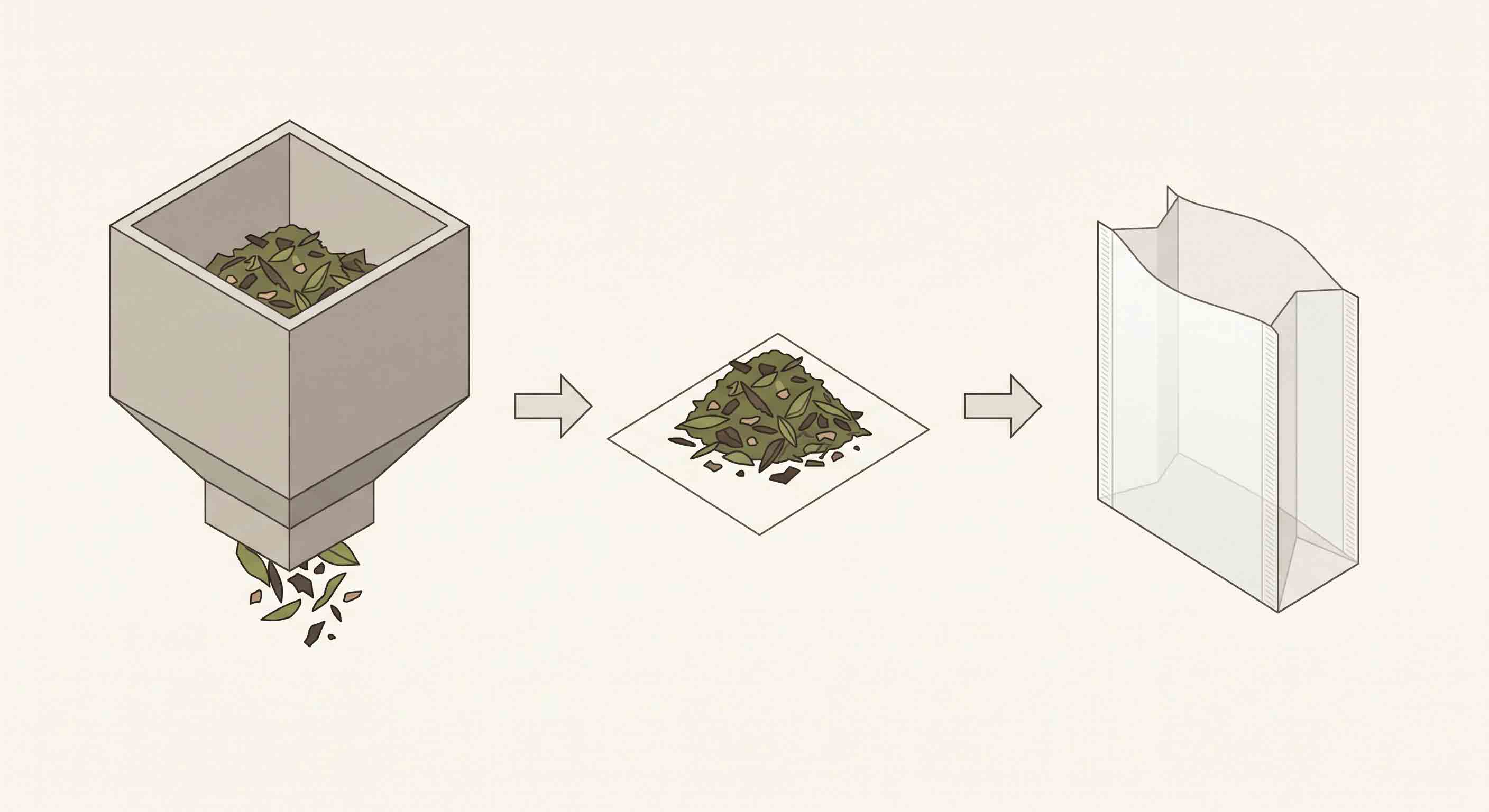
The dosing stage aims to place the intended amount of tea into the next packaging component. Depending on the production system, the portioning method and inspection approach may differ. The key point for a buyer is that target dose, product variation, and bag volume must be evaluated together.
For example, a loose whole-leaf tea may take up a different volume from a fine-cut tea at the same weight. A bag that appears large enough in a flat artwork view may be crowded once the actual portion is inserted. Conversely, a loose bag can make the product look inconsistent even if the weight target is appropriate. The line must be validated with the actual tea and the approved product specification.
Ask the production team how it verifies the filled unit against approved project requirements. The actual operator or supplier should confirm the relevant system rather than relying on generic performance claims.
Step 3: Form and close the inner tea bag
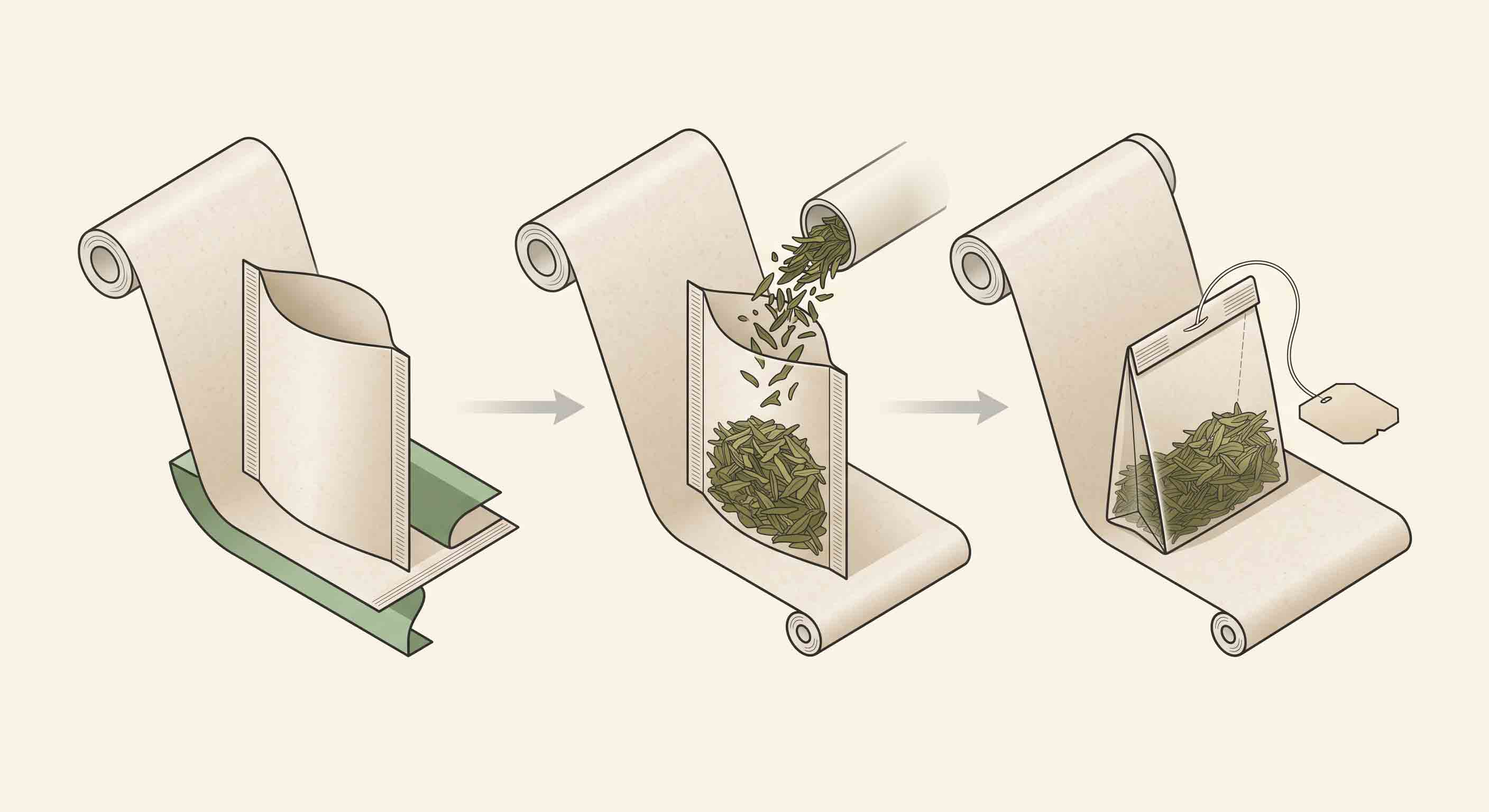
For tea-bag products, the inner pack may be a flat filter bag, a double-chamber style, a three-dimensional sachet, a larger brew bag, or another agreed format. The machine or process forms, fills, and closes that unit according to the selected materials and specification. IMA’s public tea-and-herbs equipment portfolio illustrates that tea packaging can involve different bag styles as well as cartoning and end-of-line equipment. The exact stages, specifications, and operating scope should be confirmed with the supplier or co-packer for the proposed project.
The inner-bag stage needs confirmation of:
- the exact bag style and finished dimensions;
- the material specification and intended food-contact documentation;
- the method for forming and closing the bag;
- string, tag, or attachment requirements if any;
- the tea portion and how it fits the finished bag;
- expected sample checks and changeover needs;
- the packs or markets to which the resulting product will be supplied.
Confirm these details through project documentation, samples, and an appropriate trial process.
Step 4: Add a tag, string, or outer envelope where required
Some tea products use a string and tag so a consumer can remove the bag from a cup. Other products are tagless. Some are placed inside an individual envelope; others are counted directly into a carton. These are product-format choices, not universal machine steps.
When a product has an individual envelope, the envelope needs to be designed around the assembled inner unit. Its artwork zones, final dimensions, orientation, opening method, and sealing areas must match the actual process. A string, tag, bulky botanical tea, or folded shape can change the envelope requirement. If the line will print or code the outer envelope, establish where that happens and how the information is verified.
Treat individual wrapping as its own packaging stage with its own materials and consumer-facing questions. Do not imply that an envelope guarantees a shelf-life, hygiene, recyclability, or safety outcome without evidence for the specific final pack and intended market.
Step 5: Count and carton the units
Once individual tea bags or envelopes are complete, the line may count them into cartons, display packs, trays, or other outer retail units. The required handling depends on pack count, assortment, carton structure, and sales channel. A single-flavor 20-count carton presents different counting and arrangement questions from a multi-flavor assortment or a foodservice pack.
During project planning, define:
- the retail count and any acceptable assortment pattern;
- carton or outer-pack type and dimensions;
- how units are oriented and protected within the carton;
- whether the pack has a dispenser feature, insert, or divider;
- required barcode, lot, date, or other variable information and the responsible owner;
- secondary packing route, including case pack, e-commerce mailer, or retail display needs.
The project should be validated with a complete selling unit. A completed inner bag alone does not prove that the carton closes, the count is clear, or the outer artwork remains legible.
Step 6: Inspect and release the packed product
Inspection can occur at more than one stage, but the exact checks are specific to the production system and product quality plan. A responsible tea brand should know who is accountable for the finished-product specification, packaging appearance, count, variable information, and records needed for the intended market.
Questions worth asking include:
- What physical sample or proof must be approved before a run?
- How will the responsible team confirm the correct tea, bag style, envelope, carton, and artwork version are in use?
- How are count, seals, printed codes, and visible defects checked in the actual process?
- What happens if a component or artwork version changes?
- What records are retained, and who receives them?
- Who is responsible for market-specific labeling and food-contact documentation?
The goal is to obtain project-specific answers before production, rather than treating a general process description as a finished quality plan.
Primary, secondary, and end-of-line packaging are different scopes
One reason packaging discussions become confusing is that a “tea packaging machine” can refer to different parts of the route:
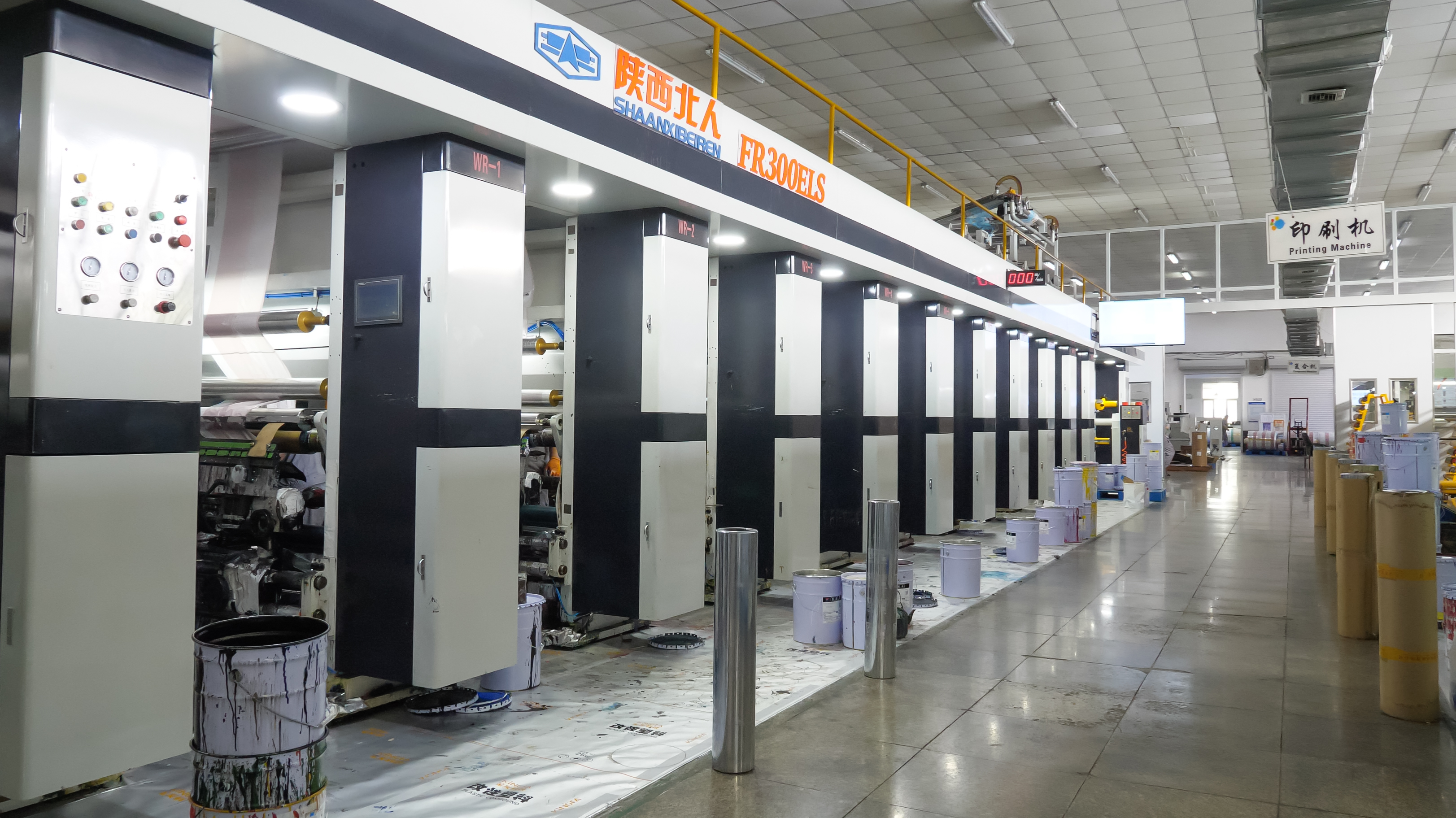
IMA’s public Tea & Herbs page illustrates categories that a buyer may encounter, including tea-bag packaging, cartoning, case packing, overwrapping, and palletizing. The actual operating scope for a project may use only some of these stages and should be confirmed with the operator or co-packer.
How to brief a tea packaging operation
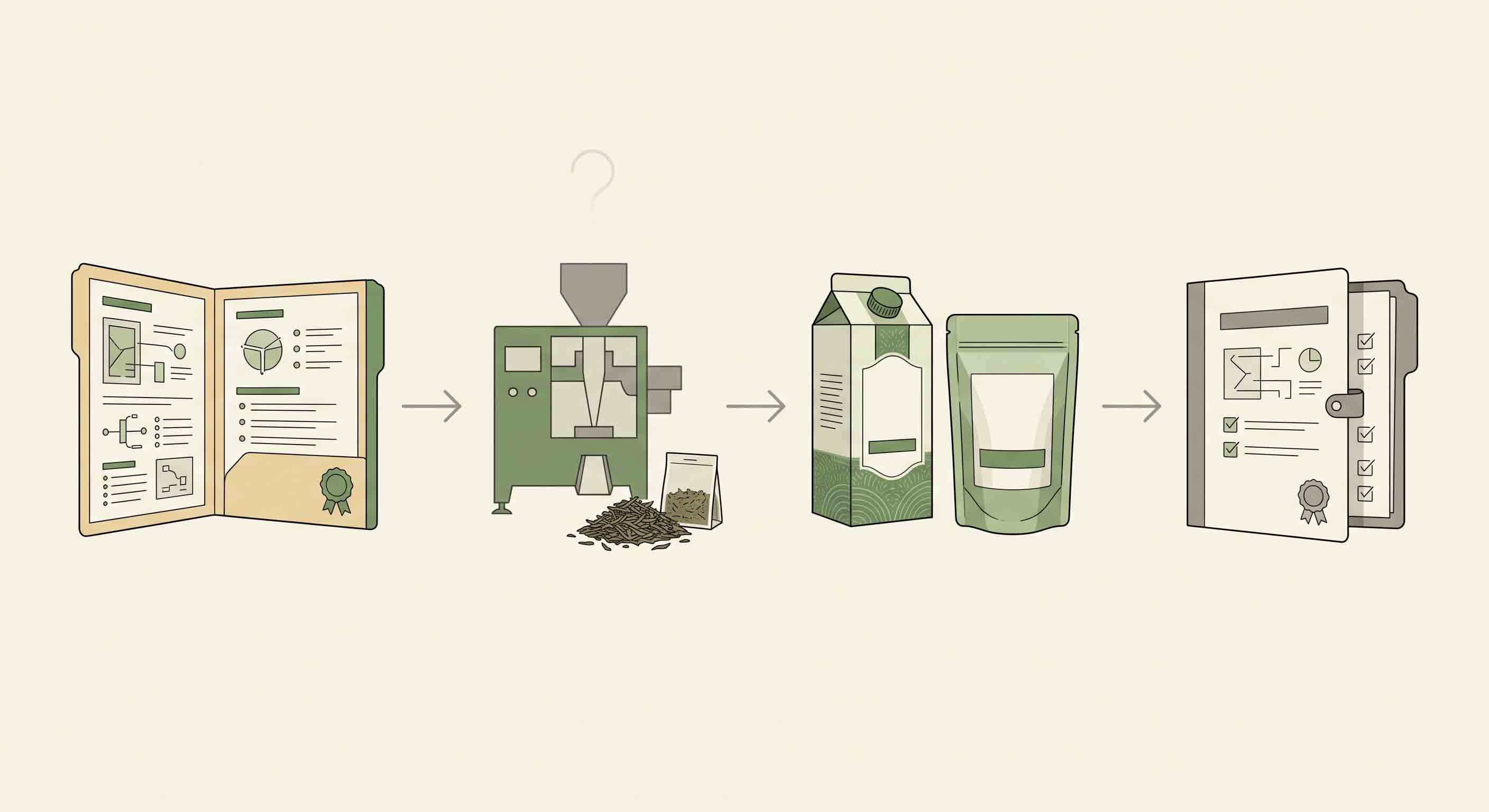
Bring a concise, product-specific brief to a supplier or co-packer. It should distinguish known requirements from open questions.
When some elements are unknown, say so. For instance, “outer envelope structure needs confirmation for target markets” is better than a vague “sustainable wrapper” instruction. The brief gives the actual machine or production expert the inputs needed to assess feasibility.
When a tea packaging project should be scoped commercially
If a brand has defined the tea, the desired bag or pouch format, individual-wrap need, pack count, artwork, and market, custom tea bags can be discussed as a packaging project. If customer-owned filling equipment is involved, include the relevant equipment and operating details in the brief so packaging fit can be evaluated. The discussion should distinguish the packaging scope from operational capabilities that need confirmation from the actual operator or co-packer.
Confirm the actual operating scope before committing
A general process overview can help a buyer recognize the stages in a tea packaging line. It cannot determine which equipment, co-packer, or format is right for a specific product. Machine suitability depends on the actual tea, packaging components, intended selling unit, throughput needs, quality requirements, changeovers, target market, and commercial arrangement.
Before choosing a route, ask the actual operator or supplier to review a project brief and representative samples. The review should identify what is confirmed, what needs a trial, and what falls outside the proposed scope.
IMA references provide context for the equipment categories discussed here; they are not equipment recommendations.
Frequently asked questions
How does a tea bag packaging machine work?
In general, a line prepares the tea, doses a portion, forms/fills/closes the inner bag, and may then add an envelope, carton, and shipping pack. The exact process depends on the product format and equipment, so confirm details with the actual supplier or co-packer.
Does one machine make the tea bag and carton it?
Sometimes a line is integrated, and sometimes it uses multiple connected or separate stages. Primary tea-bag packaging, cartoning, and end-of-line packing are different scopes that should be confirmed for the specific operation.
Can the same equipment pack loose leaf tea and tea bags?
They are different packaging tasks. A loose-leaf pouch and an individual filter-bag system have different product handling, format, materials, and outer-pack requirements. A supplier must confirm what its actual process can handle.
What should I ask before choosing a tea packaging machine or co-packer?
Provide the real tea, desired selling unit, bag/pouch format, pack count, artwork, market, and questions about samples, materials, quality checks, and changeovers. Ask the actual operator to confirm project-specific capability.
Does an individual wrapper make a tea bag shelf-stable?
Do not assume that it does. Any shelf-life or packaging-performance statement requires evidence for the exact tea, packaging structure, intended use, storage conditions, and final product specification.
What samples should I send before discussing a tea packaging line?
Share a representative tea sample, target dose or count, desired inner-bag and outer-pack format, plus any envelope, carton, artwork, market, or filling-equipment details already known. These inputs help the actual operator identify feasibility questions and the scope of any needed trial.
Sources
- IMA Tea & Herbs technologies: https://imagroup.com/tea-herbs/
- IMA C24-E tea bag packaging machine page: https://imagroup.com/machines/c24e/
- FDA food-contact overview: https://www.fda.gov/food/food-ingredients-packaging/food-packaging-other-substances-come-contact-food-information-consumers