
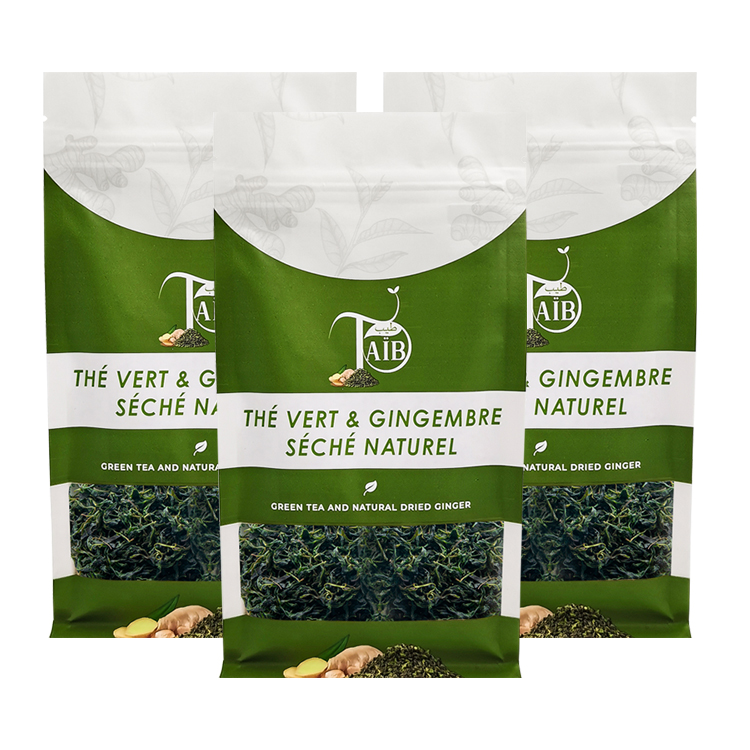
If you plan to sell tea bags, start by designing the complete pack system rather than buying a filter bag first. A commercial tea-bag format normally involves the tea blend and fill weight, an inner filter bag, an optional individual envelope, an outer retail pack, and a production method that can be checked before the first order. The right combination depends on the tea, sales channel, target market, and the evidence you need from suppliers.
It is written for tea brands, retailers, hospitality suppliers, and startup teams planning a packaged tea product. It maps the packaging choices that need to be made before launch; it does not replace food-law or product-safety approval. Requirements for food contact, labels, claims, and testing vary by market and must be confirmed for the exact product and destination.
Start with the product format, not the artwork
“Tea bag” can describe several very different commercial products. A paper filter bag with a string and tag, a pyramid sachet, a sealed flat pouch holding loose leaf tea, and a box containing individually wrapped portions all use different materials, machinery, quality checks, and artwork space. A useful first question is therefore not “What bag looks best?” It is “What will the customer open, brew, store, and repurchase?”
Write down the following before requesting packaging samples or quotations:
- Tea type and cut: whole leaf, broken leaf, fannings, powdered tea, herbs, or a blend with pieces of different size.
- Intended serving: single cup, teapot, travel portion, hospitality service, retail box, or bulk foodservice pack.
- Target fill weight and the range allowed after test brewing.
- Whether the product is sold as a filter bag, loose leaf tea, or both.
- Target sales market and any buyer, retailer, or food-contact documentation requirements.
- Whether a consumer needs to reseal the pack after first opening.
- The expected packaging process: hand packing, co-packer, semi-automatic line, or a high-output packing line.
These decisions stop a common failure: choosing a visually appealing pack and discovering late in the project that it is too small for the leaf volume, unsuitable for the filling process, or missing the space needed for required information. Good packaging starts with the product system and then makes the shelf presentation support it.
Map the five layers of a sellable tea product
Many new brands think only about the inner tea bag. In reality, a retail product may have up to five useful layers. Not every product needs all five, but every one should be considered deliberately.
1. The tea blend and fill weight
The tea itself determines how much volume the pack needs. Two blends with the same gram weight can occupy very different space. Fine black-tea particles settle densely. Large white-tea leaves, chamomile heads, dried fruit, or long herbal pieces may need much more room. The right fill weight is established through repeatable test brews, not by copying another brand’s printed weight.
Set a starting target, define the acceptable tolerance with your production partner, and test the product with the actual tea, water volume, steeping instructions, and final filter format. That information becomes the bridge between product development and packaging sizing.
2. The inner filter bag or sachet
The inner bag controls how consumers interact with the tea. A conventional flat format can suit finely cut tea. A larger three-dimensional sachet can offer more room for leaf expansion. A string-and-tag format may be practical for a cup-oriented product. A tagless format may be more appropriate where the bag is brewed in a pot or large dispenser.
Do not describe a filter material as food-safe, plastic-free, compostable, or suitable for a particular brewing temperature unless the exact material has current documentation for the applicable use. A supplier should be able to identify the material, sealing method, intended use, and available supporting records. The FDA treats packaging components and other materials that contact food as food-contact substances; U.S. buyers should evaluate the specific intended use rather than rely on a generic phrase such as “food grade.”
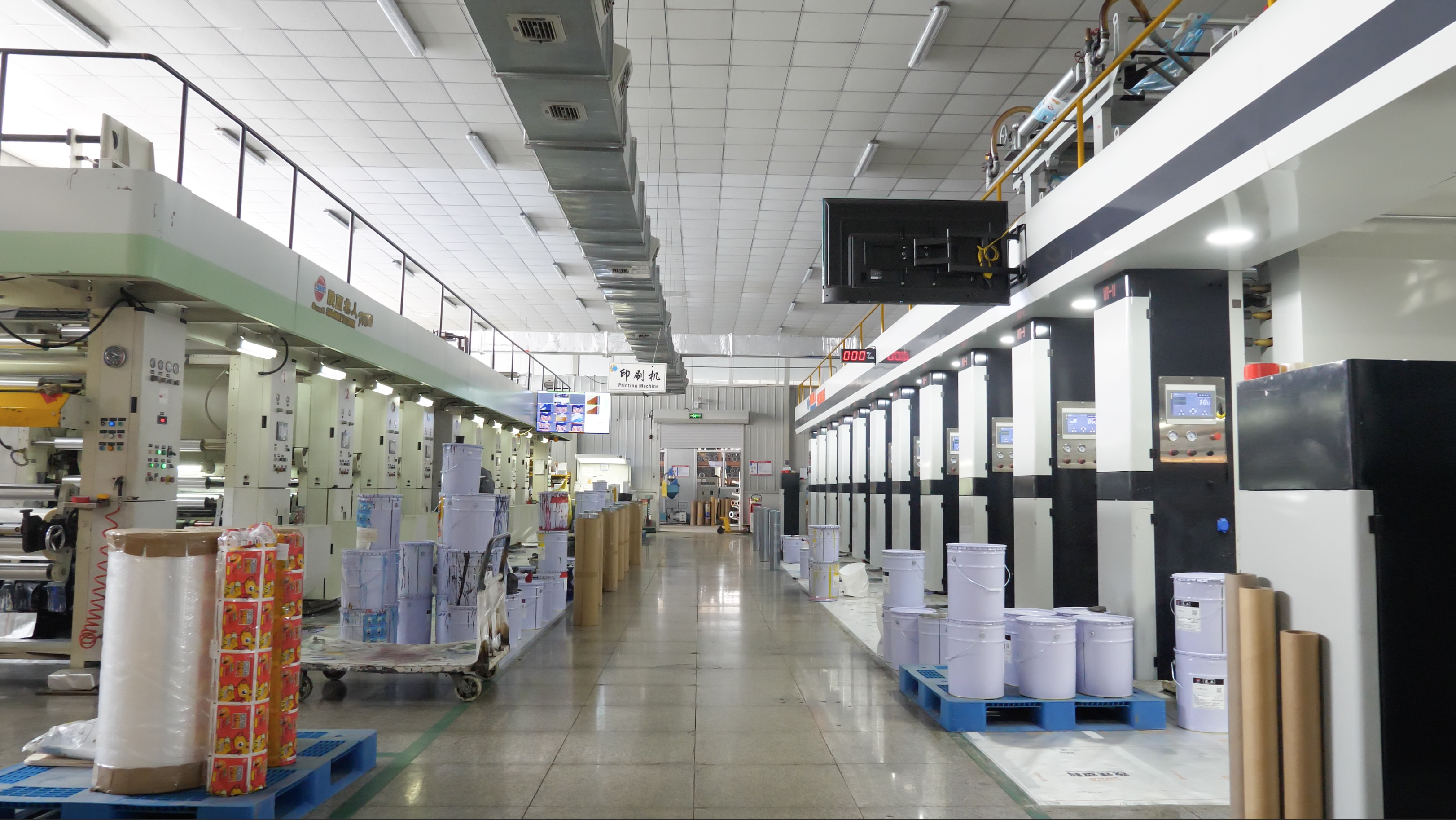
3. The individual envelope, if the product needs one
An individual envelope is not automatically necessary. It can make sense for hotel rooms, workplace pantries, gift sets, travel packs, and products that are opened one serving at a time. It adds material, artwork, packing steps, and disposal considerations. For a tea box used at home, a protective outer pouch or a controlled carton system may be sufficient instead.
The decision should follow the product journey. Ask whether a single tea bag will be handled away from the main pack, exposed to changing environments, or given to another person. If the answer is yes, an individual envelope may be worth evaluating. If not, a simpler pack can reduce complexity without making a blanket claim about performance or sustainability.
4. The primary retail pack
The primary retail pack holds the sellable unit. For loose leaf tea, it may be a stand-up pouch, box-bottom pouch, flat pouch, tin, or a pouch placed inside a carton. For tea bags, it may be a carton holding a stack of bags, individually wrapped envelopes, or a pouch-based multipack.
Choose the structure based on the actual product and shelf role. A format that stands on its own may provide more front-facing artwork area. A flat pack may work for small samples or single-serve portions. A larger gusseted format may be evaluated for bulk tea or foodservice. There is no universal “best tea bag”; there is a specification that matches the tea, pack count, filling method, and presentation goal.
For a branded project, the relevant next step is to discuss the packaging format and artwork requirements with a supplier rather than select a generic stock bag in isolation. Custom tea packaging options can be scoped around your tea type, format, and target pack configuration.
5. The shipping and display layer
Retail packs still need to move through packing, warehousing, transport, and shelf handling. Cartons, dividers, master cases, and pallet patterns belong in the conversation even when the immediate brief is “just the pouch.” A packaging structure should be reviewed with the full route in mind: filling, sealing, case packing, storage, delivery, retail display, and consumer use.
Decide what information the consumer needs to see
Packaging is a communication surface as well as a container. The exact label requirements depend on market and product category, so this article does not provide jurisdiction-specific legal advice. However, brands normally need to plan space for a product name, tea type or blend description, net quantity, brewing instructions, lot or date coding area, storage guidance, and any market-specific information confirmed by the responsible team.
Build this information into the artwork brief from the beginning. Do not treat it as small text that can be squeezed in after illustrations, a logo, and marketing copy have already taken every panel. The available space is different on an individual envelope, a small filter-bag tag, a tea carton, and a loose-leaf pouch.
Use a packaging specification, not a mood board alone
A mood board is useful for color, finish, and brand direction. It does not tell a manufacturer what must be made. Turn the brief into a compact technical specification that includes:
This document makes a supplier conversation more productive because it exposes missing decisions early. If an item is undecided, mark it “to be evaluated” rather than inventing a requirement.
Build samples into the project plan
The first sample is not a final proof of every performance outcome. It is a decision tool. Use it to check whether the product fits, whether the opening feels appropriate, whether the artwork is readable, whether a pack stands or stores as intended, and whether the selected structure works with the filling method.
For tea bags, test brewing is essential. Test the actual blend, not a substitute. Record the fill weight, the amount of room left for leaf expansion, the brew instructions, and any handling issue that changes the product experience. For outer packs, inspect the actual construction, artwork placement, closure use, and whether the pack works with the planned sales channel.
Where a buyer requires particular test reports, food-contact documentation, or environmental evidence, request those items for the exact structure before making an external claim. “Available on request” is not proof unless the current document, scope, and applicable conditions have been reviewed.
A practical launch sequence for a small tea brand
Small teams often move faster by keeping the project in stages:
- Define the tea, serving format, and first sales channel.
- Test the target fill weight and brewing experience.
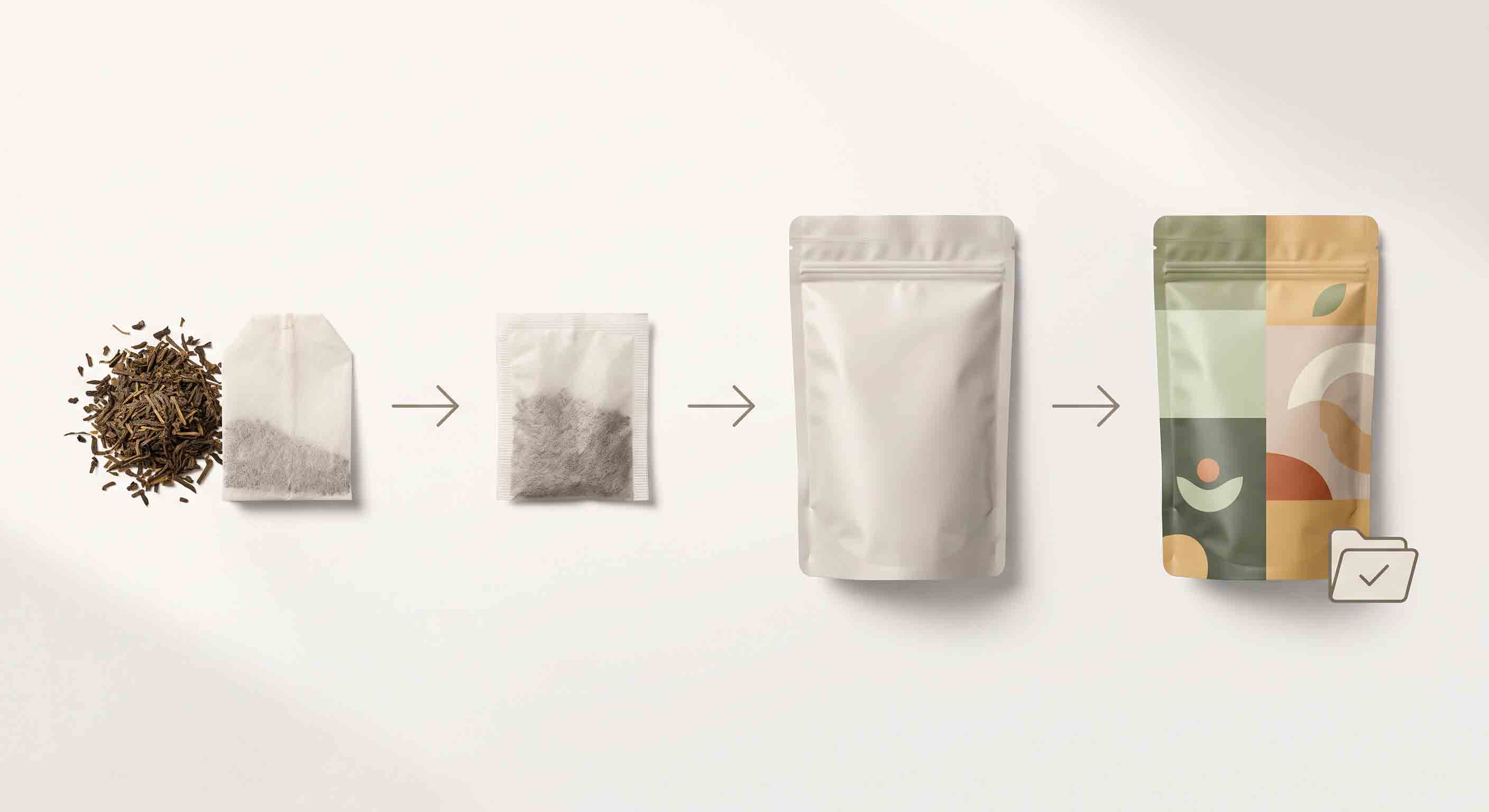
- Choose the pack architecture: filter bag only, filter bag plus envelope, loose leaf pouch, or a combination.
- Select provisional dimensions based on real product volume and sample checks.
- Prepare artwork on the approved dieline, including the required information areas.
- Obtain and review samples before approving the wider run.
- Confirm production, quality checks, packaging of the empty packs, and delivery requirements.
- Keep a record of the final materials, artwork revision, and approved sample for repeat orders.
This process is useful whether the brand has one blend or a full range. It also makes future SKU additions easier because the team knows which elements are fixed and which can change.
Turn the pack decisions into a launch brief
For a new project, a practical configuration discussion usually starts with four variables: product format, fill weight, pack count, and sales channel. A single-serve hospitality product may call for an inner bag plus an individually handled outer pack. A specialty loose-leaf product may be evaluated in a resealable retail pouch. A larger foodservice product may require a bulk format and a different handling plan.
The point is not to prescribe one material or one bag type for every tea. It is to make the packaging decision explicit before artwork and procurement lock the project into an unsuitable format. If you are preparing a branded tea launch, you can discuss a tea packaging project with the product category, target fill, market, artwork status, closure preference, and expected quantity ready for review.
Assign the work to the right owner
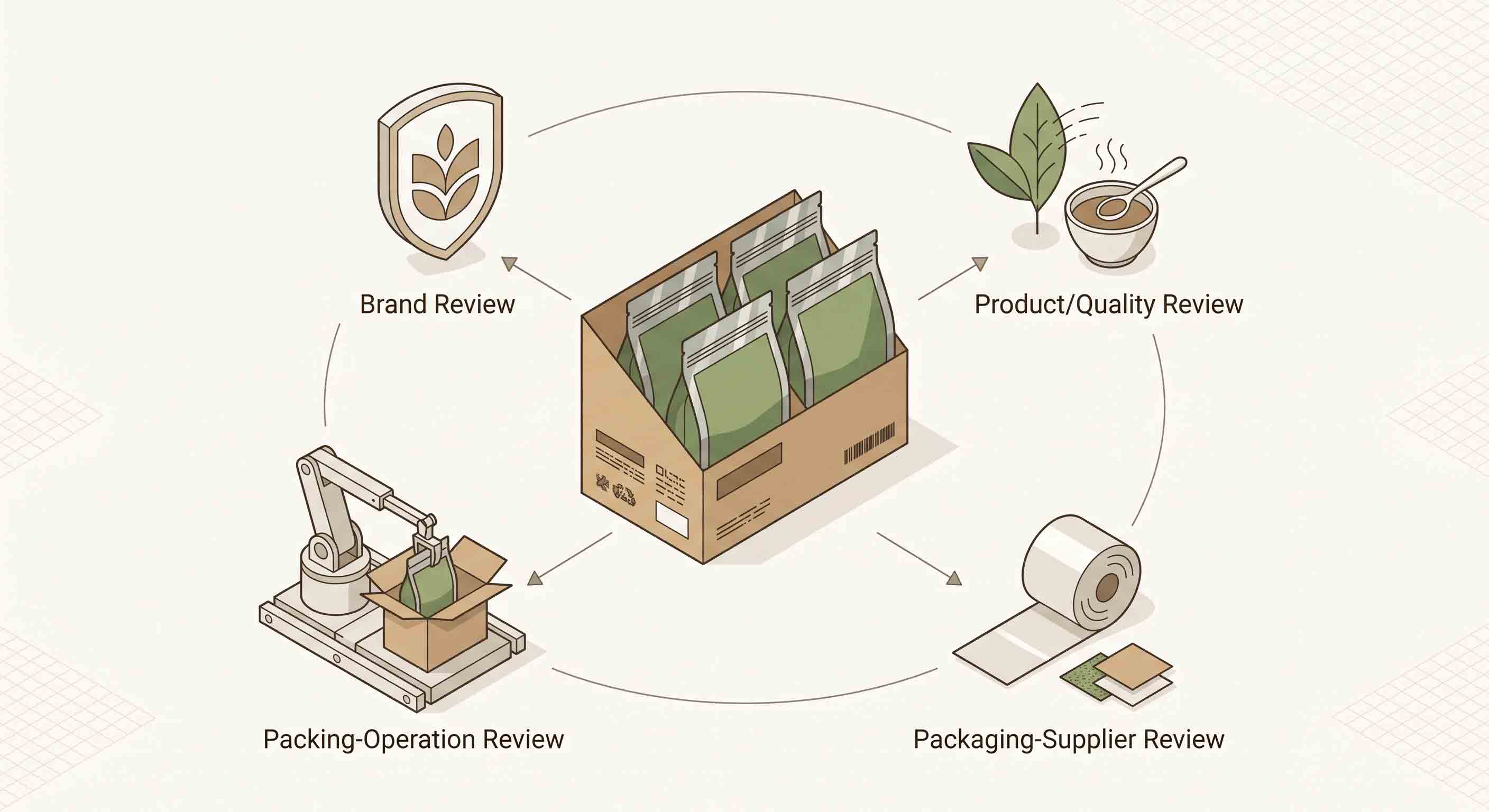
Tea packaging projects usually cross several responsibilities. A brand owner may approve the product story and design. A tea developer or quality team may own the blend and preparation instructions. A packaging supplier may provide an approved dieline, component specification, and samples. A co-packer may control the filling sequence and production checks. A retailer or importer may have additional requirements. The useful outcome is not to assume that one party has approved every decision; it is to record who is accountable for each one.
This matrix is especially useful for a small brand working with external partners for the first time. It makes the gap visible when a design team has created an attractive pack but no one has confirmed the product fill, machine route, or market wording. It also prevents a supplier data sheet from being misunderstood as final consumer-claim approval.
Avoid the five mistakes that delay a tea launch
The most expensive packaging surprises usually appear at the handoff between product, artwork, and operations. These checks help uncover them before a large order.
Ordering a stock bag before defining the tea volume
An empty bag can look generous until the tea, string, tag, and sealing allowance are inside it. Use the real blend and target portion in an early sample. The right answer may be a different bag geometry, a changed pack count, or a revised outer pack—none of which can be decided reliably from a product thumbnail.
Treating the first mock-up as a final production proof
A visual mock-up can confirm hierarchy and general fit, but it may not represent the final material, folds, closure, print registration, or packing route. Keep a clear distinction between a concept mock-up, a filled functional sample, an artwork proof, and the final approved production sample.
Leaving required information until the end
When product facts and variable-code areas arrive after the design is “finished,” teams often shrink text, move it into a fold, or create a different artwork version for every market without a controlled review. Create the content inventory and dieline zones at the beginning, then update them only through an agreed approval process.
Mixing a packaging claim with a design preference
A kraft visual, a green palette, a leaf illustration, or a window is a design choice. A statement about food contact, recycling, composting, shelf life, or product protection is a factual claim. Keep the evidence track separate from the visual track. If the support is not ready, use neutral design language and hold the claim.
Forgetting the second order
The first production run is not the last packaging decision. Record the tea sample, approved fill, material specification, artwork version, sample photos, sign-off date, and unresolved questions. This makes a repeat order, a new blend, or a market expansion more controlled. It also stops a discontinued component or an old claim from silently reappearing in a revised pack.
Frequently asked questions
Do tea bags need to be individually wrapped to be sold?
No single format is required for every tea product. Individual wrapping is a packaging choice that can suit travel, hospitality, gifting, or single-serving distribution. The decision should be based on the use case, pack design, material evidence, and target-market requirements.
What is the best outer packaging for tea bags?
The best outer pack is the one that fits the tea format, count, display goal, and handling route. Compare a pouch, carton, envelope system, or combined pack against the real product and sample it before final approval.
Can a startup package tea bags by hand?
Some early-stage projects begin with manual steps, but the product, hygiene controls, label obligations, and repeatability still need to be managed for the relevant market. If output grows, evaluate whether the process, equipment, or a qualified co-packing partner can maintain the agreed product specification.
What should I ask a tea-packaging supplier before requesting a quote?
Share the tea type, target fill or sample, intended package format, artwork status, target market, closure preference, expected quantity, filling method, and any documentation requirements. Ask which details need validation through samples rather than treating them as fixed assumptions.
Can I claim that my tea packaging is recyclable or compostable?
Only when the exact claim is supported for the pack, components, market, and collection or processing conditions. Environmental claims should be qualified where needed and supported by current evidence.
Sources
- FDA food-contact overview: https://www.fda.gov/food/food-ingredients-packaging/food-packaging-other-substances-come-contact-food-information-consumers
- FTC Green Guides: https://www.ftc.gov/news-events/topics/truth-advertising/green-guides
- Related Project record: https://www.mylarbag.net/products/food-packaging/custom-matte-flat-bottom-tea-pouch-with-clear-window-matoppvmpetpe-for-125g-loose-leaf-green-tea-herbal-blends