
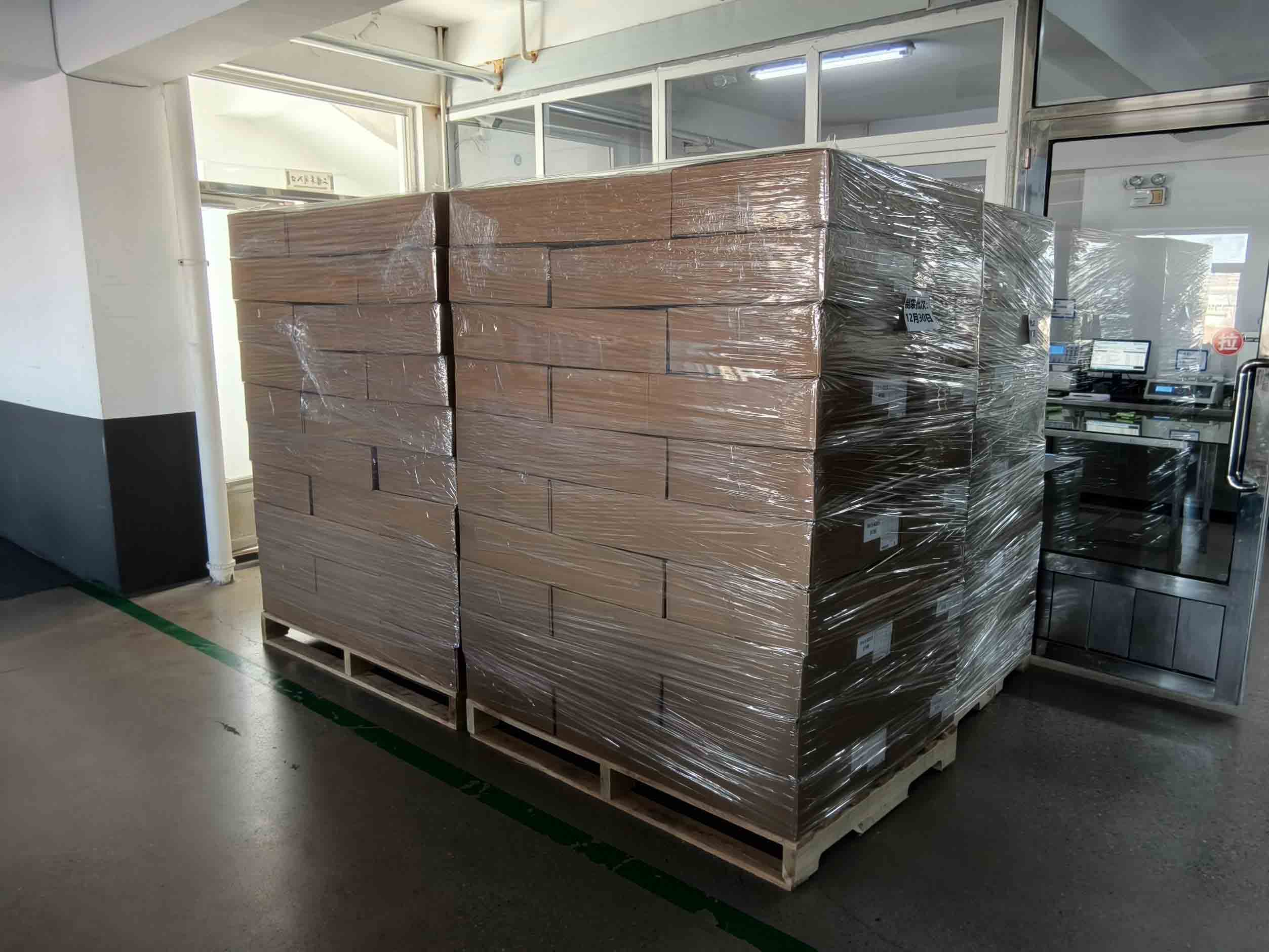
First, Decide Which “Coffee Bags” Are Moving
The phrase coffee bag shipping can describe three very different jobs:
- A packaging supplier sends empty coffee pouches to a roaster or co-packer.
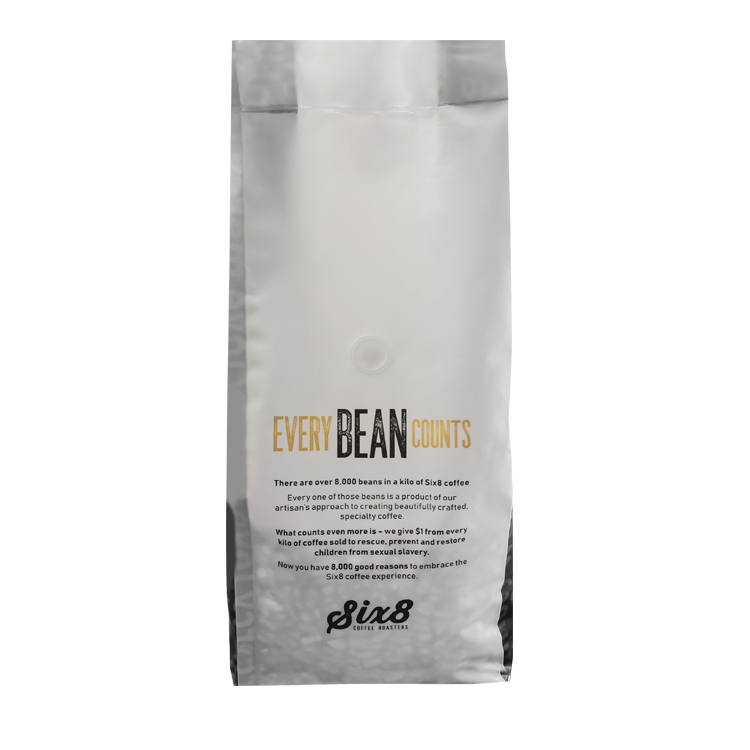
- A roaster sends already filled retail bags of coffee to a wholesale account or an online customer.
- A trader or importer moves sacks of green coffee beans.
The loading logic, product information, and risk points are different in each case. This article is about the first job: planning the inbound shipment of empty flexible coffee packaging. It is written for someone who needs to compare a packaging quotation, prepare warehouse receiving, or ask a supplier a meaningful pallet or container question.
If your coffee is already inside the pouch, you are planning an outbound fulfillment shipment. Your data set should then include the filled pouch, the outer mailer or master carton, order mix, and carrier requirements. If you are moving green coffee, the unit is usually a commodity sack or bulk format, not a carton of empty flexible pouches. Neither of those calculations should be reused for an empty-pouch purchase.
Make this distinction at the start. A buyer may find a widely repeated container number for green coffee and try to use it for a purchase of empty pouches. The two items have different shapes, packing methods, and commercial documents. A quote can only be meaningful when it names the correct shipping unit.
The Shipping Unit Is a Carton, Not a Loose Pouch
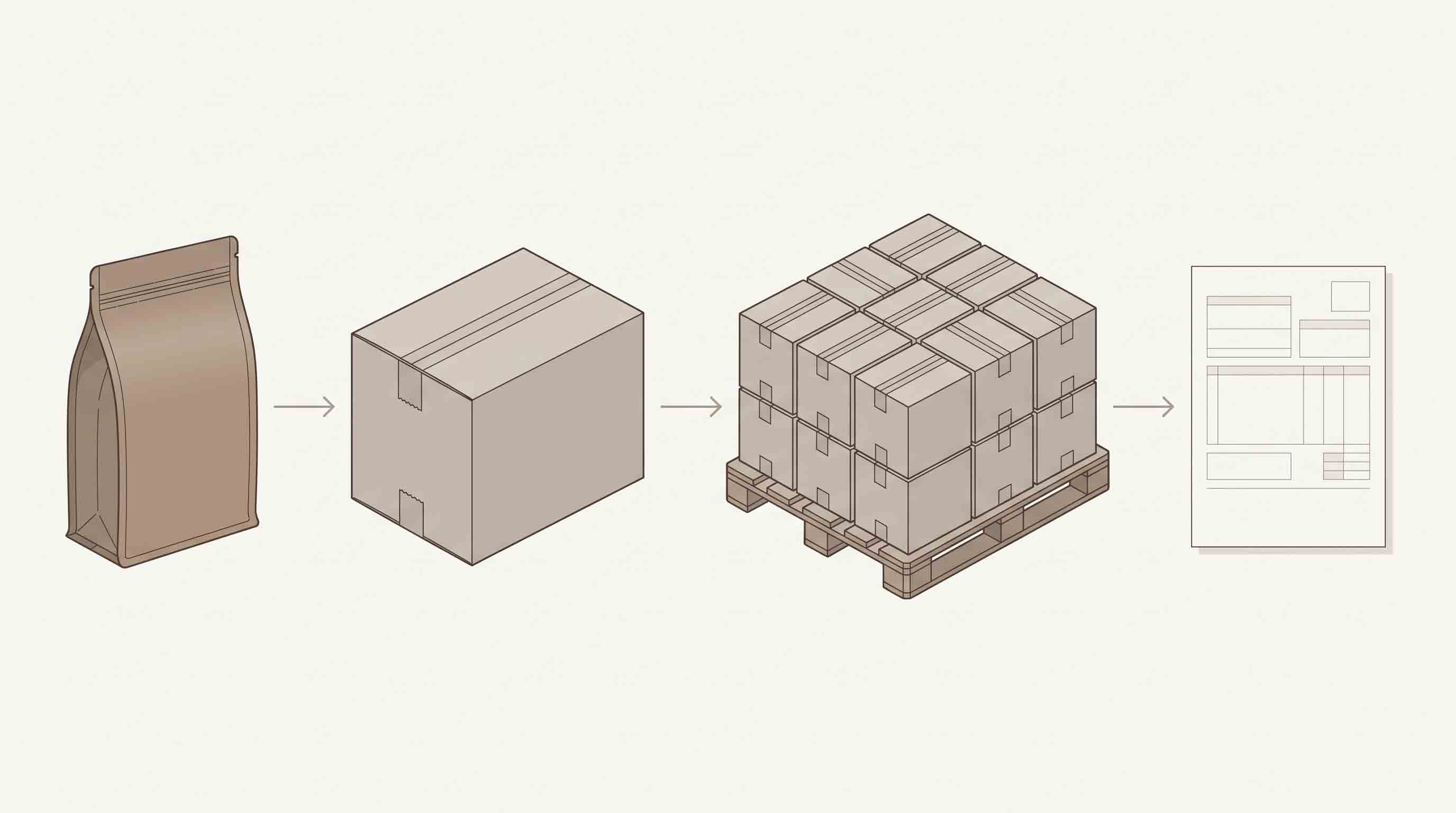
An empty pouch can be folded, nested, or arranged in a way that is not apparent from the front-panel dimensions. A flat-bottom bag has folds and panels. A side-gusset pouch has a different profile. A configuration may include a valve, zipper, tear feature, or another part that should be part of the approved pouch record. None of that produces a reliable freight quantity on its own.
For inbound packaging, the operational unit is usually the master carton. A supplier’s carton record connects the pouch count to a physical outer package that a warehouse, carrier, or forwarder can handle. Until that record exists, “How many bags fit on a pallet?” is an incomplete question.
Ask for the following information together, rather than as separate messages scattered across an email thread:
The front width and height of a pouch are useful for package design, but they do not replace this record. A pouch can have the same front-panel dimensions as another pouch and still be packed differently because its format, finished construction, or chosen configuration is different. Treat a supplier’s carton information as part of the specification, not as a shipping detail to chase after the pouch has been approved.
That is also the point at which a roaster can use the broader custom coffee bag options conversation properly. The pouch brief and the shipping brief should meet in one place. If you have a physical reference pouch, an artwork file, or a target format, include it. If something is still undecided, mark it as open rather than silently carrying an old assumption into a freight request.
Build the Carton Record Before You Build a Pallet Plan
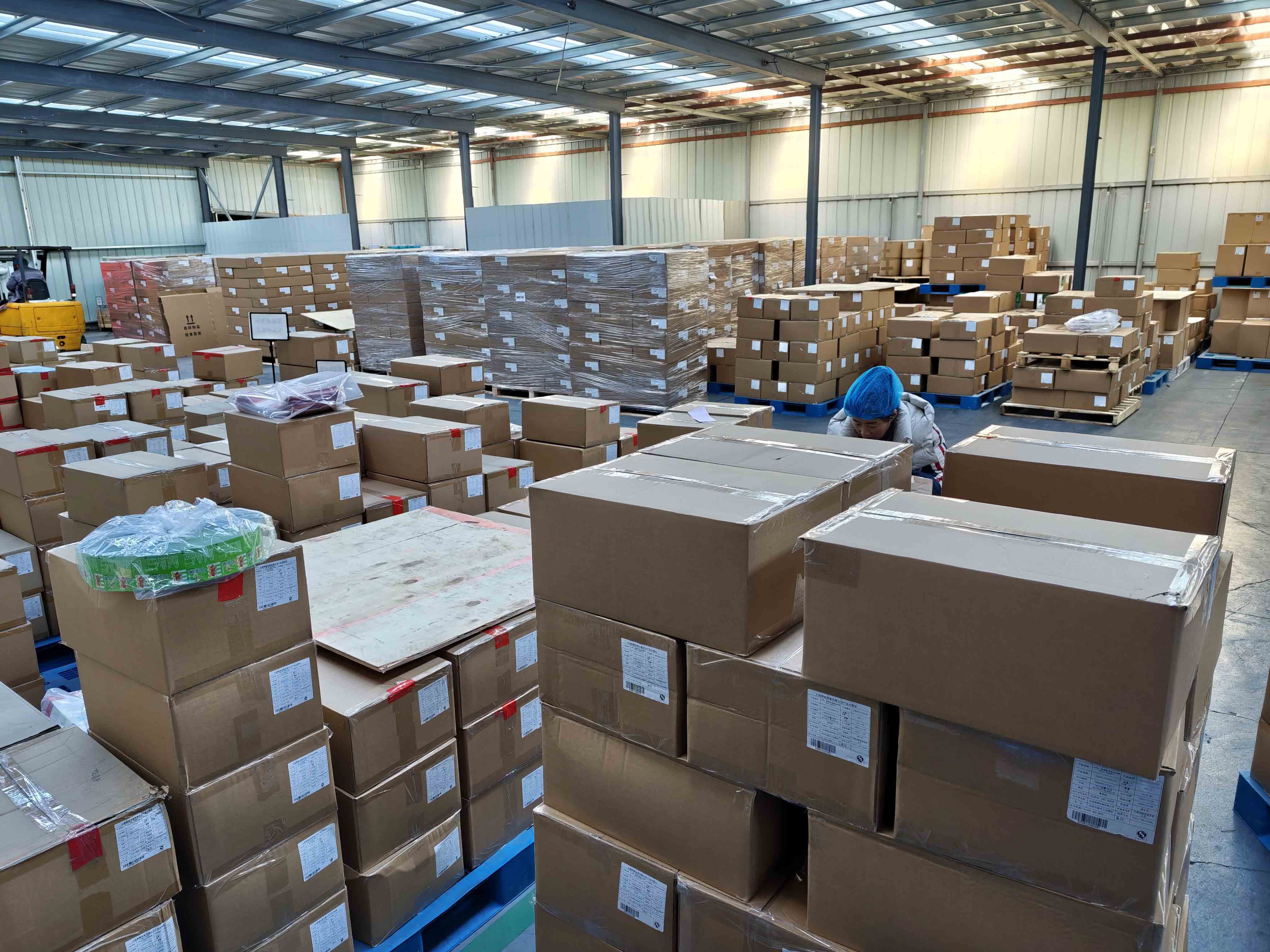
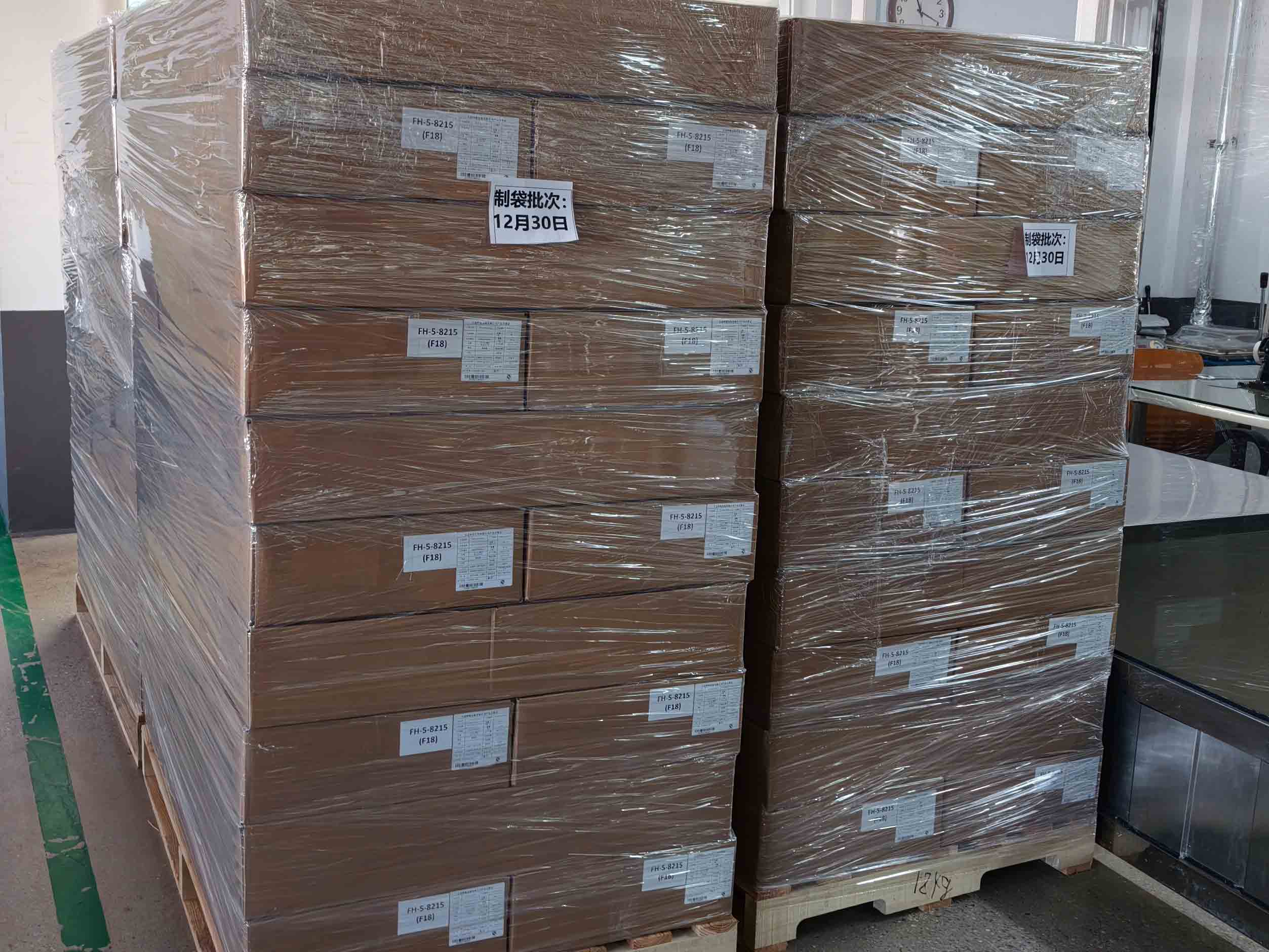
Once the carton record is confirmed, a pallet plan becomes a calculation rather than a guess. A usable plan starts with the carton, because that is the footprint and weight a warehouse will stack, wrap, move, and receive.
The first question is not “What is the standard coffee-bag pallet?” There is no single standard answer that covers every empty-pouch project. The practical question is: What is the approved carton footprint, and what pallet pattern is acceptable for this shipment?
Keep the underlying data in one small working sheet:
With those inputs, the basic count is transparent:
The formula makes every input visible. If the supplier changes the carton count, the warehouse asks for a different pallet pattern, or a stack-height limit changes, update that input and recheck the plan instead of restarting a vague “bags per pallet” conversation.
You can keep the weight calculation equally clear:
These are planning formulas, not permission to load any number of cartons. The carrier, warehouse, and destination may impose current limits or handling conditions that need their own confirmation. The formulas simply make the supplier quote, warehouse discussion, and freight request talk about the same physical unit.
Save a simple pallet sketch with the order record. The sketch can show carton orientation, cartons per layer, and the number of planned layers without pretending that the drawing is a universal freight standard. A short note such as “subject to final carton and carrier confirmation” is more honest than a polished diagram with made-up capacities.
How Many Coffee Bags Fit on a Pallet?
For empty custom pouches, the honest answer is: only the confirmed carton and pallet plan can tell you. A single pouch is not the correct measuring unit for a pallet quotation.
That answer tells the buyer what to request next. Ask for the carton specification, then ask the warehouse or freight provider which pallet footprint and stacking pattern apply to the quoted route. The supplier may be able to provide a proposed arrangement; the final handling plan still belongs with the shipment details.
Avoid these shortcuts:
- Do not divide pallet area by the front width of an empty pouch. The pouch is not the unit being stacked.
- Do not use the finished size of an unrelated pouch as a stand-in for your carton dimensions.
- Do not assume that two pouches with the same target fill will have the same carton pack-out.
- Do not turn a sample-pack arrangement into a bulk-shipment figure without a supplier confirmation.
- Do not treat the count as final if the pouch format, closure features, artwork, or material direction are still changing.
Keep the last point in view. A shipping record needs to follow the approved pouch. If you alter the project from a stand-up pouch to a flat-bottom pouch, or add a closure feature after the original carton discussion, ask for the packing record to be reviewed with the updated configuration. That does not mean every feature automatically changes capacity; it keeps an early estimate from becoming an undocumented assumption.
For a roaster receiving empty pouches, the goal is not to pack a theoretical maximum. It is to receive a documented shipment that can be counted, stored, and matched to the ordered specification. A carton count, pallet plan, and receiving record do that much better than an internet-average pallet figure.
Container Questions: Start With the Quote, Not a Generic Capacity Number
The same principle applies to a container. An online result about how many bags of green coffee fit in a container is about a different commodity. It should not be used to estimate cartons of empty coffee packaging.
For an empty-pouch purchase, a container discussion needs the following information before anyone states a capacity:
This is why a container count should appear near the end of a quote process, not at the beginning. First establish what is inside each carton. Then establish whether the cartons will be palletized and how the receiving location handles them. Only then can a freight provider quote the actual shipment setup.
International shipping also creates questions that belong outside a generic packaging blog. For example, the International Plant Protection Convention’s ISPM 15 standard addresses certain raw-wood packaging material used in international trade, including dunnage; the standard’s scope also distinguishes processed wood products such as plywood. That does not mean a blog can declare a particular pallet or shipment compliant. If wood packaging material is part of an international shipment, ask the freight provider, importer, or applicable authority for the current requirements for the exact route. The IPPC’s official ISPM 15 information is a useful starting point for that separate check.
Keep logistics facts separate from product claims. A carton or pallet plan does not prove pouch barrier performance, food-contact compliance, shelf life, recycling outcome, delivery speed, customs treatment, or a customer result. Those questions need their own current evidence and project-specific review.
Different Pouch Formats Need Different Shipping Inputs
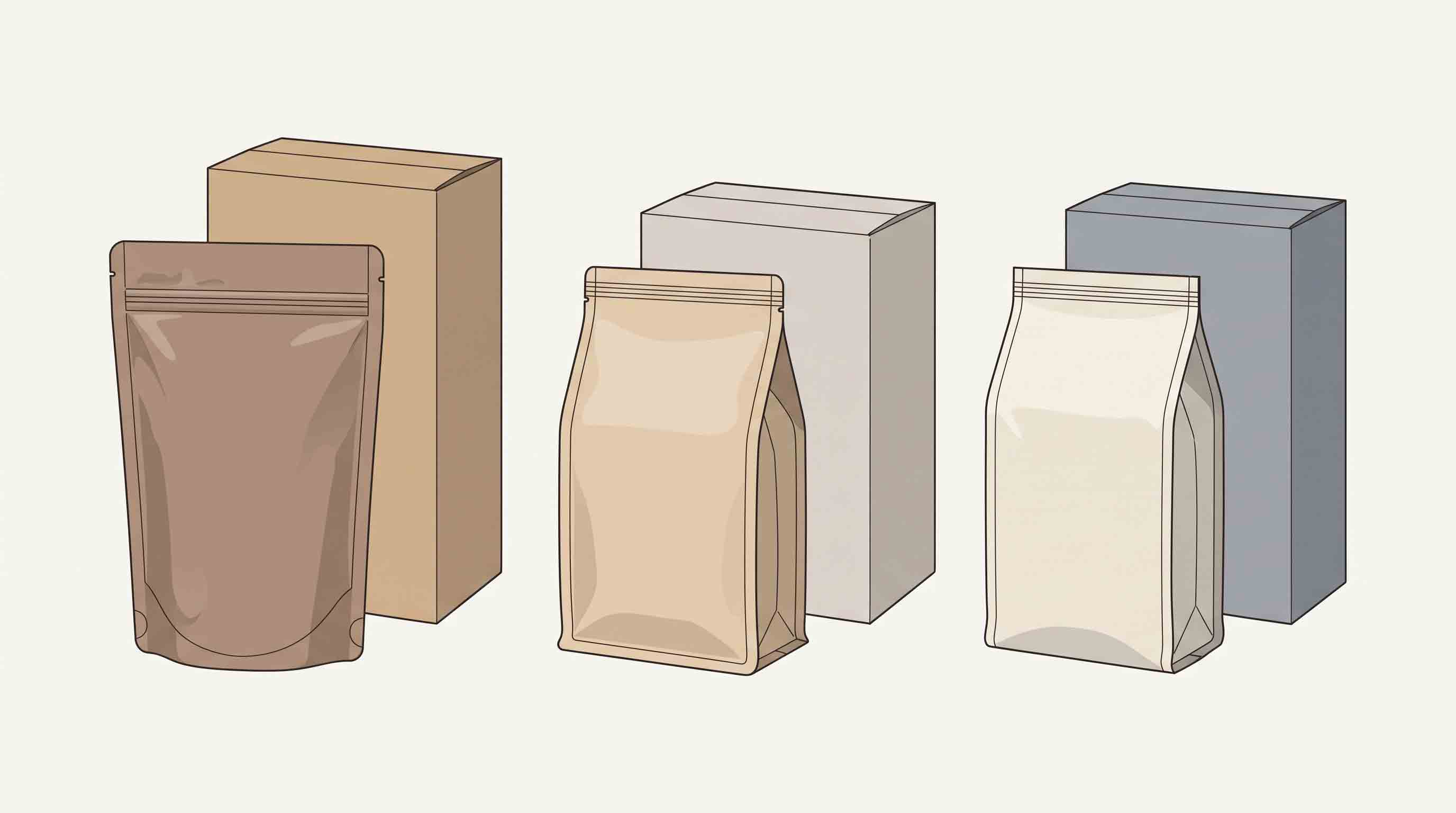
Coffee bags may all look like “pouches” from a distance, but their project records can be very different. The following published Mylarbag examples are useful because they show real combinations of pouch format, materials, dimensions, printing direction, and visible features. They are not capacity charts.
For the carton brief, document the whole pouch you are buying. A target fill, one face dimension, or a product photograph cannot replace the material notation, format, dimensions, closure features, and print direction in the approved brief.
When the carton plan is requested, send the same current brief. That makes it much less likely that the shipping calculation is based on an early sample while the production discussion has moved on to a different pouch configuration.
Give Your Supplier a Shipping-Ready Coffee-Pouch Brief
When a roaster asks only for “shipping cost,” the supplier has to guess which version of the pouch, quantity, and receiving plan is being discussed. A short shipping-ready brief removes many of those gaps before anyone quotes a route.
Include these items:
- Coffee product and target fill. State whether the pouch is for whole bean, ground coffee, or another coffee product, plus the target fill or sample reference.
- Current pouch format. Name the chosen format, or clearly list the formats still under review.
- Dimensions and material direction. Supply a current reference size and material notation if they are already decided. If not, mark them as items to evaluate.
- Features. Note a valve, zipper, side zipper, tear feature, or any other feature that belongs to the intended pouch.
- Artwork and print direction. Attach the latest artwork or state that it is still being developed. Include any print direction already selected for discussion.
- Quantity by artwork or SKU. A total count is useful, but the breakdown matters when the project has several versions.
- Delivery market and receiving point. Give the country and city or the operational destination needed for the freight inquiry, together with any warehouse receiving restrictions you already know.
- Preferred shipment question. Say whether you need a carton-level estimate, a pallet plan, or a container discussion. Do not assume one route fits every purchase.
- Information required for receiving. Ask for the carton record, packing list details, and any other documents your warehouse or forwarder has requested.
The brief does not need to be long. It needs to separate confirmed choices from open decisions. A supplier can then indicate which pouch details must be final before a carton or pallet plan can be stated.
Here is a concise request a buyer can adapt:
We are sourcing empty coffee pouches for [coffee product and target fill]. The current direction is [format] with [dimensions/material/features, or “to be evaluated”]. We need [quantity] across [number] artwork versions for delivery to [country/city]. Please provide the proposed units per master carton, external carton dimensions, gross carton weight, and any proposed pallet record. If a container option is relevant, please state the inputs and shipment assumptions used for that quote.
It gives the supplier a workable request without treating the pouch as final, and it gives the warehouse team a record to review before the bags arrive.
Recommended Packaging Configuration for a Shipping Inquiry
For a roaster buying empty bags, the most useful “configuration” is a complete pouch brief paired with a packing request. It may specify the coffee product and target fill, the pouch format and dimensions under discussion, a material direction to evaluate, closure features, artwork versions, and the destination needed for the freight conversation.
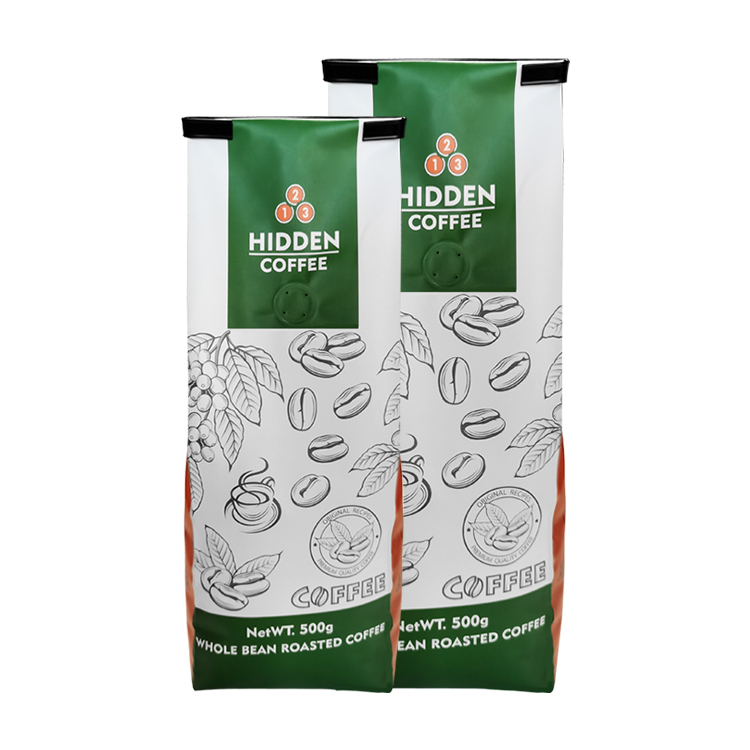
Published coffee-pouch records show examples of stand-up, box-bottom, and side-gusset formats with different listed material structures, printing directions, and features. The right configuration for a new project still needs to be quoted and approved against the product, artwork, packaging process, market, and shipping plan. Browse the custom coffee bag options page as a starting point, then ask for a carton record that matches the specific pouch—not a generic bag count.
For a project inquiry, share the current pouch brief, a representative sample or target fill where available, the delivery market, warehouse requirements, artwork status, and the kind of packing information you need. The Mylarbag team can then evaluate the configuration and provide project-specific information through the contact page. This is a request for evaluation, not a promise of a particular material, pouch, pallet count, price, timing, shipping method, or delivery result.
Five Planning Errors That Create Avoidable Confusion
1. Starting with a container number
A container number is the final result of a packing and freight discussion, not the first input. First establish whether the order is empty pouches, filled retail bags, or green coffee sacks. Then confirm the carton record.
2. Calculating from a pouch photograph or front-panel size
A photograph can show the style of a bag, but it does not show the confirmed carton arrangement, outer carton dimensions, or gross weight. Use it as a visual reference, not a freight calculation.
3. Treating a previous project as the current shipping specification
A published 8oz pouch or 250g pouch can be a useful example of a configuration. It cannot prove that a new pouch with a different material, format, artwork, or feature set will have the same pack-out. Ask for a current record for the project being quoted.
4. Mixing the pouch specification with the logistics assumptions
Keep two records side by side: the approved pouch brief and the proposed shipment record. If either changes, make the change visible. This is especially useful when different people handle brand artwork, purchasing, warehouse receiving, and freight.
5. Treating logistics language as a product-performance claim
Palletization, carton count, or an outer shipping arrangement does not establish how long coffee will stay fresh, whether a pouch meets a regulation, whether a material is recyclable in a particular location, or how a customer will experience the product. Those are separate questions with separate evidence.
Frequently Asked Questions
How do you ship coffee bags from a packaging supplier?
For empty coffee pouches, begin with a current pouch brief and request a confirmed carton record: units per carton, external dimensions, and gross carton weight. If pallets or a container are being discussed, ask for the proposed shipping-unit record and have the freight provider confirm the route-specific assumptions. Do not use figures for green coffee sacks as a substitute.
How many empty coffee bags fit in a carton?
There is no reliable universal number. The supplier must confirm the pack-out for the specific pouch configuration and carton. The useful question is not “What is the standard count?” but “What is the confirmed units-per-carton record for this approved pouch?”
How many coffee bags fit on a pallet?
For empty pouches, calculate it from the confirmed units per carton, cartons per layer, and number of layers. The actual layer pattern and stack plan need confirmation for the shipment; they should not be inferred from a generic online pallet figure.
How many coffee bags fit in a shipping container?
For empty flexible packaging, the answer depends on the confirmed carton record, whether pallets are used, the shipping arrangement, and current freight constraints. Figures for green coffee sacks refer to a different product and should not be used for packaging-pouch planning.
Should a valve or zipper be included in the shipping brief?
Yes. Include every feature that belongs to the pouch being discussed, along with the format, dimensions, material direction, artwork status, and target fill. The record should describe the finished pouch accurately; the supplier can then confirm the relevant carton and pallet information for that configuration.
What should I send before requesting a freight estimate for custom coffee bags?
Send the target fill or sample reference, current pouch format, dimensions and material direction if known, features, artwork versions, quantity by SKU, delivery market, and any warehouse receiving requirements. Ask the supplier to state the carton and pallet inputs used in the estimate so the calculation can be reviewed later.