
Store dog food according to the product label and the brand’s instructions. Keep the food dry, protect it from avoidable contamination, close the package as intended, and use it within the manufacturer’s stated period after opening. There is no universal number of days that applies to every food, because formulation, packaging, storage conditions, and manufacturer instructions vary significantly across the industry.
This comprehensive guide concerns dry dog food specifically in consumer use environments. It does not replace veterinary advice, manufacturer recall instructions, or the highly specific handling directions required for fresh, refrigerated, frozen, or raw pet food products, all of which possess entirely distinct safety profiles and handling requirements.
Keep the original pack information with the food
The original bag holds significantly more value than merely serving as a vessel for kibble. It is an engineered component of the product’s lifecycle that carries the unique lot code, crucial date information, precise product identity, detailed feeding information, manufacturer contact details, and specific storage instructions. If a household decides to use a secondary storage container, the most practical approach is to keep the original bag physically with the food rather than pouring loose kibble directly into an unlabelled container. That preserves vital product identification if a quality concern or product recall arises.
Good storage practices begin at the point of purchase. Shoppers should physically check that the date information is legible, the exterior is perfectly dry, and the package has not been damaged or punctured during transit. If a concern arises at this initial stage, keeping the original package information available is essential for identifying the specific lot and facilitating an accurate conversation with the manufacturer's customer service or quality team.
The FDA explicitly explains that pet food labels contain critical identifying and ingredient information, while individual product instructions add specific use details tailored to that exact formulation. Consumers must follow the instructions printed on the actual bag; an online generalisation is not more authoritative than the product’s own validated guidance. A flexible pouch alone is never an appropriate substitute for a documented, well-communicated product-handling system that guides the consumer correctly.
A practical storage routine
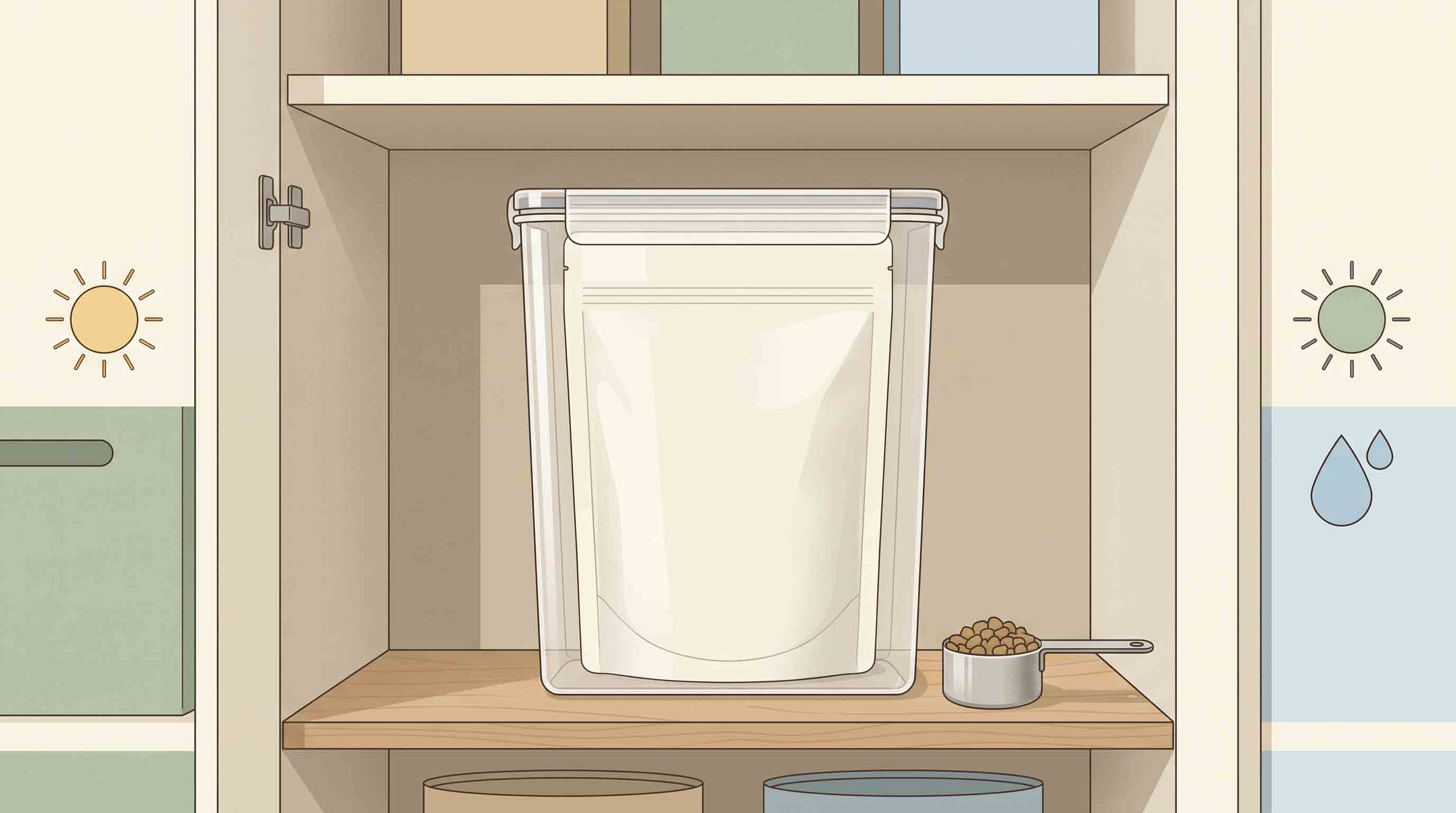
Establishing a consistent, thoughtful storage routine helps maintain the intended quality of the dry kibble throughout its intended consumption period. The goal is ordinary good handling based on established best practices, rather than an arbitrary shelf-life promise.
- Keep the bag away from standing water, direct sunlight, and places that become very hot or excessively humid. Prolonged exposure to elevated temperatures can accelerate the oxidation of fats and oils present in the kibble, while excessive humidity can introduce unwanted moisture that compromises the structural integrity of the dry food.
- Close the pack diligently after every single use in the exact manner intended by the closure design. Ensure press-to-close zippers are fully engaged across their entire width, sliders are pulled completely to the end stop, or tin-ties are rolled down tightly to expel excess ambient air from the headspace.
- If using a secondary bin, clean and dry it thoroughly before placing a new bag inside. Do not mix a new product on top of residues, crumbs, or dust from an old one. Residual oils from previous batches can adhere to the walls of a container and become rancid over time, potentially affecting the newly introduced food if it comes into direct contact.
- Keep the food in a protected, dedicated location that is not accessible to pets or pests. A secure pantry shelf, a heavy-duty storage cabinet, or a designated closet can provide an appropriate physical barrier against opportunistic scavenging by household animals or localized pest intrusions.
- Check the bag and food before use. If a package is found to be damaged, wet, unusually dirty, or the product seems abnormal in smell or appearance, immediately follow the manufacturer’s specific guidance rather than relying on general advice.
AAFCO’s dry-food storage baseline
For U.S. readers, AAFCO advises keeping dry pet food in a cool, dry place below 80°F. It also advises, where possible, keeping the food in its original container inside a clean, dedicated plastic container with a secure lid. This is significantly more precise than a generic suggestion to “store it carefully,�?and it explicitly explains why retaining the original bag can be highly practical: the package keeps the current product identity, the lot/date area, and essential label information directly with the food for immediate reference.
Treat this guideline strictly as a handling baseline, not a universal after-opening date. The product label and the manufacturer remain the absolute authority for a particular food’s stated instructions.
Source: AAFCO: Product Handling Safety.
Should dog food stay in the bag or go into a container?
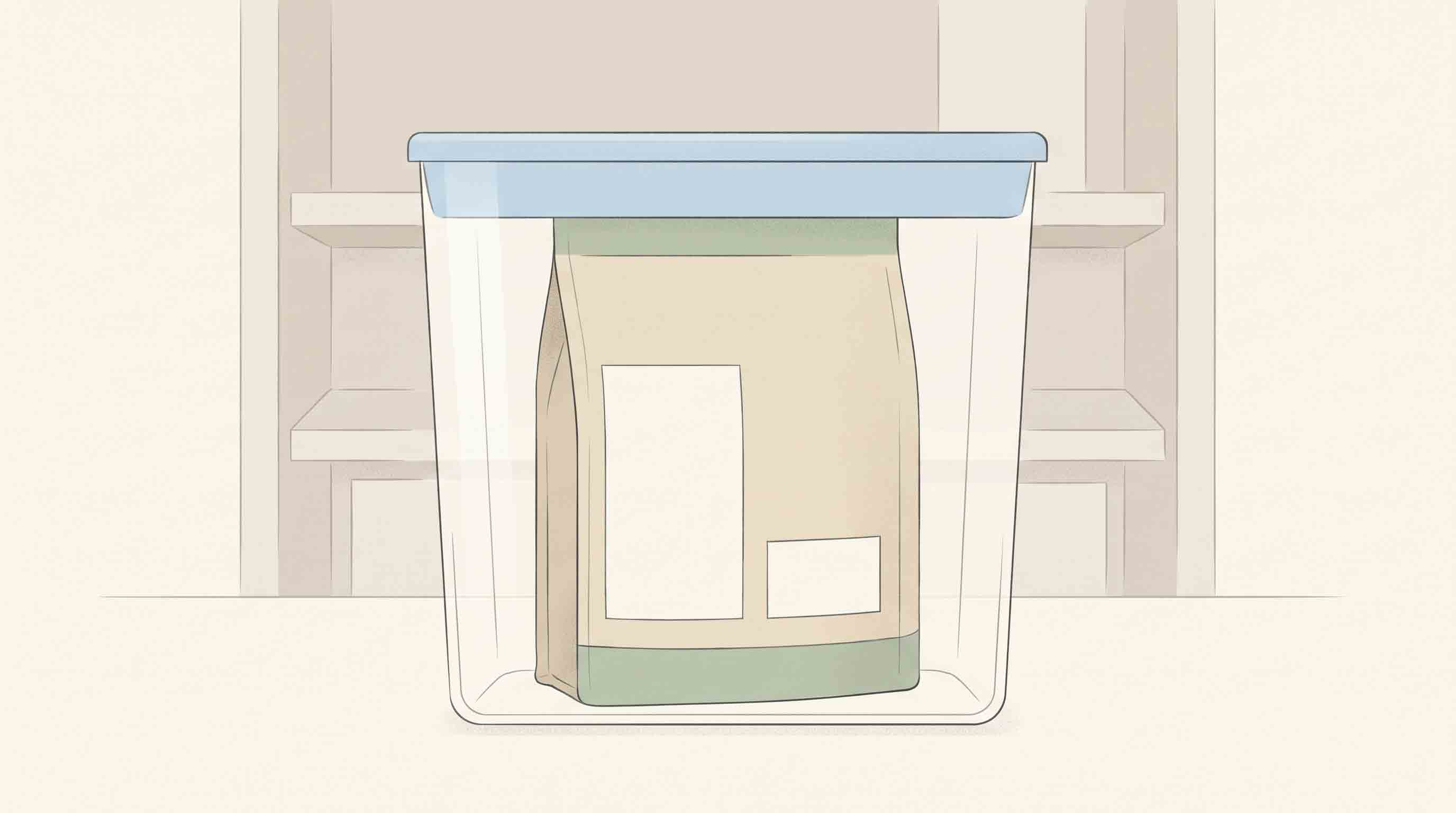
Both choices can be reasonable depending on specific household habits, available space, and the size of the purchased bag, but the original bag should not be discarded casually. A secondary container can certainly help organise pantry or garage storage when it is appropriately sized, clean, dry, and used while retaining the original product information. The bag itself is intricately designed by the manufacturer to be an integral part of the product’s packaging system; placing the intact, folded or sealed bag inside a container lets the user retain the highly specific label while simultaneously gaining the bin’s physical protection, stackability, and organizational convenience.
Avoid treating any rigid container as automatically superior to the flexible bag itself. A container that is not properly and regularly cleaned and dried between different bags may create an entirely different handling problem by allowing residual fats and oils to accumulate in micro-scratches on the surface. A too-small bin can also force the user to violently crush or aggressively fold the bag in ways that damage the closure mechanism or make the original information much harder to read.
Can you store dog food in Ziploc or Mylar bags?
For a very short household transfer, such as preparing for a weekend hiking trip or a brief stay at a boarding facility, people may occasionally use a resealable consumer bag for convenience. However, this action should not be interpreted as evidence that the new, generic bag is functionally equivalent to the original package. It generally does not preserve the crucial lot information, the specific opening design, or the product-specific storage instructions that the manufacturer explicitly provided. For a pet food brand planning commercial packaging, a generic zipper bag bought at a local grocery store is absolutely not a replacement for a meticulously validated pouch specification and an approved packaging process.
“Mylar�?is also a term used very loosely in casual consumer conversation to describe any shiny or metallic-looking plastic bag. The word alone does not identify the complete material structure, the specific seal quality, the precise barrier properties against oxygen and moisture, or the verified performance of a particular commercial pouch in real-world distribution environments. Brands developing commercial packaging should specify precise material requirements, such as PET/PE laminates or specific metallized layers, and rigorously validate the finished pack with the actual product inside before launching to the public market.
How long does an opened bag last?
Check the manufacturer’s instructions printed directly on the packaging. Opened-bag duration can vary significantly based on the formulation, the moisture content, the specific natural or artificial preservatives used, and the ambient packaging environment. A buyer’s daily usage rate is not the same question as the product’s validated quality period. A large 30 lb bag may last one household much longer than another if they happen to have a significantly smaller dog or feed smaller portions, but this variable usage rate does not establish an appropriate opened-bag period for the product itself. When writing storage guidance, brands should strictly avoid publishing a universal “fresh for X weeks�?claim unless it is rigorously supported by exhaustive testing for that exact product, that specific pack, and those stated environmental conditions.
Are dog food bags waterproof?
Do not assume so. A product pack may be carefully designed for normal distribution and standard consumer use in climate-controlled retail environments, but a bag should not be presented as completely waterproof merely because it holds dry food. While many flexible packaging materials provide excellent moisture barriers, the seals, closures, and gusset folds can represent potential vulnerabilities if submerged or exposed to standing water. Keep packages far away from standing water, damp basement floors, leaking pipes, and unprotected outdoor areas where rain or condensation might occur. If a bag becomes wet or visibly damaged, rely directly on the manufacturer’s instructions rather than assuming the inner layers have completely protected the kibble from moisture ingress.
Product types that should not share generic storage advice
This comprehensive article deliberately focuses exclusively on shelf-stable dry kibble food. A moist, refrigerated, frozen, or raw product can have an entirely different, highly specialized handling chain and requires highly specific food-safety controls to prevent pathogen growth and maintain product integrity. It is deeply irresponsible to apply dry-kibble storage advice to those temperature-sensitive products simply because both are marketed and sold broadly as dog food.
When a storage question needs product-specific guidance
Some questions simply cannot be answered by general packaging or household handling advice alone. If a product possesses an unusual smell upon opening, displays a visible change in texture or color, features a damaged factory seal straight from the retailer, or raises a specific concern connected to a recently announced manufacturing lot, customers must seek direct guidance using the brand's designated escalation path. Providing the precise lot and date code directly from the original packaging enables customer service to issue completely accurate, verified instructions for that exact bag. This process underscores the critical importance of never transferring kibble into an unmarked container where trace data is instantly lost.
The consumer answer and the brand task are different
Households need clear, actionable directions focused entirely on safe, practical pantry management and basic product hygiene. Brands, conversely, require a highly controlled, deeply documented packaging process that defines product characteristics, validates structural choices, and officially approves specific storage wording before production. This stark distinction helps households act effectively and safely, while simultaneously guiding brands to build robust, compliant packaging systems that minimize overall risk.
Separate storage guidance from a product claim
The phrase “keeps food fresh�?is a common piece of marketing shorthand utilized extensively across the industry, but it does not actually tell a customer how to properly use an opened product on a daily basis. Useful storage guidance is highly specific about the physical actions the customer should take and refers them directly to the product label where a specific duration or environmental condition matters. It does not magically turn a general packaging feature—like a zipper or a foil layer—into a legally binding promised shelf life.
This straightforward language is not less helpful to the consumer. On the contrary, it respects the undeniable fact that a pet-food brand—not a generic blog, a third-party website, or an enthusiastic retailer—knows the product’s unique formulation, the specific package barrier capabilities, and the officially approved handling directions based on rigorous internal testing.
Recommended packaging configuration
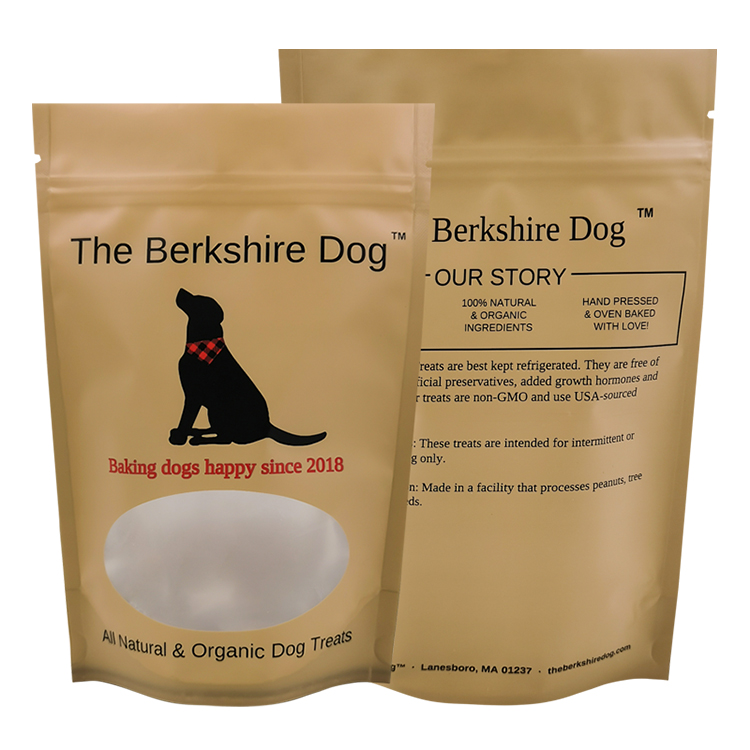
For a dog-food or treat product that will be opened and closed over several occasions, brands should rigorously evaluate a pouch format and a reclose feature with the actual product and the anticipated consumer use pattern in mind. The dog treat packaging page provides a solid starting point for exploring custom pouch options; importantly, it does not set a universal after-opening shelf life or guarantee specific outcomes for unrelated formulations. Any product-specific storage claim must be scientifically supported and officially approved by the brand's regulatory team before it goes to print.
A household container checklist
For a brand, this is also a common storage scenario worth deeply considering during consumer use testing and packaging development.
A rigid storage container can make a remarkably large, heavy bag much easier to manage in a household setting, but it also introduces its own required housekeeping routines that cannot be ignored. Before adding a completely new bag of kibble, the user should empty the container fully, clean it meticulously with a method appropriate for the container's specific material (such as warm, soapy water for food-grade plastics), and allow it to become thoroughly dry to prevent trapping moisture. Keep the new product entirely separate from loose leftovers, dust, or crumbs from an old bag unless the product manufacturer specifically advises otherwise. Retaining the original flexible bag inside the rigid container is often the most practical, foolproof way to keep the date, lot, and complex product information directly with the food.
Choose a container that is large enough for the intact, unopened package when possible. If a bag must be folded, rolled, or positioned carefully inside a bin to fit, do not obscure the important label information or create a situation where the top zipper cannot be closed as intended by the manufacturer. The primary purpose is orderly, protected storage, not to inadvertently defeat or bypass the original pack’s protective function.
How packaging teams plan the after-opening experience
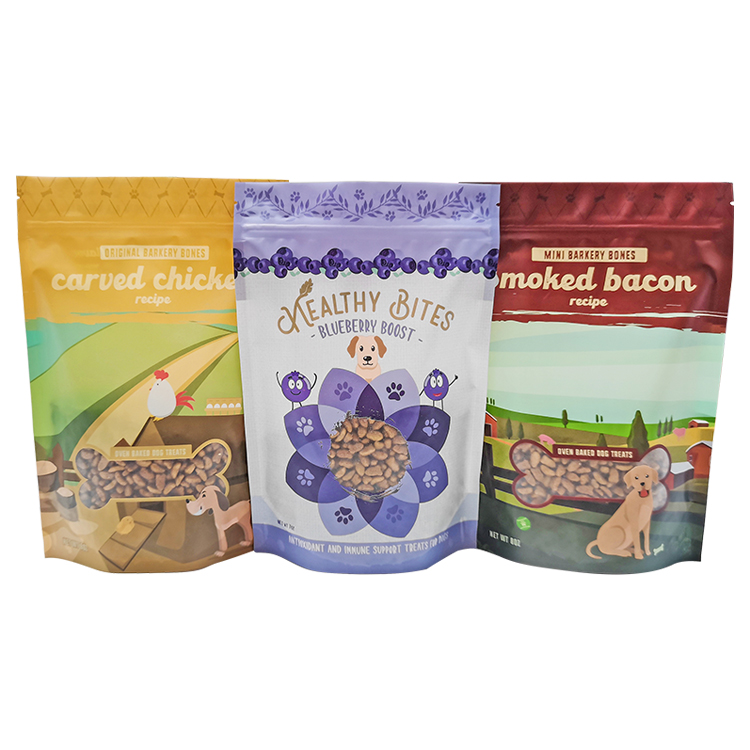
A brand can make household storage much more intuitive by thoughtfully evaluating exactly what features need to be designed into the pouch geometry to facilitate effortless consumer use. The assessment questions for the packaging engineering team are straightforward, highly practical, and focus heavily on physical ergonomics:
- Does the first-open feature, such as a tear notch or laser score, leave the reclose feature intact and fully accessible?
- Can a user comfortably reach the product with a measuring scoop or hand without catching on awkwardly narrow or sharply edged openings?
- Does the pouch remain physically manageable and structurally stable as the fill level drops over time, or does it collapse and become frustrating to handle?
- Is a closure actually needed for the expected consumption pattern (e.g., a single-serve trial pack versus a monthly supply), or does it only add unnecessary manufacturing complexity and cost?
- Can vital storage instructions, ingredient lists, and product-identification information be found quickly without unfolding or completely flattening the entire bag?
Exploring custom dog food and treat packaging options provides a starting point for discussing formats and use cases; however, this page does not represent any universal after-opening shelf-life or food-safety promise.
The storage question a packaging brand should ask
Before designing the aforementioned features, forward-thinking packaging teams must ask exactly how the customer will interact with the food after the very first opening. Will a busy household reach into the bag daily, pour it aggressively into a rigid container, or use a small amount very quickly as a training reward? Will the pack be stored in a dry indoor cupboard, a humid garage pantry, or another area where environmental conditions can vary wildly depending on the season?
The realistic answer dramatically affects the chosen format, the required material durability, and the precise consumer wording the brand needs to provide on the back panel. Understanding these diverse variables ensures that the chosen structural design aligns seamlessly with actual household habits, rather than relying strictly on idealized factory conditions.
A simple after-opening routine for brands to test
To validate those design choices, teams should conduct hands-on usability testing before full production scales up. Ask several completely uninvolved people to use a filled, sealed sample without being coached, guided, or given a demonstration. Have them independently find the opening point, remove the initial tamper-evident seal, access the product with a scoop, close the pouch, and put it away on a typical pantry shelf.
Note exactly where they hesitate, whether product dust or oils accumulate around the closure track and impede sealing, and whether the package remains easy to handle and stable as it empties over several simulated days. This qualitative observational process gives a brand direct, invaluable evidence about real-world usability and potential pain points that quantitative material testing alone might miss entirely. Furthermore, conducting these tests across different demographic groups can yield surprising insights into how various hand sizes, grip strengths, or visual acuities interact with the chosen closure system. Packaging engineers should carefully document these diverse interactions to ensure the final pouch design is truly accessible and functional for the widest possible range of pet owners.
A brand-side storage-content review
Before a brand commits to printing storage copy on thousands of pouches, it should rigorously confirm the following essential checklist:
- The proposed instruction matches the product’s officially approved, internally documented handling and safety information.
- The instruction specifically identifies the exact product category rather than making an overly broad all-pet-food statement that might confuse consumers.
- The physical pack provides sufficient room for the text in a highly readable, structurally stable panel that won't be obscured by folds or seals.
- The wording does not accidentally imply a universal shelf life, total water resistance, or an absolute, unconditional food-safety result.
- Customer-service teams know exactly where to direct inquiries about a particular lot, a specific package condition, or a potential recall scenario.
Build storage content into the launch checklist
To ensure consistent messaging across all platforms and physical items, storage content protocols must be formalized internally.
First, ensure complete consistency between digital and physical channels: if online advice and the physical package instructions point in vastly different directions, customers should rely on the product label. Brands must align their web copy strictly with the verified label data. Second, clearly define the escalation path on product pages by providing a highly visible, easy-to-use contact route for lot- or condition-specific questions. Finally, add the approved, finalized storage wording to the exact same rigorous launch checklist that controls the artwork proofs, the barcode scannability, the precise pack dimensions, and the physical samples. This crucial operational step prevents an outdated, generalized web sentence from being incorrectly treated as an official on-pack instruction.
Format reference note
Published Mylarbag dog-treat projects illustrate visible format details such as stand-up pouch construction, printed surfaces, and clear windows. They are visual format references only and do not establish a defined after-opening period for the product inside. Readers comparing pouch formats can explore the Pet Food & Treats case collection.
FAQ
Where should dog food be stored?
Use a dry, protected area and follow the label. Avoid locations with direct sun, excessive heat, humidity, pests, or a risk of water damage.
Should I keep dog food in its original bag when using a container?
Follow the manufacturer’s instructions. Keeping the original bag with the food is a practical way to retain product identity, lot and date information, and any storage directions.
How long will a 30 lb bag of dog food last?
It depends on the number of dogs, their feeding plan, and the food’s own serving information. It is not a reliable way to determine product safety or freshness after opening.
Can I leave an opened bag of dog food in a garage?
Use a dry, protected location that follows the product’s own storage guidance. Conditions such as heat, humidity, pests, and water exposure matter more than the name of the room.
What should I do if a dog food bag is torn?
Keep the package information, avoid assuming it is safe based on a generic blog, and contact the manufacturer for product-specific guidance if the condition creates a concern.
Does a zipper prove the food is protected after opening?
No. A closure is one design feature. Product-specific instructions, actual use conditions, and the complete packaging system still matter.