
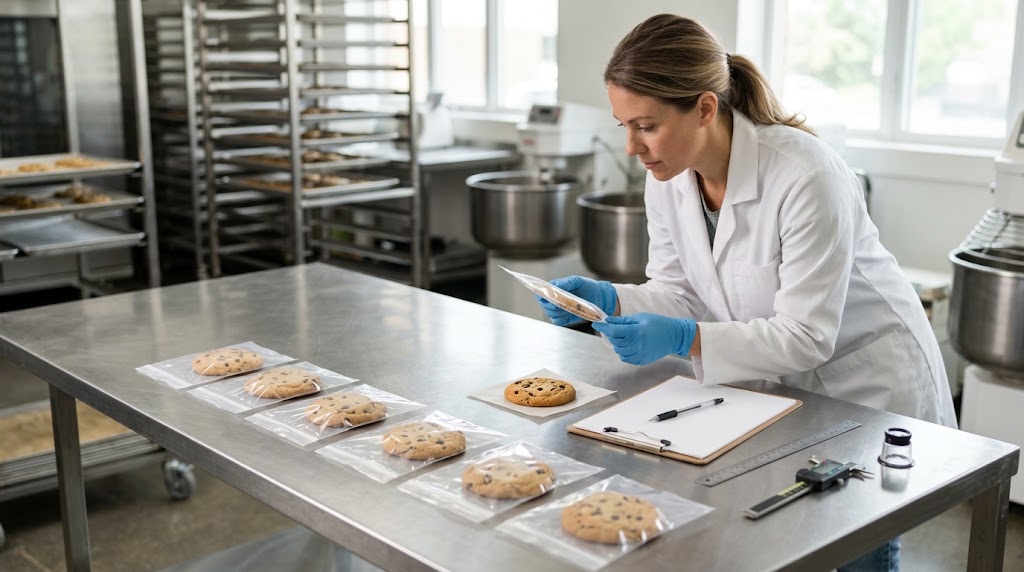
Two cookies can leave the same oven and fail in opposite ways. A thin biscuit loses its snap after absorbing moisture. A soft cookie becomes dry and hard. Another keeps its texture but develops a stale or rancid odor. Changing to a “high-barrier” bag without knowing which failure came first may add cost and leave the problem untouched.
The short answer: start with a measurable definition of fresh for the exact finished cookie. Control its packing condition, choose a food-contact bag and closure that address the likely moisture, oxygen and light exposures, then compare filled, sealed packs during realistic storage. Use film WVTR and OTR data to screen candidates, but set the unopened quality period from the finished-product trial. There is no universal number of days for “cellophane,” a zipper, an opaque pouch or any other single packaging feature.
This article concerns flexible bags for cookies people eat: individual cookies, bakery multipacks and retail pouches. It is for food brands, bakers, co-packers and packaging teams. Product safety, quality acceptance, date marking and any refrigeration requirement belong to the food producer's validated plan and applicable market rules. A bag supplier can supply construction details and samples; it cannot assign a shelf life from a photograph of an empty pouch.
Define Freshness Before Choosing a Bag
“Fresh” is a consumer judgment, but a commercial trial needs a written endpoint. List what a buyer notices first: snap, chew, buttery or nut aroma, icing appearance, visible oil, breakage or the ease of opening the bag. Decide which features are essential for each SKU and how the team will score them consistently. A crisp wafer and a soft chocolate-chip cookie should not share one texture limit merely because both are called cookies.
| Cookie format | Desired quality at sale | Plausible first failure | Useful observation |
|---|---|---|---|
| Thin, crisp biscuit | Audible snap, low tack, intact shape | Moisture gain and loss of crispness | Sensory panel, texture instrument where available, water activity and package condition |
| Soft or chewy cookie | Soft center and intended chew | Moisture loss, hardening or quality change in inclusions | Texture, weight trend, sensory score and product-specific safety review |
| Butter-rich or nut cookie | Clean aroma and flavor | Oxidative off-notes or oil marks, sometimes alongside texture change | Sensory odor/flavor; analytical oxidation marker if justified |
| Iced or decorated cookie | Dry, legible surface and intact decoration | Surface tack, smear, breakage or moisture migration | Standardized appearance photographs and handling checks |
| Filled or layered cookie | Intended contrast between shell and filling | Internal moisture movement even in an intact outer bag | Separate component texture and product-condition checks |
These are hypotheses for trial design, not universal predictions. A recipe change, ingredient lot, bake profile or cooling delay can move the starting point even when the pouch is identical. Photograph and measure a day-zero control from normal production. If the starting cookies vary wildly, a later bag comparison will be difficult to interpret.
Separate quality life from food safety. A product can become unpleasant before it becomes unsafe; a product that still tastes acceptable is not automatically safe. A soft, moist, cream-filled or otherwise perishable item may need a very different hazard assessment and storage plan from a dry, shelf-stable biscuit. Packaging performance does not replace control of the food itself. U.S. public guidance on food dates explains that common “best if used by” style dates often communicate quality rather than a universal safety cutoff; labeling requirements still depend on product and market.
Water Activity Is Not the Same as Water Content
Water content measures how much water is present. Water activity, written a_w, describes the water available in relation to the food's equilibrium vapor pressure at a controlled temperature. Sugar, salt, fat, starch and protein affect how water is held. Two cookies with the same percentage moisture can have different water activities and different textures. A single a_w reading also says little about a layered product if the filling and shell exchange moisture over time.
The FDA's water-activity technical guide explains the relationship between water activity and equilibrium relative humidity, and why temperature and formulation matter in measurement. Its discussion of a 0.85 threshold belongs to particular U.S. regulatory definitions; do not turn that number into a universal cookie crispness target or a stand-alone declaration that a product is safe. Sensory quality can fail at a different point, while microbial risks depend on the whole food and process.
For a crisp cookie, the trial may need to detect a small rise in a_w before consumers reject its bite. For a soft cookie, a lower reading over storage might accompany hardening, although formulation and sugar crystallization can also change texture. Rather than borrowing someone else's threshold, establish the relationship between the measured values and your own panel's acceptance. Use consistent sample preparation, calibrated equipment, replicate measurements and controlled temperature. If a sample includes icing, filling or inclusions, document which part was tested.
An instructive wafer-cookie storage study measured water activity, mechanical properties and sensory crispness while comparing two packaging types. It studied a specific cream/chocolate wafer product, not every cookie, and illustrates why a texture endpoint should accompany a moisture measurement. A filled wafer can soften through moisture migration inside an intact package; improving the outer film alone may not stop that internal transfer.
A day-zero baseline that can be repeated
For each SKU, retain cookies from normal production rather than choosing only the best-looking pieces. Record the recipe revision, bake batch, cooling interval, fill weight and piece count. Measure or score the intended starting texture, water activity, visible surface condition and aroma. Note the distribution of values, not just one average. Keep an unopened reference at the producer's approved storage condition and identify which samples may be used for sensory testing under the food-safety plan.
If a soft cookie already varies substantially between the center and edge, write a sampling procedure that captures that difference. If a decorated cookie has a fragile face, score that surface before transport. The goal is to recognize a later change as a change, rather than attributing normal batch variation to a new bag.
Trace the Failure Pathway Before Selecting a Barrier
There are several routes from “good at packing” to “not acceptable at sale.” They can occur together and at different speeds. A practical diagnosis begins with the first failed attribute and the history of the affected packs.
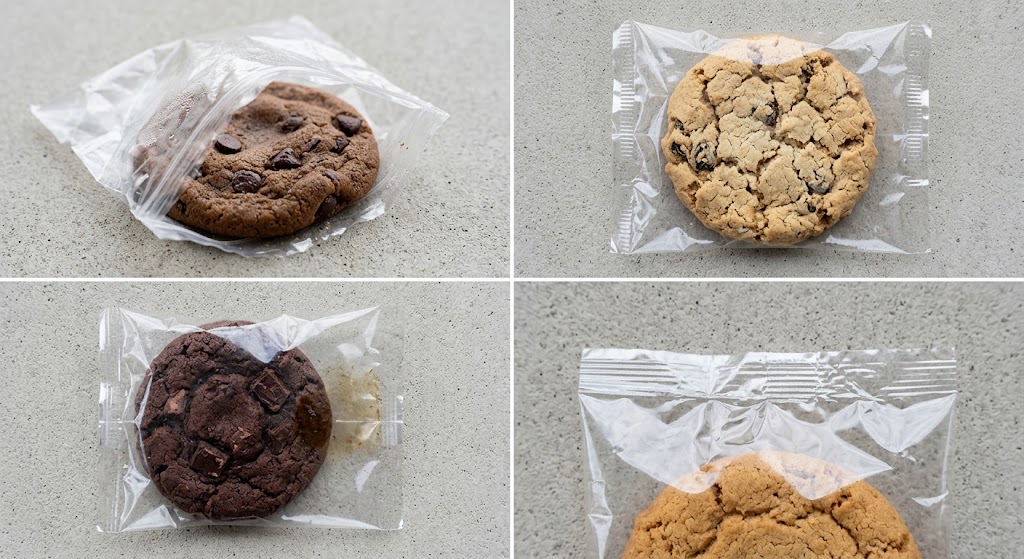
| Pathway | What can change | First evidence to collect | A packaging question |
|---|---|---|---|
| Moisture enters from humid surroundings | Crisp cookies can soften or stick | Product a_w, texture, pack mass, route humidity, intact-pack seals | Is the actual film, window and seal system appropriate for the route? |
| Moisture leaves a soft cookie | Desired chew can become dry or hard | Product mass, texture and a_w, storage humidity | Would a different water-vapor barrier or pack fit help, after formulation is assessed? |
| Moisture moves between components | Shell softens while a filling changes | Separate component checks and cross-section photos | Can product design or an inner wrap reduce internal contact? |
| Oxygen, light or ingredients drive oxidation | Stale, paint-like or rancid notes may appear | Sensory record, recipe and fat type, headspace and light exposure; analysis if justified | Are oxygen control, opacity and seal integrity fit for the SKU? |
| A channel or pinhole bypasses the web | One bag may fail sooner than neighboring packs | Seal/corner photos, leak investigation and material lot | Is a local defect rather than the nominal flat-film barrier driving variation? |
A visible droplet inside a newly packed bag may start with cookies sealed too warm, not with moisture crossing the film. A broken cookie may result from handling or carton pressure, not from WVTR. A metallic-looking bag can still have a poor seal. Keep production, packaging and distribution records side by side before declaring a material failure.

Read WVTR and OTR Without Turning Them Into a Shelf-Life Promise
WVTR is water-vapor transmission rate through a tested material under specified conditions, commonly reported as mass per area per time. OTR is oxygen transmission rate, commonly reported as volume per area per time under stated test conditions. Lower values can be useful when the relevant ingress is limiting the product, but they do not by themselves rank all finished cookie bags. A soft cookie's moisture-loss problem and a crisp cookie's moisture-gain problem are different directions of exchange; the driving conditions matter.
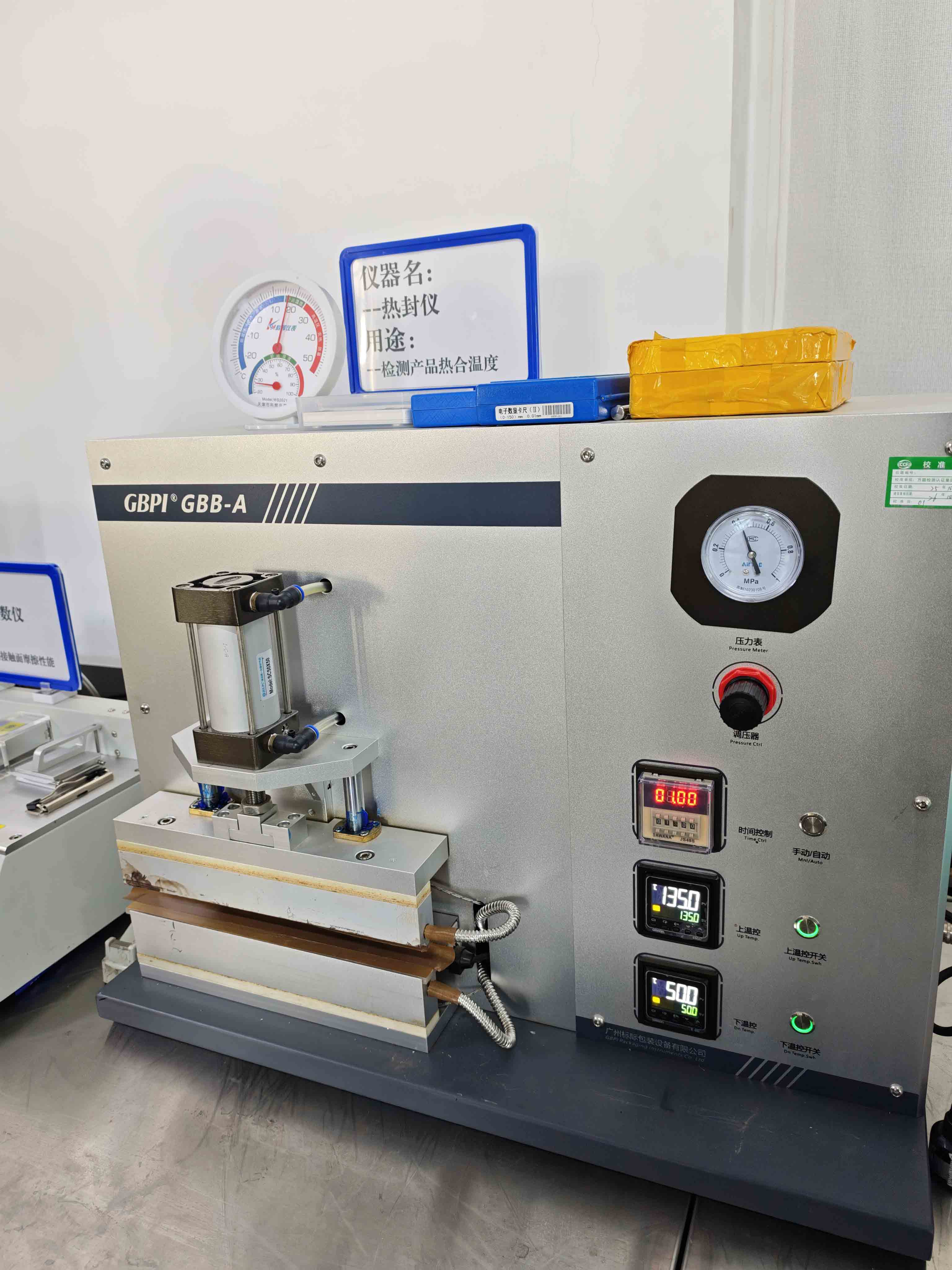
ASTM F1249-25 describes a method for measuring water-vapor transmission through film and sheeting. ASTM D3985-24 covers oxygen transmission through films and laminates using a coulometric sensor. ASTM explicitly notes for D3985 that OTR is not the sole determinant of packaging protection and that other tests must correlate it to performance. These are material test methods, not filled-cookie shelf-life protocols.
Ask for the complete construction that was tested, specimen thickness, units, temperature, humidity or pressure gradient, method and date. Do the supplied values describe the same printed laminate, its clear window, a generic polymer grade or an unrelated sales sample? If one report says WVTR at a hot, humid condition and another uses a cooler, drier condition, the numbers should not be treated as directly interchangeable. Ask the supplier for a comparable test basis or commission one.
| Data on a supplier sheet | What it can tell you | What it cannot tell you alone |
|---|---|---|
| Flat-film WVTR | Water vapor passing through the tested web under stated conditions | Moisture gain of the complete pouch through seams, window and handling over your route |
| Flat-film OTR | Oxygen transmission through the tested web under stated conditions | Initial headspace oxygen, a local leak, oxidation speed of your actual recipe |
| Nominal film thickness | A dimension of the tested material | Barrier function, seal integrity or shelf life without construction and test data |
| “High barrier” sales phrase | A claimed positioning | A quantitative result or a product-specific quality endpoint |
| Filled-pack trial over time | Observed cookie and package behavior under that protocol | Automatic performance under an untested climate, recipe or distribution route |
The entire bag also has edges, gussets, zippers, windows, folds and a top seal. A large transparent panel may have different barrier behavior from an opaque panel. A small channel can dominate exchange locally. Products may be sensitive to light as well as oxygen, especially when fat-containing ingredients are involved. Compare candidate constructions at the level of the actual filled package and intended selling route.
The plastic films and rollstock options can start a discussion of grades and layer combinations. Request a layer-by-layer specification, not just “PET,” “cello,” “Mylar” or a shiny appearance. Material choice is a trial input. The finished-cookie result is the decision evidence.
The Seal, Headspace and Opening Experience Matter
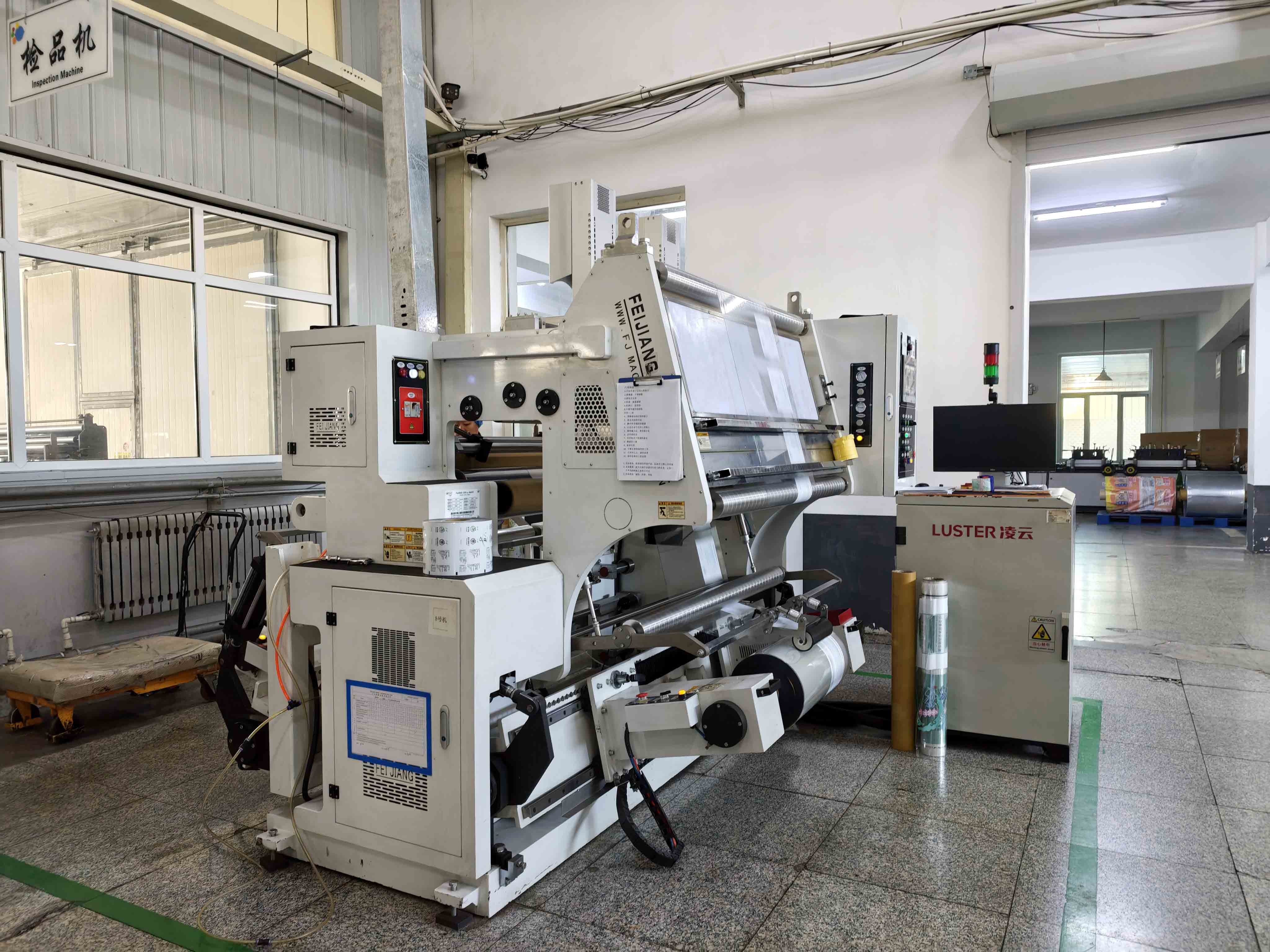
Moisture and oxygen can enter through a weak top seam even when the film itself tests well. A tiny fold at a side-seam crossover, a crumb in the seal band, a pinhole or an improperly joined window can produce pack-to-pack variation. Check the finished pouch before explaining every stale cookie by “bad film.” ASTM F88/F88M-23 measures the strength of sampled flexible-barrier seals; an integrity method appropriate to the actual pouch addresses possible leak paths separately. Neither a strong strip nor one intact sample proves that every unit is leak-free.
Do not confuse a zipper's after-opening reclosure with the original unopened top seal. Many retail zipper pouches have a first heat seal above the zipper. When customers cut or tear it open, a zipper can help limit later exposure during normal use, but it cannot restore the unopened state or reset the original quality date. For a single cookie eaten at once, the zipper may add cost and crowd the seal area without offering a useful benefit. For a multipack, test whether users can actually open and reclose it without filling the tracks with crumbs.
Headspace is another input. Oxygen already present at sealing, the film's transmission, any local leak, and a product's oxygen consumption all influence later headspace composition. A large visible air pocket is not a calibrated oxygen measurement. Modified-atmosphere or scavenger systems, if considered, require product-specific design, safe handling and verification; no “flush once, fresh forever” claim follows from the bag alone. The trial needs the actual fill and closure, not just a web sample.
How Long Do Cookies Stay Fresh in Cellophane Bags?
There is no defensible universal day count. “Cellophane” may refer to a particular regenerated-cellulose film, a coated variant or a clear bag sold under a loose retail label. Other clear bags may be BOPP/OPP, PE or a laminate. Ask for the exact film, coating, food-contact side and closure. Once the construction is identified, ask how to measure the result for the actual cookie.
Make a small controlled comparison: the proposed clear bag, a second identified construction and an approved reference pack if one exists. Use the same normal-production cookie batch, count, fill weight and seal method, then store samples along the realistic route. Include a humid condition if humidity exposure is part of the intended route, but do not treat an extreme unrepresentative abuse condition as a direct prediction of shelf days. Record the film lot and any difference in the window or top closure.
At each planned time point, check unopened-pack integrity first, then evaluate the cookie against prewritten acceptance criteria. If the cellophane-style bag loses crispness at the first checkpoint, refine the schedule and investigate moisture and seals. If all options remain acceptable through the last checkpoint, you have only shown survival through that checkpoint under those conditions; extend the study to justify a longer claim. Do not infer a 90-day life from a film's stated WVTR or from a clear sample that looked attractive on day one.
A transparent bag presents a visual trade-off
Clear film makes the cookie visible and can reveal oil marks, breakage and surface changes. It also permits some light to reach the product. A printed opaque panel or metallized structure may be worth comparing for an oxidation-sensitive SKU, but visibility and brand design could matter more for another. A windowed pouch needs its window film and junction included in the trial; a report on the opaque web does not describe the whole pack. The best result is the least complex construction that passes your product's defined tests and consumer presentation needs.
Build a Filled-Pack Shelf-Life Trial That Answers a Decision
A useful trial begins before the bags are filled. Write the proposed selling period, storage and distribution conditions, product-quality thresholds and any safety requirements. Make an initial sample plan with enough independent packs per condition and checkpoint to observe variation; the quality team should choose the number statistically and operationally appropriate to the decision. A single bag opened repeatedly is not an independent unopened sample at every date.
Use normal production cookies across the expected range of piece size, finish and crumb load. Fill and seal each candidate by the process planned for commercial packs. If the comparison is about materials, hold the recipe, bake/cooling history, count, fill weight, sealing equipment and carton route as consistent as practical. A control pouch from a previously approved run can anchor interpretation. If no control exists, make the trial limits and uncertainty explicit.
Real-time storage is the anchor
Place identified packs in the intended storage environment and, if relevant, a separately documented distribution simulation. Log actual temperature, relative humidity and light exposure rather than relying only on nominal room settings. Sample day zero and enough intermediate points to detect the first relevant change before the proposed end. For example, a trial targeting several weeks might use closer early checks and later spaced checks; the precise schedule must be set for the recipe and route, not copied from another cookie brand.
At each checkpoint, examine the closed bag, seals, window, carton marks and any condensation before opening. Weigh the pack or product as the protocol specifies. Then take separate specimens for water activity, texture, sensory assessment and any chemistry or microbiology the food team has justified. Destructive tests consume that pack. Photograph and identify each sample so an outlier can be traced to a bag lot, seal, location or shipping exposure.
Accelerated work can screen; it needs a bridge to real time
Higher temperature or humidity can make changes appear sooner, but it can also change which mechanism dominates. Fat oxidation, sugar crystallization, moisture migration, coatings, adhesives and seals do not necessarily speed up by the same factor. A simplistic rule such as “one week warm equals one month on shelf” is not a reliable cookie date without a validated model and supporting real-time observations. Use accelerated trials to compare candidates or identify likely failures, then confirm the relevant endpoint under the intended conditions.
A study of sunflower-oil biscuits in different packaging monitored moisture, water activity, texture and oxidation-related chemistry during accelerated storage. The study's protocol and product are useful examples of what to measure, not a transferable shelf-life number for a butter cookie or the Mylarbag pouch below. Another almond-pastry cookie study compared packaging and storage temperatures while measuring texture and water activity. It likewise shows why a package comparison has to state the cookie and conditions.
A template for recording results
| Field | Record for every arm or checkpoint | Why it matters |
|---|---|---|
| Product ID | Recipe/version, bake lot, portion count and day-zero a_w | Avoid attributing a formulation shift to the bag |
| Bag ID | Complete construction, thickness or grade, window, size, film and pouch lot | Tie results to the actual candidate |
| Closure | Equipment, settings, top-seal position, zipper and sampled seam checks | Identify possible entry paths and line variation |
| Exposure | Start date, time point, temperature, relative humidity, light and shipping simulation | Make the storage claim reproducible |
| Package observation | Intact/defective, seal or corner condition, condensation, scuff and mass trend | Detect a pack failure before opening it |
| Food measurement | a_w, moisture or texture method, sensory scores and relevant oxidation or microbiology | Determine which quality or safety criterion changes |
| Decision | Pass/fail versus prewritten limit, outlier investigation, owner and next action | Support the final labeled or internal quality period |
State the sensory method. Who is on the panel? Are samples coded and served in a consistent order? What score counts as an unacceptable loss of snap or aroma? An instrument may detect a force change that consumers do not notice; the opposite can occur with an off-odor. Use an instrument to support, not replace, the chosen consumer-facing endpoint. Separate food-safety testing and hold decisions from voluntary tasting of a suspect pack.
Decide from the earliest relevant limit
If the cookie fails on aroma before it fails on moisture, a more moisture-resistant film alone may not justify a longer period. If only one bag out of several loses crunch and has a visible seal channel, investigate process consistency before ranking material WVTR. If all packs pass through the last date, the trial has not found the endpoint. Extend the study or choose a conservative period supported by the evidence and the food business's policy.
The product team should document the selected period, storage instruction, packaging specification, sampling evidence, variability and approval date. A later recipe, supplier, window, sealant, print or route change may require re-evaluation. An accelerated screening result and a single favorable retained sample are weak substitutes for a controlled real-time trend.
What a Real Cookie-Pouch Case Can and Cannot Tell You
Mylarbag's published 3.5 oz organic cookie and bakery-bite pouch case lists a digitally printed stand-up format, a zipper, nominal 12 × 18.5 + 3 cm size and PET/VMPET/PE construction. It is a useful real-world starting specification. The product page's general marketing claims are not a published WVTR, OTR, seal result or validated freshness period for a new recipe.
For a similar crisp-cookie project, request actual construction and barrier reports with conditions, a drawing of the clear or opaque panels, food-contact documents for the intended use and filled samples for a controlled trial. Compare the candidate with a lower-complexity film and, if relevant, a clear-window variant. Keep the same recipe, product condition and pack size. Measure the first quality attribute to fail; do not assume the most opaque or most expensive construction wins.

The custom cookie bags page can connect a buyer to sample constructions. An effective request states the cookie SKU, target bite, portion and pack size, planned closure, intended distribution and target quality period pending validation. Ask for comparable material data and enough matching samples to run the protocol. The supplier should not replace the food team's product endpoint with an unsupported “keeps fresh for X months” line.
A Practical Request to the Bag Supplier and Testing Team
Send a short brief instead of a vague instruction to “make it high barrier.” Include:
- The finished cookie type, ingredients relevant to fat or moisture change, portion and expected crumb load.
- Desired starting texture and the first quality attribute the team expects might fail.
- Product temperature and condition at filling, food-contact use and target selling market.
- Candidate bag size, usable fill volume, opaque/window areas, zipper and first heat seal.
- Proposed storage temperature, humidity, light and distribution route; identify uncertainty rather than concealing it.
- Desired unopened quality period as a trial target, plus after-opening instructions if the product needs them.
- Requested layer order, grades, measured WVTR/OTR with method and conditions, and matching production samples.
- The producer's planned sensory, water-activity, package-integrity, chemical and safety checks, with owners.
A buyer can ask for two or three candidate constructions that make different testable trade-offs. A low-WVTR option may suit one crisp SKU; a clear format may meet the same target if the route is short and the trial passes. The right answer is conditional on product and evidence. Do not publish a performance comparison based solely on supplier sales sheets measured under different conditions.
FAQ: Keeping Cookies Fresh in Bags
What is the best packaging to keep cookies fresh?
There is no single best bag for every cookie. Define the intended texture, recipe, portion, selling route and quality period. Compare food-contact constructions with the actual filled and sealed product, including moisture, oxygen, seal and light questions relevant to that SKU. Select the least complex option that meets the written acceptance criteria.
How long do cookies stay fresh in cellophane bags?
The word “cellophane” does not give a reliable day count. Identify the exact material and any coating, how the bag closes, the cookie's starting condition and the storage environment. Run a filled-pack quality trial to the intended endpoint. A vendor's generic shelf-life claim or a clear appearance is not a substitute.
Does a heat seal keep cookies fresh longer than an adhesive strip?
A suitable, intact heat seal may offer different closure performance, but the result depends on the complete bag, process and product. An adhesive closure can be appropriate for some short-use formats; neither closure automatically sets a shelf life. Compare finished packs under the same trial and investigate actual seams or adhesive joints.
Is a low WVTR enough to keep a cookie crisp?
It is useful screening data for moisture-sensitive cookies, measured under specific laboratory conditions. A seal channel, window, warm product at packing or internal filling-to-shell moisture migration can still change texture. Measure the cookie and whole pack over the intended route.
Does lower OTR always mean a longer cookie shelf life?
No. Oxygen may matter for a fat-rich recipe, but the limiting failure could be moisture, texture, light, handling or a poor seam. OTR is a film result under test conditions and does not describe the initial headspace or actual oxidation of your cookie. Use sensory and other product-specific measures.
Can I put warm cookies into a plastic bag to trap freshness?
Do not assume that sealing while warm helps. Moisture from a warm product can condense as the pack cools, and the food-contact construction must suit the actual temperature. Establish a documented packing condition and examine filled samples through cooling. Moist or perishable products need a product-specific food-safety cooling plan.
Will a resealable zipper restart the date after opening?
No. A zipper supports convenient reclosure, but each opening exposes the food to ambient conditions and handling. The unopened date is based on the sealed pack under its study conditions. Any after-opening guidance should be evaluated separately for the intended consumer use.
Should crisp and soft cookies go in the same mixed bag?
They may exchange moisture and aromas even when the outer pouch is intact. Trial the actual mixed assortment, including contact between pieces and changes to both textures. Individual inner wraps or a different assortment design may be needed if one cookie quickly changes the other. Do not transfer the single-SKU study unchanged to a mixed pack.
Is water activity alone enough to declare cookies shelf-stable?
No. Water activity is an important input to microbial and quality assessments, but the specific food, process, formulation, packaging, storage and applicable requirements must be evaluated together. A reading below a regulatory threshold used in one context is neither a universal quality target nor complete safety evidence for a filled or decorated product.
Can an accelerated test replace real-time shelf-life work?
It can help screen candidates and identify possible failure modes. A direct conversion from warm-test days to retail days requires a justified model and confirmation because different mechanisms can respond differently. Keep a real-time arm under the intended conditions and record the endpoints actually observed.
If the sample is still good at the last test date, what shelf life can I claim?
You have evidence of acceptability through that last checkpoint under the study conditions, subject to the plan's sample size and safety criteria. It does not prove an unobserved later endpoint or performance on an untested route. Extend the trial or have the product team set a supported, conservative period with the limitations recorded.
Source Notes and Decision Boundary
The technical distinctions in this article draw on the FDA's water-activity guide, ASTM F1249-25 for film WVTR, D3985-24 for film OTR and F88/F88M-23 for sampled seal strength. Cookie-specific examples include published studies of wafer texture and water activity, differently packaged sunflower-oil biscuits and almond-pastry cookies. Their product formulations, bags and conditions differ; no study's measured duration is assigned to a new cookie. The actual finished product and package, approved storage route, quality criteria and safety plan determine the decision.