
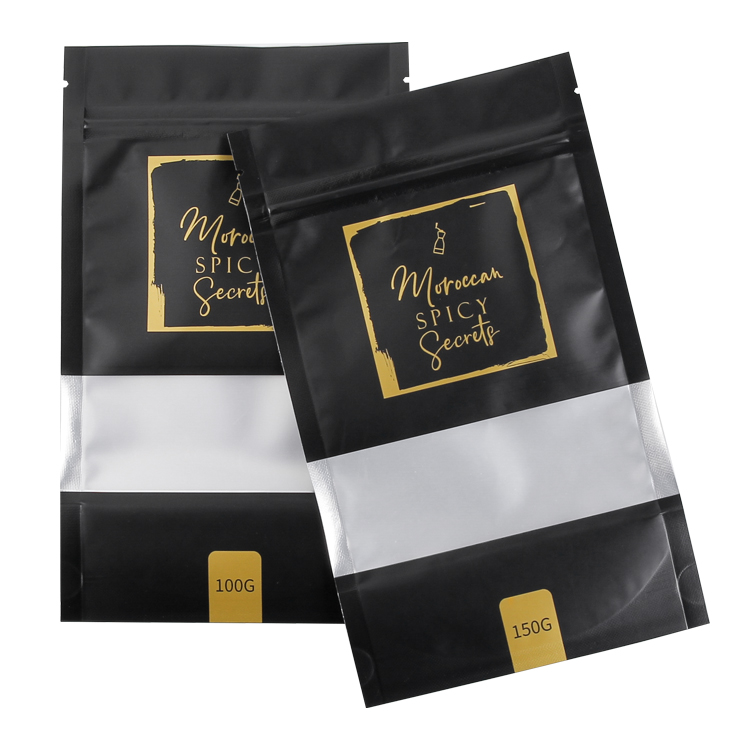
A spice refill pouch should be chosen around the refill task. Decide first whether customers will repeatedly open the pouch itself or empty it into a separate jar. Then select the opening, initial heat seal, material, fill capacity and label space for that use. Test the pouch with the actual spice and the intended filling process before ordering printed stock. A zipper can make a retail pouch easier to reclose, but it does not turn every pouch into a repeatedly refillable container.
This guide is for dry retail spices, whole spices, coarse seasonings and shelf-stable dry blends. It does not specify a permeable bag to steep in soup, a package for a wet paste, or a food-safety process for untreated spices. The brand or packer still has to approve its food, label, destination market and intended shelf life. The pouch supplier's job is to help turn those requirements into a package that can be made, filled and evaluated.
If you are buying custom bags, our cooking spice pouch range is the relevant starting point. Send the product form, target net weight, proposed sales channel and refill behavior with the inquiry. “Reusable spice bag” alone is a poor specification: shoppers often use those words to mean washable cloth infusion bags for cooking, which are an entirely different product.
Start with the refill route, not the word “reusable”
Imagine a customer who buys 5 oz of seasoning in a printed stand-up pouch. They tear off the top, close the zipper after each meal and empty the pouch over several weeks. That is a reclosable retail pouch. Now imagine the same customer keeping a glass spice jar and buying a sealed pouch intended to be emptied into it. That is a refill pack. Finally, imagine a seller collecting an empty package, cleaning it, filling it again and placing it back into distribution. That is a return-and-refill system, with responsibilities well beyond choosing a zipper.
These products can look similar in a photograph. Their functional tests differ. The first must withstand repeated opening and pouring by the customer. The second needs a dependable unopened seal and a clean, controlled transfer into the jar. The third needs a documented route for collection, cleaning, inspection and subsequent food contact. A one-time-use laminated pouch should not inherit the claims of that third system simply because it can be opened and closed more than once.
Write the route in one sentence before asking for a sample. For example: “A 200 g dry rub is sold as a heat-sealed refill for an existing shaker; the consumer empties it in one transfer.” That sentence is more useful than specifying “reusable, eco, food grade, zipper bag,” because each of those words can be interpreted in several ways.
Reclosable, refillable and reusable answer different questions
Reclosable describes an opening feature. The zipper may help the customer keep unused spice in a pack after the first opening. Refill pack describes how the contents replenish another container. Refillable package suggests that the original package itself can be replenished through an actual system. Reusable can imply repeated uses beyond the single retail fill. Do not collapse these into one label claim.
In the US, the Federal Trade Commission's summary of its Green Guides says marketers should not make an unqualified “refillable” claim without a way to refill the package, such as a collection system or a product sold to refill it. That is a claim-review issue for the brand. A pouch supplier can provide material and feature documentation; it cannot make a finished product's entire reuse program exist merely by adding a zipper.
Choose the package around how much the customer will remove at a time
A consumer who empties a whole pouch into a jar does not necessarily benefit from a zipper. The zipper takes up vertical space, can complicate the filling opening and adds another feature to specify and inspect. A straightforward sealed refill pouch with an easy-open feature may be more practical. By contrast, a household that sprinkles spice directly from the original pouch over many occasions needs to reopen it cleanly. There, a reclosure feature becomes part of the user experience.
Do a short use exercise with a filled sample. Put the actual net weight in the pouch, seal it as intended, open it as a customer would and pour or spoon out the amount used in one meal. Repeat the task with the remaining contents. Check whether the opening stays broad enough, whether powder sits in the zipper track, and whether the bag stands or collapses when partially empty. An empty pouch inspection cannot answer these questions.
The transfer route also affects graphics. If the refill pack is thrown away immediately, prominent product identification, net quantity and use instructions must be available at purchase and at the point of transfer as required for the market. If the pouch remains in the pantry for weeks, the product name, any relevant instructions and batch information should still be legible after the opening strip is removed. A tear notch placed too low may sacrifice text; a tear notch placed too high may leave an awkward lip above the zipper.
Use the spice itself to size the refill pouch
Net weight is the sales unit. Volume determines whether the chosen pouch can hold it with a sensible top clearance. A fluffy herb blend, ground paprika, peppercorns and coarse salt do not occupy the same volume at the same mass. They also settle differently after a filling run or a parcel journey. If you have three spice SKUs that share one printed pouch size, trial the bulkiest and most difficult-to-fill recipe, not only the most compact blend.
External width and height are not the whole capacity. Side seals, a bottom gusset, the location of a zipper and the area reserved for the final top seal all reduce usable space. Stand-up pouches can be convenient for repeat access, but their gussets must open properly at the planned fill. Flat pouches can suit single-transfer refills; they may require a different display plan because they do not stand on a shelf by themselves. The stand-up pouch format page and flat pouch format page show format directions, not a universal ounces-per-size conversion.
For a useful sample trial, record five things: the product's target net weight, the exact sample construction, the filling method, the settled fill height and the distance remaining to the designated top-seal area. Then check the bag after handling. If the contents rise into the seal zone during filling, a nominally large enough pouch may still be the wrong choice. If the product falls far below the front-panel design when settled, the pack may look underfilled even though the weight is correct.
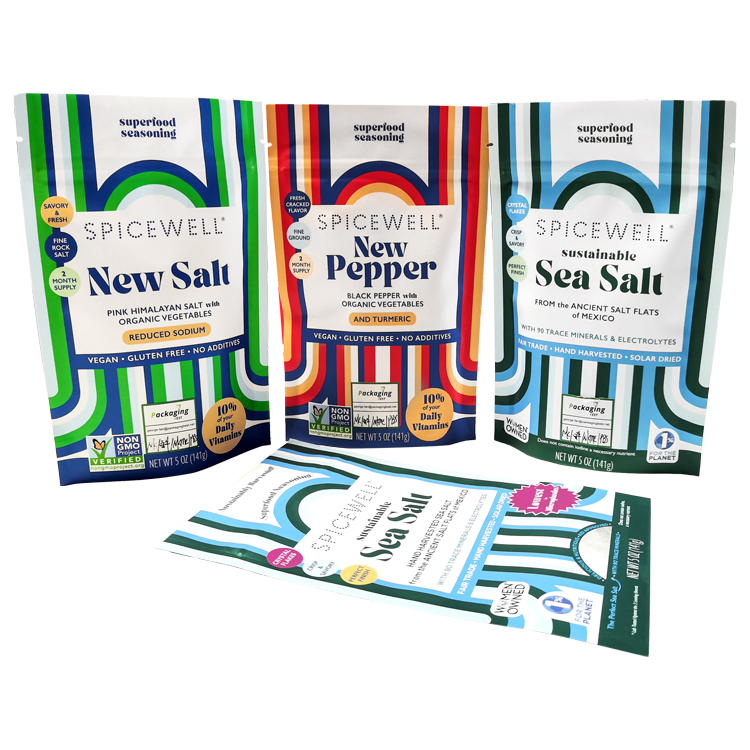
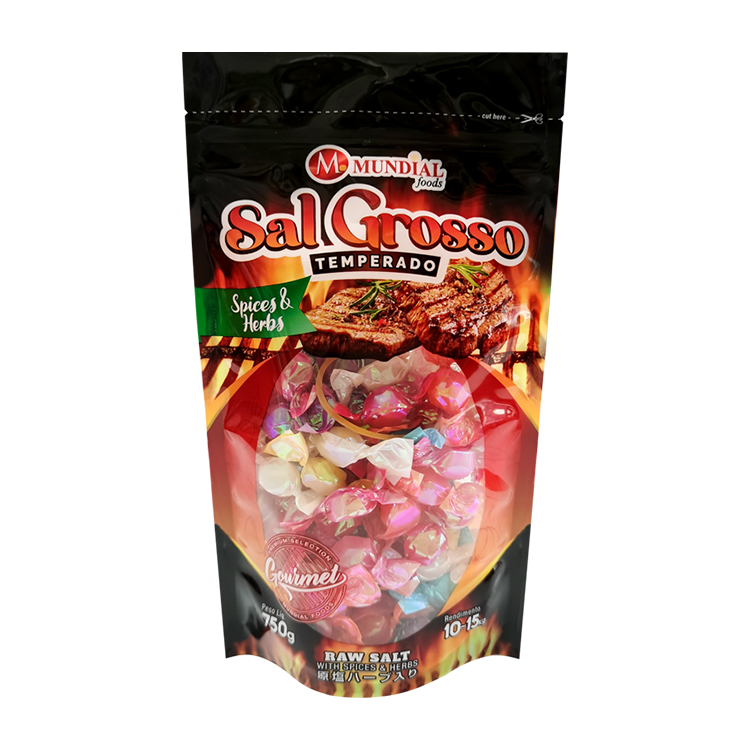
Do not turn another customer's 5 oz or 750 g case into a capacity chart. Those numbers belong to specific products and bags. The published US 5 oz gourmet seasoning project lists a stand-up format, digital print, an NK/white-kraft/NKME/PBS structure and dimensions of 13.3 × 20.9 + 2.5 cm. A Japanese 750 g BBQ-seasoning and coarse-salt project lists a clear-window stand-up bag, NY/PE construction, gravure printing and 13 × 22 + 4 cm. They show that nominal weights and constructions vary by project. They do not establish a size rule for every powder or a tested refill flow.
A short fill-trial record beats a generic size table
Prepare several pouches for each candidate dimension. Fill with production-representative spice at the target weight. If an auger filler is planned, use the same delivery path or a credible line trial; spooning a pouch at a desk does not reproduce the dust and headspace created on a running machine. Record any product caught in the top region or zipper. After sealing, stand the bags in the intended display position and place some in the proposed shipper. Recheck fill shape and the opening experience after normal handling.
Keep the results tied to the particular recipe and lot. If a blend gains a different coarse ingredient, changes grind size or changes net weight, the earlier fill-height record may no longer be representative. The refill pack might also need more front-panel area for instructions if it replaces a jar's familiar label. A fill trial and a print proof should therefore be approved together, not in isolation.
Specify the initial seal and the reclosure as separate features
Many retail zipper pouches are supplied with an open top for the packer to close after filling. On that design, the unopened retail barrier comes from the specified final heat seal above the zipper. After the customer tears away the opening strip, the zipper becomes the reclosure. A zipper that feels tight in an empty sample does not demonstrate that a powder-dusted production bag has a sound initial seal. Conversely, a strong first seal does not show that the consumer will be able to close the zipper with one hand after a few uses.
Ask for a pouch drawing that identifies the intended filling opening, zipper position, top-seal strip and tear feature. Check whether the line's jaws can reach the sealing area without striking the zipper or a hang hole. Allow a clean zone even for a sealed one-time refill: fine spice dust can land on the seal surfaces. A design that looks efficient on a flat die line can become awkward once the pouch is held open and filled.
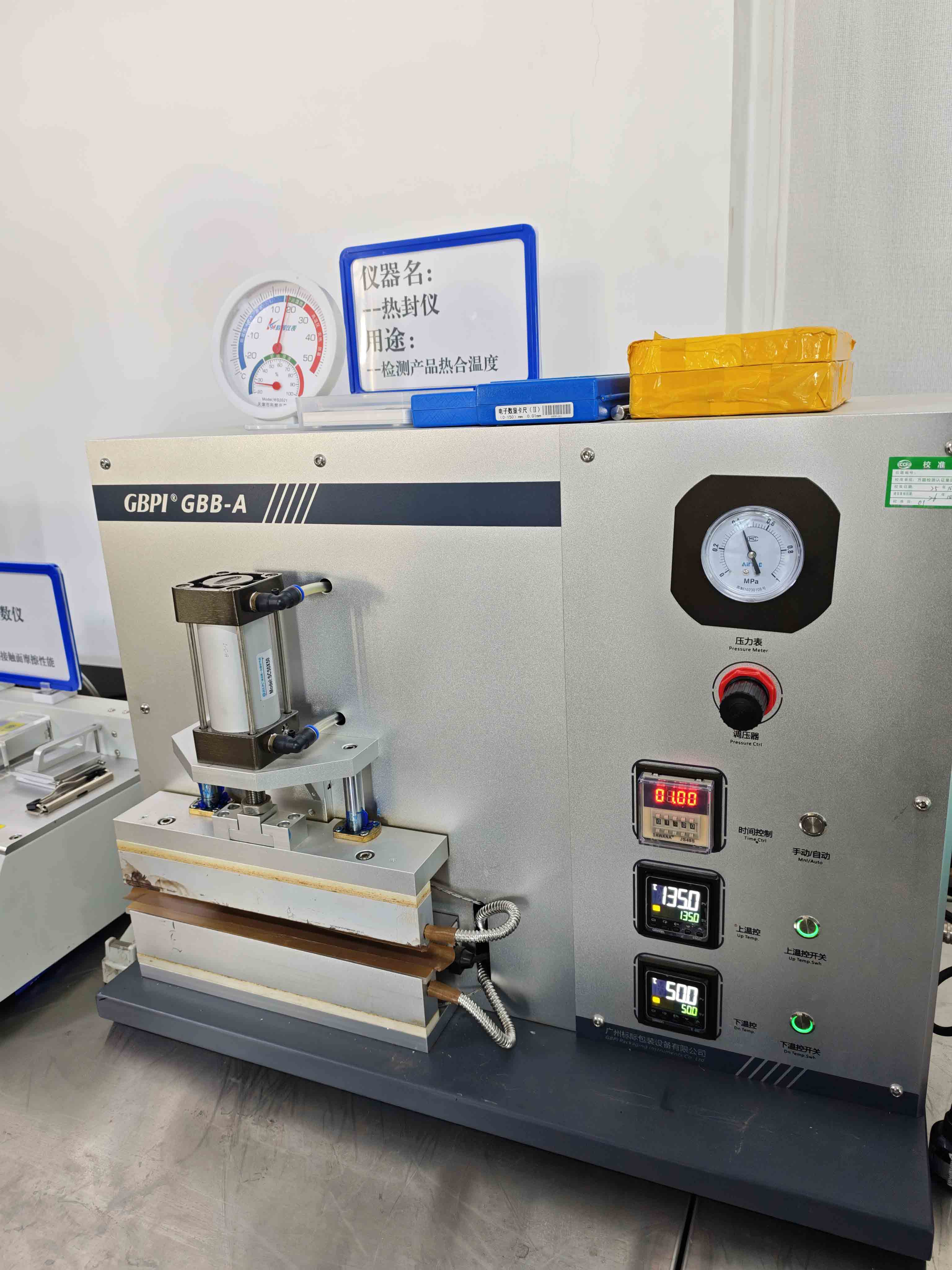
On the line, evaluate the actual combination of film, product, machine and operating settings. The packer's team should establish and monitor its process window rather than copy a temperature and dwell time from a different bag. A visible unsealed channel, folded film, product caught in the seam or heat damage near a corner deserves investigation. The ASTM F88/F88M-23 method is a recognized way to measure seal strength on flexible barrier materials; it does not, by itself, prove an entire filled pack has no leaks or that a zipper will survive repeated use. Select acceptance criteria and any additional integrity checks for the finished package and its actual distribution route.
Repeated closing needs its own user trial
For a pouch meant to remain the pantry container, make a use sequence rather than relying on an undefined “zipper test.” Open a properly filled and initially sealed sample as a customer would. Remove a realistic portion, close the zipper, carry or store the pouch in the intended orientation, then repeat. Note trapped particles, misaligned tracks, damage from the tear strip and whether the bag can still be identified. Ask customers or staff who did not design the bag to perform the exercise; designers tend to know where to press or pull without being told.
If the sample behaves poorly, there are several possible changes. A wider opening may help the product pour. More distance between product level and zipper may limit contamination. A different zipper profile or a no-zipper one-time refill may be a better fit. The answer is not automatically a thicker laminate. That would change film properties while leaving the awkward access point untouched.
Choose materials for the entire pack and its intended use
“Mylar,” “kraft,” “foil” and “recyclable” are not complete material specifications. Ask the supplier for the layer construction, contact-side sealant, relevant thickness, compatibility with the food and filling process, and the available barrier data under stated test conditions. For a strongly aromatic spice, the brand may care about aroma retention and external odor pickup. For a salt-heavy rub, moisture management may matter. A clear window changes the complete package compared with an opaque panel; the visible product is also exposed to light through that area. None of those features alone establishes a shelf-life date.
The selection also depends on which side of the refill system the pouch occupies. A sealed refill may spend its whole distribution life unopened and then be emptied once. A reclosable retail bag remains in use after the original seal is gone. Evaluate the unopened package for the intended storage period and evaluate the open-package experience separately. Do not take a pre-opening barrier result and call it the post-opening performance of a zipper.
For a US-facing food product, the FDA's food-contact overview explains that the authorization of a food-contact substance is tied to its specified intended use and applicable limitations. Ask for documentation relevant to the actual construction and contact conditions; a generic “food-grade” icon is not a substitute. The food brand remains responsible for the food and market-specific label approval. If the program reaches other countries, review their requirements separately.

Make environmental claims only for the actual system
A refill pack may use less rigid packaging than a particular jar-and-lid combination, but that statement needs a defined comparison if it appears in marketing. A pouch with a paper-look exterior is not automatically a paper-only recyclable pack. A recyclable film code does not guarantee collection and processing where the customer lives. “Refillable” should describe a route through which the customer can actually refill the original container. “Compostable” depends on the complete construction and the claimed disposal conditions, not on the appearance of a kraft layer.
Ask what the proposed material and closure mean for the whole finished pouch. Include inks, zipper, any window and the final seal in that review. If the brand wants a claim on the front panel, approve its wording and evidence before print, with the destination market in mind. The FTC's Green Guides provide a US framework for assessing environmental marketing claims; they are not a material certification for a particular pouch.
The US 5 oz seasoning project above is listed with a compostable-design description and a named structure. That project listing does not supply independent claim substantiation for a new refill pouch. It cannot be used to declare your different zipper, ink, film or market combination compostable. Request the documentation for the configuration actually being ordered.
Build artwork for a pouch that might stay open for weeks
The refill route changes what information remains with the customer. A sealed bag emptied into a jar might be discarded immediately. The product identity, use instructions and batch information must still be managed through sale and transfer. A reclosable pouch that stays in the cupboard should retain readable identification after the opening strip is removed. Plan the live text area around the zipper, tear notches, seals and bottom gusset, then review a printed sample at full size.
Multi-flavor programs create another common problem. The same bag size may be used for cumin, paprika and a blended rub, but the ingredient and allergen information, net quantity, date coding or barcodes can vary by SKU. Keep an artwork/version matrix. Confirm which finished packets will be packed into each carton and which label goes on that carton. A visually attractive proof does not prove that the right flavor was placed in the right bag.
The real 5 oz US seasoning project documents digital printing for a multi-flavor presentation. That establishes an example of printed seasoning pouches, not a guaranteed order quantity, a customer's sales outcome or a universal print recommendation. Choose digital or another print method based on approved artwork, the number of SKUs and the supplier's quotation for your run.

Test the filled bag in the carton customers will receive
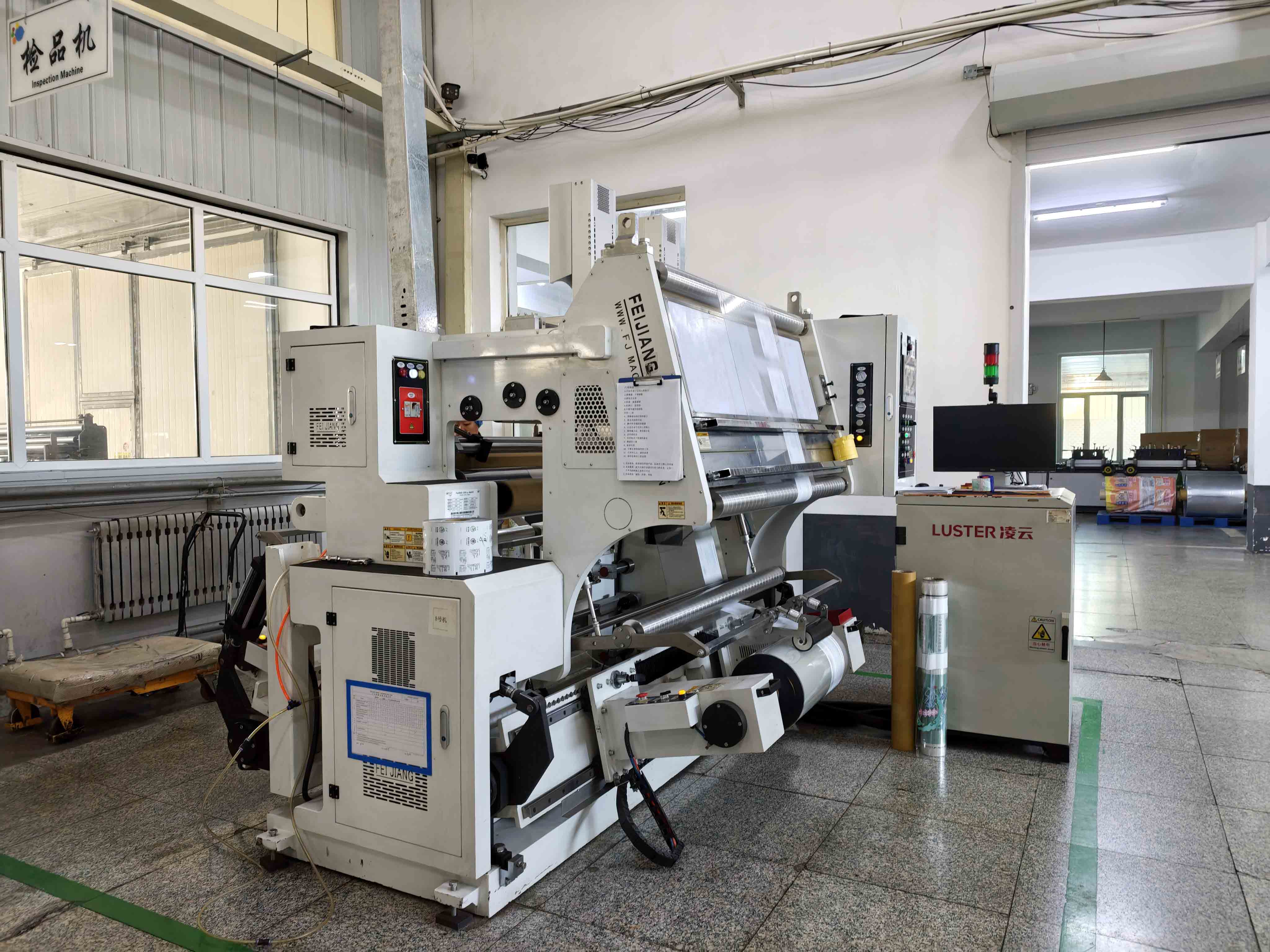
A refill pouch does not end at the first seal. Cases can compress filled bags, rough handling can scuff a print, and large coarse pieces can put stress on corners. The result also depends on how many pouches are placed in the shipper and whether the bags can move against one another. Review a complete carton using the expected distribution method. Record damage by location: top seam, zipper area, side seal, corner, window or abrasion on a printed face. That observation is more actionable than simply marking the bag “failed.” If the pack will be sold online, include the likely parcel presentation. If it will be placed in a retail display, check whether a partially filled pouch stands acceptably and whether the product panel stays readable. If it will replenish jars in a food-service kitchen, check that staff can identify product and lot after the master case has been opened. Different routes may justify different pouch sizes or closures even for the same formula.
The packaging supplier can propose materials, dimensions and tests for its empty bags. The food packer must run the final fill, seal and finished-carton checks on its equipment and with its product. Keep retained samples tied to the film or pouch lot, artwork version, food lot and line settings so a later complaint can be investigated against the right build.
Separate design change from process change
When a filled bag spills, it is tempting to order “better film.” First identify what happened. Product visible in the top seal suggests filling dust or clearance should be investigated. A corner abrasion pattern points toward the carton and transport route. A zipper that will not close after several uses calls for an opening and product-handling review. A pouch that tips over may need a different filled shape or gusset. The film could be involved in any of these, but a new thickness cannot be assumed to solve them all.
Create a small change log for each trial: pouch version, material, width and height, gusset, closure, net weight, recipe, machine, carton count and observed defect. Change one major variable at a time when possible. Otherwise the next sample may appear better without revealing whether the improvement came from the new pouch, a slower filler, a lower fill height or a more protective carton.
Send a supplier brief that can produce useful samples and quotes
The most efficient inquiry is not a photograph of a competitor's pouch with “same, please.” A photograph can show the desired presentation, but the supplier also needs the product, equipment and commercial route. Keep the first brief short enough to be answered, yet specific enough that two proposed pouches can be compared on the same basis.
For a reclosable retail pack, add a specific question about zipper location and how the customer will dispense the spice. For a sealed refill, ask how the opening will guide a clean transfer into the target jar. For either route, request a drawing that shows internal usable area, seals, gusset and any feature that cannot be printed over.
The call to action should follow the evidence: ask for a candidate specification and samples, not for a promised universal shelf life. Mylarbag's custom spice packaging page is the place to start that discussion. Provide a production-representative spice sample when possible, and tell the supplier what the food business will test. A clear brief helps the factory propose a build that can be checked rather than merely photographed.
A practical approval sequence for a spice refill launch
First, approve the commercial route: original pouch kept for repeated use, sealed refill for a separate jar, or larger kitchen replenishment pack. Second, shortlist pouch formats that fit the product and the sales unit. Third, check full material and food-contact documentation for the proposed construction and destination market. Fourth, run the filling, top-seal and, where relevant, zipper-use trials with the real spice. Fifth, approve the actual artwork, SKU matrix and carton. Finally, keep a controlled record of the approved version and inspect the first production run against it.
This sequence is deliberately practical. The pouch that looks best on a mood board can be hard to fill. The film with the most impressive headline barrier value can still make a poor consumer pour opening. A low unit price can be offset by extra waste if the bag's geometry causes dusty seals or damaged cartons. The useful buying comparison is the finished, filled package under the route it will actually travel.
You do not need a made-up environmental benefit or a universal number of refill cycles to make a compelling offer. A customer can understand a clear benefit: a sealed pack sized to replenish an existing jar, or a printed pouch they can close between uses. Specify which benefit the product delivers, then make sure samples demonstrate it.