
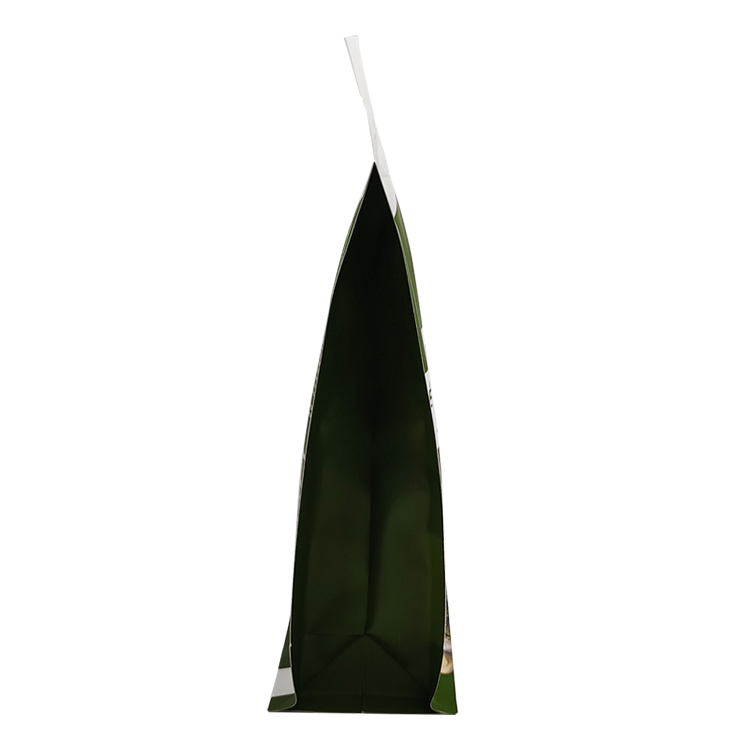
No single “right size” applies to every tea bag or tea pouch. Tea is light, irregular, and variable: a pouch that comfortably holds one tea can be too small or too empty-looking for another product with the same stated weight. A reliable tea packaging bag size guide therefore starts with the actual product, the selling unit, and the pack’s route through filling, retail, and consumer use—not with a generic dimensions chart.
The method below creates a practical size brief for loose leaf tea, tea bags, sample packs, and larger brew bags. It is a planning resource, not a promise that a particular dimension will fit a particular weight, provide a stated shelf life, or meet a market requirement. Confirm final dimensions with a filled sample and documentation for the exact structure and intended market.
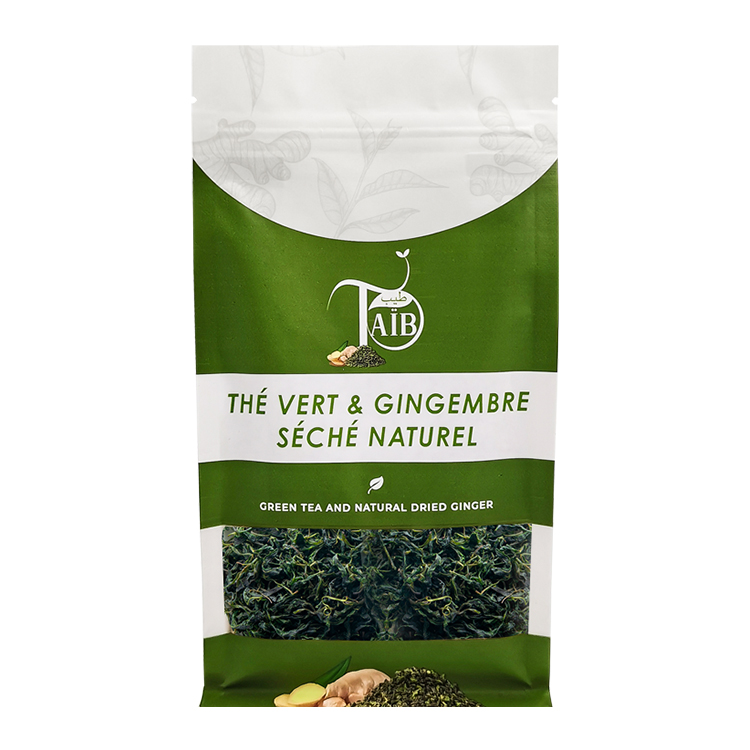
Start with the selling unit, not the word “tea bag”
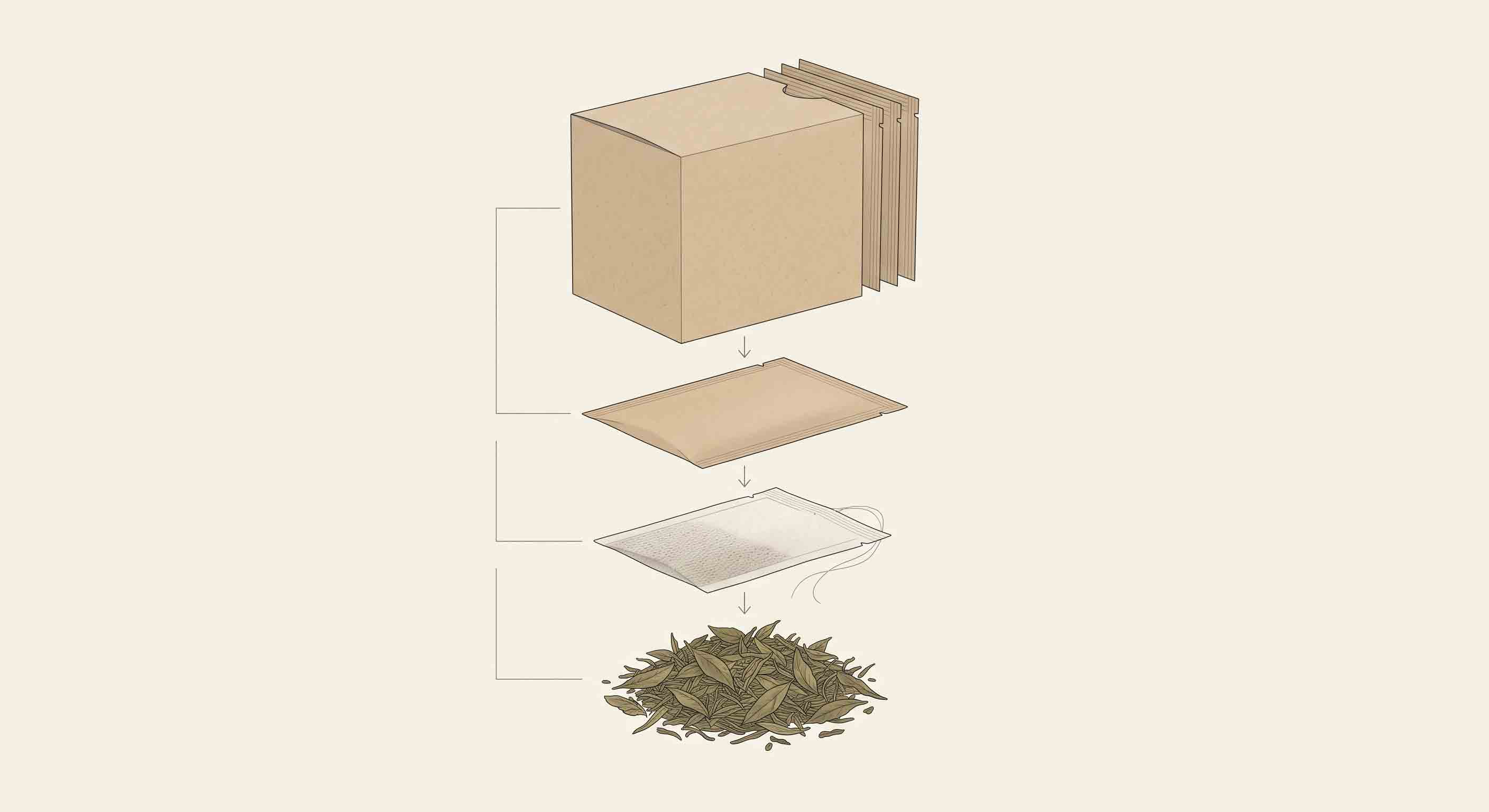
“Tea bag” can mean several different things:
- a single filter bag that is brewed in a cup;
- an individually wrapped filter bag;
- a carton containing a defined number of filter bags;
- a flexible pouch of loose leaf tea;
- a refill pouch;
- a large brew bag for a teapot, foodservice, or a larger batch;
- a sample sachet or a subscription portion.
Each unit is sized differently. A filter bag needs room for the intended tea portion and brewing behavior. An outer envelope needs to accommodate the filled inner bag, string, tag, and sealing area. A loose-leaf pouch needs to hold a target fill while remaining usable and visually balanced on shelf. A carton is sized around the inner units and their arrangement rather than the tea alone.
Before requesting dimensions, write down which item the dimensions describe. A request that simply says “we need a 100 g tea bag” can lead to samples for the wrong layer of the system. A better request is: “We need a resealable retail pouch for 100 g of our loose leaf tea,” followed by a sample of the product and details of the intended retail pack.
Why tea weight alone is not enough
Tea does not fill space the way a dense powder or a liquid does. Whole leaves, curled leaves, herbs, flowers, blends, and cut tea can occupy very different volumes at the same net weight. Leaf shape also changes how the product settles during filling and how it looks through a window or at the top of a pouch.
For that reason, an ounce or gram target is only one input. The packaging brief should also state the product’s loose volume. A supplier can evaluate that using a real product sample or a controlled fill test. Do not rely on a competitor’s dimension, an empty pouch photograph, or a generic “X grams fits Y pouch” statement as a final specification.
Factors that can change the required volume include:
- leaf size, curl, density, and fragility;
- inclusion size in a blend, such as dried fruit or flowers;
- how consistently the tea is filled or dosed;
- target net weight and any intended count of servings;
- whether the product is compressed, settled, or deliberately presented with visible space;
- closure type, seal zones, gussets, and the desired opening behavior;
- whether the same pouch must contain an inner bag, scoop, insert, or sample;
- the retail presentation and secondary packing method.
The point is not to complicate the order. It is to prevent an early shortcut from becoming a costly artwork, filling, or usability problem later.
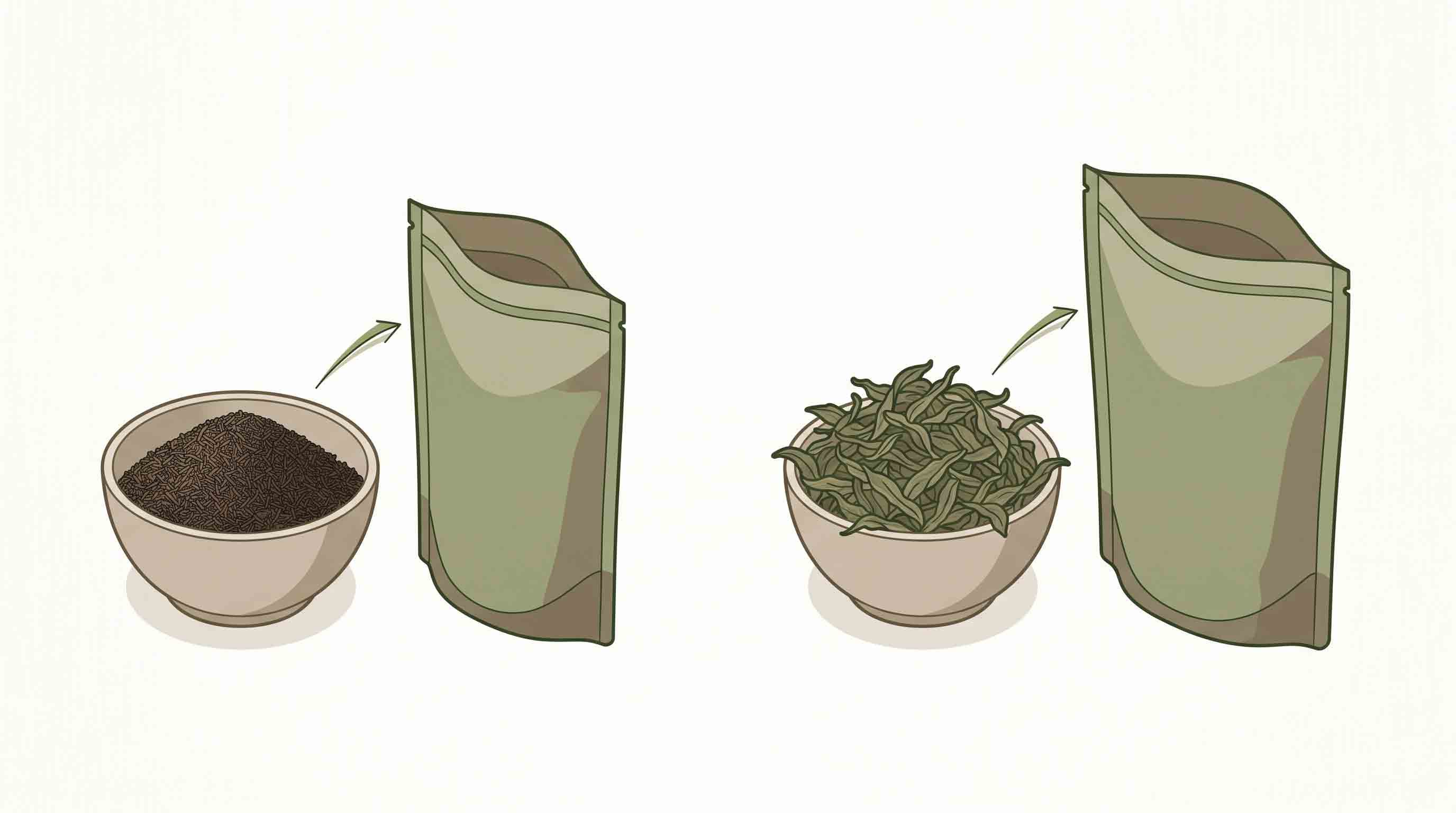
The five dimensions that should appear in a pouch brief
For a flexible tea pouch, a size is usually more than width and height. The exact naming convention varies by format, but the brief should describe the geometry clearly enough for a sample and dieline discussion.
These are planning questions, not fixed engineering tolerances. Final tolerance, sealing requirements, and filling approach depend on the selected format and the supplier’s manufacturing specification. The important thing is to avoid treating the outside dimension as the entire size decision.
Measure a real filled reference sample
The fastest reliable input is a physical sample containing the actual tea. Prepare several fills at the planned net weight rather than one heavily compressed example. Measure the product’s approximate height and width after it settles naturally, then record how it behaves when the pouch is held upright, laid flat, and opened.
Use the following checklist during a sample review:
- Product identity: Record the exact tea or blend, grade or cut where relevant, and target net weight.
- Fill behavior: Note whether the product bridges, settles, creates sharp leaf edges, or leaves a large visible void.
- Target format: Define whether the pack is flat, stand-up, box-bottom, side-gusset, or another agreed format.
- Functional zones: Mark the intended fill line, seal zones, closure, tear feature if any, label area, and code area.
- Consumer use: Open and close the pack as a customer would. Check access to the tea without assuming a particular closure is appropriate.
- Retail and shipping: Place the filled sample in its intended carton, shelf arrangement, mailer, or secondary pack where possible.
- Artwork scale: Print a low-cost artwork proof at size so ingredient, brewing, and brand information can be read in context.
Taking photographs of this review can help the team compare samples, but photographs are not a substitute for documented dimension approval or market-specific compliance review.
Size a filter bag and its outer packaging separately
A filter bag needs sufficient internal space for the intended portion and tea movement during brewing. The outer pack must then be sized around the actual filled filter bag and its components. Treat these as linked but separate specifications.
For a single-serve tea-bag system, ask:
- What is the target dose, and what tea particle size or blend will be used?
- Is the bag flat or three-dimensional, and is that format confirmed through an actual brew trial?
- Does the system include a string, tag, staple-free attachment, thread, or another component that changes the pack size?
- Will the bag be sold loose in a carton, inside an individual envelope, or in another configuration?
- If there is an envelope, what sealing margin, opening method, artwork area, and handling route are required?
- How many units will be counted into a carton or multipack?
Do not use outer-envelope dimensions as proof that a filter bag will brew as intended, and do not use a filter bag’s nominal dimensions as the carton size. The pack should be evaluated as a system from tea fill to final retail unit.
Create a size brief for loose leaf tea pouches
For loose leaf tea, an effective first brief contains the information a packaging team needs to recommend or sample candidate dimensions. It should not ask them to infer the product from a label image.
This turns “What size bag should I use?” into a question that can be tested. It also makes it easier to compare quotes because every candidate supplier is evaluating the same product and selling unit.
Use published project dimensions as references, never as universal charts
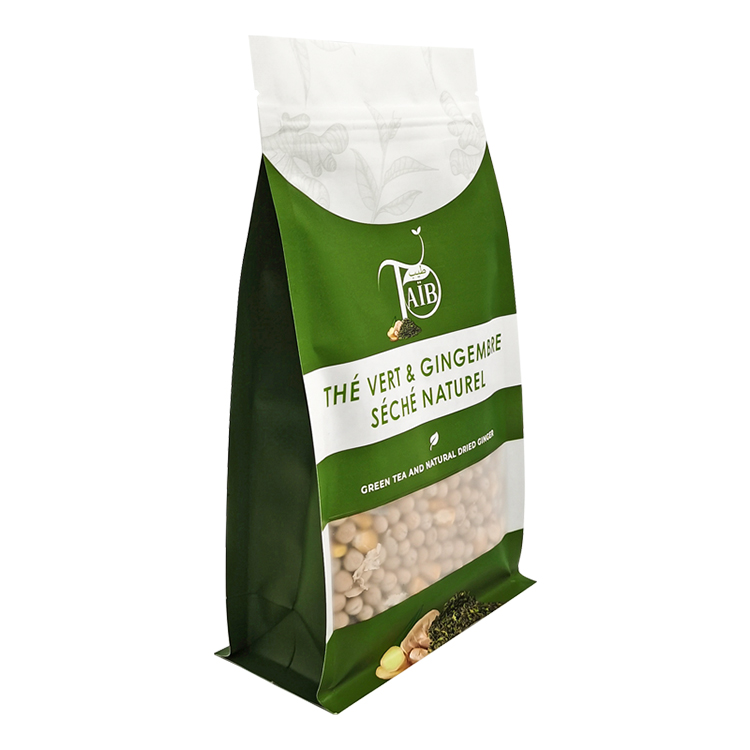
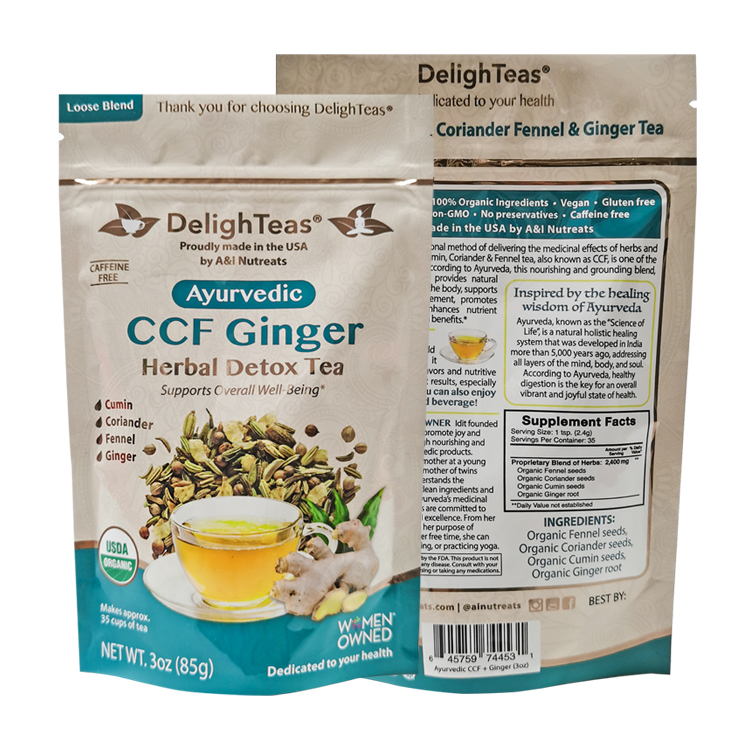
A public green-tea pouch record gives 12 × 22 + 6 cm for a 125 g box-bottom project. A separate 3 oz stand-up-pouch record gives 12 × 18.5 + 3 cm. Together, they show how a published project can state product-specific dimensions. They are not a size chart, and they do not establish what another tea, weight, material structure, or market requires.
When comparing such records with your project, compare the tea’s actual volume, desired pouch format, fill line, closure area, and the whole retail pack—not just the nominal net weight. A supplier should confirm whether a candidate size is suitable after reviewing the real product and specification.
Check size against design and information requirements
A pouch can hold the tea yet still be a poor retail pack if the design is cramped. Before dimensions are approved, place all required visible information on a size-accurate proof. Consider the product name, net quantity, brewing guidance, ingredients where applicable, brand marks, code area, symbols, barcode, and any market-specific labeling required by the seller.
Do not solve a design-space shortage by reducing essential information to unreadable text. Instead, revisit the product architecture: use a different pouch format, a carton, a label, a larger size, a second panel, or a simplified product range. Which route is appropriate depends on the sales channel and regulatory responsibility; confirm the final label requirements for the actual market.
There is a related practical question: where will variable data appear? If batch, date, or other coding will be applied later, reserve an unprinted, accessible area and validate that approach with the packer. This is not an instruction to put a specific code on every pack; it is a prompt to plan the real production workflow before artwork is locked.
Allow for the route after filling
Size affects more than shelf appearance. It changes how a pack is counted, packed into a carton, displayed, mailed, and stored. A first sample should be checked in the route it will actually take.
For example, a brand selling direct to consumers may need to evaluate the pouch with its mailer and protective materials. A specialty retailer may need to evaluate the front-panel hierarchy and shelf footprint. A hospitality buyer may need a carton that supports a clear count and orderly dispensing. A bulk buyer may need to compare a larger pack with its back-of-house storage process. These are different use cases, so they may not share the same optimum dimension.
Avoid declaring that one compact or oversized pack is “better” without testing the relevant route. The useful outcome is a documented choice: what unit is being sold, what pack it uses, how it will be filled and handled, and what the supplied sample confirmed.
A practical sample-approval sequence
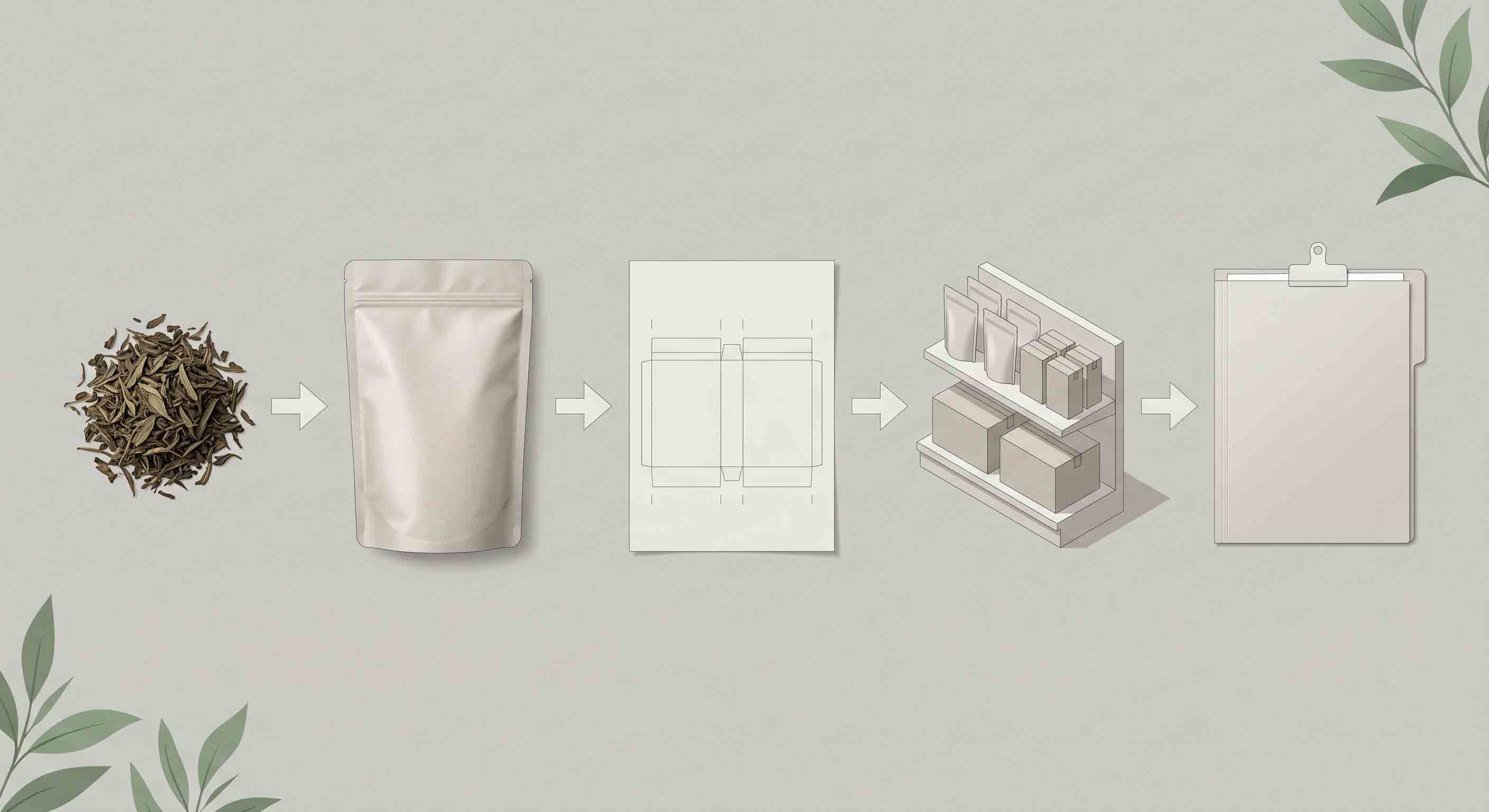
Use a staged approval process rather than jumping from an empty pouch to a large run:
- Confirm the tea sample and the exact selling unit.
- Shortlist candidate formats and dimensions based on the sample, not only the stated weight.
- Request or make filled mock-ups that show the intended fill line, closure, and artwork zones.
- Review the pack standing, opening, resealing if applicable, visual hierarchy, count, and secondary-pack fit.
- Test the product in the actual intended route where feasible.
- Check the current documentation and claims needed for the exact material, food, intended use, and market.
- Approve the final dimensions only after the filled sample and artwork proof are accepted by the responsible team.
This sequence does not replace formal quality or compliance processes. It simply prevents a common ordering error: deciding every dimension before the real product has been placed in the pack.
When to request a custom tea pouch discussion
If your product’s volume, format, artwork, closure, and sales route need to be evaluated together, custom tea bags can be discussed as a project rather than selected from a one-size-fits-all chart. Share the tea sample details, target net weight, candidate format, desired market, and any known dimension constraints so the discussion can focus on what needs a sample or specification check.
Hand the approved size into artwork and production clearly
Once a candidate dimension has passed the filled-sample review, record it in the project brief alongside the pouch format, dieline revision, intended fill, and visible information zones. This prevents using an early empty-sample dimension after a supplier has changed the format or gusset, and provides a clear reference for the approved selling unit.
The handoff should answer four questions: Which drawing governs the final size? What product sample and fill were used to approve it? Which areas must remain free for seals, closures, codes, or folds? What change would require another sample review? If the tea, pouch geometry, closure, material structure, target market, or artwork content changes, the team should decide whether the prior size approval still applies.
This record is not a substitute for a manufacturing tolerance specification. This step prevents a common mismatch between the online dimensions, the printed dieline, and the filled product a customer receives.
Frequently asked questions
What size pouch do I need for 100 g of loose leaf tea?
There is no reliable universal size because 100 g of different teas can occupy very different volumes. Provide a real sample, target format, closure, and sales-unit details, then validate a filled mock-up before approving dimensions.
Are pouch dimensions the same as usable fill dimensions?
Not necessarily. The outside dimensions do not by themselves show gusset volume, top-seal space, closure area, headspace, or the practical fill line. Ask for the full pouch specification and evaluate a filled sample.
How do I size an individually wrapped tea bag?
Size the inner filter bag around the intended tea portion and brewing format, then size the envelope around the actual filled inner unit, string/tag components if used, sealing area, and pack count. Validate the assembled system.
Can I use another brand’s pouch size as a reference?
It can be a starting reference, but it should not be treated as a final specification. Tea volume, format, material structure, closure, artwork, and sales route may differ. Test your own tea in a candidate pack.
Should I choose dimensions before artwork?
Choose candidate dimensions before final artwork, but use a size-accurate artwork proof before approval. This confirms that required information, branding, and variable-data areas have workable space.
Sources
- FDA food-contact overview: https://www.fda.gov/food/food-ingredients-packaging/food-packaging-other-substances-come-contact-food-information-consumers
- Related Project, 125 g tea pouch: https://www.mylarbag.net/products/food-packaging/custom-matte-flat-bottom-tea-pouch-with-clear-window-matoppvmpetpe-for-125g-loose-leaf-green-tea-herbal-blends
- Related Project, 3 oz tea pouch: https://www.mylarbag.net/products/food-packaging/custom-3oz-stand-up-pouch-for-loose-leaf-tea-high-barrier-vmpet-packaging-bag-with-spot-uv-anti-static-design