
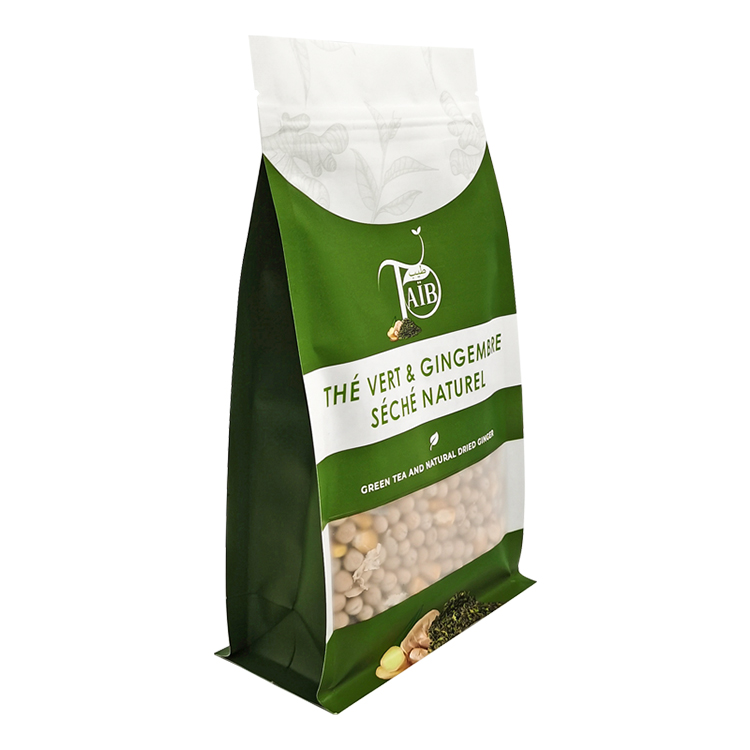
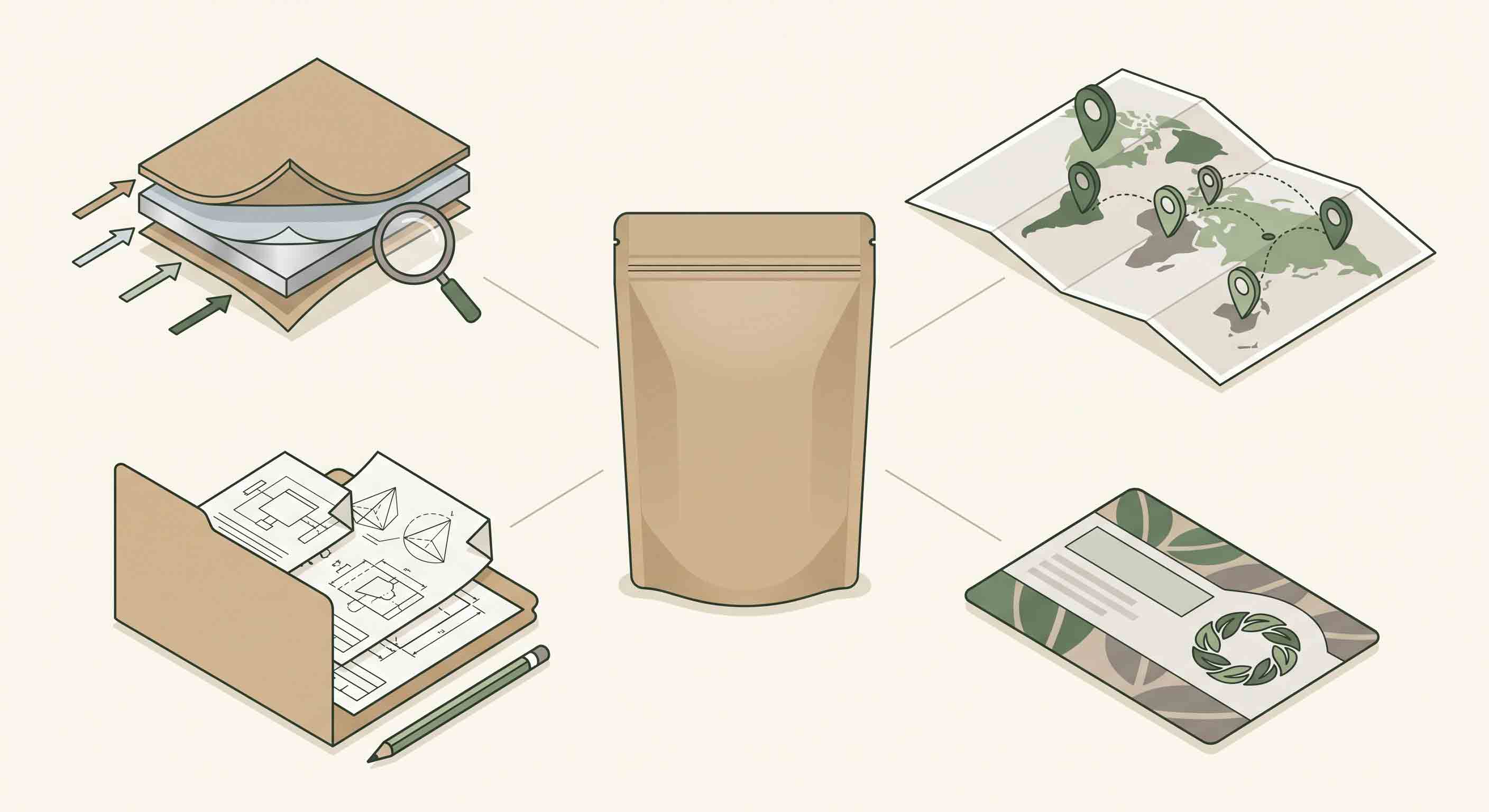
Tea packaging materials should be selected as part of a complete retail-pack specification. The tea itself, its physical form, the pack format, fill method, closure, artwork, intended shelf and shipping route, and target market all matter. A material name on its own—such as paper, kraft, plastic, film, foil, or plant-based—does not tell a buyer whether a finished tea pouch is suitable, food-contact compliant, recyclable, compostable, or right for a particular tea.
This guide focuses on outer retail packaging for loose-leaf tea and retail tea-bag products, including pouches, envelopes, and cartons. It explains how to compare material structures and the questions to confirm before finalizing a pack. Food-contact and environmental claims should always be supported by documents for the exact configuration and target market.
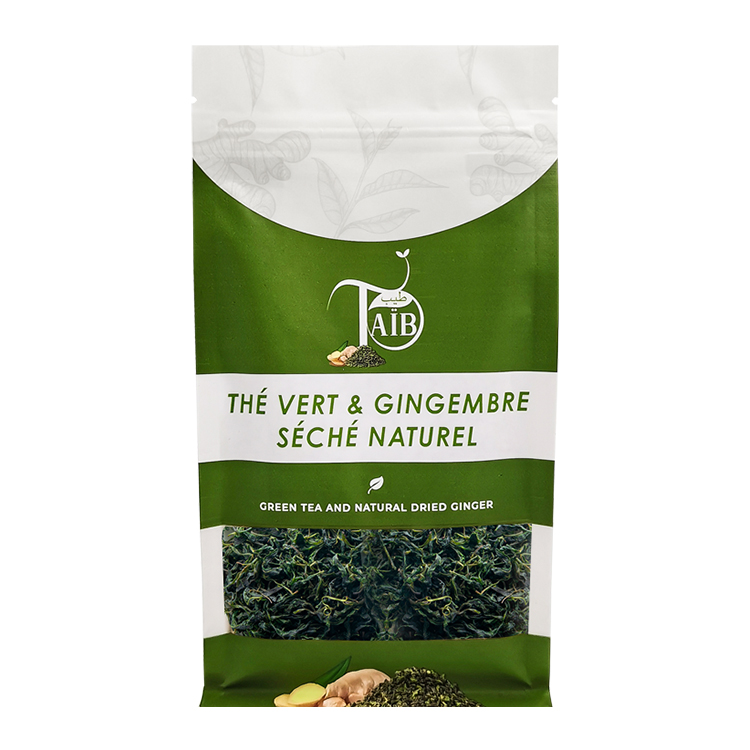
Start with the job the retail pack must do
Material selection is easier when the team describes the pack’s job in practical terms. A loose-leaf tea pouch and an individual tea envelope may serve different purposes even when they use similar visual design. Write a project brief that answers:
- What tea or blend is being packed, and how does it behave physically?
- Is the product loose leaf tea, individually handled tea bags, a refill, a sample, a gift set, or a bulk pack?
- What is the target net quantity or count?
- How will the pack be filled, sealed, opened, and stored by the customer?
- Does the retail pack need to stand, hang, lie flat, fit a carton, or survive a specified shipping route?
- What artwork, closure, window, finish, label, or code area is required?
- Which countries or regions will receive the product?
- What evidence is needed before food-contact, recycling, composting, or other material-related claims can appear?
The material structure follows from these choices. A supplier can discuss candidate structures after the actual product, format, and market are known. It is risky to begin with a generic “eco material” request and only later discover that the pack must also hold a particular tea volume, accommodate a closure, print legibly, and meet market-specific documentation needs.
Understand the difference between a format and a material structure
A pouch format describes shape and function: stand-up pouch, box-bottom pouch, flat pouch, side-gusset pouch, envelope, or carton. A material structure describes the components that make the pack: one material or multiple layers, plus items such as labels, coatings, closures, windows, inks, and adhesives.
The two decisions are connected but not interchangeable. Two stand-up pouches can look nearly identical yet have different structures, different approved intended uses, different component combinations, and different disposal instructions. Likewise, a paper-looking pack can include other functional elements. A material question must therefore refer to the final assembled pack, not only the most visible exterior.
Separating these questions keeps the commercial conversation specific. A buyer can ask for a kraft visual direction, for example, while still requiring the supplier to disclose the full material structure and review the final claims.
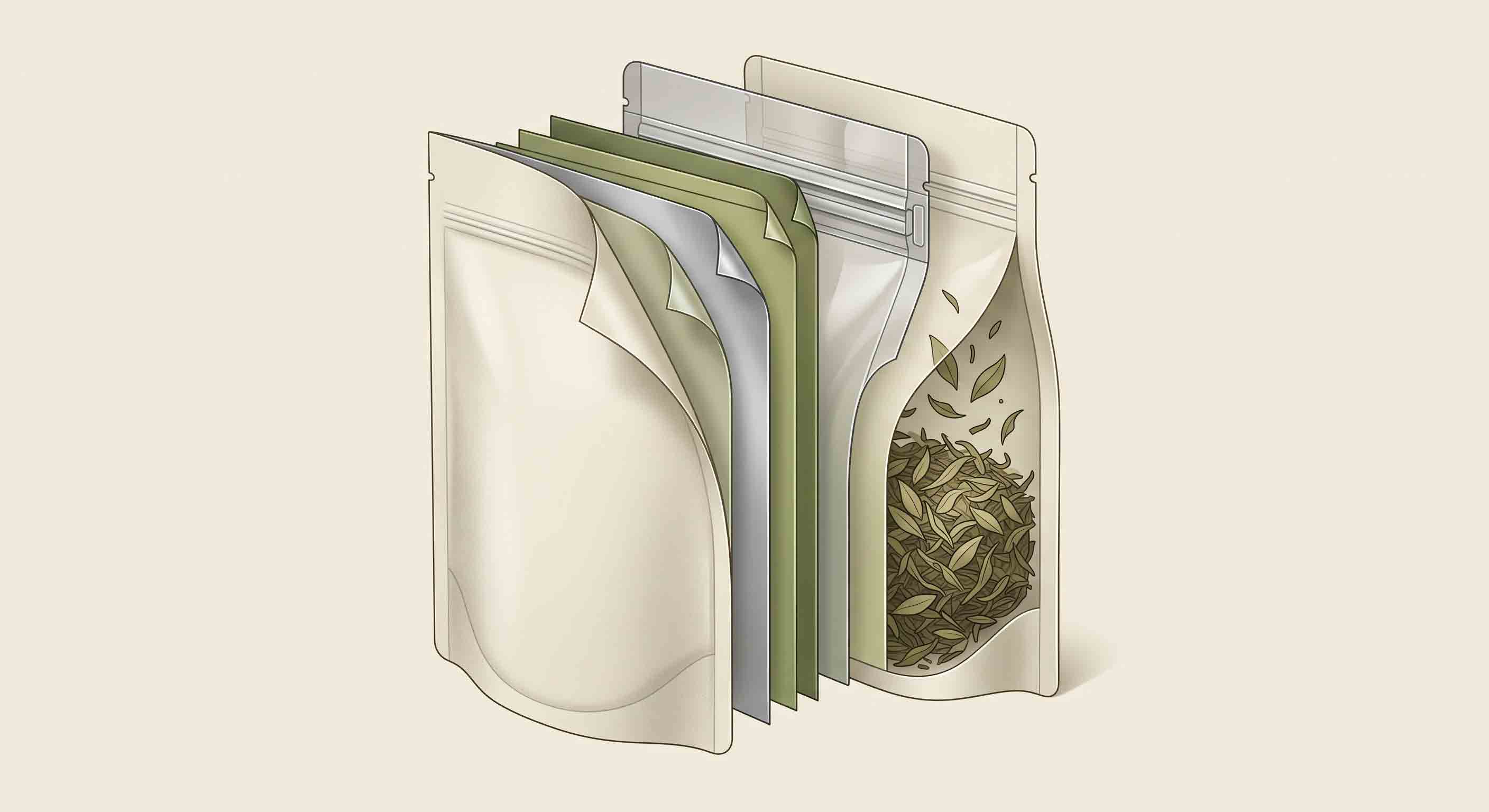
Material categories are starting points, not conclusions
When teams compare tea packaging materials, they often begin with broad categories. Those categories can structure a conversation, but none is a finished specification.
Before comparing individual materials, decide which retail-pack system is being assessed. This keeps the material review focused on the complete customer-facing pack rather than a single visible surface.
The categories below can then help frame the discussion of the complete system.
Paper and paper-looking retail packs
Paper-based cartons, labels, sleeves, and paper-looking pouches can provide a familiar tea presentation and ample printing space. The actual finished product may include coatings, barriers, adhesives, windows, or other elements that need separate review. Do not describe a paper-looking pouch as recyclable, compostable, plastic-free, or food-contact compliant without evidence for the complete configuration and target market.
Flexible film structures
Flexible pouches and envelopes may use one or more films with project-specific printing, sealing, closure, or appearance choices. The key questions are not just the word “film,” but the exact layers and intended pack performance. A visible pouch style cannot prove a specific barrier, shelf-life, recyclability, or compliance outcome.
Metallized or foil-like appearances
Some structures use a metallic appearance or metallized layer as part of a project-specific design and functional specification. A shiny finish should not be treated as proof of a particular metal content or a particular packaging result. Request the component description, sample, and documentation for the exact structure.
Cartons and combined systems
Tea can use a carton alone, a flexible inner pack inside a carton, individual envelopes in a carton, or a pouch-plus-gift-box system. An outer carton may have a different material story from the inner pack. If a consumer-facing claim is made, the wording must make clear which component it covers.
Use product samples to guide material selection
The real tea should be present in the selection process. Whole leaf tea, herbs, flower blends, fine-cut tea, and sample portions can fill and handle differently. A sample review helps determine whether a candidate format appears appropriate for the target fill, opening behavior, closure use, graphic layout, and secondary packing.
Use a structured sample review:
- Fill candidate packs with the actual tea at the planned net weight or count.
- Inspect the filled package for practical fill space, seal and closure clearance, opening behavior, and product access.
- Place an artwork proof on the actual dimensions to assess legibility and information zones.
- Check the pack in the relevant carton, shelf display, mailer, or foodservice route.
- Record questions that need supplier data, responsible quality review, or target-market confirmation.
- Approve the final material description only after the project team has reviewed the appropriate evidence and samples.
This process supports a decision; it does not itself establish a shelf-life, food-contact, or environmental result. Those claims need their own evidence.
Food-contact questions require exact documentation
Food packaging materials and components can be food-contact substances. The U.S. Food and Drug Administration provides general information about packaging and other substances that come in contact with food, but that does not allow a brand to transfer a broad statement to every pouch, tea, or market. The relevant review must match the material or component, food, conditions of use, and regulatory jurisdiction.
For a tea project, avoid phrases such as “food-grade material” or “food-safe pouch” unless a responsible party has current supporting documents that apply to the exact final configuration. Ask the supplier what documents they can provide and what application they cover. If products will be sold in more than one region, make sure the brand’s compliance workflow covers every intended market rather than assuming a document from one market resolves another.
Use this guide to frame supplier questions, then obtain an appropriate food-contact or regulatory review before making a final claim.
Environmental language needs its own evidence track
“Recyclable,” “compostable,” “recycled content,” “plastic-free,” “bio-based,” and “eco-friendly” are not design styles. They are claims that can require substantiation and qualification. The exact components, local collection or disposal route, and target-market rules matter. The FTC’s Green Guides are a useful U.S. reference for avoiding misleading environmental marketing claims, including claims that could be interpreted more broadly than evidence supports.
For a flexible tea pouch, do not describe the entire package as recyclable because one component is potentially recyclable. For a pouch-plus-carton system, do not let a carton claim imply the inner pouch has the same disposal path. For a material with a plant-derived input, do not imply a specific end-of-life result without evidence. Where evidence is incomplete, the appropriate action is to omit the claim until it can be reviewed.
The same component-by-component approach applies to individual tea-bag wrappers: assess the exact wrapper, envelope, carton, or other component rather than treating all tea packaging as one material.
Use public project records only as product-specific references
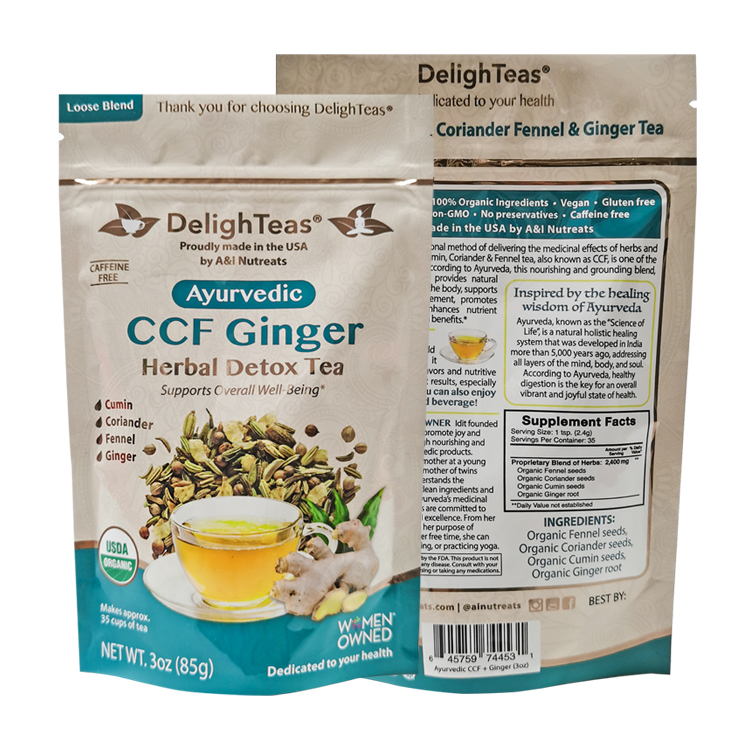
One public record describes a 125 g green-tea pouch using MATOPP/VMPET/PE in a box-bottom format. Another, for a 3 oz loose-leaf stand-up pouch, lists PET/VMPET/PE + PET/PE. These examples show the level of detail a tea-pouch project can document: product, format, dimensions, print process, and material structure.
They are not universal recommendations. They do not prove a material result for another tea, another pouch geometry, another market, or another intended use. They also do not authorize a broad “high barrier,” recyclable, safe, or sustainability claim in this article. Any new project must be evaluated on its own technical specification and documentation.
Build a material specification the team can actually use
A useful specification is a controlled record rather than a string of marketing adjectives. It should let the project team confirm what has been chosen and what remains open.
The record should be updated if the component, supplier, or market changes. Otherwise an old description can silently become the basis for a claim it was never intended to support.
Discuss tea material options with a complete brief
For a new loose-leaf pouch, tea envelope, carton, or combined system, custom tea packaging can be scoped around the real product and full packaging requirement. Share a tea sample description, target selling unit, desired format and visual direction, market list, and the material or claim questions that require current supplier documentation. That approach keeps the decision tied to verifiable project facts.
Ask material questions in a form suppliers can answer
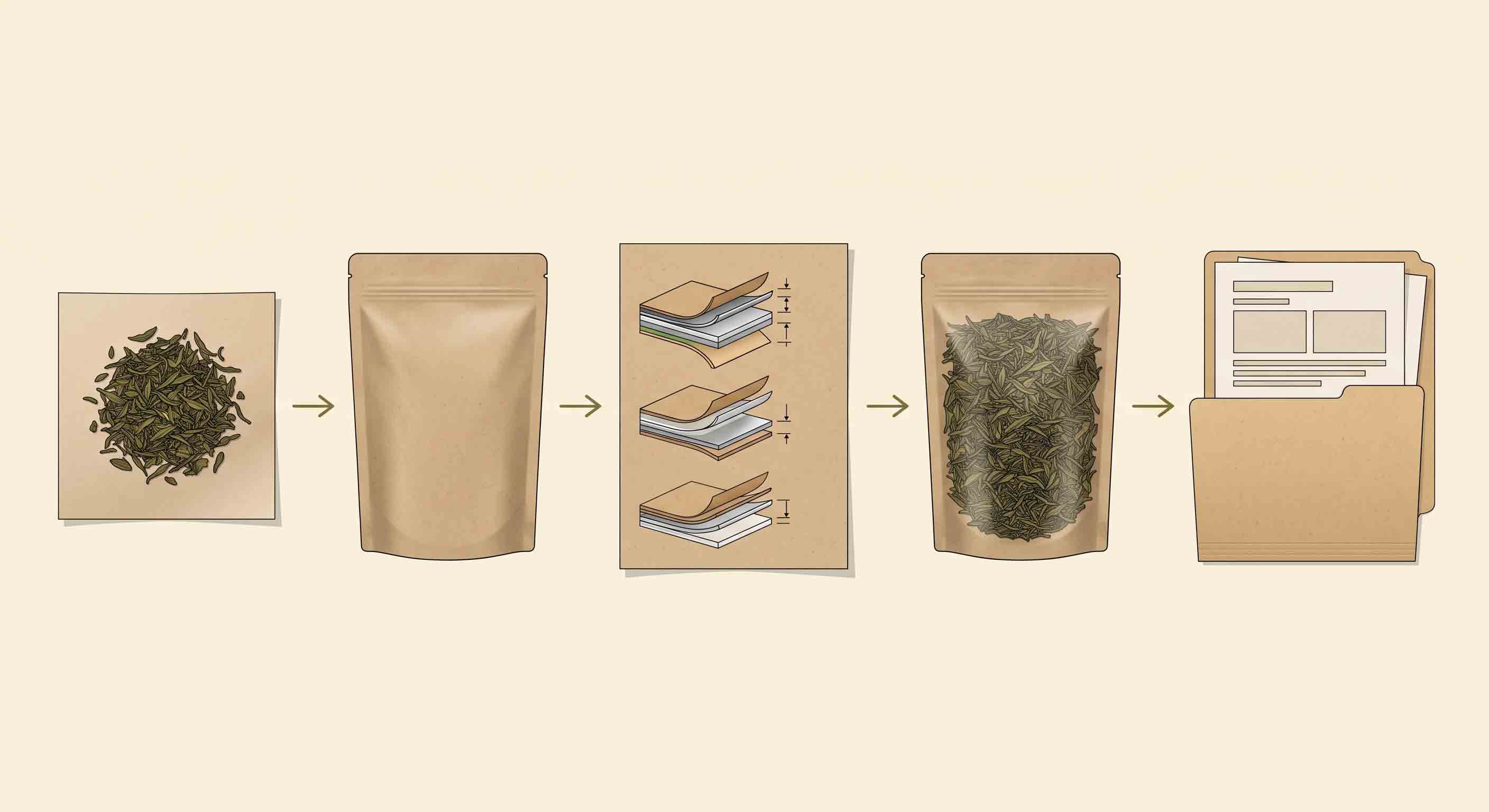
Vague material requests create vague answers. Instead of asking for “the most sustainable tea pouch” or “the safest film,” ask for the information that defines the exact project. This helps a supplier tell you what it can document, what needs a sample, and which claims cannot yet be supported.
This approach lets the supplier respond in technical terms and prevents a marketing label from becoming an accidental specification. It also gives the brand team a clear list of unresolved questions before copy or design is approved.
Recheck materials when the packaging architecture changes
Material review is not a one-time checkbox. A change in pouch size, window, closure, label, print process, supplier, pack format, product type, or market can alter the final component map. The project should identify which changes require a new document review, a filled sample, a claim revision, or all three.
For example, adding a carton around a flexible pouch may change the consumer-facing packaging system and create a new question about which component a disposal instruction describes. Moving a tea blend to another structure may change product-contact considerations. Changing the country of sale may change label language or environmental-claim review. The responsible team should document the change before reusing prior copy.
An up-to-date material record does not replace formal quality, legal, or regulatory processes. It gives those processes the correct object to review: the actual final package instead of a generic category label.
Frequently asked questions
What materials are used for tea packaging?
Tea retail packs can use cartons, flexible pouches, envelopes, labels, closures, and combined systems. The final material structure depends on the product, format, printing, intended use, and market. Ask for the exact component specification rather than relying on a general category name.
Is paper packaging best for loose leaf tea?
There is no universal “best” material. Paper-looking or paper-based formats still need review of the complete structure, product fit, functional needs, and target-market documentation. Validate a filled sample and the final specification.
Can I call a tea pouch food-grade?
Only if the responsible party has current documents that apply to the exact final material, product, intended use, and market. A generic material description or a claim from another product should not be transferred to your pouch.
Are flexible tea pouches recyclable?
Do not assume so. Recyclability depends on the exact finished structure and available collection and processing in the target market. Any claim should name the relevant component and state necessary qualifications.
What should I ask a tea packaging supplier about materials?
Ask for the complete material and component description, documents relevant to the proposed product and market, artwork/dieline requirements, samples with the actual tea, and clarity on what claims the supplier can substantiate for the final configuration.
Sources
- FDA food-contact overview: https://www.fda.gov/food/food-ingredients-packaging/food-packaging-other-substances-come-contact-food-information-consumers
- FTC Green Guides: https://www.ftc.gov/legal-library/browse/rules/green-guides
- Related Project, 125 g tea pouch: https://www.mylarbag.net/products/food-packaging/custom-matte-flat-bottom-tea-pouch-with-clear-window-matoppvmpetpe-for-125g-loose-leaf-green-tea-herbal-blends
- Related Project, 3 oz tea pouch: https://www.mylarbag.net/products/food-packaging/custom-3oz-stand-up-pouch-for-loose-leaf-tea-high-barrier-vmpet-packaging-bag-with-spot-uv-anti-static-design