
Buy empty candy bags from food-packaging distributors when a standard size suits your order, and from a custom packaging manufacturer when you need your own print, dimensions, or pouch features. Buy individual candy wrappers from a supplier that supports the required wrapping method. Before requesting prices, specify whether you need finished bags, cut sheets, or film on a roll.
That distinction saves a surprising amount of back-and-forth. A supplier can offer an attractive price for a clear bag while your packer needs roll film. A listing for personalized wrappers may describe a decorative sleeve that belongs around an already packaged product. Neither answer solves a request for direct-contact candy packaging.
This guide covers buying empty packaging for a candy business, with U.S. purchasing examples. The supplier pages illustrate different buying routes; availability, specifications, and delivery terms need confirmation for the actual order. The goal is a purchase that can be identified, compared, and repeated accurately.
Match the buying route to the packaging you need
For a small order of standard clear bags, start with a food-packaging distributor or a confectionery supply business. Search by the form and closure you need, then inspect the individual product description. A general category named “candy bags” may contain several materials and several ways of closing them.
For example, Nashville Wraps' candy packaging catalog lists bags alongside boxes, trays, and other presentation supplies. This is a useful route when you want to compare stock formats. The category itself does not establish which item is appropriate for direct contact with your particular candy.
For printed retail pouches, start with a manufacturer that can discuss the finished bag specification. Mylarbag's custom candy packaging bags page is the relevant starting point for a pouch inquiry. Send the candy type, planned portion, packing method, and artwork requirements so the discussion begins with the actual order.
Individual wrappers require a more specific search. Tell the supplier whether you will wrap by hand, twist the ends, fold the sheet, or run material through wrapping equipment. A business selling finished outer pouches may not supply that wrapper format. Ask about the exact item before spending time discussing colors or order quantity.
An online marketplace can help you find candidates, but retain the seller's exact item code and specification. Listings and sellers can change. For a repeat business order, you need a record that identifies what was purchased beyond the wording of a search result.
A candy bag, an individual wrapper, and rollstock are different orders
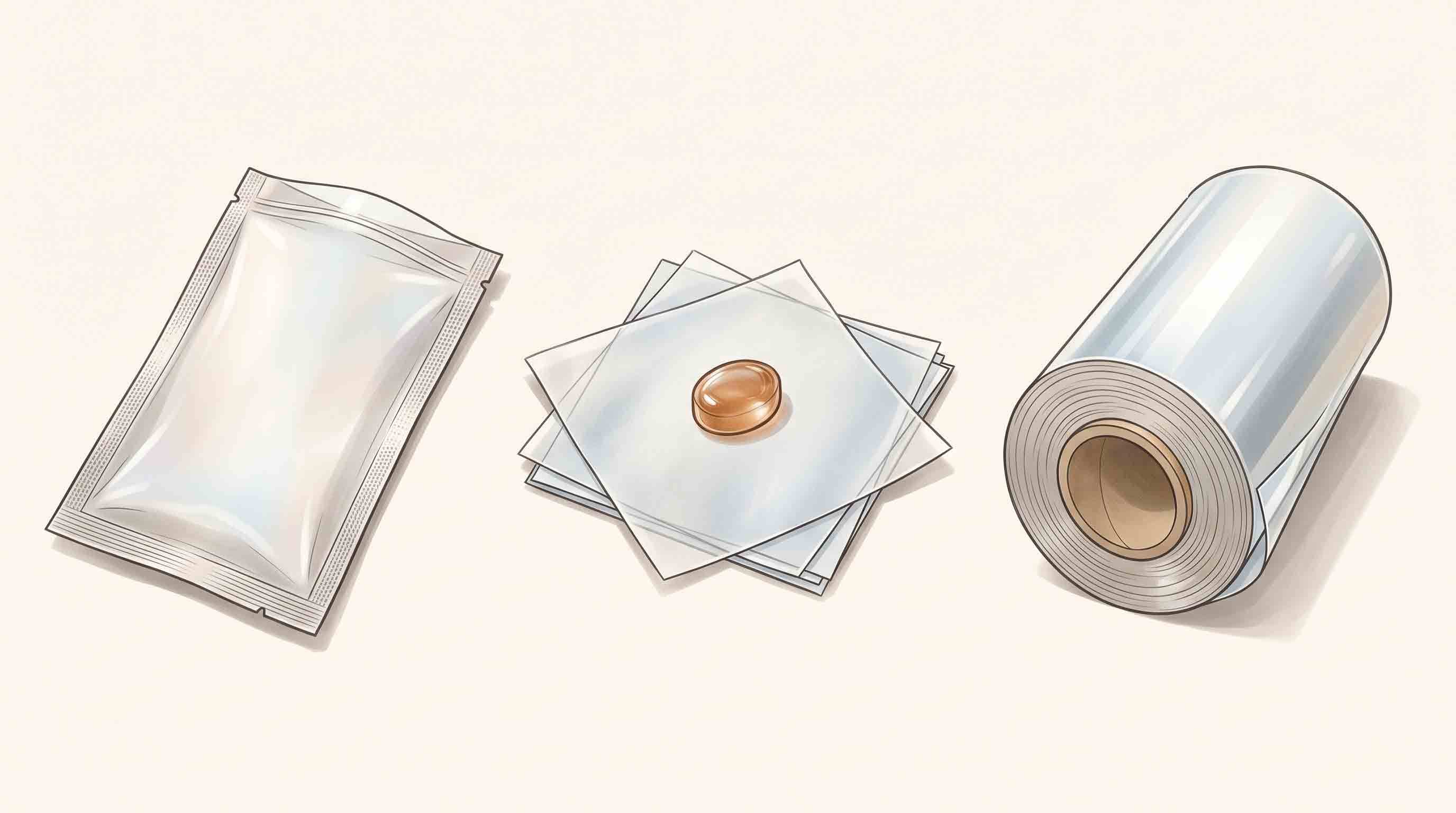
A finished candy bag arrives as a formed package with an opening for filling. It may be flat or gusseted, printed or plain, and supplied with or without a zipper. The supplier needs to know which edges are already sealed and which opening the packer will use. A photograph of the finished retail presentation may not show that opening clearly.
An individual wrapper is the material around one piece. When buying cut sheets, specify both sheet dimensions and how the material must behave during wrapping. For a twisted wrapper, the ends need to work with that method. For a folded wrapper, examine the folds and contact with the candy. Test the supplied grade; the word “wrapper” does not define those properties.
Rollstock is supplied as a continuous roll for compatible equipment. Purchasing it involves information that a buyer of premade bags may never need, such as the roll core, outside diameter, unwind direction, and print repeat. Get those requirements from the actual packer. Converting a finished-bag drawing into a roll-film order without that review can leave important questions unanswered.
A decorative paper sleeve is another category. It may provide branding around an existing package without serving as the material that directly contains the candy. Ask where it sits in the complete pack. A decorative item should not be substituted for a food-contact wrapper merely because its printed design looks suitable.
When a supplier's terminology is unclear, send three photographs: the candy, the package before filling, and the finished pack you want. Mark the opening or wrapping method in your accompanying description. State explicitly that the purchase is for empty packaging. This helps separate your inquiry from requests for filled party favors, finished sweets, or design files alone.
Who makes candy bags and wrappers?
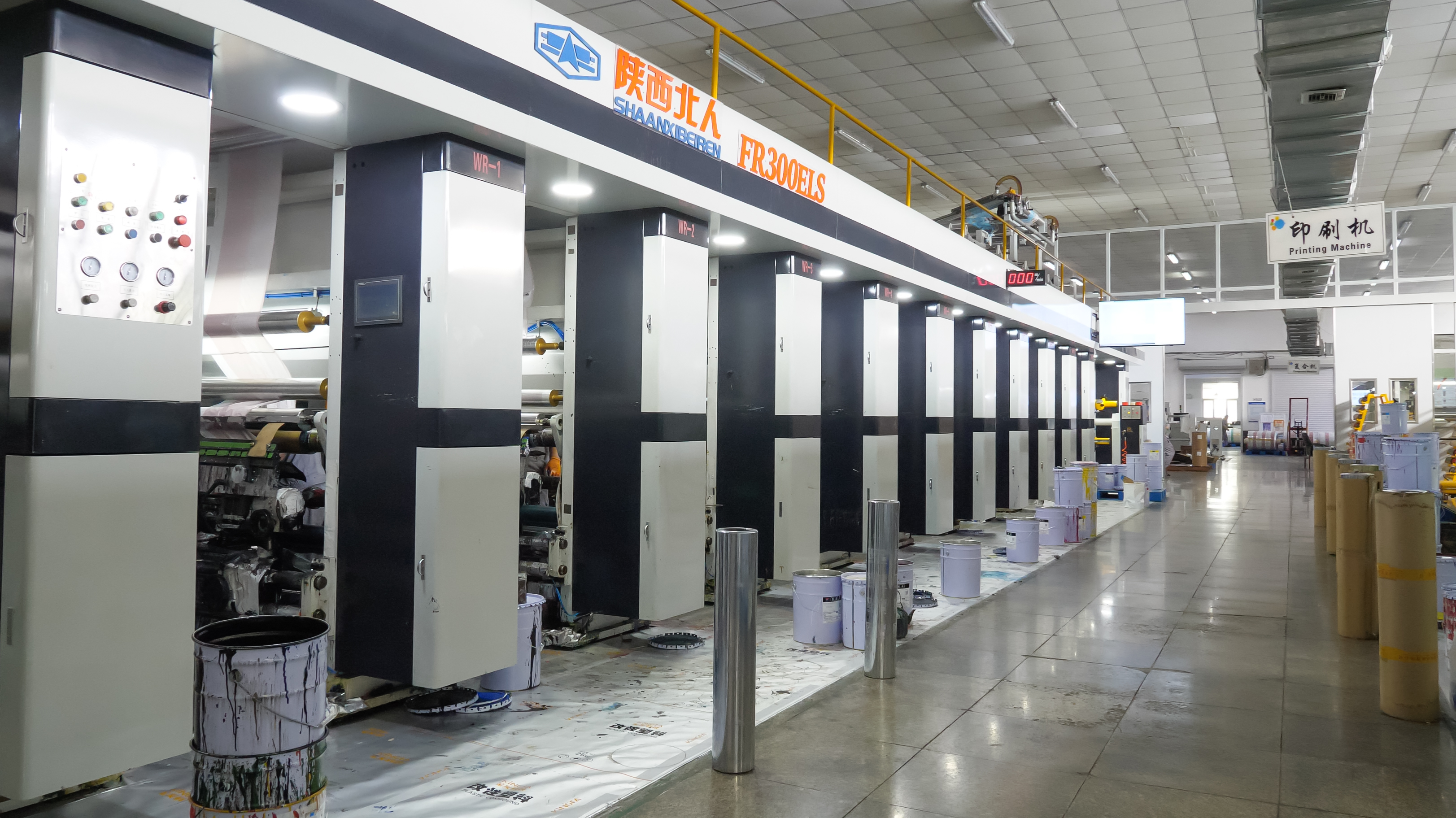
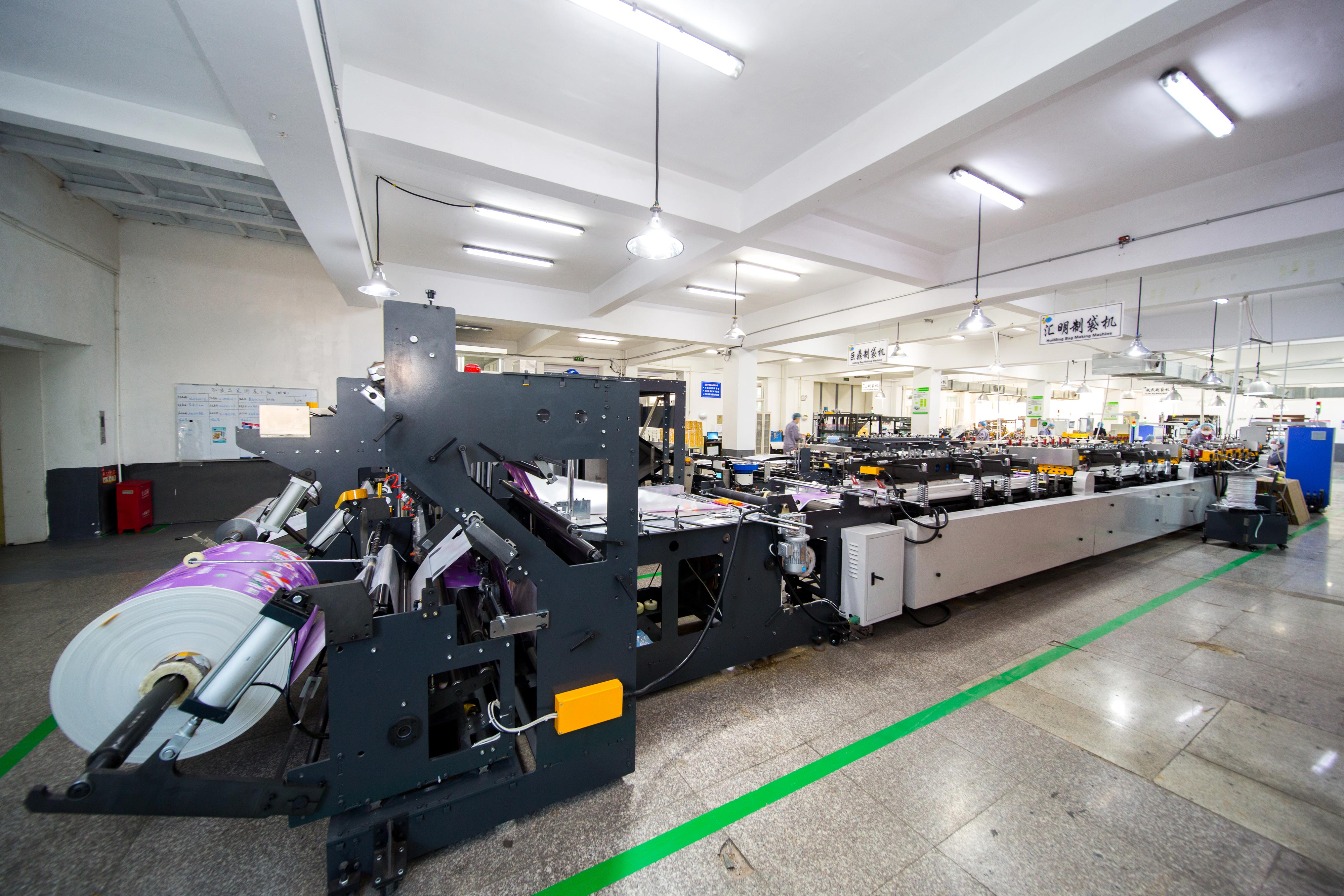
There can be several businesses between the original material and the package delivered to your packing room. A film producer supplies a material grade. A converter may print, coat, laminate, slit, cut, or form that material into the ordered packaging. A distributor can hold finished packaging for resale. Ask which work your proposed supplier performs and which specification it controls.
Futamura, for example, identifies itself as a producer of Cellophane cellulose films. That tells a buyer where a film can originate. It does not mean every finished bag using such a film is sold directly by the film producer, or that every bag described as cellophane uses that brand.
For a custom pouch order, identify who owns the finished specification and who handles changes. You should know where to send a question about the print proof, a dimensional difference, or a later material substitution. A clear contact and an identifiable production record are more useful than an unexplained claim that every operation happens under one roof.
For individual candy wrappers, ask who supplies the finished sheet or roll you will actually use. A sample made from an attractive film is not enough if the proposed supplier cannot supply the required cut size or winding arrangement. Confirm the product form and repeat-order capability together.
Ask manufacturers and distributors the same practical questions: Which item is being quoted? Which documents describe it? Which features can change between orders? How will a complaint be traced to the supplied batch? Their roles may differ, but the buyer still needs an accountable order record.
Where to buy small clear bags and bags sold as cellophane
For small clear candy bags, stock packaging catalogs are often the simplest place to begin comparing available sizes. Check the number of bags in the pack and the usable dimensions before ordering. A size description may include a flap or another area that does not contribute to the space available for the candy.
The material description matters just as much. Futamura describes Cellophane as a cellulose film made from wood pulp and offers grades with different functional properties. The retail term “cello,” however, does not always identify cellulose. Nashville Wraps describes one of its clear cello bag ranges as acrylic-coated polypropylene. Those are distinct material descriptions, despite similar shopping terms.
When you need actual cellulose film, write that requirement in the inquiry. Ask for the finished bag's material identification, including relevant coatings or other layers. If the aim is simply a clear bag that works for the product, describe the required use and let suppliers identify suitable candidates. Transparency alone will not distinguish the construction.
Also confirm how the selected item closes. A bag intended to be tied at the top, a bag with an adhesive flap, and a heat-sealable pouch create different packing operations. Ask whether closure accessories are included. Keep any supplier statement about sealability attached to the exact product code, rather than applying it to every clear bag in the catalog.
If your brief includes an environmental claim, ask for evidence covering the finished item and the intended claim. A material name or a brown-paper appearance does not establish how the completed package should be collected or processed after use. Resolve that question before printing a disposal instruction.
Purchase a sample quantity before committing to a larger order when the item is unfamiliar. Record the supplier code and keep the packaging label from that delivery. This gives a later quotation something concrete to match, even when several clear-bag listings look almost identical on screen.
Choose stock bags or custom printing around the order you can use
Stock bags make sense to investigate when an available size, material, and closure already meet the brief. They can also let a business keep the package common across several flavors while applying different labels. Include the label cost and application work in the comparison; the bag price alone does not describe that packing option.
Custom printing becomes worth discussing when the business needs an identified artwork version, a particular window arrangement, or another feature unavailable in the shortlisted stock item. Ask the supplier to separate the elements that require new production from the elements that can use an existing format. This often makes the quotation easier to understand.
Minimum order quantity needs a clear basis. Does it apply to the whole order, each size, each material, or each printed design? A hypothetical order of 3,000 bags divided between three designs could meet a 1,000-per-design minimum if each design receives 1,000 bags. It would not meet that same condition if the split were 2,000, 500, and 500. The total quantity is unchanged; the production requirement is different.
Give the supplier the expected quantity for each design. Ask whether the designs can share the same structure and how any shared production is priced. Avoid treating the number of flavors as a minor artwork detail after the quotation has been issued.
Mylarbag's digital printing information can support that discussion for printed pouches. Request terms for the specific quantity and design split, including proofing and any sample costs. A process description does not establish the total price or delivery date for an unreviewed order.
Consider how long you can use the artwork as well. A lower unit price on a large batch can be poor value if the recipe information, portion, or design is likely to change before the bags are consumed. Estimate demand by design, then compare order quantities against that demand. Keep seasonal artwork separate from a standard design you expect to reorder.
Put a common specification behind every quote request
Send the same brief to each shortlisted supplier. If one receives only a photograph and another receives a drawing, their quotations may describe different packages even when both call them candy bags. Date the brief and give it a revision identifier so later changes can be tracked.
Start with information you know: what the candy is, whether pieces are individually wrapped, the planned portion, the market, and the packing method. Describe the purchasing requirement before trying to specify unfamiliar film terminology. A supplier can propose a structure, but the proposal should remain identifiable in the quotation.
For U.S. food-contact use, ask for supporting information that applies to the proposed construction and conditions. FDA's guidance explains that the regulatory status of food-contact materials depends on their components and applicable authorizations. Request evidence relevant to the item being quoted; a broad statement about food packaging is not a product specification.
Leave genuinely open decisions marked as open. You might accept either of two finishes but require a particular opening position. Identify which requirements are fixed and which alternatives the supplier may propose. Have alternatives quoted separately so an attractive price does not conceal a change to the requested bag.
Ask the supplier to list exclusions and assumptions. This is especially useful when artwork is unfinished, a custom sample is needed, or the delivery address is incomplete. You can then resolve those items before comparing the final totals.
Compare bulk candy bag quotes using the same cost basis
For bulk candy bags, compare an agreed quantity and specification delivered to the same place. Check that both quotations use the same currency and identify the costs included. A price per thousand bags cannot be compared directly with a price per carton until the carton quantity is known.
Separate the bag cost from order-level charges. Depending on the proposal, there may be artwork work, printing setup, a custom sample, freight, or other charges. Ask which charges recur on a repeat order and which would change if the artwork, dimensions, or quantity changed.
The following example uses invented numbers solely to show the arithmetic. It is not a Mylarbag quotation, a supplier comparison, or a market-price estimate. Both offers are assumed to cover 5,000 equivalent bags, and only the listed charges are included. Taxes and any other unlisted costs remain outside the example.
Offer B has the lower bag price in this example, but its listed order total is higher. The calculation is straightforward: add the included charges, then divide by the agreed number of bags. Use the same cost categories on both sides. An unanswered freight or tax question should remain visibly unresolved rather than being entered as zero.
Apply this comparison only after checking the specifications. A cheaper offer for a different material, fewer printed designs, or a different closing feature is an alternative proposal. Decide whether the change is acceptable before treating the offers as equivalent.
Ask how the supplied quantity will be counted and whether the order allows a delivery tolerance. Clarify how any agreed difference between ordered and delivered quantity affects the invoice. For rollstock, establish the quoted unit and the conversion information your packer needs; kilograms, roll length, and finished pack counts are not interchangeable purchasing units.
Finally, assess what the business can use. A larger order may reduce the quoted unit price while tying up more money and storage space. Estimate how many bags of each design are likely to be consumed while that artwork remains current. Keep that estimate separate from the supplier's minimum, since the two numbers answer different questions.
Ask what each sample is intended to confirm
The word “sample” can describe several different deliverables. An existing printed pouch may help you discuss the appearance or an opening feature. It may use a different material, size, or print method from your proposed order. Ask the supplier to identify those differences in writing.
An unprinted sample made to the proposed dimensions can help assess the form and handling. Confirm whether its construction also matches the quotation. If it does not, keep the observations limited to the features it actually represents. Do not approve the complete material specification merely because a differently constructed sample feels suitable.
A digital artwork proof answers another set of questions. It can show the layout, design version, and placement of information on a drawing. It does not let you handle the finished bag. Ask whether a physical proof or printed sample is available when the order depends on a particular appearance, and what that sample will represent.
Before paying for a custom sample, establish its scope. Will it use the proposed material? Will it be printed by the intended process? Which features are included? What happens if the drawing changes afterward? Confirm any sample charge or credit arrangement in the quotation rather than assuming that “sample available” means free or refundable.
Keep sample approval specific. An email saying “the bag looks good” may leave material, dimensions, color, and closure status unclear. Identify the sample code, the drawing revision, and the points accepted. List the points that remain open and the next evidence needed to resolve them.
Keep the accepted sample and its documents together. When the order arrives, the receiving team should be able to find the same reference used by the buyer and supplier. This becomes particularly useful when an order passes from purchasing to a separate packing site or co-packer.
Confirm delivery, receiving checks, and the next order
State the required arrival date and delivery location in the brief. Ask the supplier to distinguish artwork approval, production completion, dispatch, and expected arrival. A production duration by itself does not describe when the packing team can use the bags.
For an international order, request a written breakdown of the quoted delivery scope and the costs or responsibilities left with the buyer. Keep the named destination with that description. Avoid filling gaps with an assumed shipping arrangement; two quotations that use different delivery scopes need clarification before their totals can be compared.
Ask how the bags will be packed and identified. The outer carton should let the receiving team distinguish designs and associate the shipment with the order. Where several flavors share a similar layout, ask how each version is separated so a packing operator can select the correct bags without examining every design individually.
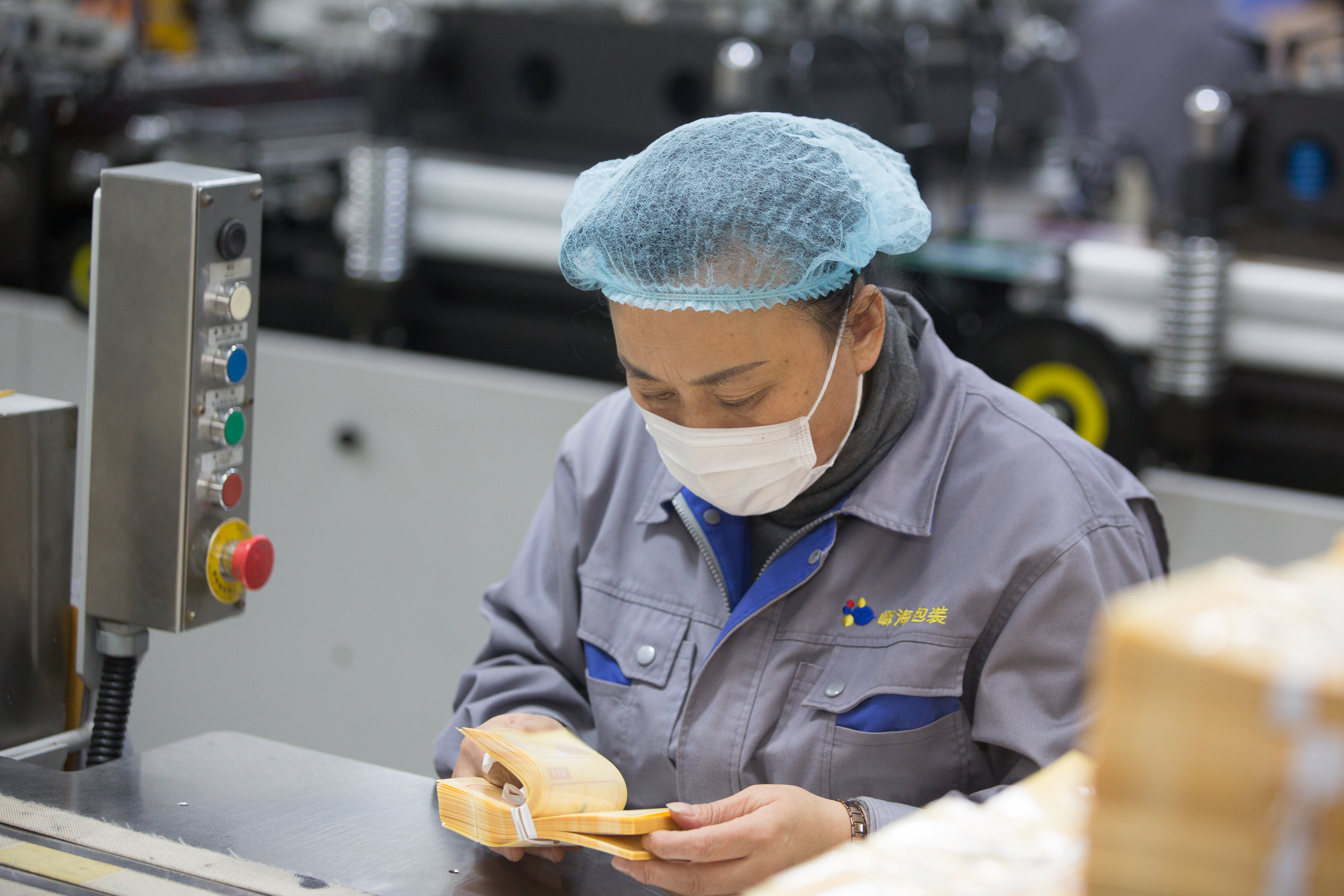
Agree on receiving checks and the route for reporting a discrepancy. Check the item identification, quantities, visible condition, and agreed features against the order record. Retain relevant carton labels and photographs when raising a problem. Follow the agreed acceptance procedure before releasing packaging to production.
Create a reorder record while the first order is still easy to trace. Include the supplier's item reference, approved drawing, material specification, artwork revision, and quantity split. “Same bags as last time” is an incomplete instruction when several versions have existed.
Ask the supplier to identify proposed changes before accepting a repeat order. A different film, closure component, production route, or print revision may need review. This is also the time to confirm current pricing and delivery conditions. The previous invoice records the previous purchase; it does not automatically establish the terms of the next one.
Related project: a kraft pouch for candied nuts
Mylarbag's published candied-nut pouch project records a brown kraft stand-up pouch with a window. Its project fields list Puerto Rico, a kraft paper/PET/CPP structure, digital printing, and dimensions written as 11.2*15+2.5 cm.
For a buyer, the useful detail is how many specifications sit behind a simple description such as “a small kraft candy bag.” The material construction, printed design, window, and dimensions each belong in the order record. A similar paper appearance does not establish that another supplier is offering the same package.
Use the project to explain a preferred style, then request the drawing and a proposal for your product. Confirm the dimension convention and required portion independently. The public configuration is a reference for a discussion, not evidence that the same bag will fit every candy or achieve a particular storage period.
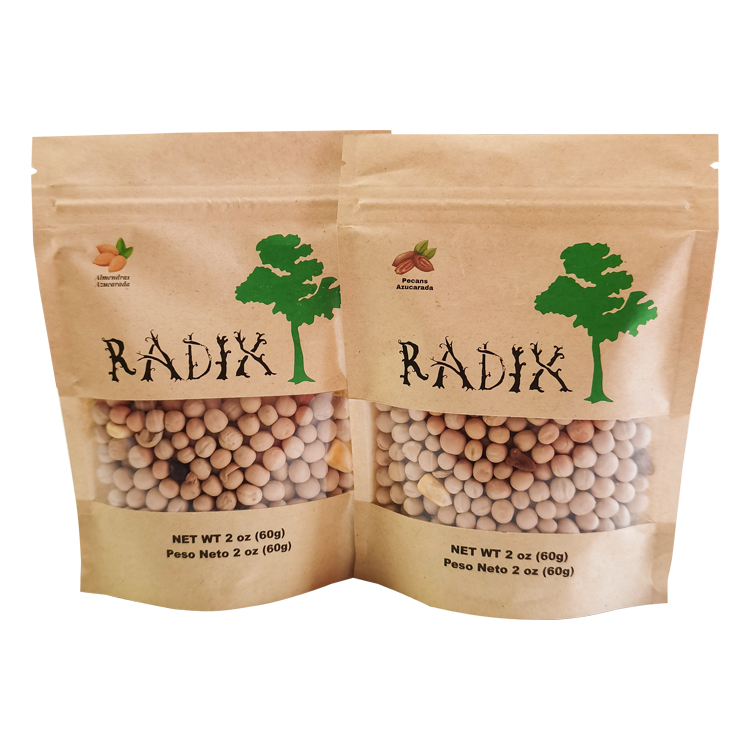
Recommended packaging configuration for a custom pouch inquiry
If the purchase is for a printed sharing pouch displayed upright, ask the manufacturer to quote a stand-up format with the agreed filling opening and closure. Include the number of artwork versions and the quantity for each. Let the supplier identify the proposed material against the product information and required supporting documentation.
Specify a window only when it has a clear role in presenting the candy. State which part of the design must remain transparent and ask for that treatment to appear on the drawing and proof. A general request for a “window bag” leaves too much room for different interpretations of the quoted design.
For a small single portion, ask whether a flat pouch is a practical alternative and have it identified as a separate proposal. For individual twist wrappers or true cellulose bags, first confirm that the supplier offers the required product form and material. Do not infer those capabilities from a page showing printed outer pouches.
Use Mylarbag's printed candy pouch options to describe the configuration you want to discuss. Keep the first inquiry focused on a small number of meaningful options. Once the sample and specification are established, request comparable quantities and delivery terms for the chosen option.
Frequently asked questions
Where can I buy empty candy bags in small quantities?
Start with a food-packaging distributor or confectionery supply catalog offering standard bags. Check the individual item, its material, closure, usable dimensions, and pack count. Obtain a sample quantity before relying on it for a repeat order. If you need a particular printed design or a feature unavailable in stock, ask a custom pouch manufacturer for terms based on your actual quantity and number of designs.
Where can I buy wrappers for individual candies?
Contact a specialist wrapper supplier or converter supplying the required cut sheets or rolls. Describe the candy and the wrapping method, and provide the equipment requirements when a machine will do the work. Confirm whether the item is intended for direct contact with the product. A personalized decorative sleeve, a formed outer pouch, and a twist-wrapper sheet are separate products even when a listing calls all of them candy packaging.
Are clear cello bags always made from cellulose?
No. Check the specific product description and supporting material information. Some bags marketed with the term cello are described by their sellers as polypropylene. If cellulose is a requirement, make it an explicit part of the inquiry and ask about the finished bag's complete construction. Do not use transparency, the product photograph, or an informal category name as the material specification.
Who makes custom candy bags, and who sells them?
Packaging manufacturers and converters make specified finished bags, while distributors may sell stocked bags sourced from producers. A company may perform more than one role. Ask who controls the specification, handles the print approval, and can identify the production batch. For your purchase, those responsibilities matter alongside the supplier's ability to supply the right format and support an accurate repeat order.
Is buying candy bags in bulk always cheaper?
A larger order can have a lower quoted unit price, but compare the full included cost and the quantity you expect to use. Include setup, applicable sample charges, freight, and other agreed costs on a consistent basis. Consider how the quantity is split across designs and whether the artwork may change. Unused printed bags can outweigh a small saving on each ordered bag.
Can I approve a printed order from an existing sample?
An existing sample can help you discuss specific features, but establish which parts match the proposed order. It may differ in structure, dimensions, printing, or closure. Identify the final drawing, artwork, and material separately, then record what further sample or proof is needed. Approval should name the version and accepted features so both sides understand what the production order is expected to reproduce.
Send the supplier a brief it can quote accurately
Gather the candy description, intended portion, packing method, destination, and expected quantity for each design. Add an existing package or reference photo if available, and explain which features matter. Mark dimensions or material choices that still need supplier input instead of guessing them.
Then send your candy packaging inquiry to Mylarbag and request an identified proposal with sample options, included charges, and approval steps. A clear first brief helps the supplier answer the purchasing question you actually need resolved: which empty package it can supply, what that order includes, and how you can confirm it before production.