
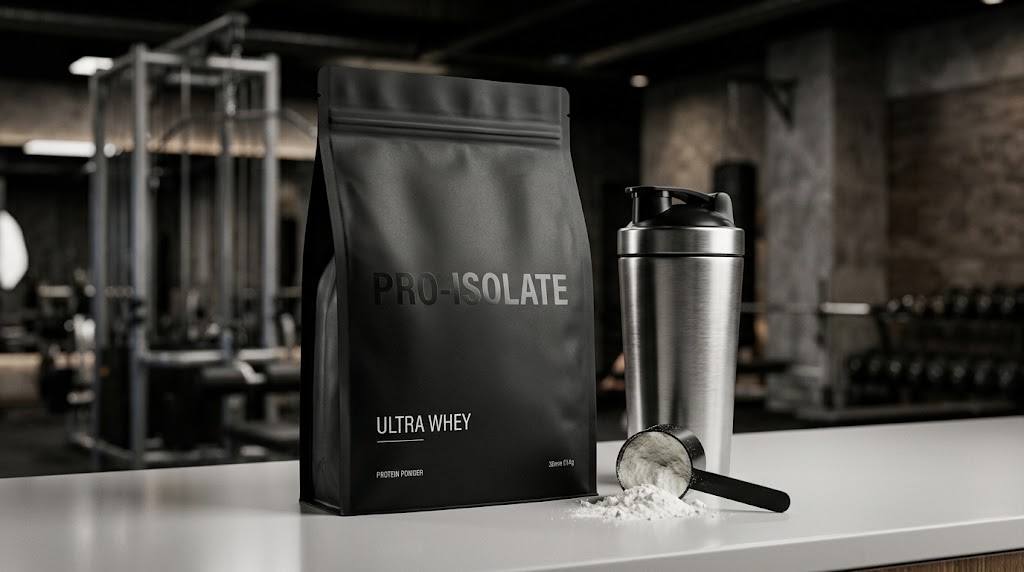
If you are a supplement brand owner or a contract manufacturer, you have likely seen the complaints. Consumers frequently type "how to open Combat protein powder bag" or "why won't my Equate protein bag close" into Google and Reddit.
Thousands of fitness enthusiasts struggle with the exact same issue every single month. They buy a premium whey isolate or a highly-rated vegan supplement, tear off the heat seal, and find that the bag simply refuses to open smoothly. Or worse, after scooping the powder out for the first time, the zipper will absolutely not seal back up.
For consumers, this is incredibly frustrating. It leads to messy kitchen counters, wasted powder, and a feeling of buyer's remorse. But for supplement brands, it is a fatal packaging flaw. A broken zipper destroys brand loyalty, ruins the perceived value of your product, and significantly lowers customer lifetime value (LTV).
Why does this happen, and how can brands fix it at the manufacturing level? In this ultimate 3000-word skyscraper guide, we will break down the precise engineering behind clogged zippers, explore the science of protein degradation, and reveal the ultimate packaging upgrades that keep your product fresh and your customers fiercely loyal.
1. The Anatomy of a Zipper Failure: Why Traditional Ziplocks Fail
To understand the solution, we must first dissect the problem. Most standard flexible packaging pouches use a traditional press-to-close (PTC) zipper. This features a simple male-and-female interlocking plastic track. It works perfectly for snacks, pill capsules, coffee beans, or beef jerky.
But whey protein, casein, and vegan proteins are entirely different animals. They are ultra-fine micro-powders.
The Physics of Micro-Particles
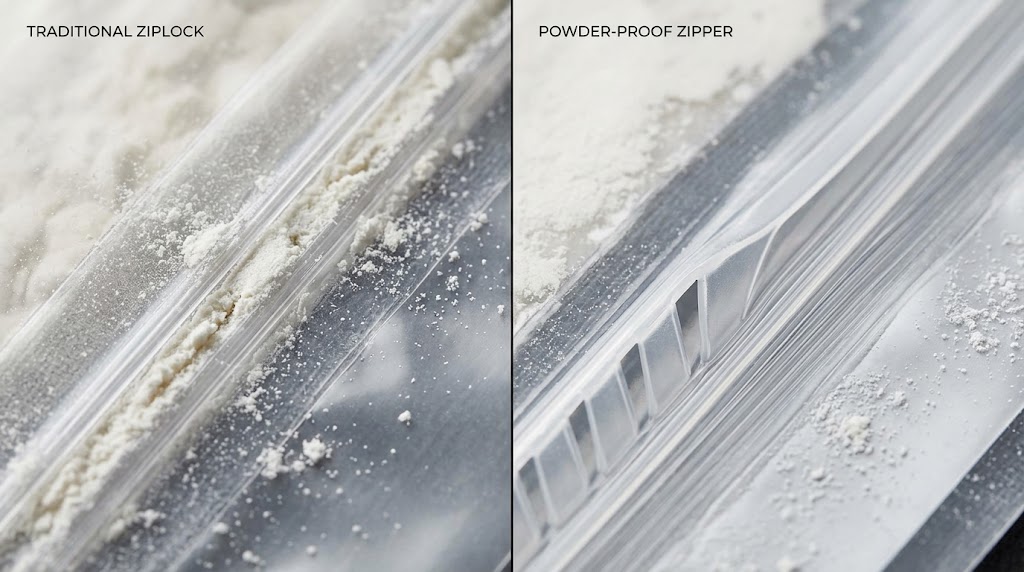
When a standard zipper bag is filled on the production line, transported across the country, and squeezed into shipping boxes, these microscopic powder particles get violently forced into the tiny grooves of the zipper track.
- The Friction Lock: The ultra-fine powder acts exactly like cement when trapped in a tight space. It jams the male and female tracks together. This makes the bag incredibly difficult to tear open the first time. Consumers often end up ripping the actual bag material because the zipper is fused shut by powder friction.
- The Sealing Failure: Once the bag is finally opened, the problem reverses. The powder coats the inside of the female track. When the consumer tries to pinch the bag shut, the powder physically blocks the male track from clicking in. The bag remains partially open, no matter how hard they press.
Whey vs. Vegan Protein Particle Dynamics
Not all proteins clog zippers equally.
- Whey Isolate: Highly refined and often slightly sticky due to residual moisture and flavoring agents. When trapped in a zipper, it clumps and hardens.
- Vegan/Plant Proteins (Pea, Hemp, Rice): These tend to be drier and even finer in particle size than whey. They act like dust, heavily coating the zipper tracks instantly upon filling.
2. The Hidden Cost of Bad Zippers for Supplement Brands
Many brands try to save a few cents per bag by opting for standard zippers. This is a catastrophic miscalculation. The true cost of a bad zipper is measured in lost customers.
The Brand Perception Drop
When a customer pays $50 to $80 for a premium 5lb bag of protein powder, they expect a premium experience. If the bag fails to close on day one, the perceived value of your supplement plummets. They subconsciously associate cheap packaging with cheap ingredients.
Spoilage and Refund Requests
If the bag cannot seal, the protein powder is exposed to the ambient environment. This leads to rapid degradation (which we will explore in the next section). If a customer's powder becomes clumpy, smells bad, or loses its flavor profile within two weeks, they will demand a refund or leave a scathing 1-star review on Amazon.
The Customer Lifetime Value (LTV) Impact
The sports nutrition industry relies heavily on repeat purchases. A loyal customer might buy a bag of protein every month, generating hundreds of dollars in annual revenue. If they switch to a competitor simply because the competitor's bag is easier to close, you have lost massive long-term revenue over a packaging decision that would have cost you fractions of a penny to fix.
3. The Science of Protein Powder Degradation
When a bad zipper fails to seal, it exposes the protein powder to two silent killers: Moisture and Oxygen. According to extensive research on food powder stability and storage, the shelf life of powdered supplements is entirely dependent on the barrier properties of the packaging.
Moisture Vapor Transmission Rate (MVTR)
MVTR measures how much water vapor can pass through a packaging material. Whey protein is highly hygroscopic, meaning it actively absorbs moisture from the air. When a zipper stays open, ambient humidity rushes in. The powder absorbs this moisture, causing the proteins to denature and the flavoring agents to crystallize. This results in hard, un-scoopable clumps.
Oxygen Transmission Rate (OTR)
OTR measures the amount of oxygen gas that passes through the packaging. Oxygen causes lipid oxidation. Even though protein powders are low in fat, the small amounts of residual lipids (especially in whey concentrate) will oxidize when exposed to air. This creates rancid, bitter off-flavors and destroys the nutritional integrity of the amino acids.
By using high-barrier Mylar bags (typically structured with PET/AL/PE or PET/VMPET/PE) combined with a premium, functioning zipper, you achieve near-zero MVTR and OTR. This locks in freshness for 18 to 24 months.
4. The B2B Solutions: The Powder-Proof Zipper
If you are a supplement brand, upgrading your protein powder packaging bags is the fastest and most impactful way to improve your user experience. Here are the elite zipper technologies designed specifically for fine powders.
The Powder-Proof Flange Zipper
This is a specialized, highly engineered track design. Instead of a single groove, a powder-proof zipper features a wider, multi-ridge track.
When you press it closed, the internal ridges actively push and channel the trapped powder out of the way. Think of it like a snowplow clearing a road. This ensures that the tracks can interlock securely, guaranteeing a tight, airtight seal every single time, regardless of how dusty the environment is.
Pros of Powder-Proof Zippers:
- Extremely effective at blocking powder interference.
- Provides a satisfying, tactile "click" when closed.
- Cost-effective upgrade from standard zippers.
5. Deep Dive Case Study 1: The Organic Mushroom Powder Pouch
To understand how these zippers work in the real world, let's look at a recent project we completed for a premium health wellness brand in the USA.
The Client: An organic superfood brand launching a new line of Lion's Mane and Reishi mushroom extracts. The Problem: Mushroom extract powder is notoriously fine, sticky, and static-prone. In their previous packaging runs, the powder clung to the zipper walls, rendering the bags un-sealable after just one use. Customers were complaining of clumpy product. The Solution: We manufactured a Custom Digital Printed 100% Recyclable Stand-Up Pouch for 100g Organic Mushroom Powders.
Technical Upgrades Applied:
- Anti-Static Inner Layer (PE): We treated the inner polyethylene layer to eliminate static electricity. This stopped the mushroom powder from magnetically clinging to the top of the bag.
- Powder-Proof Zipper Integration: We installed a heavy-duty flange zipper.
- Mono-Material Structure: We used a PE/PE structure, making the bag 100% recyclable, hitting their eco-friendly marketing goals.
The Result: The client's customer complaint rate regarding packaging dropped to absolute zero. Their Amazon reviews immediately improved, with multiple customers explicitly praising the "high-quality, easy-to-use pouch."
6. Deep Dive Case Study 2: The Collagen Powder Flat Bottom Project
Large format bags (1kg to 5lbs) face even greater zipper challenges due to the sheer weight and volume of the powder pressing against the seal during transport.
The Client: A major dietary supplement distributor in the Philippines. The Problem: Their 1kg collagen powder bags were bursting open during shipping because the standard zippers could not handle the internal pressure combined with the powder interference. Furthermore, consumers hated reaching their hands deep into a messy bag. The Solution: We engineered a Custom Matte Flat Bottom Pouch for Collagen Powder.
Technical Upgrades Applied:
- 8-Side Seal Flat Bottom Structure: Unlike a stand-up pouch, a flat bottom bag acts like a rigid box. It distributes the weight of the heavy collagen powder evenly across a wide base, removing stress from the top zipper.
- Wide-Mouth Powder-Proof Zipper: We integrated a premium flange zipper across the entire wide-mouth top. This allowed consumers to easily insert a large scoop without getting their knuckles covered in powder, while the inner ridges cleared the tracks for a flawless seal every time.
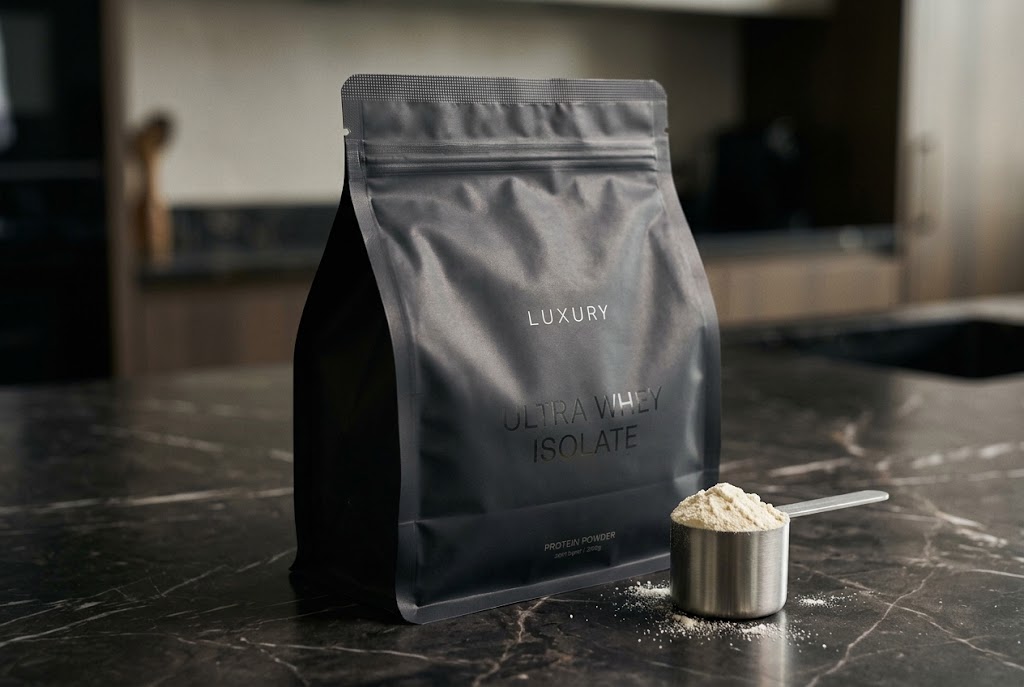
The Result: The brand positioned themselves as the absolute premium choice in their market. The tactile, satisfying "click" of the powder-proof zipper became a signature element of their customer unboxing experience, drastically reducing their packaging-related return rates.
7. How to Choose the Right Zipper for Your Specific Product
Not every brand needs the most expensive zipper. The right choice depends on your product's specific physical properties and your target profit margins. Here is a definitive B2B selection guide:
When to Upgrade to a Powder-Proof Zipper
- Best For: Plant-based proteins, flour, baking mixes, powdered greens, and pre-workout formulas.
- Why: It offers an excellent balance between cost and performance. If your product is highly dusty but you need to keep packaging costs strict, this is the most logical upgrade. It adds massive functional value without heavily impacting your bottom line.
When to Stick with a Standard Zipper
- Best For: Dietary capsules, gummy supplements, protein bars in secondary packaging, or large granular items like coffee beans and trail mix.
- Why: If there is no fine powder to clog the tracks, a standard zipper works perfectly fine. Don't over-engineer a solution if the problem does not exist.
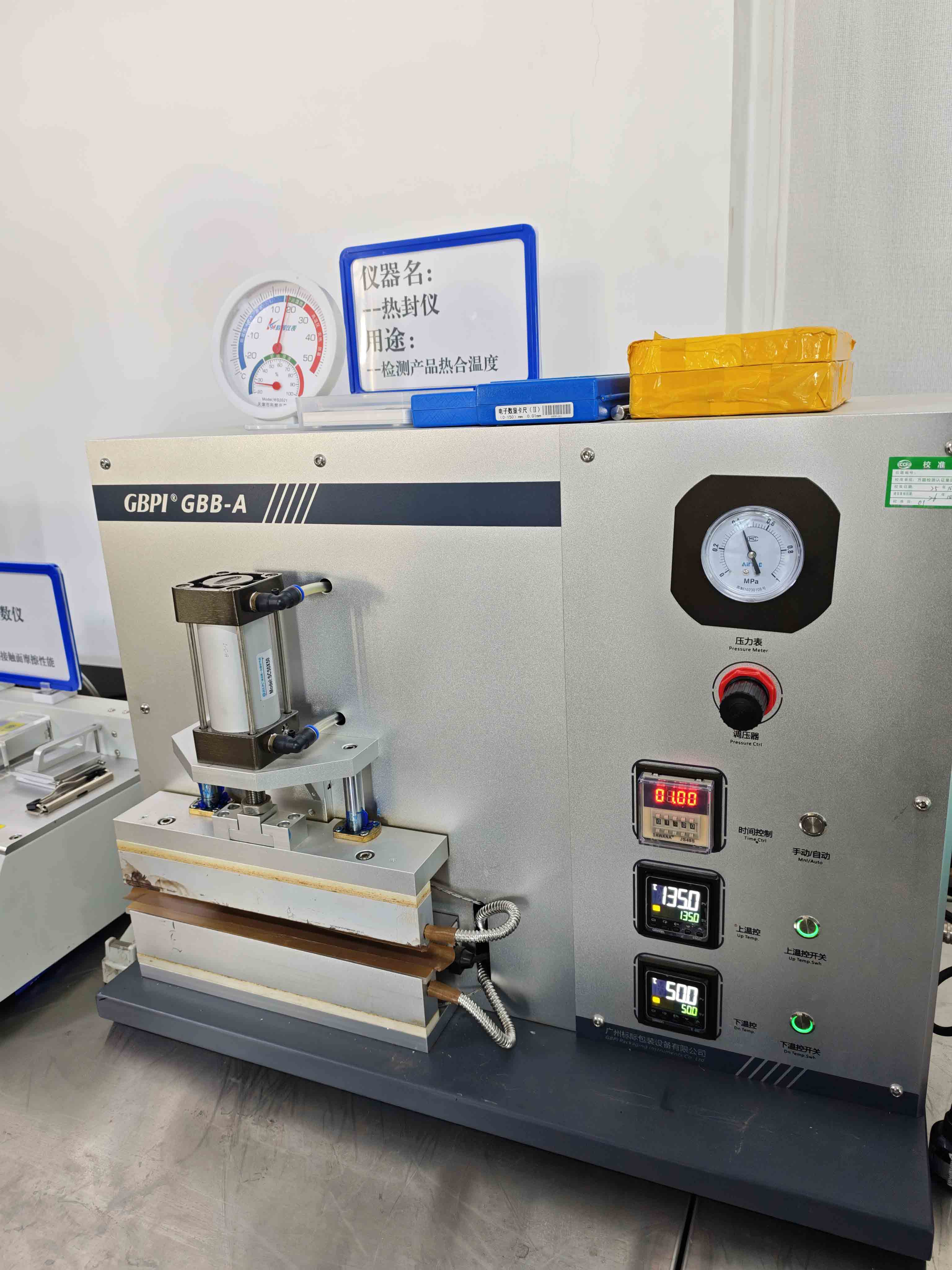
8. The Manufacturing Process Behind Premium Zippers
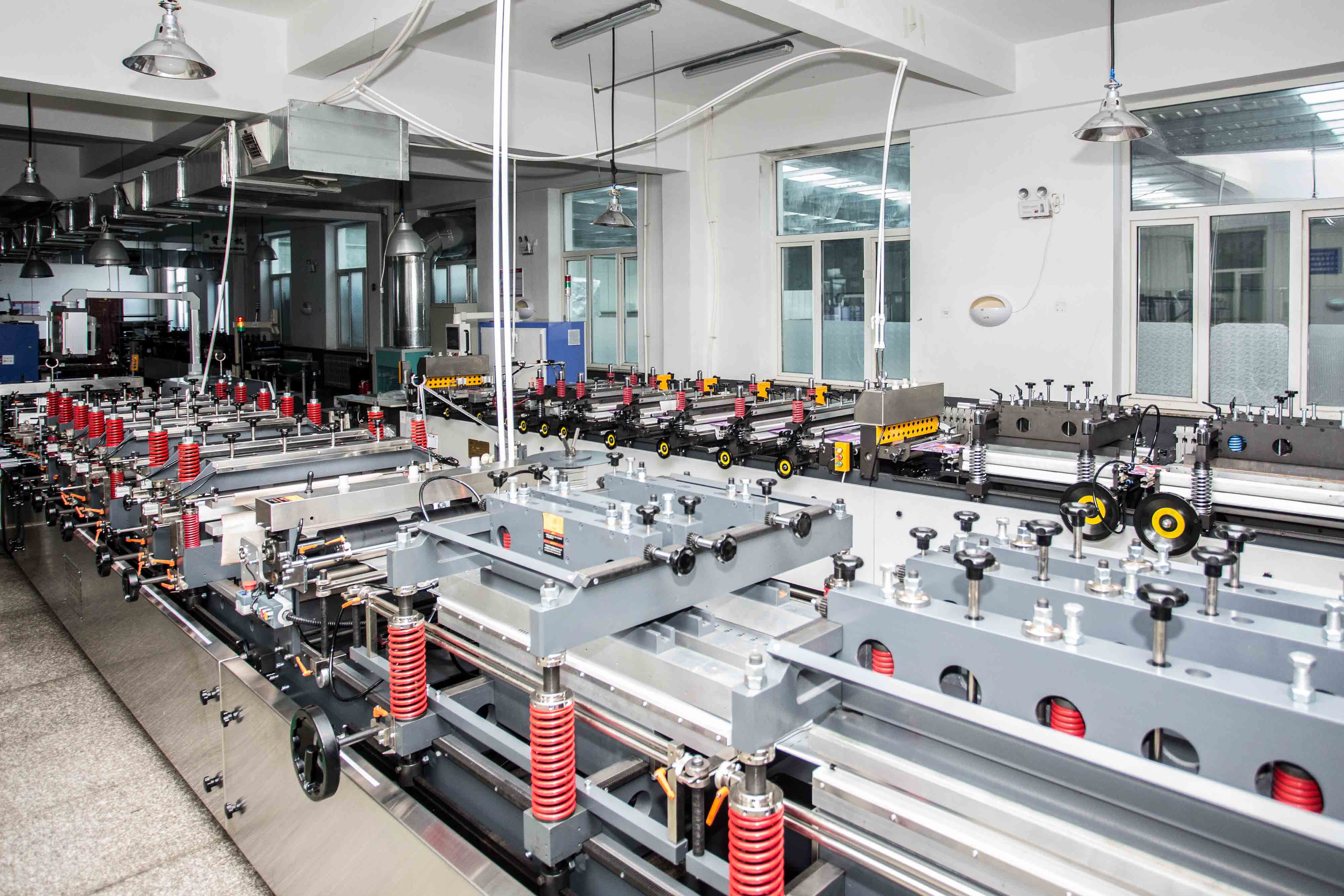
Understanding how these bags are made can help B2B buyers make better purchasing decisions. At Mylarbag.net, integrating a powder-proof zipper is a precision engineering task.
- Film Lamination: First, we laminate the raw materials (e.g., PET for strength, Aluminum or VMPET for barrier, and PE for food-safe sealing).
- Zipper Extrusion & Welding: The specialized powder-proof zippers are extruded from high-grade LDPE (Low-Density Polyethylene). During the pouch-making phase, these thick zippers are thermally welded to the inner PE layer of the film.
- Crush Sealing: The edges of the zipper must be ultrasonically crushed and sealed to prevent any air or moisture from leaking out the sides of the track. This is where cheap manufacturers fail—they leave tiny gaps at the edges of the zipper, completely destroying the bag's MVTR rating. We utilize strict quality control testing to ensure airtight zipper edge seals.
9. Conclusion: Upgrade Your Supplement Packaging Today
In the highly competitive sports nutrition industry, your packaging is your silent salesman. It is the only marketing asset that your customer interacts with every single day for a month.
Don't let a bad zipper ruin a great protein formulation. Consumers vote with their wallets, and they will absolutely switch to a competitor if your bag refuses to close, leaving their expensive powder exposed to the elements.
By upgrading to a powder-proof flange zipper, you eliminate the most common consumer complaint in the industry. You protect your product's shelf life, elevate your brand's perceived value, and secure long-term repeat customers.
Ready to make the upgrade? Explore our highly engineered solutions for protein powder packaging bags and let our experts help you design a bag that your customers will love opening just as much as they love drinking.
10. Comprehensive FAQ
Why does my protein powder zipper not work after the first use? Fine protein particles get trapped inside the micro-grooves of traditional zippers during shipping or scooping. This physically blocks the male and female interlocking tracks from snapping together, leaving your powder exposed to air and ambient moisture.
How do you seal a bag of protein powder if the zipper is broken? If your zipper is clogged, try using a dry toothbrush to scrub the powder out of the tracks. If the zipper is physically torn or irreparably jammed, transfer the powder into an airtight glass jar or BPA-free plastic container immediately to prevent moisture degradation and clumping.
Can you store protein powder in Mylar bags long-term? Yes, Mylar bags are the optimal storage vessel for protein powders. Because Mylar (specifically structures containing AL or VMPET) provides an extreme barrier against oxygen (OTR) and moisture (MVTR), it prevents the protein from oxidizing and clumping, maintaining freshness for up to 2 years when paired with a quality zipper.
Is it more expensive to manufacture bags with powder-proof zippers? There is a slight increase in the unit cost of the packaging (usually fractions of a cent per bag) because powder-proof flange zippers require more complex extrusion and welding during manufacturing. However, the return on investment (ROI) is massive due to decreased refund requests and significantly higher customer retention rates.
What is the best bag shape for heavy protein powder? For heavy volumes (1kg to 5lbs), the Flat Bottom (Box Pouch) or Side Gusset bag is highly recommended. These structures distribute the heavy weight evenly across a flat base, preventing the bag from tipping over and spilling, while also taking stress off the top zipper area during transport.
Can powder-proof zipper bags be made eco-friendly? Yes. Advances in polymer science allow us to manufacture powder-proof zippers using Mono-PE (Polyethylene) material. When paired with a Mono-PE pouch structure, the entire bag, including the zipper, becomes 100% recyclable, allowing supplement brands to meet strict sustainability goals without sacrificing functionality.