
A customer reports a puffy cheese bag. The first reaction is often to blame fermentation, the film, or a missed seal. None of those is a diagnosis from appearance alone. Some packs are designed with headspace from the beginning. Other packs change after filling. Different cheeses can produce or absorb gases during storage, while temperature, handling, and a defective seal can change how a flexible package looks. An unexpectedly swollen pack is a quality and food-safety concern that the manufacturer should treat seriously.
The short answer: compare the suspect bag with the approved package at the same point in its life. If the bag has changed unexpectedly, hold the affected stock and investigate its cheese lot, filling and gas records, seal and film integrity, and cold-chain history. Do not taste or sell suspect product to find out what happened. The food business should decide disposition using its food-safety and quality procedures, not a general rule based on how tight the bag feels.
This article serves cheese brands, co-packers, packaging engineers, and retail quality teams. It also gives consumers a clear safety response. It does not diagnose a particular photograph or provide a universal gas mix, storage life, or medical judgment. A packaging supplier can help specify and test a bag; the cheese producer controls the food and the release decision.
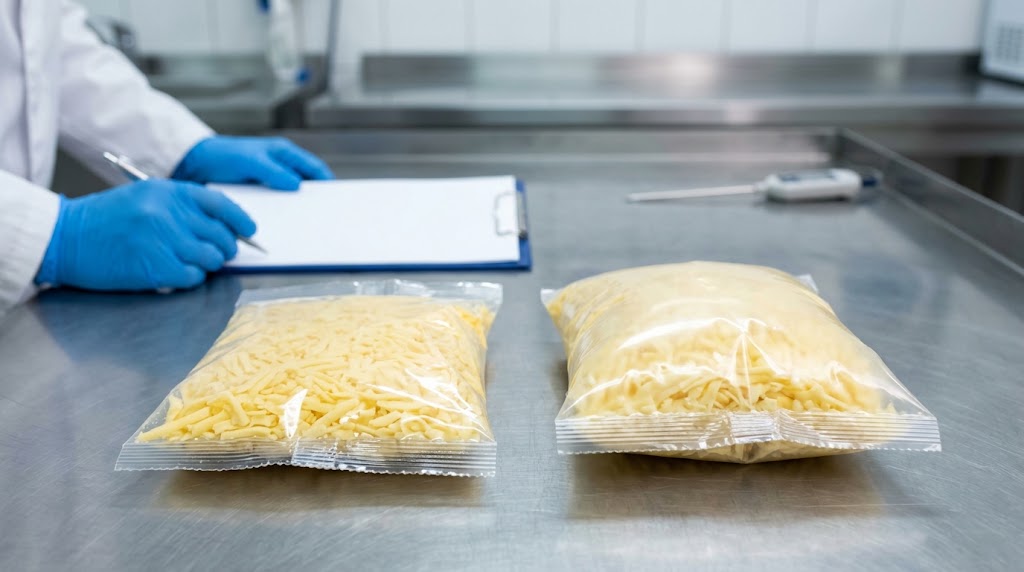
Illustrative cover concept. The visual contrast is an inspection scenario, not a food-safety determination.
First Ask: Was This the Approved Shape at Packing?
The word "inflated" needs a reference point. A gas-flushed retail pouch may leave the plant with planned headspace. A close-fitting vacuum pack has a different baseline. A carbon-dioxide-flushed cheese pack may change shape as gas dissolves into the product; a commercial study of Cheddar blocks discusses this "snug-back" behavior under its specific conditions. Comparing an unknown bag to a different brand or a different packaging method can lead to a false conclusion. See the commercial cheese-packaging study.
Build a visual and measured baseline for every approved cheese SKU. Retain filled samples from the beginning, middle, and end of a normal production run. Record fill weight, dimensions, headspace or vacuum appearance, initial gas readings if MAP is used, sealing settings, film lot, cheese lot, and the pack date. Photograph the front, back, top seal, gussets, and cartons in a repeatable orientation. Note expected changes during the intended storage period; a day-zero reference alone may be insufficient.
This table is an investigation starter. A bag with normal-looking headspace can still contain unsafe food. A swollen package can arise from more than one route. No visual category proves food safety or identifies an organism.
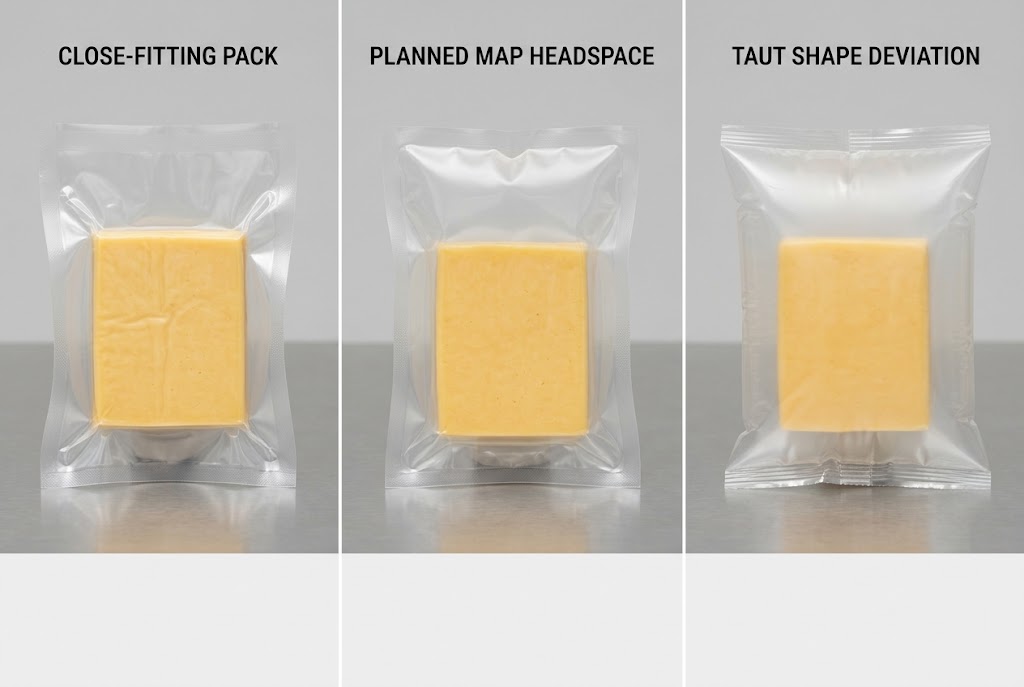
Illustrative package appearances. Shape alone does not establish food safety.
What Can Change the Size or Shape of a Cheese Package?
The investigation should keep several competing hypotheses open. Start with the actual product and pack design. A soft fresh cheese in a tub, shredded cheese in a zipper pouch, and a ripened block in a close-fitting film will not behave in the same way. A flexible bag responds to internal gas, external pressure, its own geometry, the product's position, and the integrity of every seam.
Intended gas and product absorption
In modified atmosphere packaging (MAP), the producer replaces some of the original air with a specified atmosphere and seals the pack. Carbon dioxide and nitrogen are used in some cheese applications. The resulting headspace is intentional, but the amount and composition can change because gas interacts with the cheese and moves through the material. A study of rennet cheese under different materials and gas conditions examined such headspace changes; its particular products and films should not be turned into a universal cheese-bag setting.
High carbon-dioxide conditions can cause a pack to draw down as gas is absorbed into the cheese. It would be a mistake to call every loss of volume a leak. It would be equally wrong to call every expansion "just MAP." Compare with the approved atmosphere and time course for that SKU, and measure rather than guess.
Gas formed by the cheese or its microorganisms
Some cheese defects involve gas production. The causes can depend on cultures, raw materials, process, product composition, ripening and storage conditions. A Cheddar study on late-stage gas defects discusses gas-forming bacteria and blown retail packaging in its specific context. This provides a reason to investigate product causes, not permission to diagnose an inflated mozzarella bag as a named microbe.
The cheese producer's laboratory and food-safety team should decide which product and microbiological tests are appropriate. The pouch maker cannot see an organism through the film or cure a product-process failure by adding another barrier layer. Conversely, the existence of an active culture does not make an unplanned swollen pack acceptable without validation.
Filling, seal and film issues
An off-target gas dose, trapped air, inconsistent fill weight, product in the top seal, a channel through a fold, a pinhole, or a different film lot can alter the atmosphere and appearance. A leak may allow gas exchange without producing the same visible effect in every format. A package can look puffy because the gas applied at filling did not settle as expected, while another may look puffy because of a later product or handling change. Test the actual seam and film before attributing the result to "bad barrier."
Temperature, movement and external pressure
Temperature shifts affect gases, product behavior, and flexible-package shape. Transport and carton handling can stress corners and seals; a change in external pressure can alter a flexible pack's appearance until conditions stabilize. These are hypotheses to compare with route records and retained controls, not excuses to release a suspect lot. The commercial Cheddar MAP study observed more oxygen-related package failures in a group subjected to simulated distribution movement than in a minimally moved group under its study design. It did not establish that every puffy cheese bag comes from transport.
Use a timeline. Did the change first appear at the sealer, after cooling, on a pallet, at a distribution center, or on the retail shelf? The time and location narrow the investigation more effectively than a debate about the bag's appearance.
Triage the Complaint and Protect the Lot
If a retailer or consumer reports unexpected swelling, create a record before samples are discarded. Ask for the SKU, lot and date code, purchase or receipt location, storage history if known, and clear photographs showing the whole pack and seals. Do not ask consumers to open or taste the product for a packaging investigation. Retrieve intact examples through the company's complaint and recall procedures where appropriate.
The manufacturer should decide whether to hold on-site stock, stop a line, isolate shipments, and notify the appropriate food-safety or regulatory contacts under its own plan. This decision depends on the product, evidence, distribution, and applicable requirements. A packaging supplier can assist with film-lot traceability, construction documents, seal samples, and package inspection, but it should not make the food release decision.
Create three sample groups when available: suspect returns, retained packs from the same production lot, and a comparable approved control lot. Keep the chain of custody, temperature history, and package condition attached to each sample. Document whether a pack was already opened or punctured before testing; a gas measurement after a leak test or deliberate puncture cannot be treated as an intact-pack result.
Do not run a trial that puts suspicious product back into saleable inventory. Protecting the lot comes first; process improvement follows the investigation.
Measure Headspace and Package Integrity Separately
A single number cannot settle every question. Headspace analysis tells the team about gases at the time and position sampled. Film OTR describes oxygen transmission through a specified film under test conditions. Seal strength describes a mechanical property of a seal specimen. A leak test looks for a path through the finished package. The cheese itself may need a separate microbiological or quality assessment. Put the results on a shared timeline.
The 2016 commercial Cheddar packaging study placed optical oxygen sensors in 384 flow-wrapped block-cheese packs and followed them through storage and a simulated distribution route. It illustrates the value of measuring intact packs over time. Its 100% carbon-dioxide process, cheese blocks, film, and measured outcomes belong to that experiment; this guide does not prescribe them for shreds, fresh cheese, or another manufacturer's line.
Use the right test for the question
ASTM F88/F88M covers seal strength for flexible barrier materials. ASTM F3039 addresses dye-penetration detection of leaks in nonporous packaging. A selected bubble method such as ASTM F2096 detects gross leaks by internal pressurization and is destructive. Choose methods, sampling, and acceptance criteria with qualified teams for the commercial pack; do not treat a negative result from one method as proof that all packs are sound.
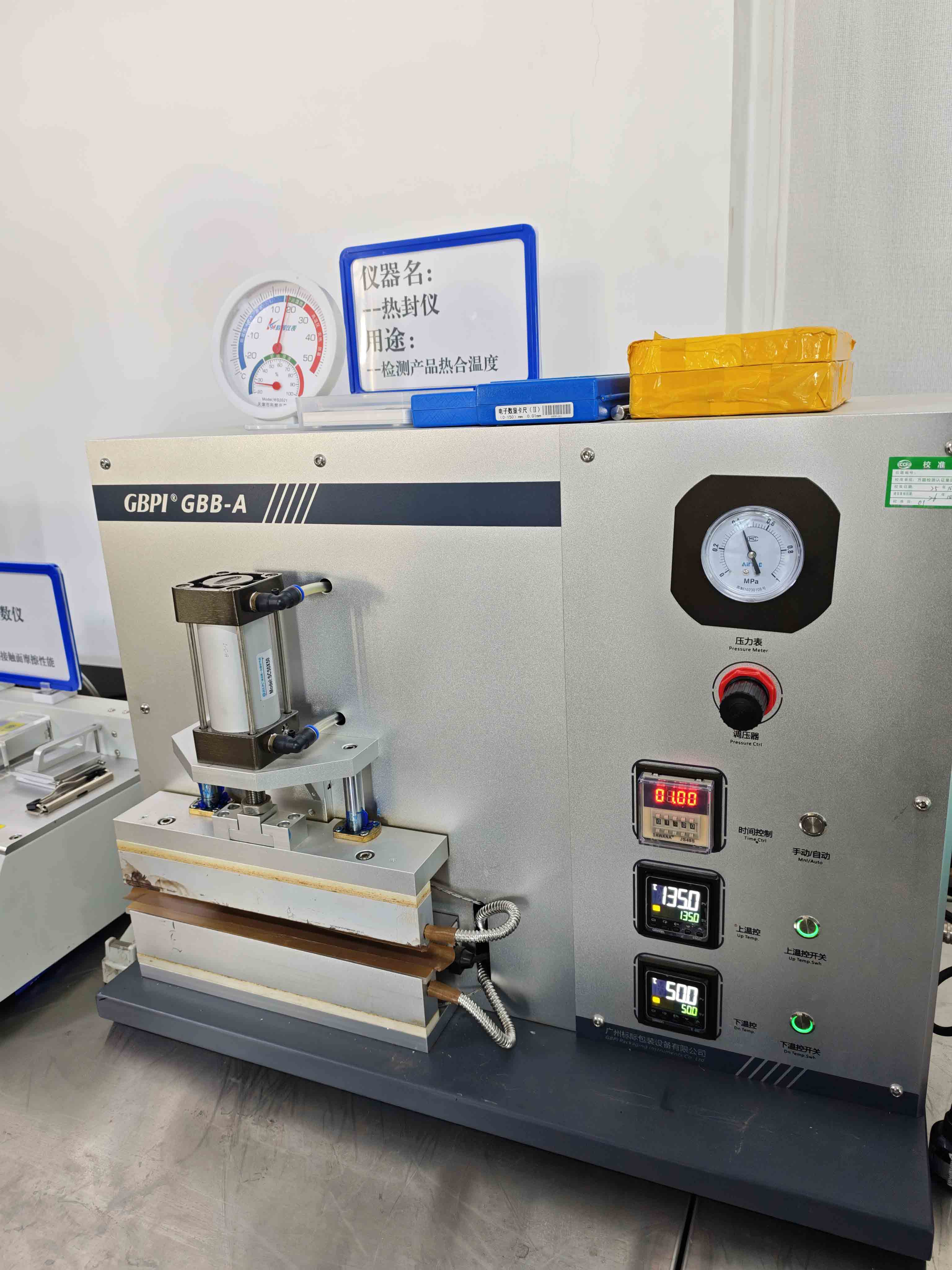
Real factory image: equipment for seal testing. It does not show a result for the cheese packs being investigated.
Inspect the Seal and Film Without Guessing the Failure Direction
Examine the top seal, perimeter seams, gusset folds, zipper transition if present, and high-stress corners. Record product or liquid in the sealing band, wrinkles, narrow areas, abrasion, pinholes, and any pressure from hard cheese edges. Compare suspect units with unaffected units from the same film and cheese lots. A torn bag is a different failure from a pack whose gas profile changed while all observed seams appear intact.
Request the full film construction and test conditions for the actual production material. Barrier changes require material traceability; a nominal polymer name does not establish OTR or cold-chain durability. The Mylarbag plastic-film options are a starting point for a new specification, while the investigation should use the film records for the affected lot. A higher-barrier film cannot repair an open seal or correct gas formed in the cheese.
If the line used a zipper pouch, keep the unopened factory heat seal distinct from the consumer reclosure. A zipper below an intact top seal is not the primary unopened closure. An opened customer return may have been reclosed and is unsuitable for some unopened-pack gas comparisons. Its complaint still matters, but it should be classified correctly.
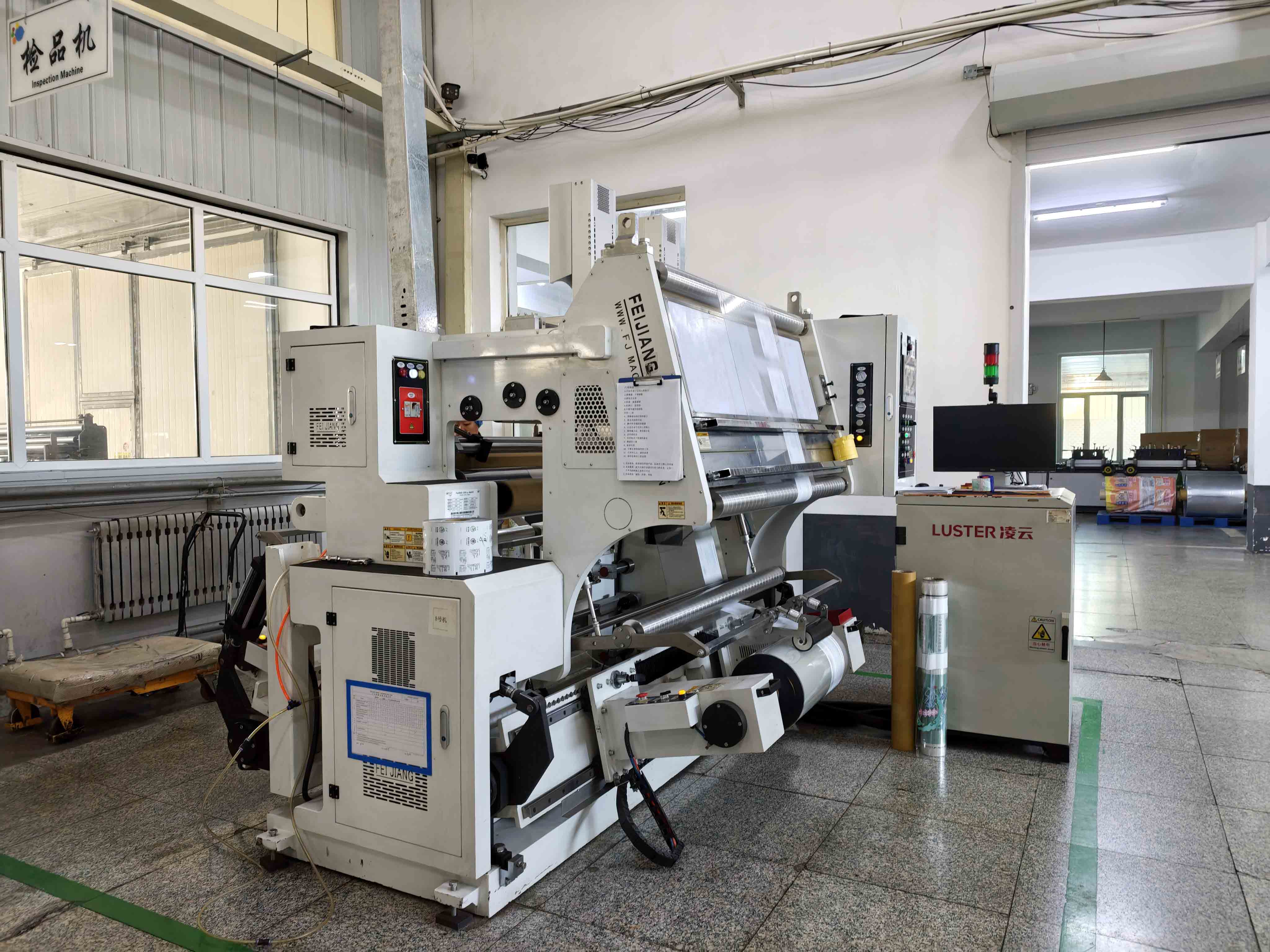
Real factory image: film inspection capability. Review the construction and lot records for the actual implicated pack.
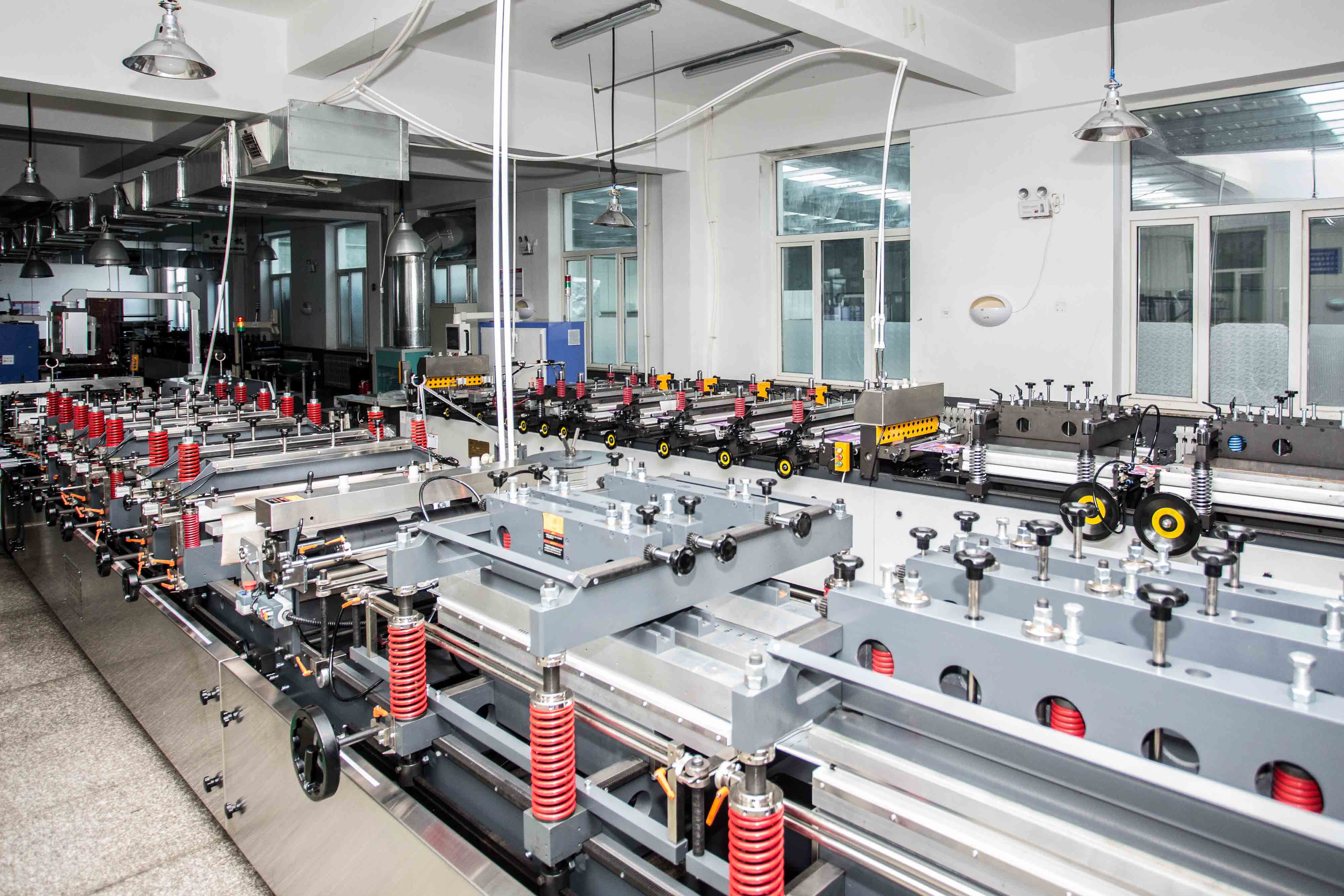
Real factory image: pouch converting. It is not a photograph of cheese filling or a swollen-pack investigation.
Follow Product and Cold-Chain Evidence in Parallel
Do not reduce every swollen-bag complaint to a pouch purchase. The cheese lot may have changed before or after filling. Investigate raw materials, cultures, processing, cooling, hygiene, storage and transport through the manufacturer's qualified food-safety team. A package designed to limit oxygen cannot remove contamination already present in a product or make an unsuitable storage condition acceptable.
For a fresh soft cheese, safety concerns may differ from those of a ripened hard cheese. The FDA's queso fresco-type cheese guidance is specifically about that fresh cheese category. Do not use it to infer an identical hazard profile for every cheese, but do take its warning about swollen or bloated packages seriously when communicating with consumers. The FDA's food-tampering guidance also tells consumers not to eat food from packages that are damaged or look unusual.
Plot cold-chain records against the first observed complaint and against retained-pack results. Check the actual storage temperatures, not just the equipment setpoint; note door openings, loading, delays, transport, and display conditions. If multiple lots shared a route but only one is affected, compare product and line variables. If multiple cheeses in the same truck changed, investigate the common exposure. These patterns prioritize tests; they do not, by themselves, decide safety.
When a consumer asks, "What if I already ate it?"
Do not predict illness from a photograph or a popping sound. Advise the person to stop eating the suspect product, keep the packaging and lot information, and contact the manufacturer or retailer through the stated complaint channel. If they feel ill, are in a higher-risk group, or are concerned about exposure, they should contact a healthcare professional. The FDA advises people who suspect a foodborne illness to contact a healthcare provider. The producer should handle any complaint under its food-safety and reporting procedures. This article does not provide individual medical advice.
Build a Root-Cause Table, Then Make One Controlled Change
Once the affected lot is secured, compare hypotheses using evidence that could disprove each one. A useful table names the observation, the next test, and the team that owns the remedy. It keeps the packaging supplier involved without turning every cause into a film sale.
Do not change the gas mix, bag structure, fill weight, and sealer settings in one uncontrolled attempt. If the next run improves, you will not know which change mattered. Use a documented trial design and the actual cheese. Verify both package behavior and product quality through the intended distribution route before releasing a new specification.
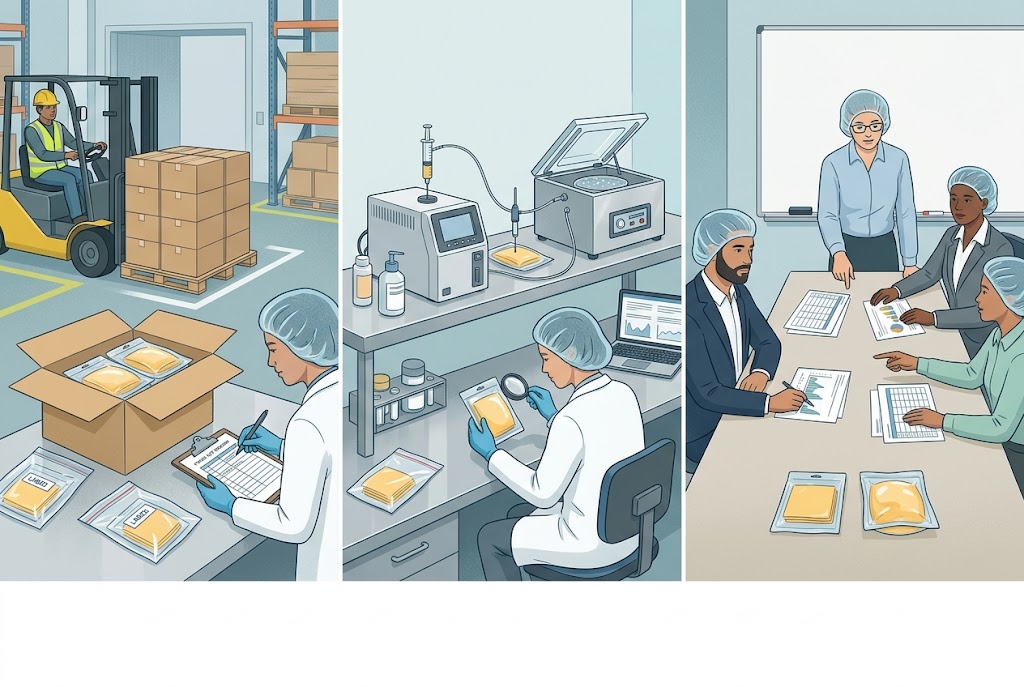
Illustrative investigation sequence showing lot hold, package checks, and controlled revalidation. Decisions and acceptance criteria must follow the approved quality plan.
What a Packaging Supplier Can Contribute
A competent converter can provide the production specification, film-layer description, known material test reports with conditions, pouch dimensions and tolerances, sealant information, converting records, retained samples if available, and the traceability that connects those to a packaging lot. It can review whether a proposed bag gives the packer enough clean seal area or whether a sharp product edge stresses a corner. It can make candidate pouches for a controlled trial.
The converter cannot determine whether a returned cheese is safe by looking at it. Nor can it guarantee that a one-way valve will solve cheese-bag inflation. A valve changes the pack architecture and gas behavior; it must fit the specific cheese process, barrier objective, and validated food-safety plan. Mylarbag's cheese packaging page describes available custom bags, but the correct response to unexplained swelling is to investigate first and then quote a tested specification.
The current Mylarbag case library has no documented cheese-specific customer project. An Australian chilled fresh-pasta pouch project records a real 500 g stand-up bag with MOPP/PET/PE, zipper and Euro slot. It can illustrate that the factory has made a refrigerated-food retail pouch. It cannot be presented as evidence that a cheese bag did not swell, that a valve fixed gas formation, or that this laminate is appropriate for an affected cheese lot. The cheese business needs a separate filled-pack trial.
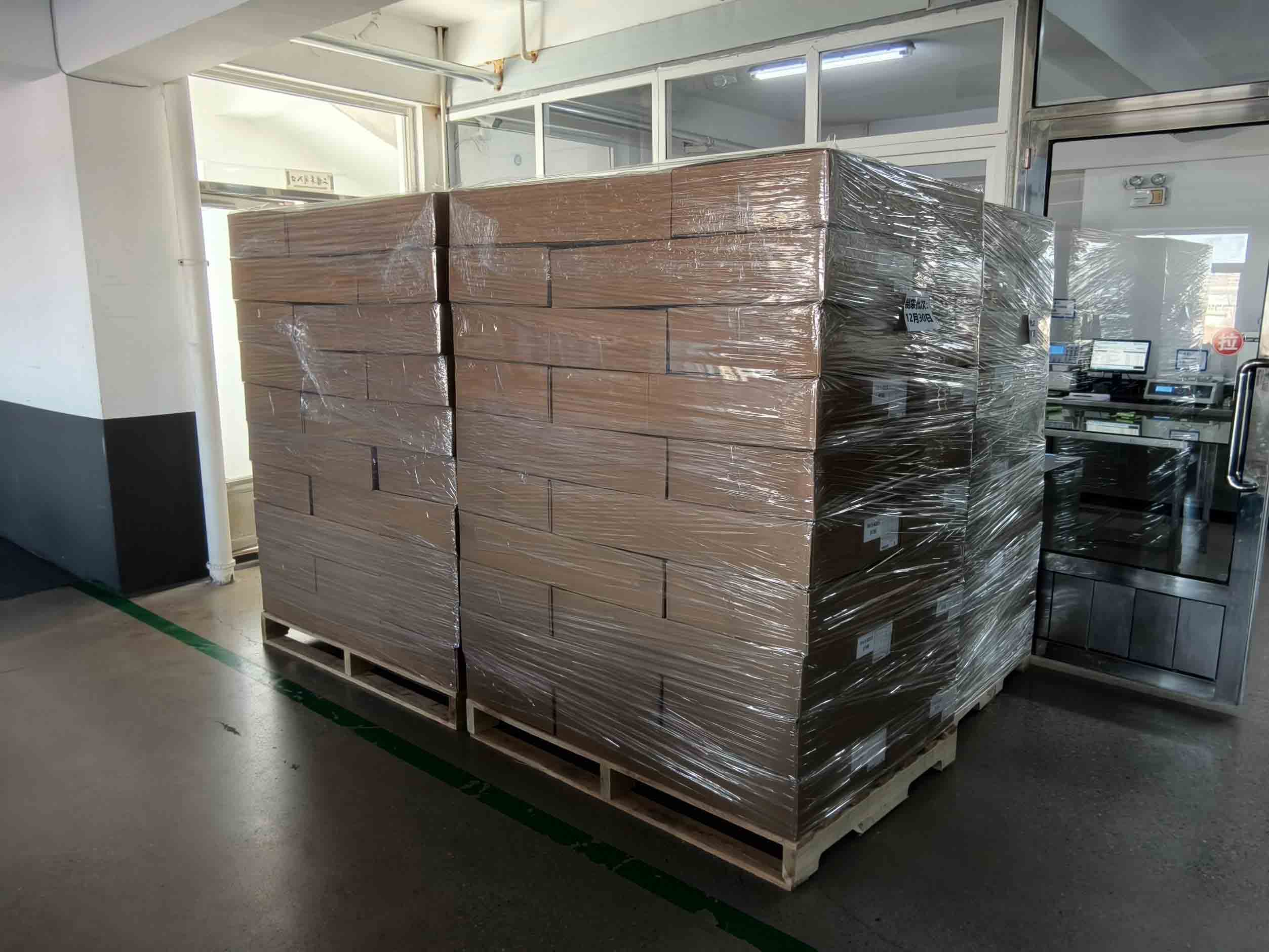
Real factory image: shipment preparation context. It does not document a particular cheese lot or its cold-chain outcome.
Specify the Replacement Pack Only After the Cause Is Known
If a film or closure change is supported, write a new brief with the product and failure mode in view. State the cheese category, form, fill weight, intended MAP or vacuum process, temperature route, target unopened life pending validation, equipment, required clean seal band, barrier and physical-performance tests, food-contact documentation, and inspection plan. Request samples at commercial size and run them on the intended line.
The buyer should also calculate the cost of rejects, lost product, line interruptions, returns, and a print change. A stronger film is valuable when a documented film failure limits performance. It is wasted money if the root cause is an unclean top seal or a cheese-process issue. Request a quote that identifies what changed and what evidence will be needed to approve it.
Frequently Asked Questions
Why is my cheese bag inflated?
Possible reasons include intentional MAP headspace, a changed gas profile, product-origin gas, a filling or sealing deviation, or a distribution exposure. Compare it with the approved pack for the same cheese and lot stage. Unexpected swelling should be handled through the producer's quality and food-safety process.
Is a puffy cheese bag normal if it is gas-flushed?
Some gas-flushed packs leave production with planned headspace. A shape that differs from the approved day-zero and storage reference requires investigation. "Gas-flushed" is not a blanket explanation for later swelling.
Does all swollen cheese contain dangerous bacteria?
No organism can be identified from the pack's appearance. The food business must investigate product and packaging evidence. Consumers should not treat that uncertainty as permission to eat an unexpectedly swollen or otherwise unusual pack.
Can carbon dioxide make a cheese pack collapse instead of puff up?
It can under some tested cheese and MAP conditions because carbon dioxide may dissolve into the product. That possibility does not establish that a particular collapsed or swollen pack is acceptable. Use the approved product-specific time course and measurements.
Why do some cheese bags seem to puff when opened?
Opening a pack changes its pressure and releases whatever headspace it contains, so a popping sound or a sudden change in shape can be noticeable. Neither the sound nor the sensation diagnoses the gas or the cheese's safety. If the unopened pack was unexpectedly swollen or looked unusual, do not taste it to test it.
Is a swollen mozzarella package safe to eat?
The article cannot judge an individual pack from its appearance. FDA advises against consuming food from damaged or unusual-looking packaging and specifically warns about swollen or bloated queso fresco-type cheese packages. Stop using a suspect pack and contact the producer or retailer; seek medical advice if there are health concerns.
Can a one-way valve prevent every cheese pouch from swelling?
No universal valve prescription follows from a swelling complaint. A valve changes gas retention and must be evaluated with the cheese, process, food-safety plan and desired package atmosphere. First establish the cause of the observed change.
Would a higher-barrier film solve an inflated bag?
Only if evidence shows that film transmission or damage is the limiting factor and the replacement passes finished-pack trials. A high-barrier panel cannot fix product gas formation or a leaking seal.
Could a bad heat seal cause the bag to look inflated?
A seal defect can change gas exchange and package appearance, although it does not produce one universal visual pattern. Inspect and test the seam. Do not infer a defect solely from a puffy shape or dismiss one because the seam looks smooth.
How should a brand test a complaint pack?
Secure intact suspect packs and controls, retain lot and storage records, compare baseline appearance, measure gas where appropriate, and use selected package-integrity and product tests under the quality plan. Keep destructive tests in the right sequence so an intentionally pierced pack is not later treated as intact.
Why does only one carton of cheese bags puff up?
Carton position, lot, line timing, handling, temperature or a localized seal issue may differ. Map the affected units to production and distribution records before choosing a cause.
Can temperature or altitude change the bag shape?
Changes in temperature or outside pressure can alter flexible-pack appearance. That is one hypothesis to check against route records and approved controls. It does not waive an investigation into unexpected swelling or food safety.
Is a swollen cheese bag the same as a can with a bulge?
The packages have different designs and failure modes. Do not transfer a canned-food diagnosis to a flexible MAP cheese pouch. For consumers, unusual or damaged food packaging remains a reason not to eat the product and to contact the seller or manufacturer.
What should a retailer do with a suspect shipment?
Follow the brand's hold and escalation instructions, preserve lot and temperature records, and avoid selling or sampling suspect units while the food business decides disposition. Do not puncture retail packs to investigate them on the shelf.
Investigate First, Then Redesign the Package
If your team has a cheese-pack swelling complaint, send Mylarbag the approved bag specification, cheese form, fill and gas process, lot map, photos, seal findings, and distribution conditions. The custom cheese bag team can help assess a candidate film, pouch geometry, or clean seal area once the investigation identifies a package-related requirement. A quote should specify the change and the filled-pack tests still needed.
Protect the affected product, establish the baseline, and follow the evidence. That sequence produces a defensible corrective action and a packaging specification your plant can test. A bag's shape is an observation. The investigation decides what it means.