Can Weed Mold in a Sealed Bag? Packaging, Moisture, and Quality Planning
Yes. A sealed bag does not prove that cannabis cannot develop or carry mold, and it does not make a product safe if a microbial problem was already present before packing. For a legal cannabis brand, the useful question is not whether a bag can make a universal “mold-proof” promise. It is whether the product, packing process, pouch specification, handling conditions, and testing plan work together for the intended market.
That distinction matters because words such as sealed, barrier, resealable, and opaque describe package features—not a finished product’s microbiological status. A pouch may be selected to support a controlled package system, but it does not replace drying controls, sanitation, representative sampling, laboratory testing, or the quality decisions that apply to the finished product. This guide is written for B2B cannabis packaging projects and stays focused on how brands can build a defensible packaging brief without turning a bag description into a health, compliance, or shelf-life guarantee.
Scope: This is a packaging and quality-planning guide for lawful cannabis brands. It is not medical, product-safety, laboratory, or legal advice. When a brand has a suspected contamination issue, the responsible quality and regulatory teams should follow the procedures that apply to that product and market.
The direct answer: a sealed bag is not evidence that cannabis is mold-free
“Sealed” can mean a zipper is closed, a top seal has been applied, or an unopened pouch appears intact. None of those observations can identify what was present in the flower before packing, what happened during drying and handling, or whether a representative laboratory test meets the requirements for the intended market.
That is why a commercial answer should be conditional. A package can be part of a plan to protect a qualified product through a defined handling and distribution cycle. It cannot sterilize flower, reverse an unsuitable drying or handling condition, or establish that a batch is acceptable for sale. An empty pouch and a finished product are not the same evidence.
The same logic separates this article from a general storage-timeline question. A reader asking whether cannabis can “expire” may be trying to understand age, product changes, or a printed date. A reader asking whether cannabis can mold in a sealed bag is asking about a quality and safety risk. For the first question, see our separate guide on how long cannabis is good for in a plastic bag. This guide addresses what a packaging team should define when mold, moisture, package integrity, and testing are part of the project brief.
Mold, “expiration,” and a test result are different decisions
Using one word for several different concerns makes a packaging project harder to specify. The following distinction keeps the inquiry, the package discussion, and the final claim in the right lanes.
| Question a brand is asking | What it is really trying to decide | Evidence that belongs in the decision |
|---|---|---|
| Can cannabis go bad in a bag? | Which product attributes matter during the planned distribution and retail cycle? | Product-specific quality plan, intended storage/distribution conditions, and the evidence the brand needs for its claim |
| Can cannabis mold in a sealed bag? | Where can microbial risk arise, and what controls are relevant before and after packing? | Cultivation, drying, handling, sanitation, storage, market requirements, and appropriate testing |
| Does a pouch prevent mold? | Which package features can be evaluated for the project? | Pouch structure, closure, filled-package seal process, handling requirements, and representative qualification work |
| Does a test result pass? | Is a specific batch acceptable under the applicable program? | Qualified sampling, laboratory methods, result interpretation, and the relevant market process |
This is not a semantic detail. If a brand asks a pouch supplier for “mold-proof bags,” the supplier may be able to discuss material structure, pouch format, printing, closure features, and samples. The brand still needs to define the product condition, processing controls, market requirements, and validation responsibility. A supplier should not infer a laboratory result from a material name or a product photo.
A research fact card: risk exists across the production chain
Published research reinforces why a one-bag answer is too simple. A 2023 study assessed more than 2,000 fresh and dried high-THC cannabis samples over three years. The researchers reported that total yeast and mold levels were influenced by genotype, growing environment, harvest activity, temperature and relative humidity in the flower microclimate, drying method, and inadequate drying. The study supports a system view; it does not create a universal pouch specification, allowable moisture target, or consumer storage rule for every cannabis product. Punja et al. (2023)
California’s Department of Cannabis Control gives a useful regulatory example rather than a universal rule. Its testing-laboratory page lists microbial impurities, mycotoxins, moisture content, and water activity among required tests for cannabis goods before sale in California. Requirements differ by jurisdiction, product type, and market, so a brand should verify its own obligations with the responsible professionals and current official sources. California DCC testing-laboratory guidance

Where mold-related risk can enter a commercial cannabis project
The bag is only one point in a longer chain. A robust brand brief maps the chain so that packaging decisions are based on real handoffs instead of an unsupported promise printed on a pouch.
Before the pouch is filled
Cultivation and post-harvest work come first. Product condition, drying practices, environmental conditions, handling, and sanitation can all affect the risk profile that reaches the packaging table. The packaging supplier generally cannot observe or validate those upstream controls from a drawing, an empty pouch, or a finished-goods photo.
That does not make the package irrelevant. It means the package must be selected for a product that has already been assigned a real quality plan. If the brand expects a particular fill condition, headspace, closure, sealing process, or storage cycle, those items belong in the brief before samples are quoted.
During filling and sealing
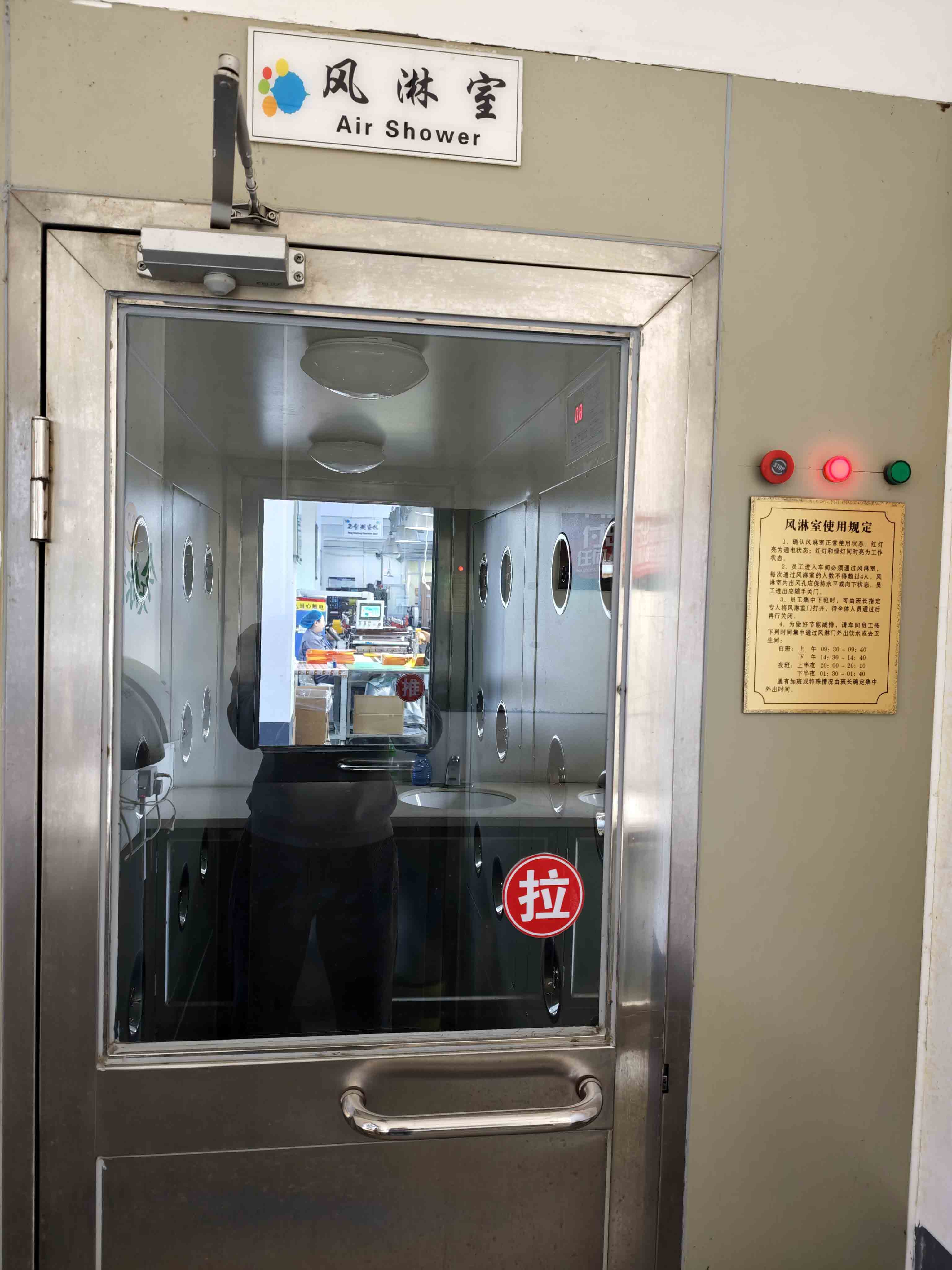
Filling introduces a different set of decisions: product movement near the seal area, pouch orientation, fill volume, clean top clearance, zipper placement, sealing equipment, and the way finished pouches are handled. A zipper may be a useful consumer-access feature. A top heat seal may be part of the intended finished closure. Neither feature, by itself, is a microbial test or a product-safety conclusion.
For a detailed discussion of how a zipper and a heat seal solve different packaging problems, see our cannabis pouch sealing and QA guide. That article focuses on the production and inspection questions that must be defined for a specific pouch and process.
After the pouch leaves the filling line
Distribution, retail handling, and storage can introduce temperature, humidity, light, handling, and package-integrity questions. California’s DCC has stated in a 2026 sanitation rulemaking record that microbial contamination can occur at any step in the commercial chain; the point is not that every package will fail, but that individual parties need to minimize relevant risks while material is under their control. California DCC sanitation statement
For packaging, this leads to a practical question: what must remain true when the product reaches its next handoff? For example, the brand may need the correct pouch format, an agreed closure approach, an intact finished seal where one is specified, legible artwork, and a documented process for changes. Those are packaging decisions. They do not substitute for the product and test decisions made by qualified parties.
What a sealed pouch can—and cannot—do
Packaging is valuable when its role is stated accurately. The table below helps teams keep potential package functions separate from claims that require product-specific evidence.
| A project may evaluate a sealed pouch for… | A sealed pouch does not independently prove… |
|---|---|
| The chosen format, material structure, visual presentation, closure arrangement, and sealing approach | That cannabis is mold-free, safe, sterile, or compliant in every market |
| Whether representative filled samples meet the project’s package-integrity and appearance criteria | That upstream drying, handling, or sanitation was adequate |
| Whether the design and process fit an intended handling and distribution cycle | A universal shelf-life period or product-quality outcome |
| Whether a project needs a zipper, top seal, child-resistant feature, tamper-evident approach, or other defined function | That a visible feature automatically meets a legal or certification requirement |
This is especially important when a sales request uses broad terms such as moisture barrier or high barrier. Those terms may be part of a material discussion, but a finished package still depends on the exact structure, pouch format, fill, seal, equipment, handling, and quality plan. The relevant performance question should be qualified for the completed system—not assumed from a stock description.

A note on material and closure choices
An opaque printed pouch, a metallized layer, a zipper, or a heat seal can be evaluated when those features serve the approved product and package brief. They should be discussed as selectable elements of a flexible-packaging system. Do not describe any of them as a mold-removal treatment, a microbiological barrier claim, or a guarantee that a product will meet testing or market requirements.
That restraint also makes customer communication clearer. A cannabis brand can ask for samples and configuration options without claiming that a material will solve every product-quality question. The supplier can then quote a pouch around the actual fill, artwork, closure, packing process, and documentation needs.
Build a packaging brief before choosing a bag
The strongest packaging inquiry is a short project document, not a one-line request for “mold-proof packaging.” A practical brief can be built in six steps.
Step 1: Describe the product and the intended package cycle
Start with the actual product category, target fill weight or representative sample, expected package use, target market, and approximate path from filling through retail. This does not require the brand to share confidential formulas or lab data with a packaging supplier. It requires enough information to avoid selecting a pouch in a vacuum.
Step 2: Define the quality and testing handoff
Identify which team owns product qualification, sampling, and any required laboratory work. If a market requires a certificate of analysis, a brand should work from the applicable rules and its qualified testing partners. A pouch supplier can prepare samples and package specifications; it should not issue a product-safety conclusion from packaging artwork or a material list.
Step 3: Select a pouch format to evaluate
The format should match the fill, shelf presentation, consumer-opening needs, and packing process. Stand-up pouches are one option. Flat pouches, three-side-seal formats, and other structures may be more appropriate for different fills or retail directions. The best option is project-specific, not the one with the strongest generic marketing label.
Step 4: Discuss the visible and listed configuration
Use the quote stage to discuss publicly verifiable facts: listed material structure, finish, print method, pouch format, possible closure arrangement, and artwork requirements. Keep performance claims separate until the final package is qualified for the relevant project.
Step 5: Plan the sealing and finished-package review
If the project calls for a top heat seal, define the usable seal area, equipment, expected fill behavior, representative samples, and written review criteria. ASTM F88/F88M addresses seal strength of flexible barrier materials, and ASTM F1886/F1886M addresses visual inspection of primary packaging. These standards are useful technical references for a packaging-quality conversation; they are not cannabis microbial standards or proof that a product is safe. ASTM packaging standards overview
Step 6: Record changes that require a new review
Artwork, material structure, pouch size, closure, product format, filling process, destination market, or quality requirement can change the project. A written change-control question is more useful than carrying forward an old assurance after the system has changed.
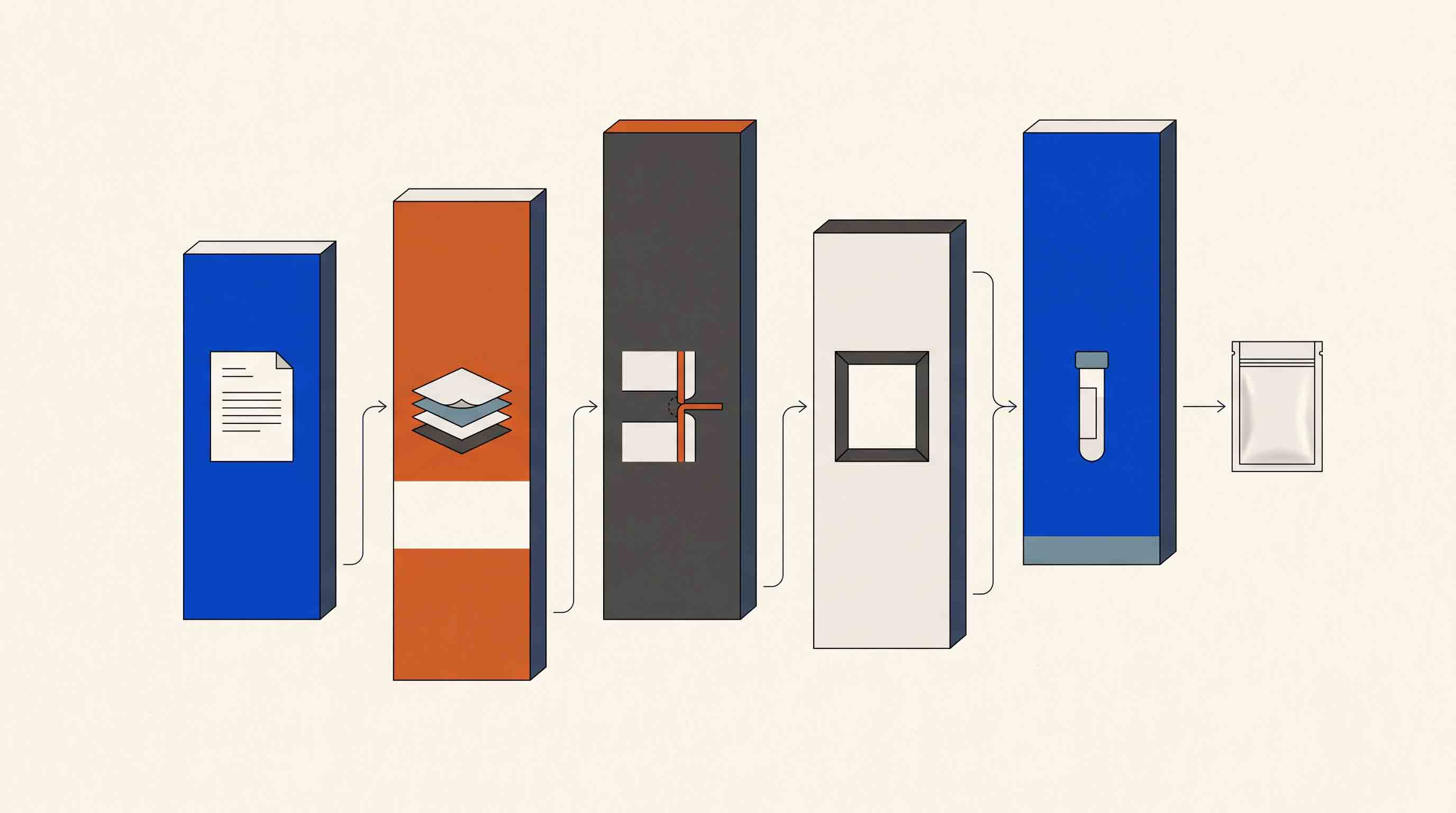
Recommended cannabis pouch configurations for brand discussions
The following published Mylarbag configuration examples can provide a starting point for a custom-project conversation. They are not mold-prevention promises, shelf-life claims, laboratory results, certification statements, or universal compliance advice. The final choice should be evaluated against the brand’s product, market, process, and validation requirements.
Matte-black stand-up pouch for a dark retail presentation
A published matte-black stand-up pouch lists a PET/VMPET/PE material structure. It may be a useful format reference for a brand that wants a dark printed retail presentation and a flexible pouch layout. The final dimensions, artwork coverage, closure, top-seal area, and packing process should be quoted for the actual product.
Kraft-look stand-up pouch for a natural shelf direction
A published kraft-look stand-up pouch lists a matte OPP/kraft paper/VMPET/PE structure. This can be evaluated when a brand wants a natural visual direction while still discussing a multilayer flexible-pouch configuration. A listed child-resistant zipper is a feature reference only; destination-market rules and relevant documentation must be verified for the finished project.
Holographic stand-up pouch for a distinctive design direction
A published holographic stand-up pouch lists a PET/Aluminized Laser/PE structure. It can be a starting point for a brand seeking a high-impact printed look. As with every configuration, the target fill, pouch dimensions, closure, packing process, market, and evidence needs determine whether it is suitable for the project.
For formats, structures, printing options, and samples, visit Custom Cannabis Packaging. A qualified inquiry should include the product category, target fill or sample, target market, pouch format, artwork status, closure needs, packing process, and any required documentation or validation information.
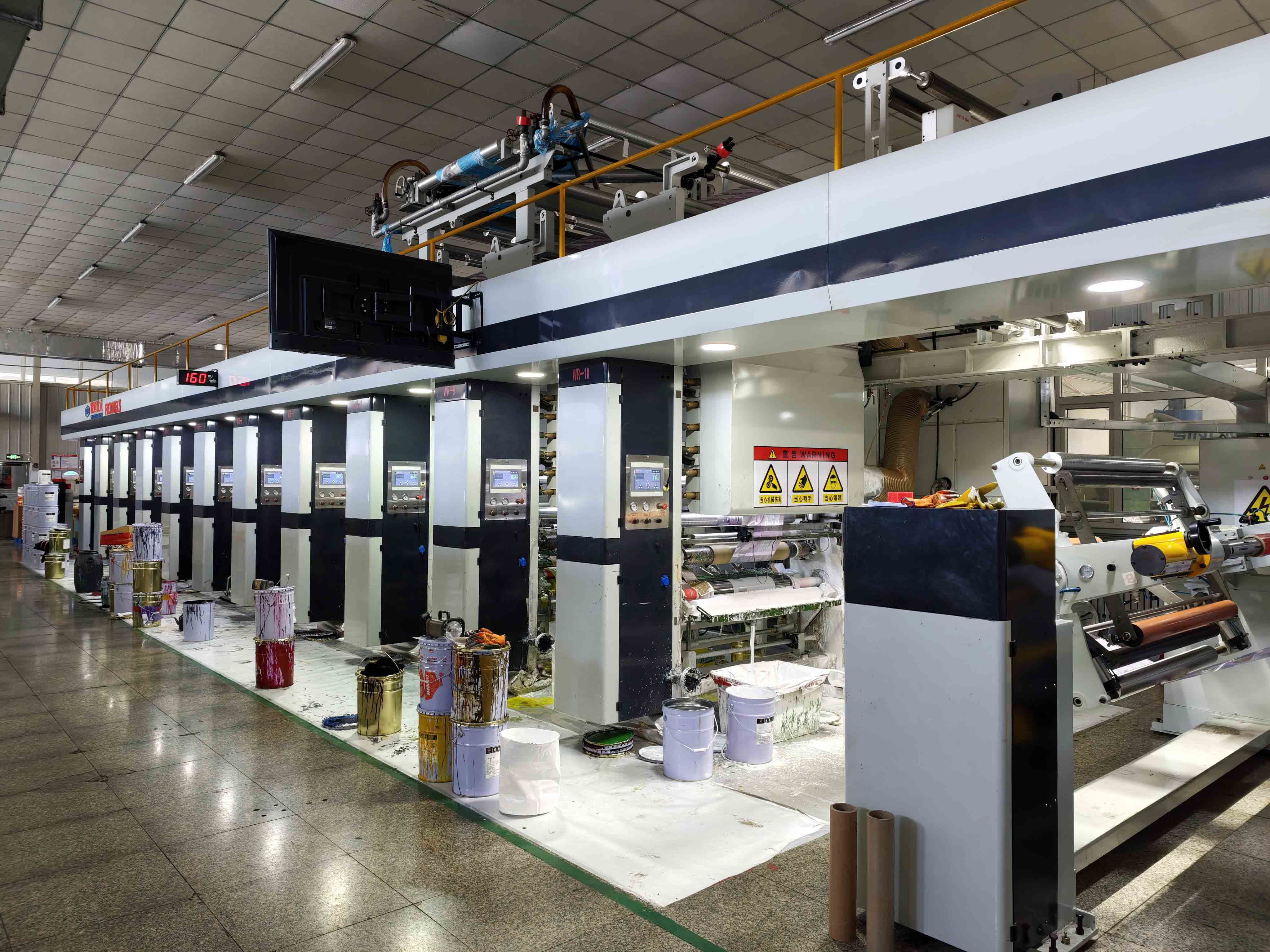
Plan verification around the finished package, not a material slogan
A thoughtful packaging project documents what must be reviewed, who owns the decision, and what a review does—and does not—establish.
| Project stage | Useful question | Appropriate output | Do not conclude from this alone |
|---|---|---|---|
| Product and market brief | What product, target market, and quality requirements apply? | A written project scope and responsible decision owners | That a stock pouch meets every product requirement |
| Pouch selection | Which format, listed structure, design, and closure should be sampled? | A quote-ready pouch specification and sample plan | That one feature proves a product result |
| Filling and sealing | What does the completed pack need to look like and how will it be closed? | Representative filled samples and agreed review criteria | That a heat seal replaces product testing |
| Finished-package review | Which package observations and process checks matter? | A documented package-quality decision | That visual inspection proves product safety |
| Product qualification | What testing or documentation is required by the project and market? | Evidence owned by the responsible brand and qualified partners | That the packaging supplier has certified the product |
This structure protects both the brand and the supplier. It replaces vague promises with a realistic conversation: what is known, what must be sampled, what must be tested, and what the final package must accomplish.
Common mistakes that turn a packaging request into an unsupported claim
Calling a bag “mold-proof” because it is sealed
A seal is a package feature. It is not proof that the product was properly dried, handled, tested, or accepted for sale. Replace the claim with a project question: what package integrity, closure, and handling conditions need to be evaluated for this product?
Treating a visible pouch feature as a compliance result
A zipper, tear notch, opaque panel, or printed warning can be part of a package design. It does not independently establish child resistance, tamper evidence, market compliance, or product safety. Verify the requirements that apply to the actual destination market and product.
Copying a moisture or temperature number from an unrelated source
Research conditions, laboratory methods, product types, and jurisdictions differ. A number observed in one study is not automatically a commercial specification for every cannabis brand. Define project-specific requirements with the qualified people responsible for the finished product.
Using a supplier quote as a substitute for a quality plan
A quote can identify pouch options, materials, printing, and samples. It cannot replace the brand’s own product, testing, market, and change-control responsibilities. The more complete the brief, the more useful the supplier conversation becomes.
Hiding the inquiry behind a generic “contact us” button
An effective CTA tells brands what information to share. The right inquiry is not just “I need bags.” It names the product, fill, market, pouch direction, closure, packing process, and documentation or validation questions that must be resolved.
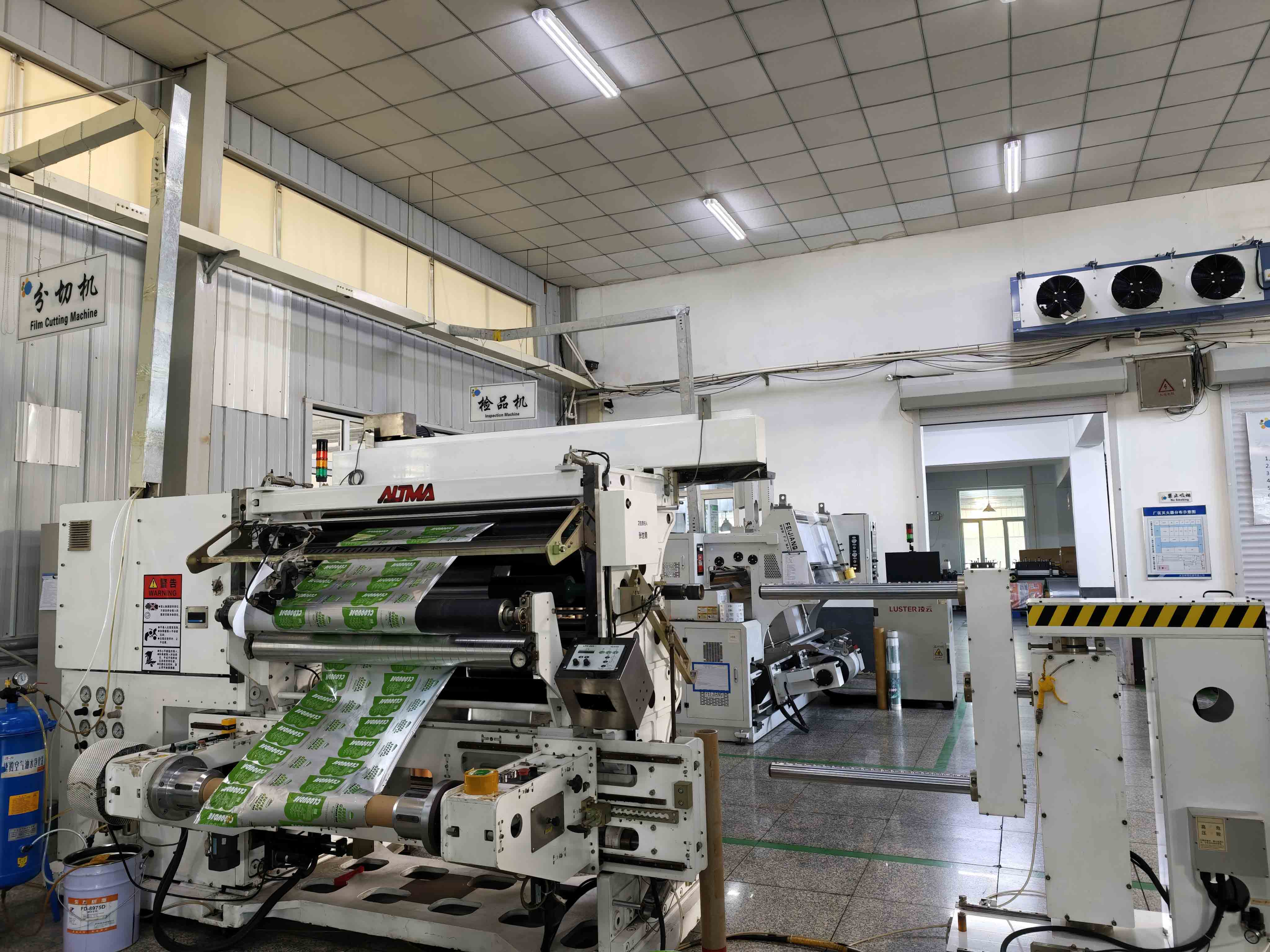
Packaging note: a better starting point for a mold-risk question
If your team is asking whether cannabis can mold in a sealed bag, begin with the finished system—not the bag alone. Document the product condition, the intended packaging cycle, the market, the pouch design, the closure and sealing approach, the handling conditions, and the evidence that must be owned by your quality team.
Mylarbag can discuss custom flexible pouch formats, printed material configurations, samples, and project information for legal cannabis packaging. We do not need every technical field decided before the first conversation. Share what is known and identify what needs to be evaluated.
Discuss a custom cannabis packaging project
Frequently asked questions
Can weed mold in a sealed bag?
Yes. A sealed bag does not prove that cannabis is mold-free or make an already contaminated product safe. Product condition before packing, drying, handling, sanitation, storage, package integrity, market requirements, and appropriate testing all matter. A brand should use a qualified quality process for its own product and package.
Can a sealed pouch make contaminated cannabis safe?
No. A pouch is not a remediation or sterilization process. A supplier can discuss a pouch format, material structure, closure, print, and sample plan, but it cannot turn an existing contamination issue into a product-safety conclusion. Follow the procedures that apply to the finished product and market.
Does a heat seal prove there is no mold?
No. A heat seal can be part of a finished-package specification and quality review. It does not independently prove microbial status, shelf life, product safety, or regulatory compliance. Define the sealing requirements and the relevant product/package qualification work separately.
Does an opaque pouch prevent mold?
No. An opaque pouch can be evaluated where light exposure is part of a packaging discussion, but it does not by itself establish mold control, a shelf-life period, or a safety outcome. The complete product and packaging system needs appropriate controls and evidence.
What should a cannabis brand send a packaging supplier before requesting a quote?
Share the product category, target fill weight or representative sample, target market, preferred pouch format, shelf presentation or artwork, closure features, packing process, and any required documentation or validation information. This allows the supplier to discuss a configuration that matches the real project.
Can a finished pouch replace microbial testing?
No. The package may be one part of a finished-product system, but it does not replace the testing, sampling, or quality decisions required for a specific product and market. The responsible brand and qualified partners should determine what evidence is required.