
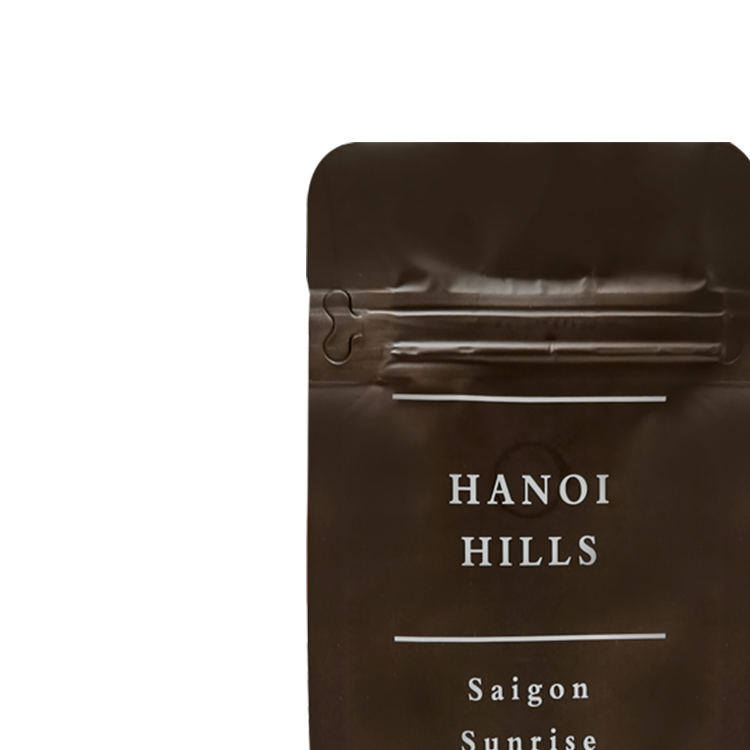
Coffee packaging samples help you inspect a real pouch before you commit to a custom project. Use them to compare format, size reference, panel layout, opening route, closure feel, valve placement, and how the coffee fits. A sample is useful evidence of what you can see and handle; it is not proof of a universal shelf life, certification, print result, or final production outcome.
This guide is for roasters and coffee brands evaluating a proposed pouch. It distinguishes a stock sample, a reference pouch, and a custom project sample so the review stays tied to the question you actually need to answer.
Decide What You Need the Sample to Answer
“Please send samples” is a reasonable opening request, but it leaves the important part unstated. A useful sample review starts with one or two questions. Are you checking whether a 250g fill suits a flat-bottom pouch? Are you comparing a side-gusset profile with a stand-up pouch? Are you trying to see where a pocket zipper sits relative to the top seal? Or are you reviewing a working artwork layout before the project moves forward?
The sample does not need to answer every question at once. In fact, a focused review is more valuable. A pouch that is ideal for checking format and opening features may not represent a final artwork. A printed proof may be the right tool for panel layout but not a substitute for a filling test. State the purpose before you request or receive the sample.
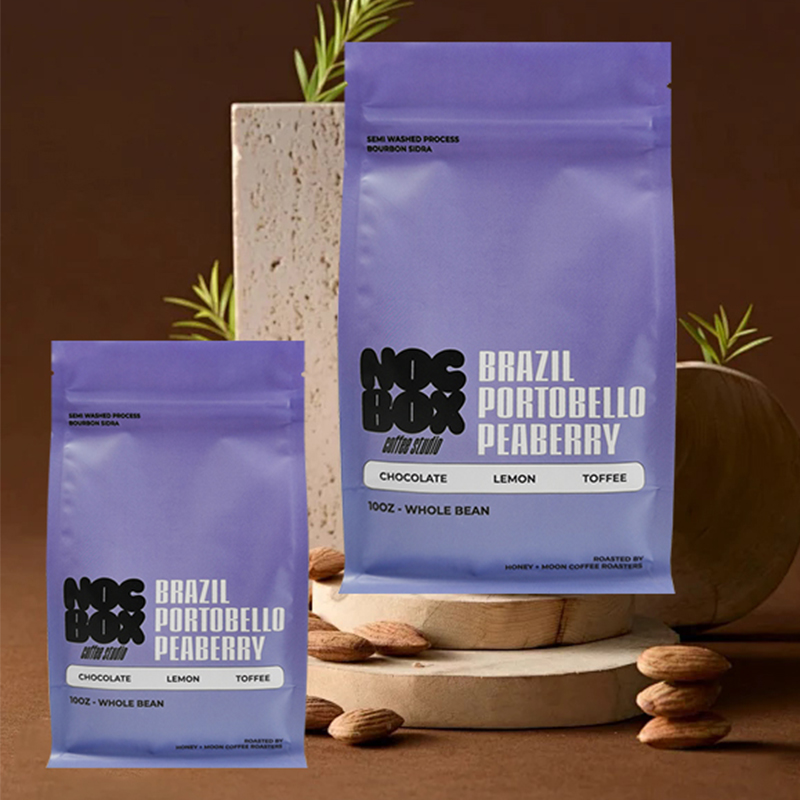
Know the Difference Between Sample Types
The word “sample” can refer to several things. Keep the category clear so nobody treats a reference item as an approved final package.
Calling the item by its correct name is not bureaucracy. It protects the review from becoming a string of assumptions.
Begin With Format and Fill, Not the Front Panel
The front panel usually gets the first glance. It should not get the only glance. A coffee bag becomes a three-dimensional object when it is formed and filled. The bottom gusset, side gussets, top area, seal allowance, valve, zipper, or tin-tie arrangement can all change what is visible and how the pouch is handled.
When a sample arrives, start with the format and the coffee you plan to pack. If the project has a target fill, use an appropriate controlled fill check rather than judging capacity from a product photo. Coffee density, headspace preferences, and pouch design are project conditions; a named weight alone does not establish a final pouch size.
Look at the pouch on a flat surface and in the expected display orientation. Then inspect the top area. Is the first opening clear? Is the reclose feature separate from the initial seal? Does a valve sit where you expect? Does the pouch need a revised panel map before the artwork is finalized? These are questions a physical sample can make easier to ask.
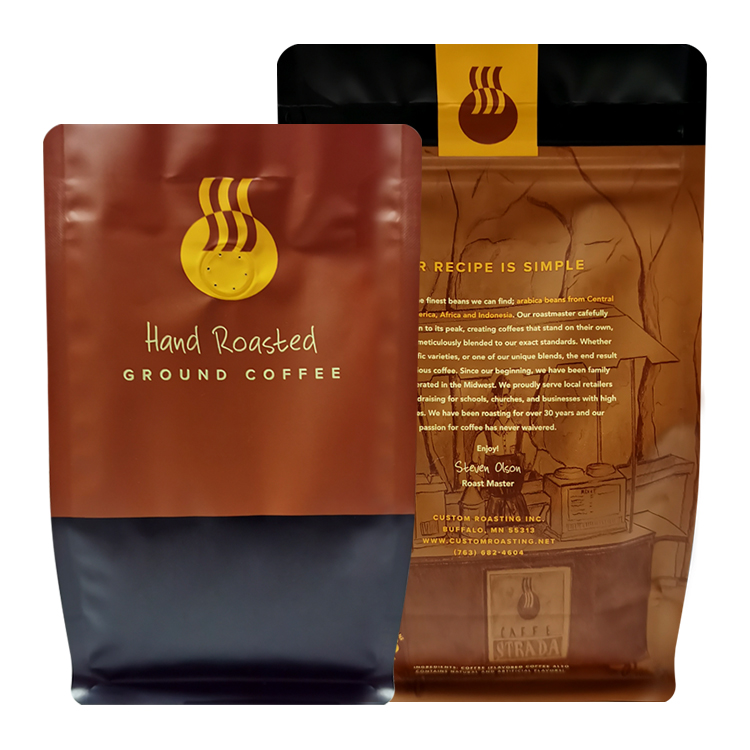
Use a Sample Review Sheet, Not Memory
People remember the overall impression of a sample: “It felt good,” “The bag was too tall,” or “The zipper seemed useful.” Those reactions matter, but they are hard to pass to a designer or supplier without a written record.
Use a short review sheet. It does not need to be complicated.
The review sheet is a working record, not a production approval. Its value is that the next conversation begins with the same pouch reference instead of a vague recollection.
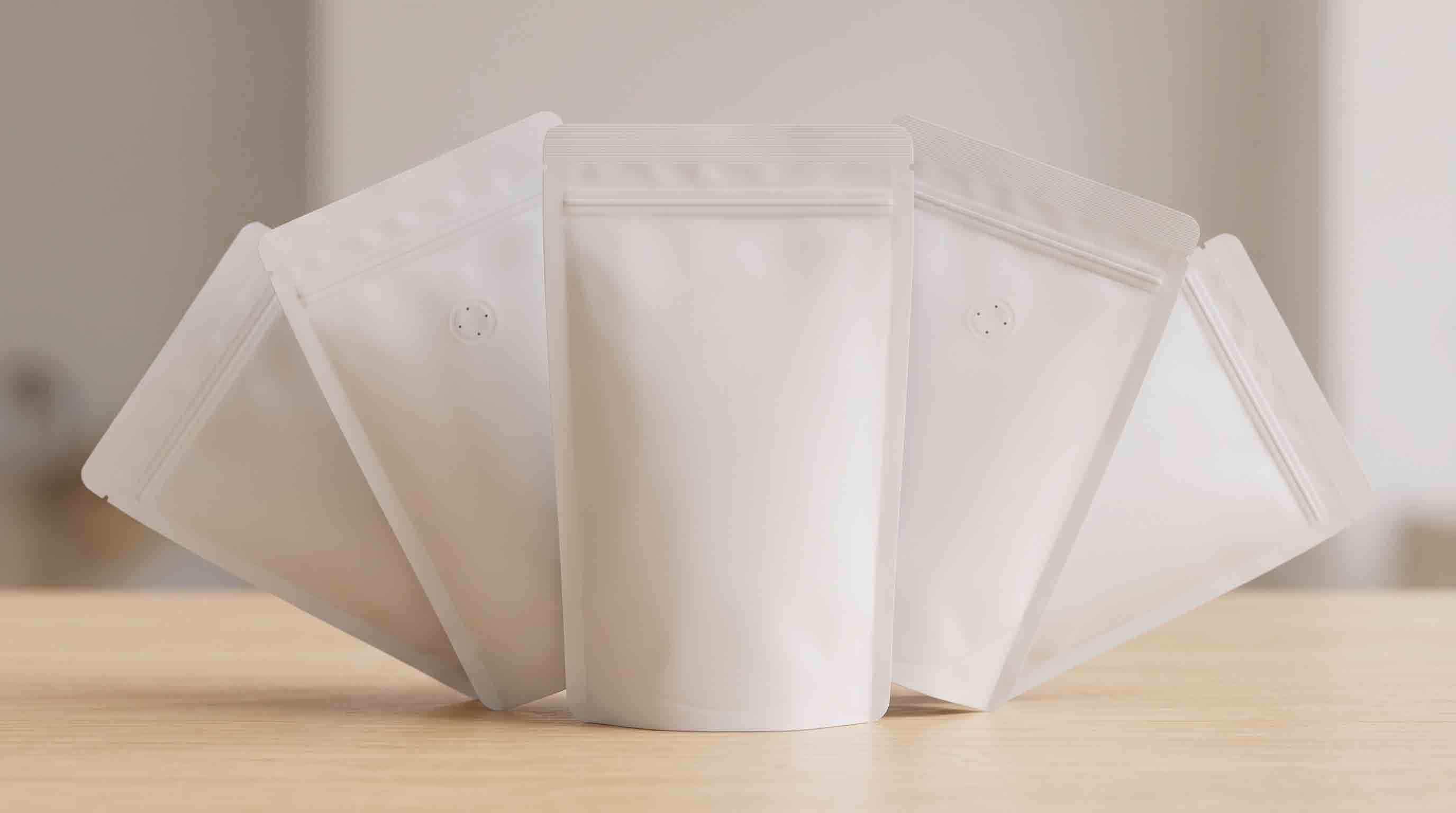
Review the Sample With the People Who Will Actually Use It
A useful sample review is rarely a designer-only exercise. The person who fills the coffee may notice a top-area issue. The person who handles incoming stock may see a carton or storage question. The brand owner may need to check whether the product information has a clear place. The person who answers customer messages may care about how the bag is opened and reclosed.
They do not all need to attend a formal meeting. They do need a way to add observations to the same pouch record. Hand the sample to each relevant person with one short question: what does this sample need to tell us before we move on? Keep observations factual. “The intended front panel is not obvious once filled” is useful. “This bag will improve shelf performance” is an outcome claim that the sample cannot support.
This cross-check is not a test result. It is a way to find contradictory assumptions before artwork, filling, and storage discussions become expensive to untangle.
Keep Visual Review Separate From Technical Validation
Samples are tangible, so it is tempting to use them as proof of more than they show. A pouch can make a strong visual reference for its format, proportions, zipper position, valve location, and panel layout. It cannot by itself prove a barrier property, food-contact status, recyclability claim, shelf-life conclusion, or the result of a test that has not been provided.
Keep a two-column list during the review:
The distinction helps the supplier respond properly. Instead of asking “Does this sample prove it will work?” the buyer can ask “What can this sample demonstrate, and which project documents should we review before making the other decision?”
That wording keeps the sample process useful for a buyer who is still learning packaging terms. It also means the final production decision can rest on the appropriate evidence rather than an attractive unprinted pouch or a well-lit product photograph.
Finish Each Review With a Next-Step Decision
Do not let a sample sit on a shelf after everybody has looked at it. Record one of three outcomes: the sample supports the current pouch direction; it raises a defined question that needs another sample or supplier review; or it does not match the project and should be removed from consideration. The wording matters. “Needs a different size reference” is actionable. “We do not like it” does not tell the next person what should change.
This decision also protects the artwork process. If the format is still open, keep the artwork at a working stage. If the pouch direction is accepted but the top feature or fill remains open, mark that specific item instead of declaring the whole design final. A small, clear decision log makes it much easier to avoid revisiting the same sample with a different assumption later.
When another sample is needed, write why. It may be a different pouch format, a revised size reference, a feature-position question, or a filled-pouch check. That reason helps the next sample earn its place in the project rather than becoming another object to compare without a decision goal.
It also gives the designer and supplier a shared reason for the next review instead of an ambiguous request for “another bag.”
That keeps the review focused on evidence rather than preference alone.
It also makes a later supplier response easier to interpret and act on.
Check the Opening and Reclose Features in the Right Order
Many coffee pouches are made to be sealed first and opened later. A zipper, pocket zipper, tin tie, or fold arrangement may be a reclose feature, while the top seal is part of the initial package closure. When you handle a sample, do not cut it at random. Identify the intended opening route and the reclose feature first.
This is especially important when the sample is being used to plan customer instructions or artwork. A front-panel pattern or product name may need to avoid the top working area. A tear feature may need a clear reference point. A zipper that is accidentally removed during the first opening does not tell you whether the original configuration was suitable.
For the consumer-facing opening sequence, see How to Open and Reseal a Coffee Bag. This sample article stays focused on the buyer’s review process: inspect the feature placement before deciding whether the configuration should advance.
Read Published Project Records Carefully
Published pouch records are useful when they show configuration facts. They should never be treated as a copy-and-paste specification for a new coffee line.
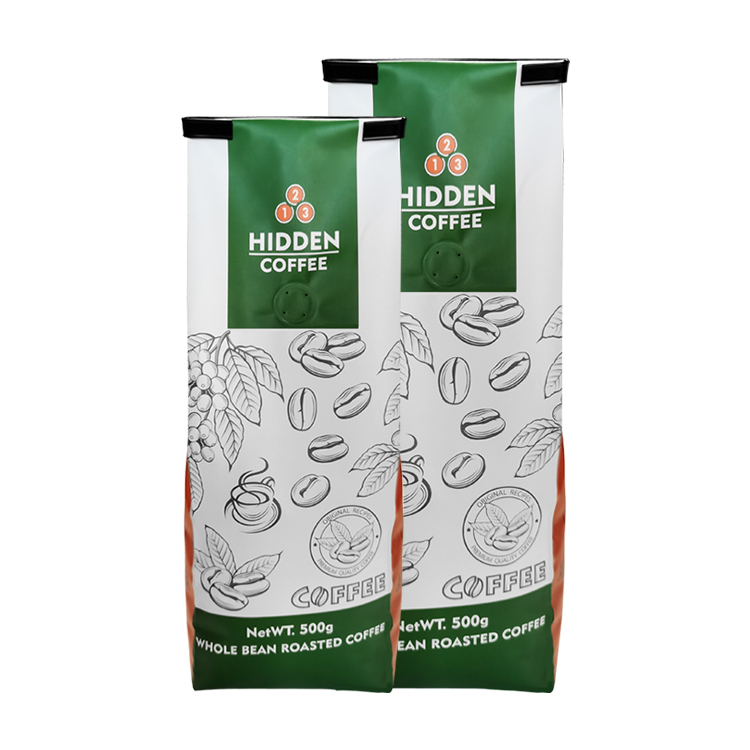
For example, one published Mylarbag record lists a 500g side-gusset coffee pouch with MATOPP/VMPET/PE, digital printing, and a degassing valve. See the published 500g side-gusset coffee-pouch project.
That public configuration may help a buyer ask whether a side-gusset pouch is worth comparing for a larger fill. It does not tell us why that customer selected it, how it performed, what it cost, how quickly it was made, or whether the same pouch suits another coffee. A sample review should use the record as a prompt for questions, not as an outcome to copy.
Review Artwork on the Physical Pouch, Not Only in a Mock-up
A screen mock-up is helpful for first impressions. It cannot show every fold, gusset, seal area, or feature location on the final formed pouch. If artwork is part of the sample review, match it to the current pouch direction and note what is still open.
Ask practical questions:
- Which panel is the primary front once the pouch is filled?
- Where do the side or bottom gussets change the visible artwork?
- Is the product name clear when the pouch is upright?
- Does the proposed valve, zipper, or top seal create a no-artwork zone?
- Are the barcode, product information, and design elements mapped to real panels?
- Which version of the artwork was used for this review?
For the full artwork handoff process, use Coffee Packaging Design Guide: How to Prepare Artwork for Custom Bags. The key point here is simple: a sample lets the team test the relationship between the artwork and the object. It does not make an unreviewed mock-up production-ready.
What a Sample Cannot Prove
Samples make a custom project more concrete, but they have limits. A responsible review separates visible evidence from claims that need other current project materials.
Do not use a sample photo or an empty pouch to claim:
- a fixed shelf life or barrier result;
- food-contact, recyclability, compostability, or other certification status;
- a specific print outcome, colour match, or finish result;
- price, MOQ, production timing, or freight result;
- a customer outcome or reason for a published pouch choice.
Those questions may be relevant to a purchase decision, but they need the appropriate current documentation, validation, or project quotation. Keeping that boundary clear makes the sample review more credible, not less useful.
Recommended Packaging Configuration: Request a Reviewable Pouch Brief
For a custom coffee project, the recommended starting point is a sample request tied to one pouch brief. Include the coffee product, target fill, format direction, a size reference if available, current artwork stage, planned closure or valve, target market, and the exact question the sample should help answer.
Browse custom coffee bags to identify the pouch direction you want to review. When contacting Mylarbag, send the brief and any available artwork or sample reference through Contact. That gives the supplier a concrete basis for deciding what can be evaluated for the current project.
Frequently Asked Questions
What should I check on a coffee packaging sample?
Check the pouch format, size reference, target-fill fit, panel layout, opening route, reclose feature, valve placement, and the questions that remain open for your project.
Is an unprinted pouch sample useful before custom printing?
Yes. It can help you review format, physical handling, feature placement, and general size reference. It does not show the final printed artwork.
Can a sample confirm the right coffee bag size?
It can support a controlled fill and format review, but a final size should be evaluated against the actual coffee, target fill, and project conditions.
Does a coffee packaging sample prove shelf life or certification?
No. A sample shows the item you receive. Shelf-life, certification, and similar claims need their own current project evidence.
Should I send artwork with a sample request?
Send the current artwork if you have it, and clearly label whether it is a concept, working layout, or reviewed project file.
Can I use a published coffee pouch as my sample reference?
You can use public configuration facts as a discussion reference, but do not copy another brand’s design or assume its materials, features, or commercial terms apply to your project.
Make the Sample Review Answer One Real Question
The best coffee packaging sample is not simply the most attractive pouch on a desk. It is the one that helps you make a defined project decision: choose a format, verify a feature position, test a target fill, or review artwork against a physical panel map. Keep the findings written down, preserve the open questions, and move to the next stage only when the pouch brief and the sample review describe the same product.
When you are ready to start that review, custom coffee bags is the natural industry page to use as the project starting point.