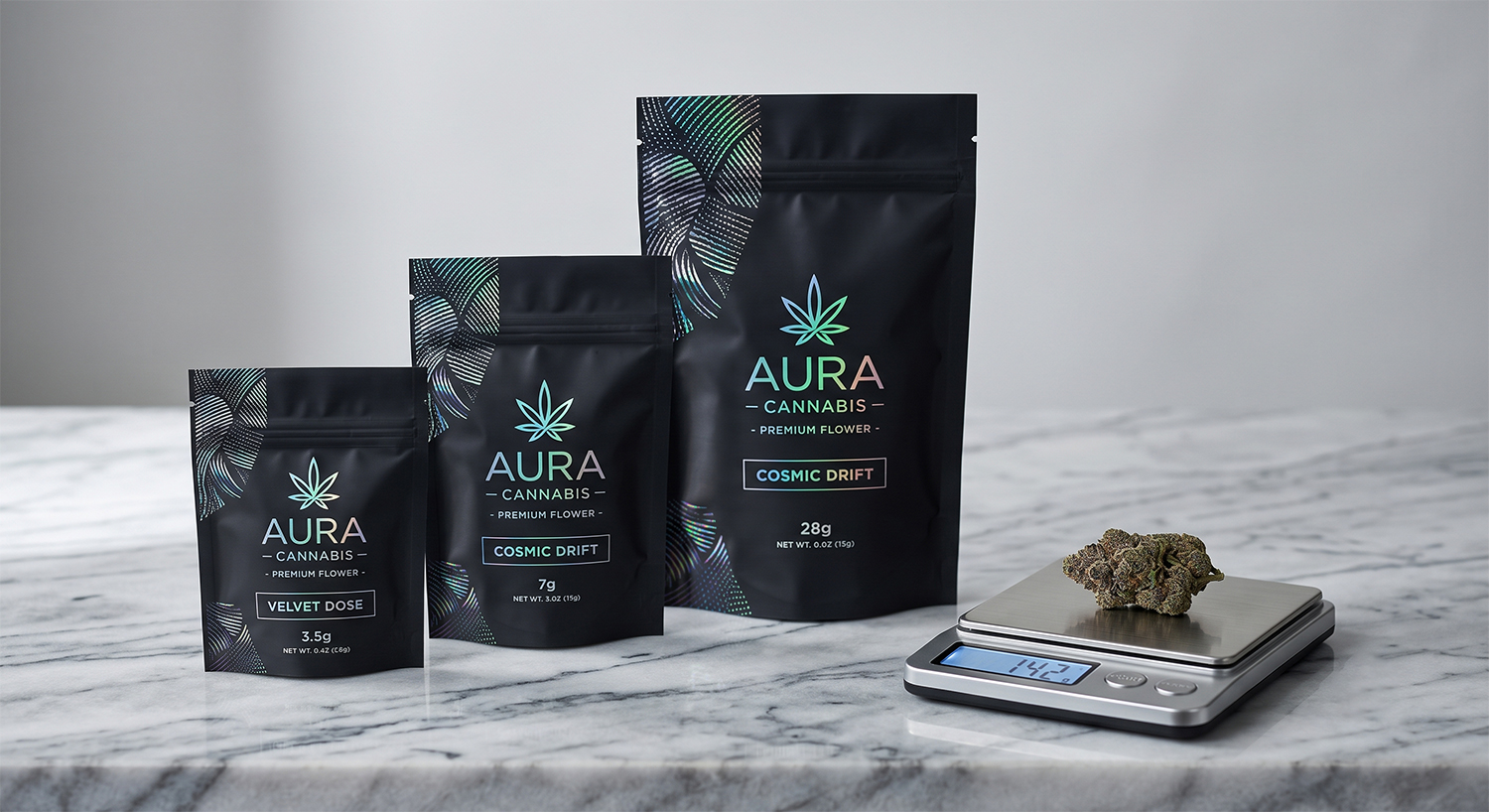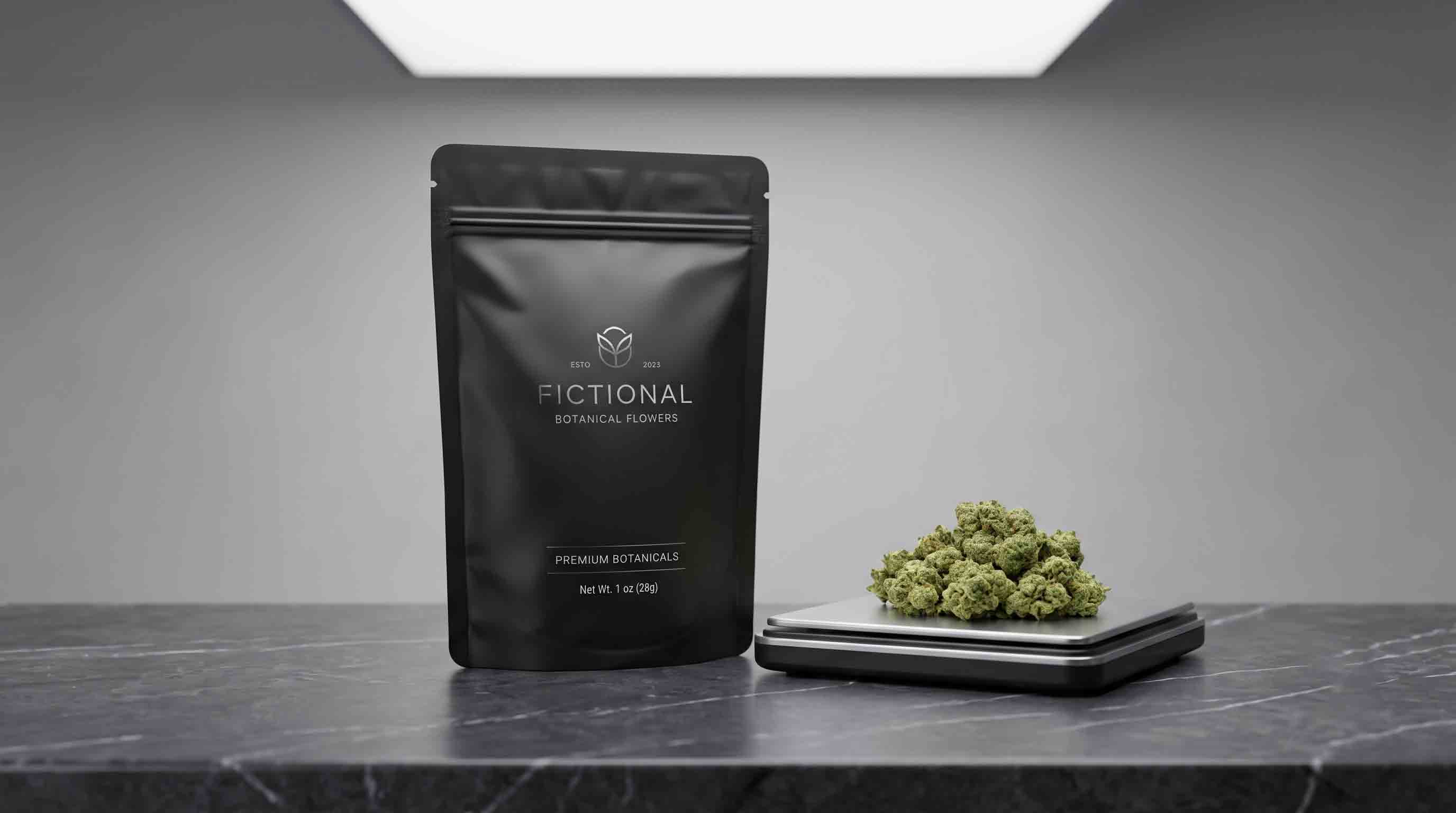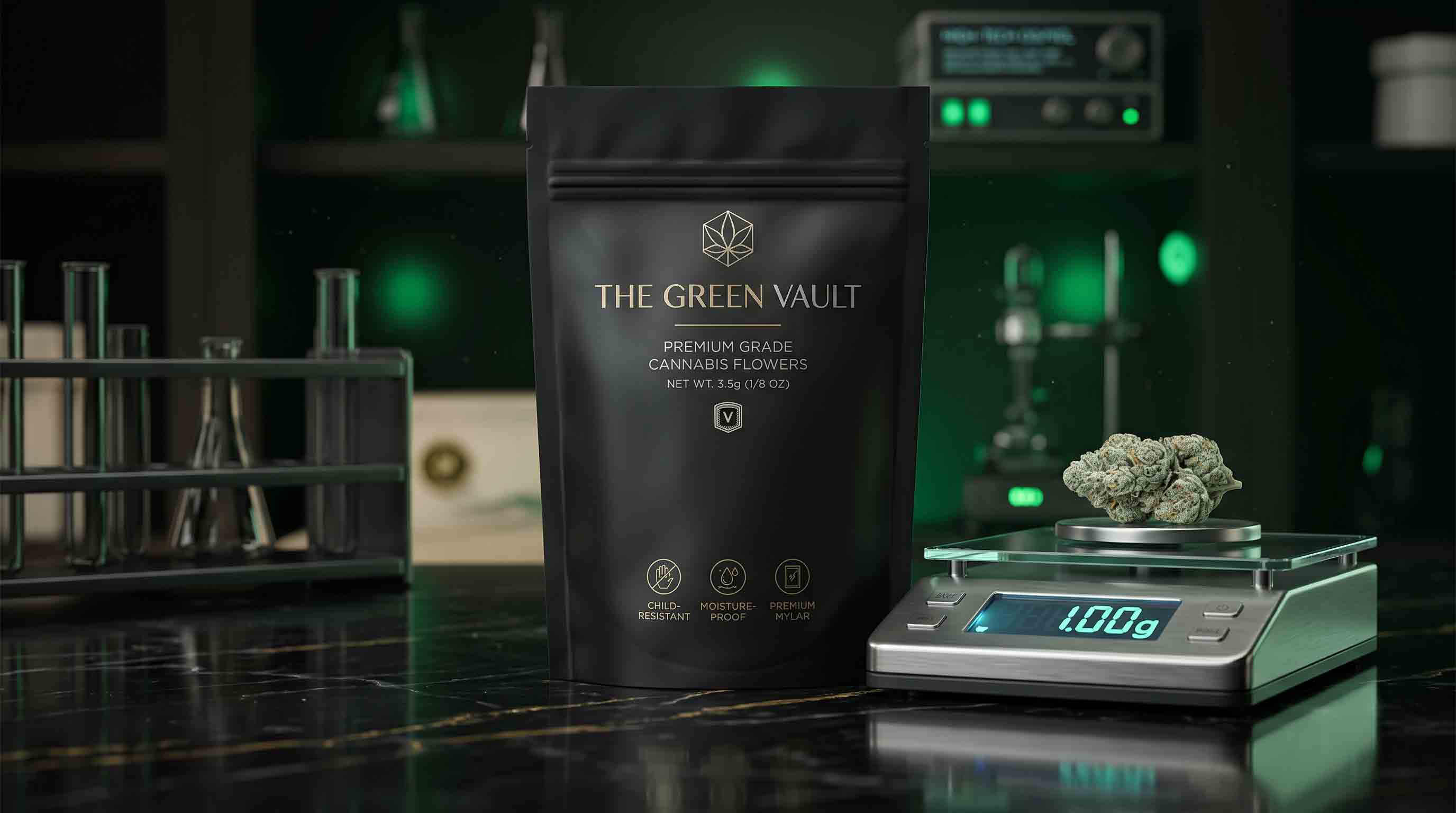
The short answer is that a packaging bag is not a drying or curing method. Once a cannabis-flower product has completed the brand’s own post-process handling and is ready to be packed, the next question is not simply “plastic or paper?” It is how the product, fill, retail format, artwork, closure, and handling plan should work together in one packaging specification.
For a B2B brand, that distinction matters. A generic household-style bag, a plain paper bag, and a custom flexible pouch can all look like “a bag,” yet they support very different packaging conversations. The right direction depends on what the brand needs to present, how the pouch will be filled and sealed, what information must appear on the pack, how samples will be reviewed, and which market-specific questions still need to be resolved.
This guide does not provide drying or curing instructions. It helps cannabis brands turn a finished-product packaging requirement into a clearer pouch brief for a supplier.
Packaging starts after product readiness—not instead of it
When buyers search whether cannabis can be cured or dried in a plastic or paper bag, they often mix two separate stages together. Product handling before packing is one stage. Selecting, filling, closing, and presenting a finished retail pack is another.
For a packaging project, the useful starting point is to identify what is already decided and what remains open. A supplier can work productively with an early-stage brief; the brief does not need to be perfect. But the buyer should be able to explain whether the product is ready for packing, the approximate fill, the desired pouch footprint, the intended sales market, and whether artwork is ready or still being developed.
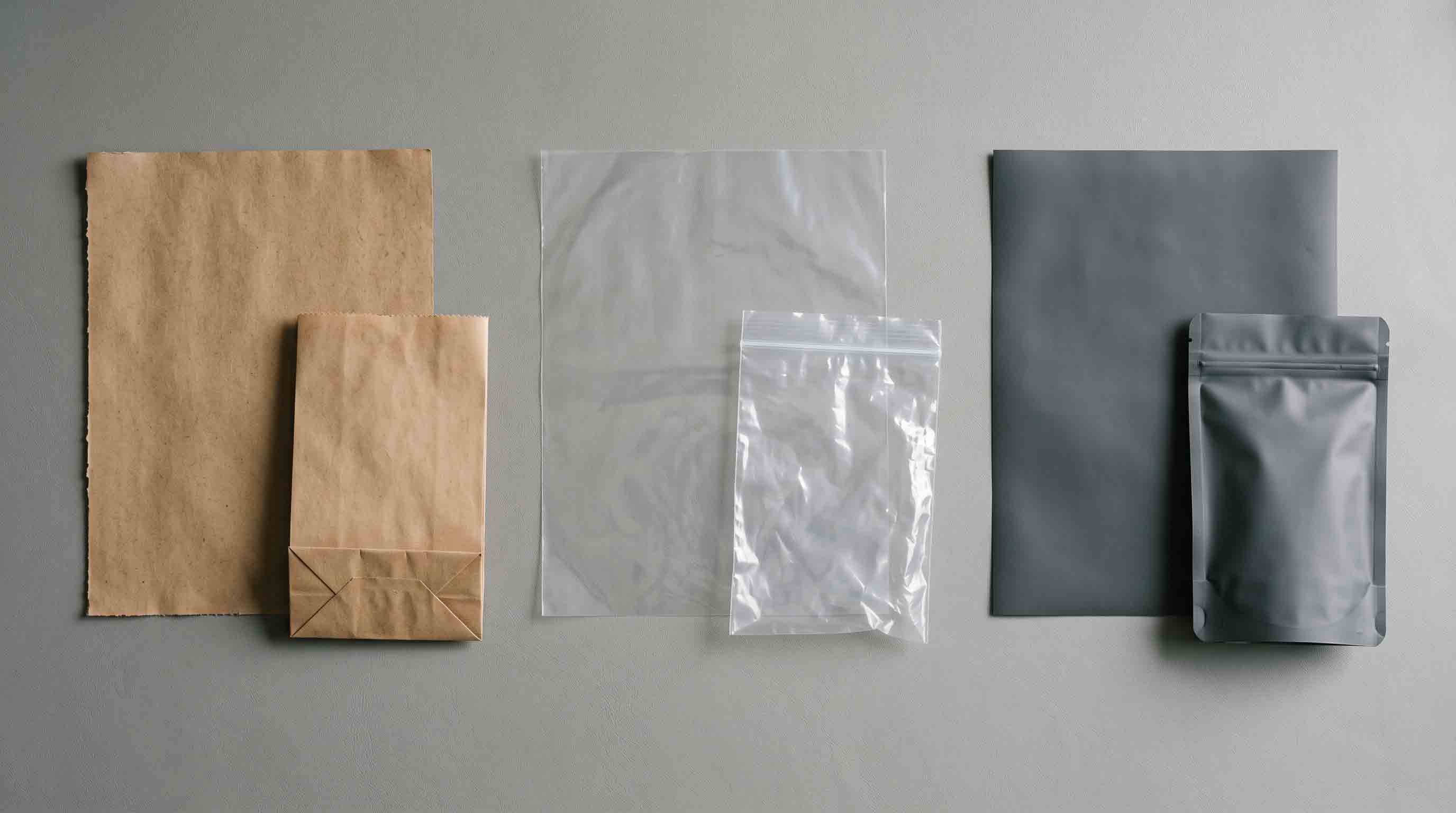
That approach avoids treating a bag as a universal answer. A clear plastic bag might be useful as a simple handling reference. A paper-based look might fit a brand direction. An opaque flexible pouch might be selected for its presentation, print area, and available construction options. None of those visual choices replaces the need to define the complete finished-pack project.
Start the supplier conversation with five practical inputs
Before requesting samples or a quote, collect the details below. They let the supplier discuss real alternatives rather than sending a generic bag recommendation.
The table is deliberately project-focused rather than product-promotional. It does not tell a buyer that one material, zipper, or visual direction is right for every cannabis product. It gives the team a shared starting point for comparison.
A paper bag, a simple plastic bag, and a custom pouch are different starting points
Paper, clear plastic, and flexible pouches are sometimes discussed as if they are interchangeable choices on a single shelf. In practice, they raise different questions.
A plain paper format may support a natural-looking visual direction or serve a simple secondary-handling role. A clear plastic bag may be familiar for temporary handling or basic visibility. A custom flexible pouch can bring together a defined format, printed panels, optional opacity or windows, closure choices, and a production specification. The point is not to declare one universally better. The point is to choose a direction that fits the finished product and the intended retail presentation.
For example, a brand that wants a clean visual field for artwork may prefer a larger uninterrupted front panel. A buyer that wants part of the package contents to be visible may explore a window area. Another team may decide a fully opaque front is more suitable for its own label, artwork, and market review process. Those are presentation and project decisions, not blanket performance promises.
The phrase “after drying” should therefore lead to a packaging handoff question: what does the finished product need from the package once it is ready to be packed? That is a far more useful question than trying to turn a generic paper or plastic bag into a substitute for a complete pouch specification.
Choose the pouch format before selecting decorative details
The pouch format determines more than the silhouette. It affects the usable fill area, how the pack sits in a retail context, where artwork can be placed, and what the filling operation needs to handle. Begin with the format and approximate fill. Then discuss materials, finishes, windows, and closure details.
Three common starting directions are a slim flat or three-side-seal pouch, a stand-up pouch, and a flat-bottom format. A small flat format can be relevant where a compact pack is the priority. A stand-up pouch can provide a different base and panel relationship. A flat-bottom format can create another presentation footprint. The final selection must be reviewed against the product, fill, artwork, and process—not picked from a generic “best bag” list.
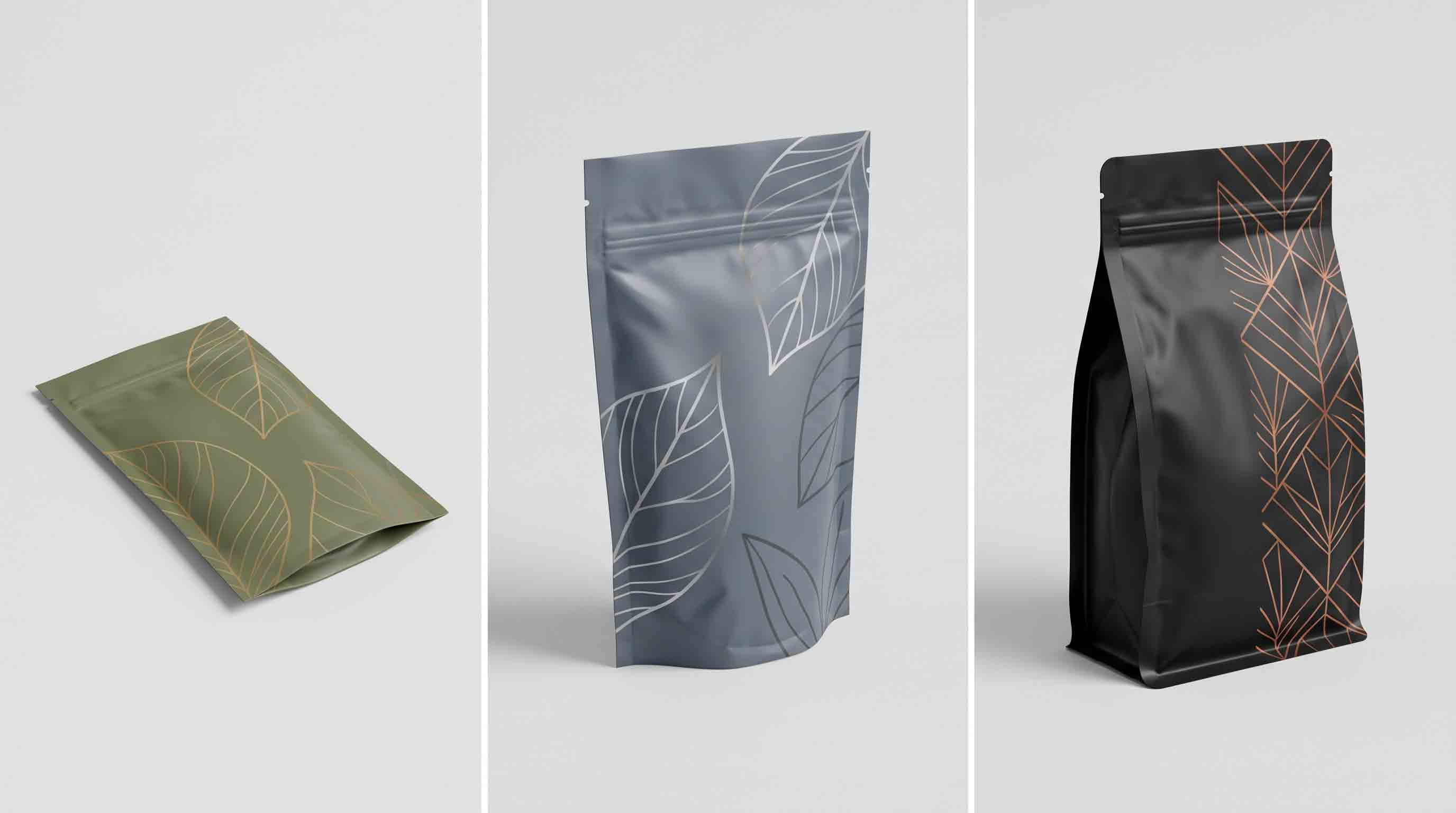
Use a format comparison to ask better questions
- Compact flat or three-side-seal direction: What is the approximate fill, and which panel needs to carry the main visual information? Do not assume that a small pouch automatically fits every product or packing method.
- Stand-up direction: Does the desired retail presentation need a bottom-gusset format, and what panel space is required? Do not assume every stand-up format will suit the buyer’s filling operation.
- Flat-bottom direction: Does the project need a wider presentation footprint or additional panel planning? Do not assume visual volume alone determines the right structure.
This is also where brand teams can plan SKU systems. A single pouch structure may be adapted across several product variants while each SKU uses a distinct artwork direction. Conversely, several pouch formats may be needed if the product line has genuinely different fills or presentation needs. A supplier can help compare these directions, but the project brief should state what the brand is actually trying to launch.
For a deeper format-and-material planning discussion, see the cannabis packaging materials guide and the first custom pouch order guide.
Turn material, window, and closure choices into one specification
Material, printed finish, clear-window area, resealable closure, and final top-seal planning should be discussed as a system. Treating them as isolated add-ons can create confusion later. For instance, the chosen pouch format affects the available panel area. The artwork affects where a window could be positioned. The filling process affects how the team intends to close and finish the package. The finished package must also be reviewed against the buyer’s market-specific requirements.
This does not require the buyer to arrive with a complete technical drawing. It means each option should have a reason. If a window is requested, explain what the buyer wants the window to do visually. If an opaque front is preferred, explain which artwork or label content needs the panel. If a zipper is requested, explain the intended consumer-use and packing workflow. If a top heat seal is part of the plan, explain how the pouch will be filled and completed.

Opaque panels and clear windows solve different presentation questions
An opaque front panel gives the brand a consistent visual field. It can be useful where the artwork, product name, and market-specific information need clear placement. A window adds a different visual relationship between the pack and the product. It should be treated as a deliberate layout decision, not a default decorative feature.
The choice may change the artwork layout, the size of the visible area, and the way the brand reviews a sample. A window that looks attractive in an isolated mockup may not work in the intended front-panel composition. An opaque area that works well for one SKU may need to be adjusted for another. These are exactly the kinds of questions a physical sample can help a team discuss before production.
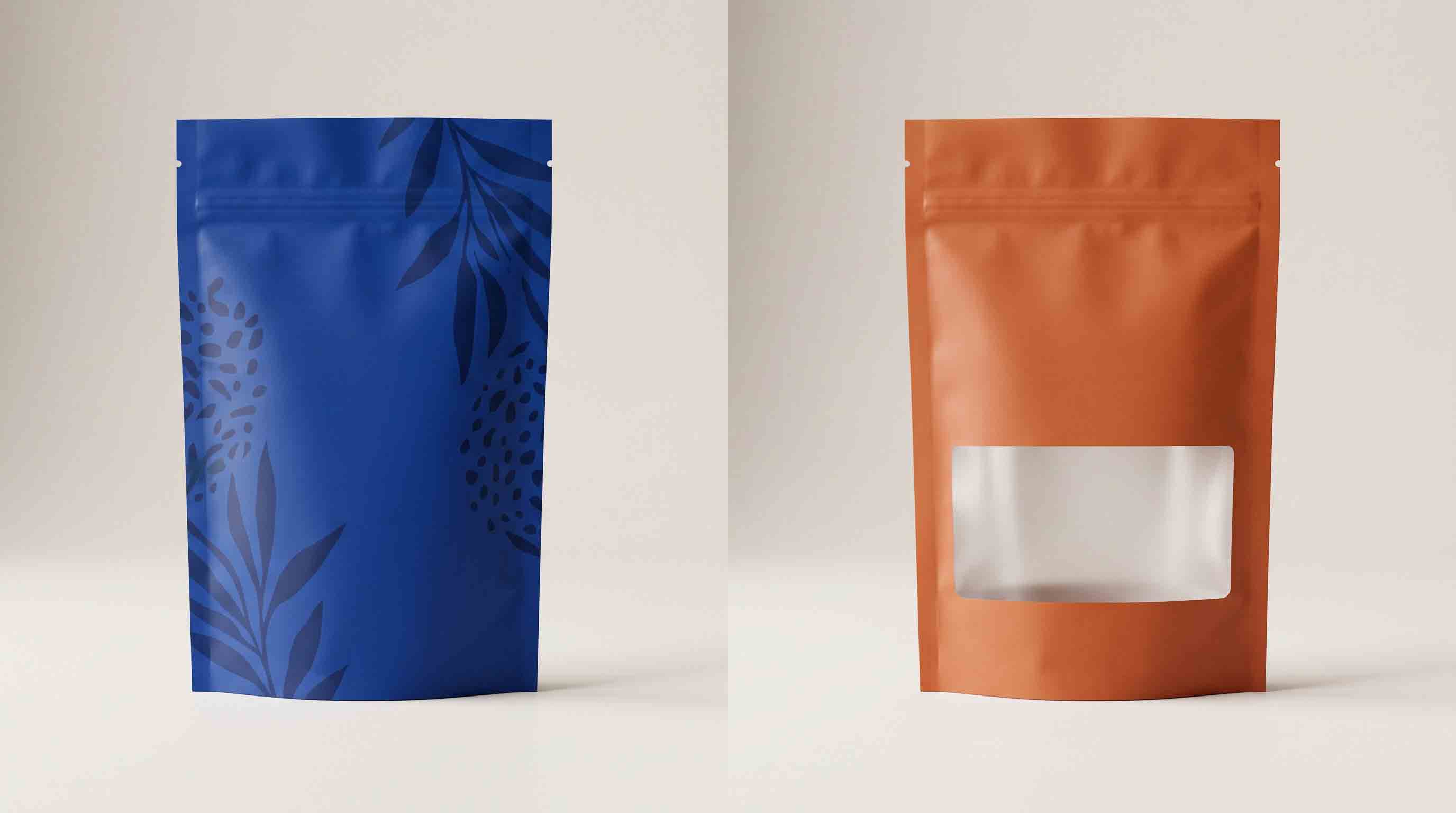
A zipper is a closure feature—not the entire package specification
A resealable zipper can be part of a pouch direction, but it does not answer every packaging question on its own. It should be discussed together with the pouch format, the fill and closure sequence, the top-seal plan, the artwork placement, and the buyer’s intended market requirements.
For example, a buyer may want a resealable consumer-opening experience. Another project may require a different closure discussion. In either case, the team should avoid making a decision from a generic photo alone. Request a sample or review the specific construction before production. Discuss closure options and applicable market requirements before production rather than assuming that one zipper profile is automatically suitable for every project.
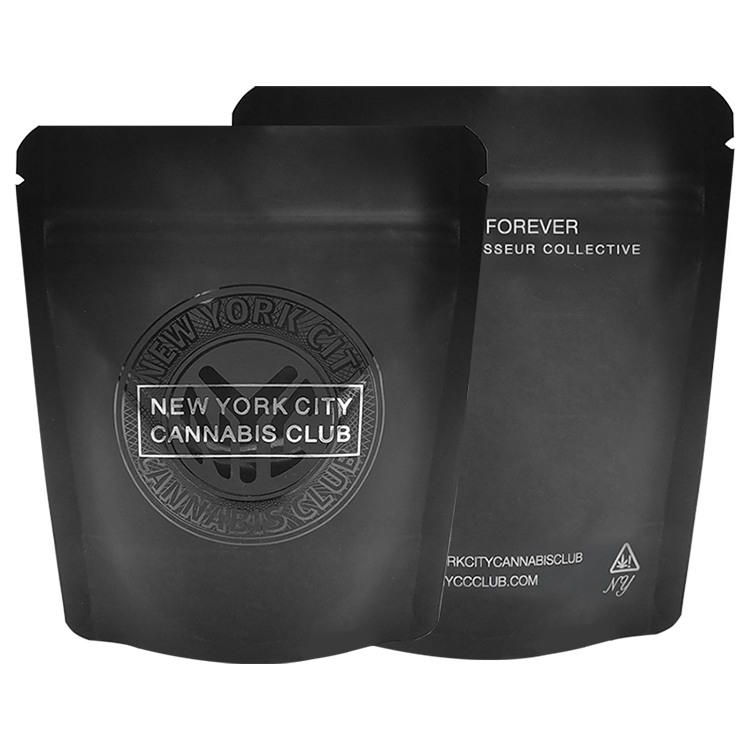
The published pouch above is used only as a visible configuration reference. It does not prove a particular closure performance, customer outcome, certification, market approval, or test result. A real case image can show a format, visible zipper, print direction, or pouch shape. It cannot replace a project-specific discussion of what the finished package needs to do.
For a separate B2B discussion of finished-package closure and quality checks, read How to Seal Mylar Weed Bags.
From a packaging brief to production preparation
Once a buyer and supplier have agreed on the project direction, the work becomes more concrete. The packaging brief can be turned into artwork preparation, sample review, and production planning. The buyer does not need to know every converting detail, but it helps to keep the project inputs consistent: format, approximate fill, dimensions, material direction, finish, window decision, closure direction, artwork status, market, and delivery destination.
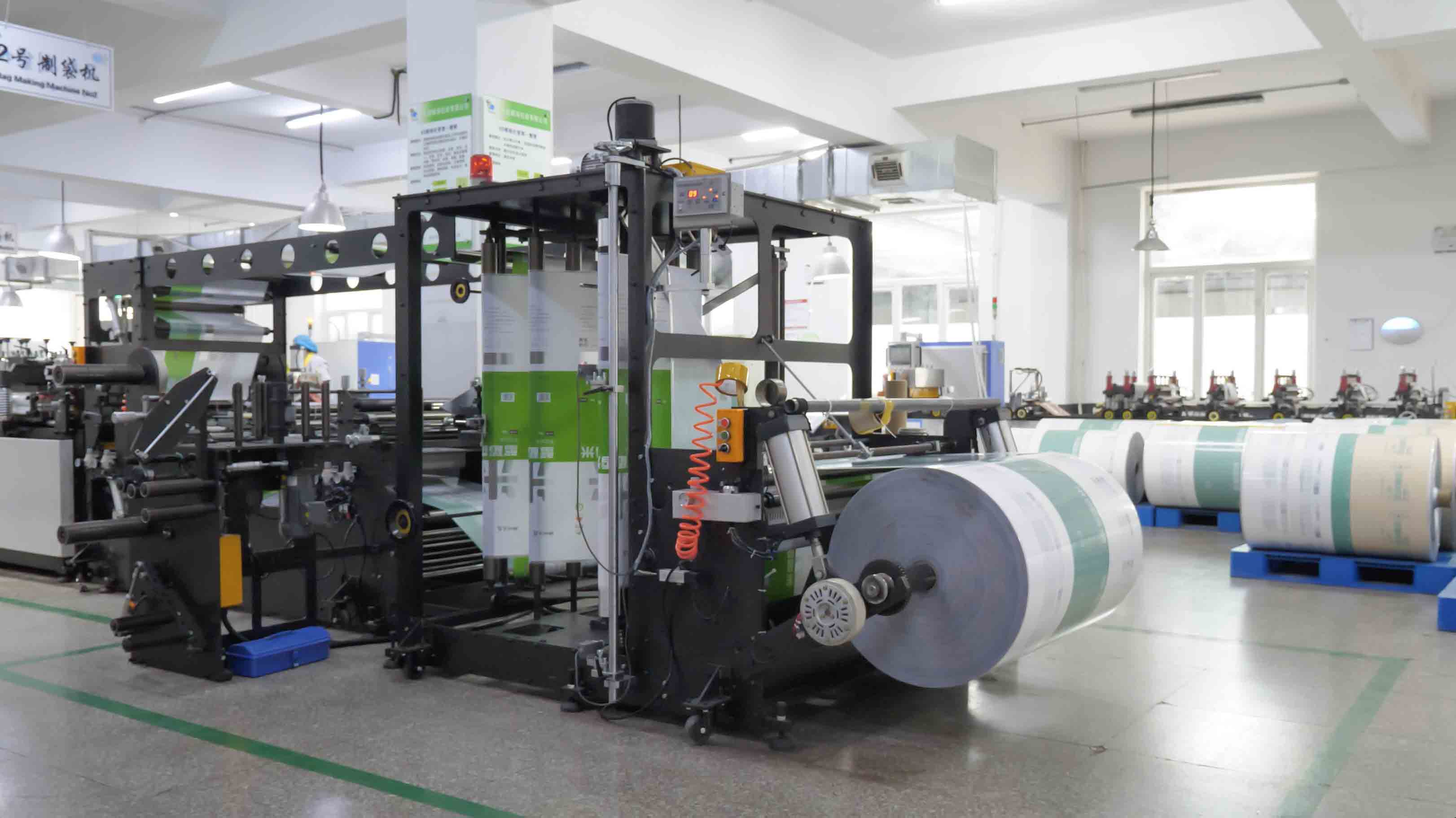
A flexible-packaging production environment uses material webs and converting steps to create finished pouch formats. That production context is why a clear written brief is more useful than a vague request for “custom cannabis bags.” The more consistently a team describes the pack it wants to make, the easier it is to review a relevant sample and prepare a project-specific quotation.
What a useful packaging brief can include
The brief is not a contract and it does not need to lock every choice prematurely. It gives the buyer and supplier a practical record of open questions, sample requirements, and next decisions.
Keep product readiness, package validation, and market review as separate decisions
One reason generic advice creates confusion is that it tries to answer several different questions with one bag recommendation. A brand may be discussing the condition in which its product is ready for packing, the construction of the finished pouch, and the requirements of its intended market at the same time. Those decisions connect, but they are not the same decision.
Product readiness belongs to the brand’s own handling process. Packaging construction belongs to the pouch specification: format, dimensions, material direction, print, panels, window choice, closure, and final pack sequence. Market review belongs to the buyer’s applicable requirements and internal approval process. A supplier can discuss packaging options and provide a sample direction, but the buyer should not ask a product photo or a generic online claim to settle all three subjects.
This separation leads to more useful questions. Instead of asking whether a certain pouch “works,” ask what the pouch must be reviewed against. Does the format give the intended front-panel space? Is the approximate fill still compatible with the selected pouch direction? Does the closure plan match the team’s filling sequence? Is there enough room for the information the buyer expects to place on the pack? Which open market questions need to be confirmed before a production brief is approved?
It also helps a brand avoid overreading a visible feature. A clear window is a presentation option, not a universal package recommendation. A resealable zipper is a closure feature, not a complete final-pack plan. A real customer-case photo can show a pouch configuration, but it cannot establish a performance result or market approval for a different project. Treat each visible element as a prompt for a project-specific discussion.
This is especially important when several teams participate in the decision. Marketing may select a visual direction, operations may need a workable filling and closure sequence, and procurement may need to collect approximate quantities, timing questions, samples, and delivery details. Keeping their inputs distinct makes the final brief clearer without making the process unnecessarily complicated.
Use samples to compare the details that matter to your project
Samples are valuable because they turn an abstract discussion into physical review. A brand can compare format footprint, panel layout, finish direction, window placement, closure feel, and overall presentation before it finalizes the production brief. This is more useful than trying to settle every point from a product listing or a rendered mockup.
The sample stage can also help align internal teams. Marketing may focus on the panel layout and brand presentation. Operations may focus on the intended filling and final closure sequence. Procurement may need the project scope, approximate quantities, destination, and timing discussion. Bringing those inputs together early makes a supplier conversation more specific and helps the team identify what still needs confirmation.
Before approving a direction, the team can use a short review list: does the sample represent the intended format, does the artwork use the planned panel space, are the open closure questions documented, has the approximate fill been recorded, and has the target market been included in the project brief? A “yes” answer does not certify the package or guarantee a result. It simply tells the team that the next production discussion is based on the same set of inputs.
If you are preparing custom packaging for a cannabis-flower project, Custom Cannabis Packaging is the appropriate place to start a project-specific discussion. Include the product category, approximate fill, pouch direction, artwork status, closure questions, sample needs, target market, and delivery destination. You can also contact Mylarbag directly with the details already available.
Frequently asked questions
Can cannabis be cured or dried in a plastic bag?
This article does not provide drying or curing instructions. For a packaging project, a plastic bag should not be treated as a drying method. Once the product is ready to be packed, the useful question is how the finished package should be specified for the product, presentation, packing process, and intended market.
Can a brown paper bag be used for cannabis retail packaging?
A paper-based direction may be part of a packaging discussion, but a paper bag alone is not a complete custom pouch specification. The buyer still needs to discuss format, approximate fill, artwork, panel layout, closure direction, handling, and applicable market requirements.
Should a cannabis flower pouch have a clear window?
A clear window is a presentation choice. It can be explored when the brand wants a visible product area, while an opaque panel can provide a different artwork and information layout. Review both directions with the actual product, artwork, and sample rather than treating either one as a universal default.
Is a resealable zipper enough for a finished cannabis package?
No. A zipper is one closure feature. The complete package discussion should also cover pouch format, approximate fill, material direction, final closure sequence, artwork placement, sample review, and the buyer’s applicable market requirements.
What should a brand send when requesting a cannabis packaging quote?
Send the product category, approximate fill, target market, intended pouch format, artwork status, closure questions, sample or prototype needs, and delivery destination. If some details are not decided, state that clearly so the supplier can discuss suitable options.
Do we need to finalize every detail before requesting a sample?
No. A sample can help a brand compare format, panel layout, materials, window direction, and closure options before the final production brief is confirmed. The useful step is to identify which decisions are open and what the sample needs to help the team review.
Plan the finished package—not a generic bag
Cannabis flower packaging after drying is a B2B planning task. It begins when the product is ready to be packed and continues through format selection, material and panel decisions, closure planning, sample review, and a clear project brief.
The strongest inquiry is not “What bag should we buy?” It is “Here is our product, approximate fill, intended market, packaging direction, artwork status, and the decisions we need to review.” That gives the packaging conversation a practical starting point and lets the supplier respond with project-specific options instead of generic claims.
For help planning a custom pouch project, visit Custom Cannabis Packaging or send an inquiry.