Where to Find Cannabis Packaging for Your Brand
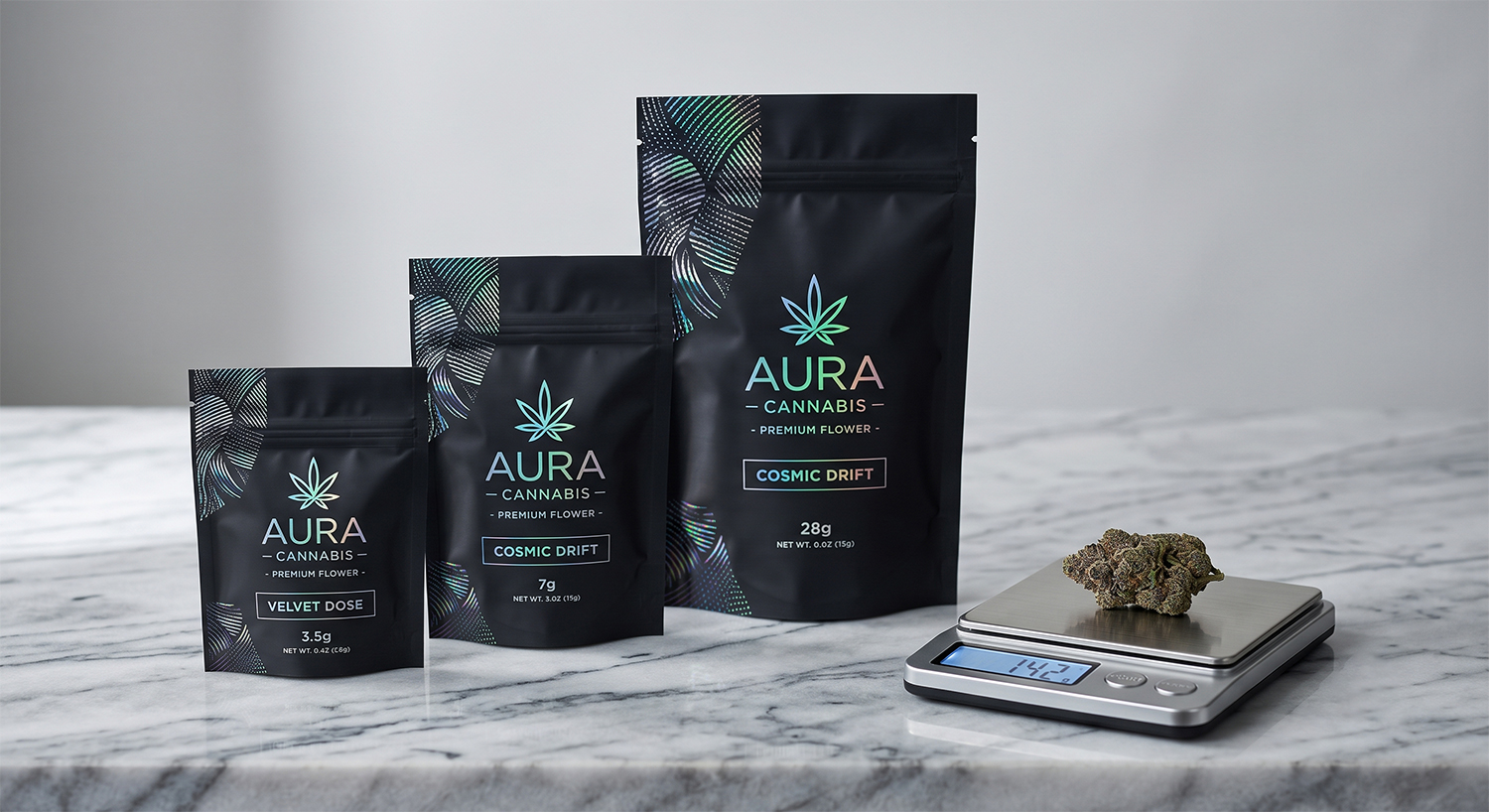
The best place to find cannabis packaging is not simply the first supplier page that appears in a search. For a brand, the useful source is the one that can discuss the actual product, pouch format, artwork, material direction, packing process, target market, and sample questions together. Start with a short project brief, compare the source types that fit that brief, and ask for evidence that is relevant to the work you are planning.
That approach matters because “cannabis packaging” can mean very different things. A buyer may need a readily available pouch for an early launch, a standard format with a small set of choices, or a custom project that needs a defined pouch, artwork, and production discussion. These are different buying paths. Treating them as one generic search can lead to an inquiry that sounds complete but leaves the key decisions unresolved.
This guide is for brand teams, buyers, and project managers sourcing flexible cannabis packaging for a legitimate commercial project. It explains how to compare sources and prepare a productive first conversation. It is not legal advice, a universal packaging specification, or a promise that one pouch will suit every product or market.
Start by defining what you are actually trying to source
Before searching for a supplier, define the decision you want help making. “We need cannabis bags” is a useful starting point, but it is not yet a sourcing brief. The same phrase could describe a small flat pouch, a larger stand-up pouch, a pouch with a resealable closure, a printed collection with several SKUs, or a project still deciding how the product will be filled and presented.
Begin with what is known, and label the rest as open questions. A practical first brief can include the product category, approximate fill, target market, preferred format if known, visual direction, number of versions, desired closure experience, packing method, and questions that must be answered before a sample or quote discussion. You do not need to manufacture a perfect specification before contacting a supplier. You do need to make the current assumptions visible.
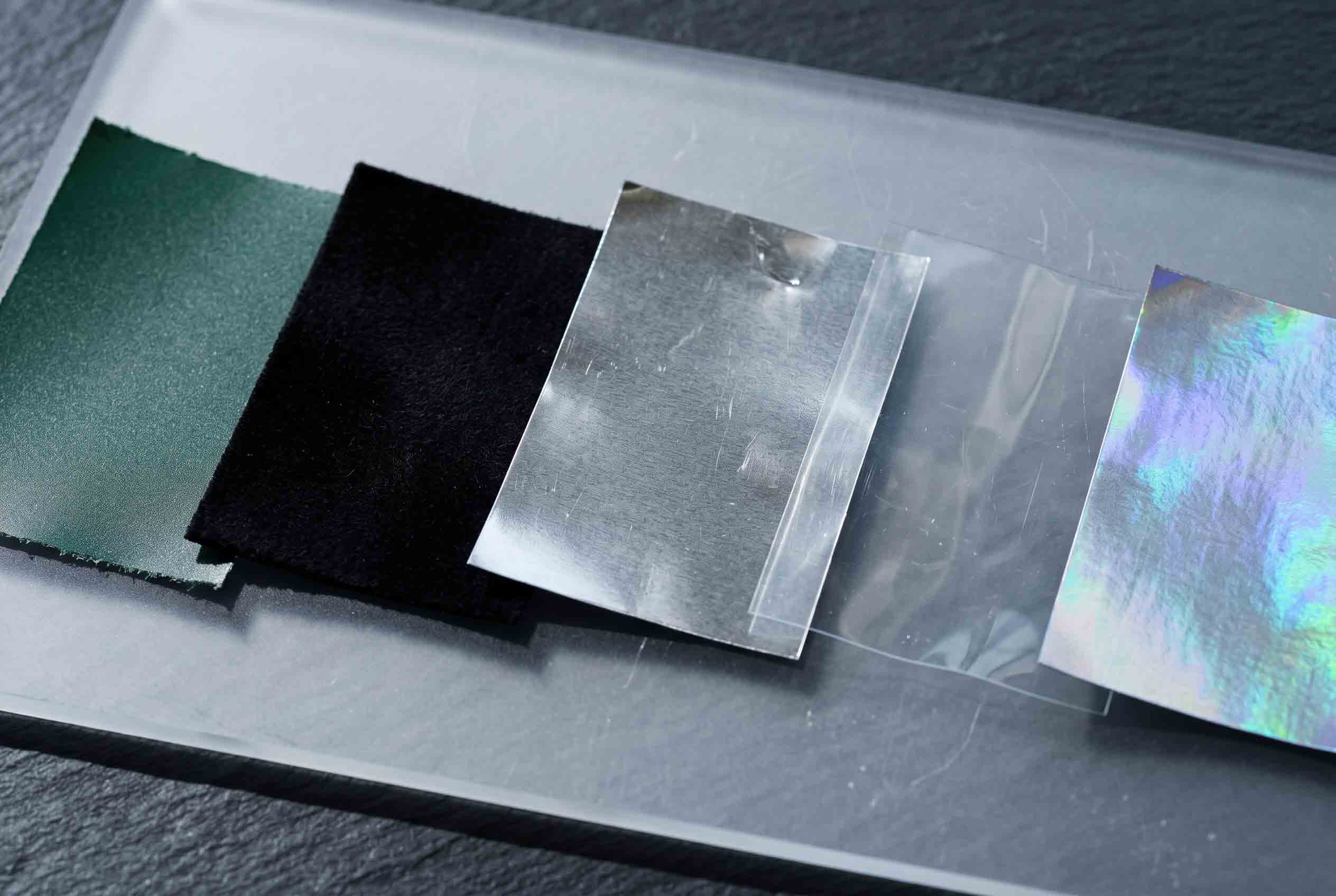
The early material conversation should also be specific enough to avoid vague labels such as “premium” or “high barrier” becoming a substitute for a real requirement. A buyer can describe the desired surface, opacity or window direction, stiffness, tactile feel, printing approach, and how the pouch is expected to move through packing. A supplier can then explain what information is still needed before a project-specific pouch direction can be evaluated.
This is also the point to separate an internal wish list from an actual requirement. A clear-window idea, matte finish, zipper, hang hole, or particular visual effect may be important to the brand. But each should be described as a proposed direction until it has been reviewed against the chosen format, material, artwork, process, and market context.
Know the three main packaging-source paths
Buyers usually encounter three broad paths: stock packaging, standard-format sourcing, and custom packaging development. None is automatically the “best” path. The right one depends on the project's stage and the information the team already has.
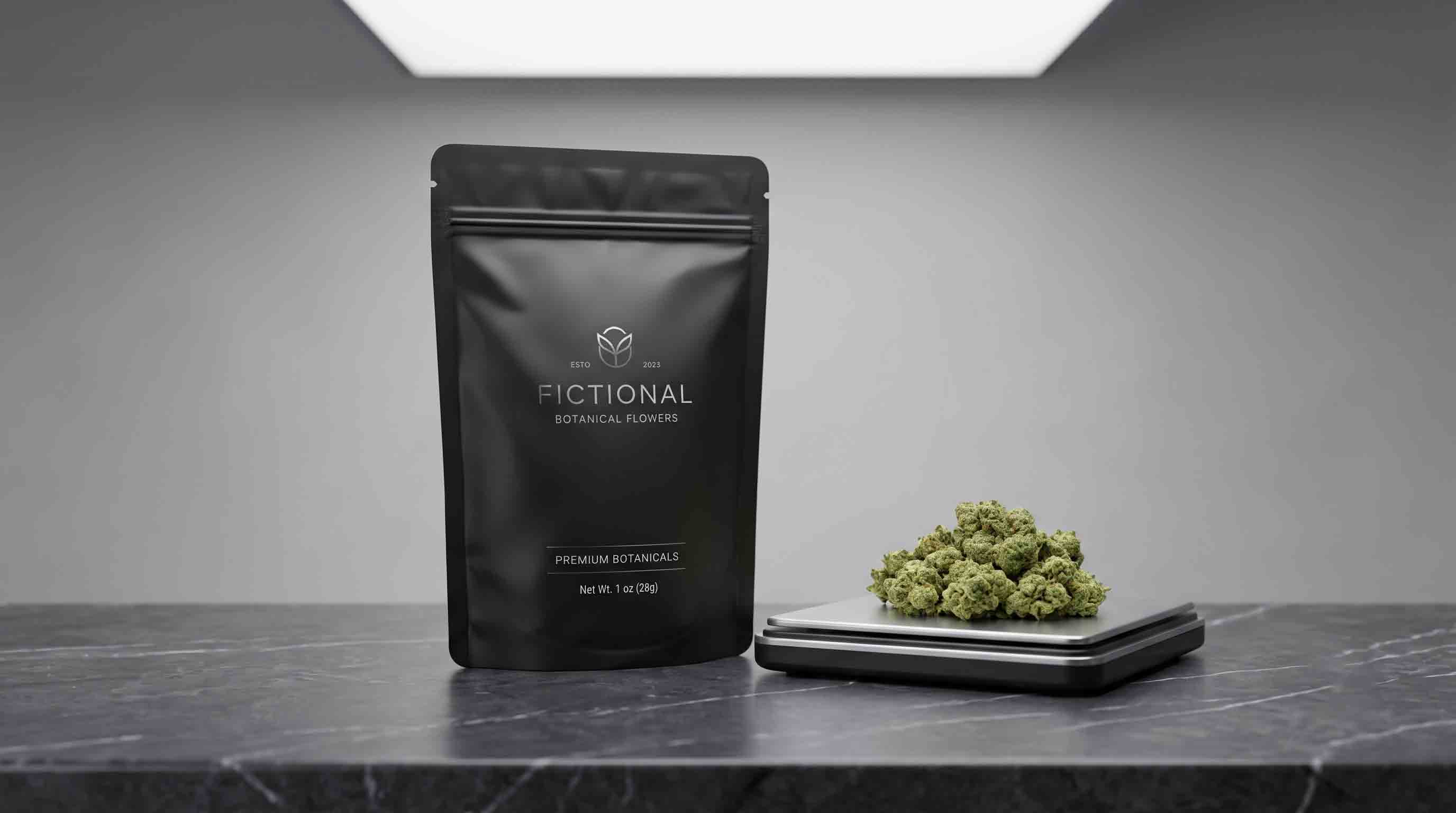
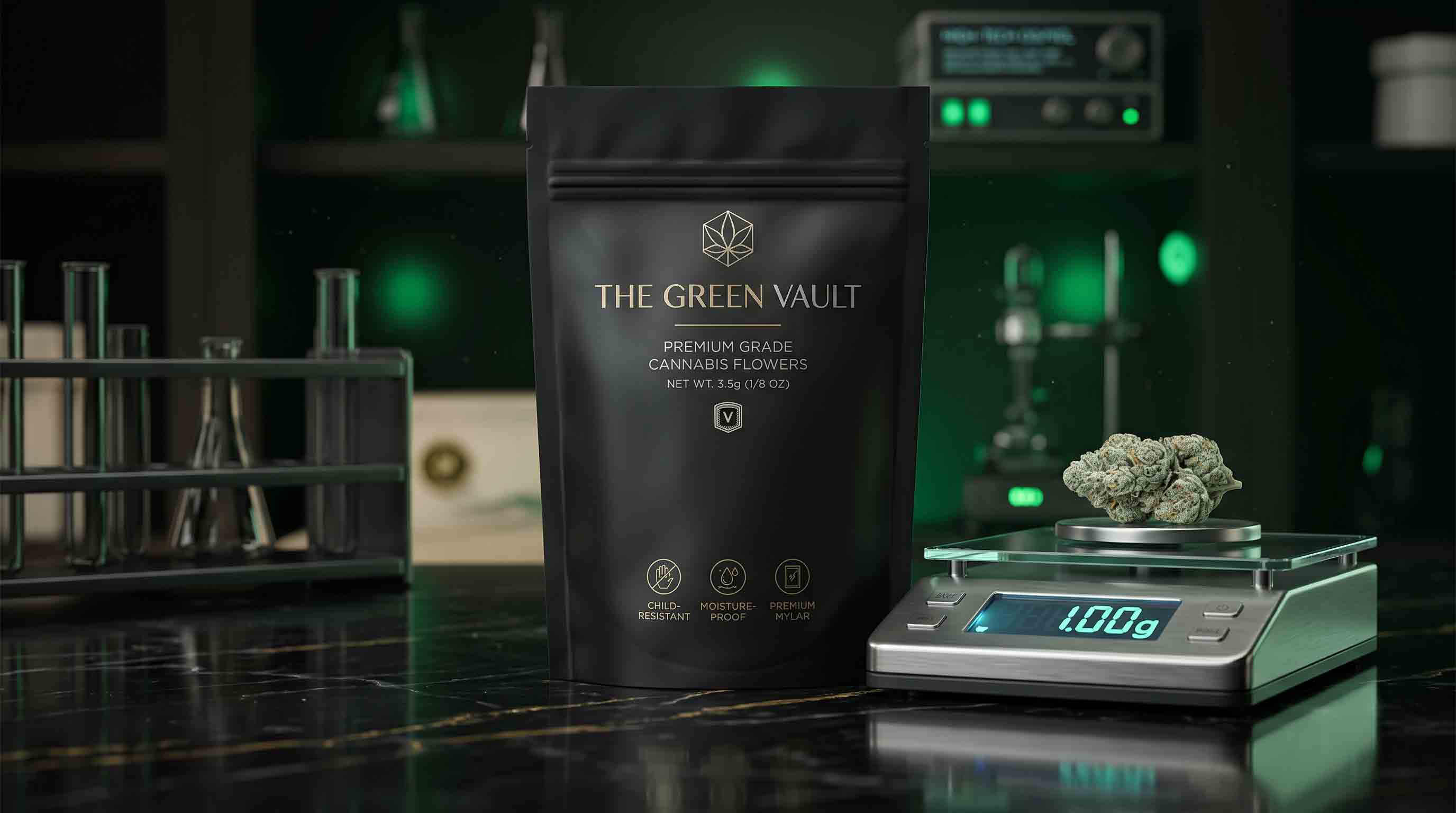
Stock packaging can be relevant when a team needs to evaluate a familiar pouch style without beginning a full custom discussion. It may be useful for early operational trials, internal presentation work, or a project that has intentionally chosen a plain, available format. The buyer still needs to confirm the actual size, closure, material direction, and suitability for the intended process rather than assuming a product photo answers those questions.
Standard-format sourcing sits between a purely off-the-shelf option and a fully custom project. A supplier or distributor may offer a defined set of pouch formats, sizes, finishes, and features. This can simplify the initial comparison, but the defined choices still need to be read closely. A standard format does not make a market-specific labeling plan, a filling method, or a project-specific sample discussion unnecessary.
Custom packaging development is appropriate when the brand needs a particular pouch format, coordinated printed artwork, a defined material or finish direction, a collection of SKU variations, or a production discussion tied to the actual product. It requires more shared information because the source is not simply locating a bag; it is evaluating a packaging project.
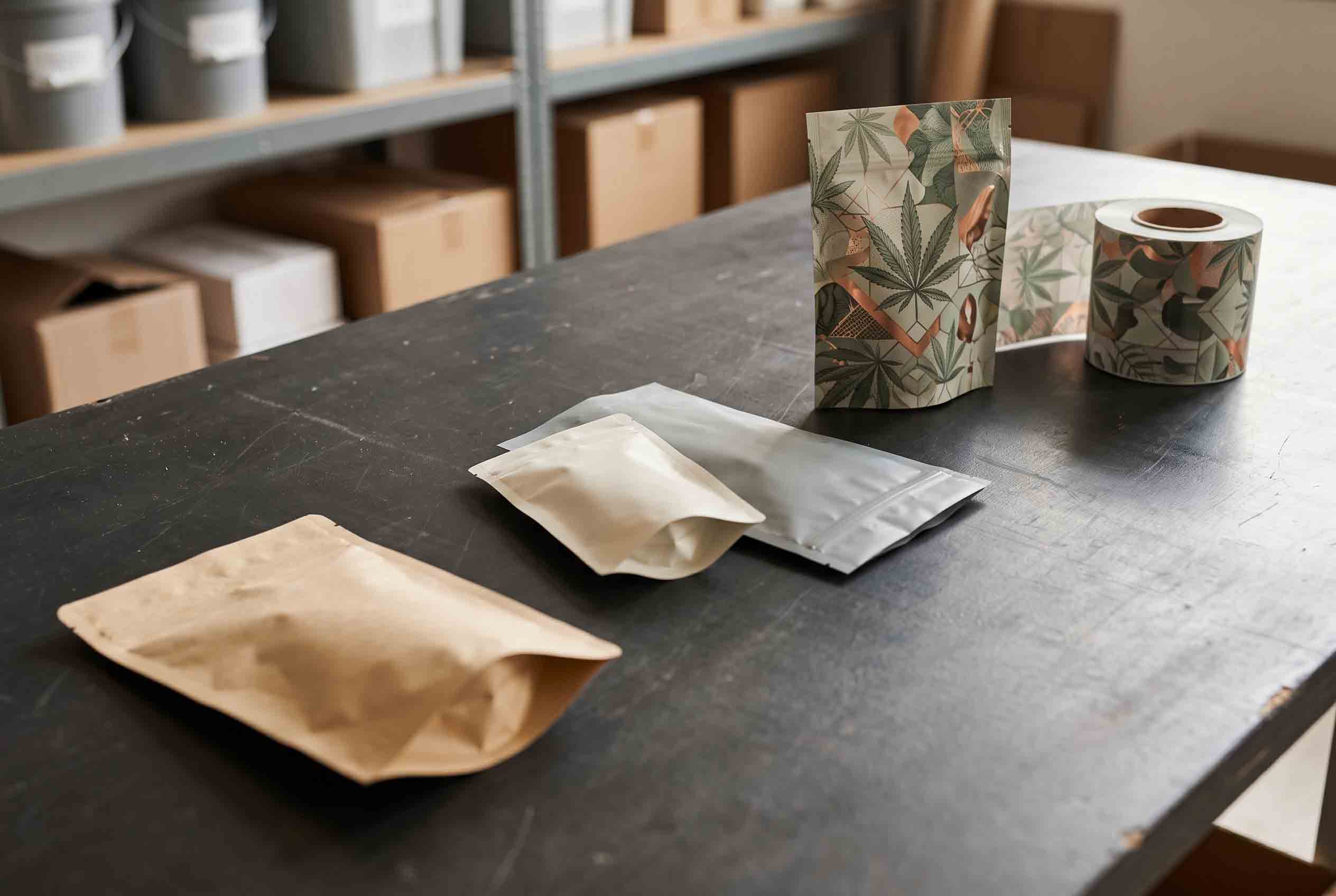
Search results alone rarely tell you which path is appropriate. A supplier may use the word “custom” broadly, while a buyer may use it to mean printed artwork, a different pouch size, a special material direction, or a new format. Ask the supplier to state what is included in the proposed discussion and which decisions remain open.
Search for fit, not just a large catalog
A long catalog can be useful, but it is not the same as a suitable sourcing partner. A catalog shows what can be displayed. A productive buyer–supplier conversation shows whether the supplier understands the specific project well enough to ask the next relevant question.
When comparing sources, look for evidence that the supplier can move from a general request to a defined packaging brief. That may include clear format information, material discussion, print or artwork preparation guidance, sample review steps, and a contact path where the buyer can share actual project details. Do not expect a public webpage to resolve every technical issue. Do expect it to make the next conversation more concrete.
For a custom project, a supplier's production context can also be relevant. It should not be used as a shortcut to assume quality, performance, or market approval. Instead, it can help a buyer ask better questions about whether the proposed artwork, materials, and project scope can be discussed in the same workflow.

For example, if printed artwork is central to the project, ask how artwork files, color direction, pouch format, and sample questions will be reviewed together. If the project includes several SKUs, ask whether the supplier needs a list of formats, sizes, artwork versions, or finishing directions before discussing the next step. If the product will be packed in a particular way, state what is known rather than waiting until an order is already assumed.
The goal is not to audit a supplier from a distance. It is to find out whether the source can help convert your initial brief into a decision-ready packaging plan. A useful response will often clarify what the supplier can review now and what must be confirmed after a pouch format, sample, or market requirement is known.
Ask for evidence that matches your actual decision
“Can you make this?” is often too broad to produce a useful answer. A better question is: “What information do you need to assess this pouch direction, and what evidence can you share for the part of the project we are evaluating?”
Evidence should be matched to the question. A visual sample can help a team discuss pouch proportion, surface direction, or artwork placement. A material discussion can help clarify what is being evaluated. A template can help guide panel allocation and safe areas for artwork. A quality-control or process image can provide context for a conversation about the supplier's workflow. None of those items, on its own, proves that a final pouch has been tested, approved, or accepted for every market.
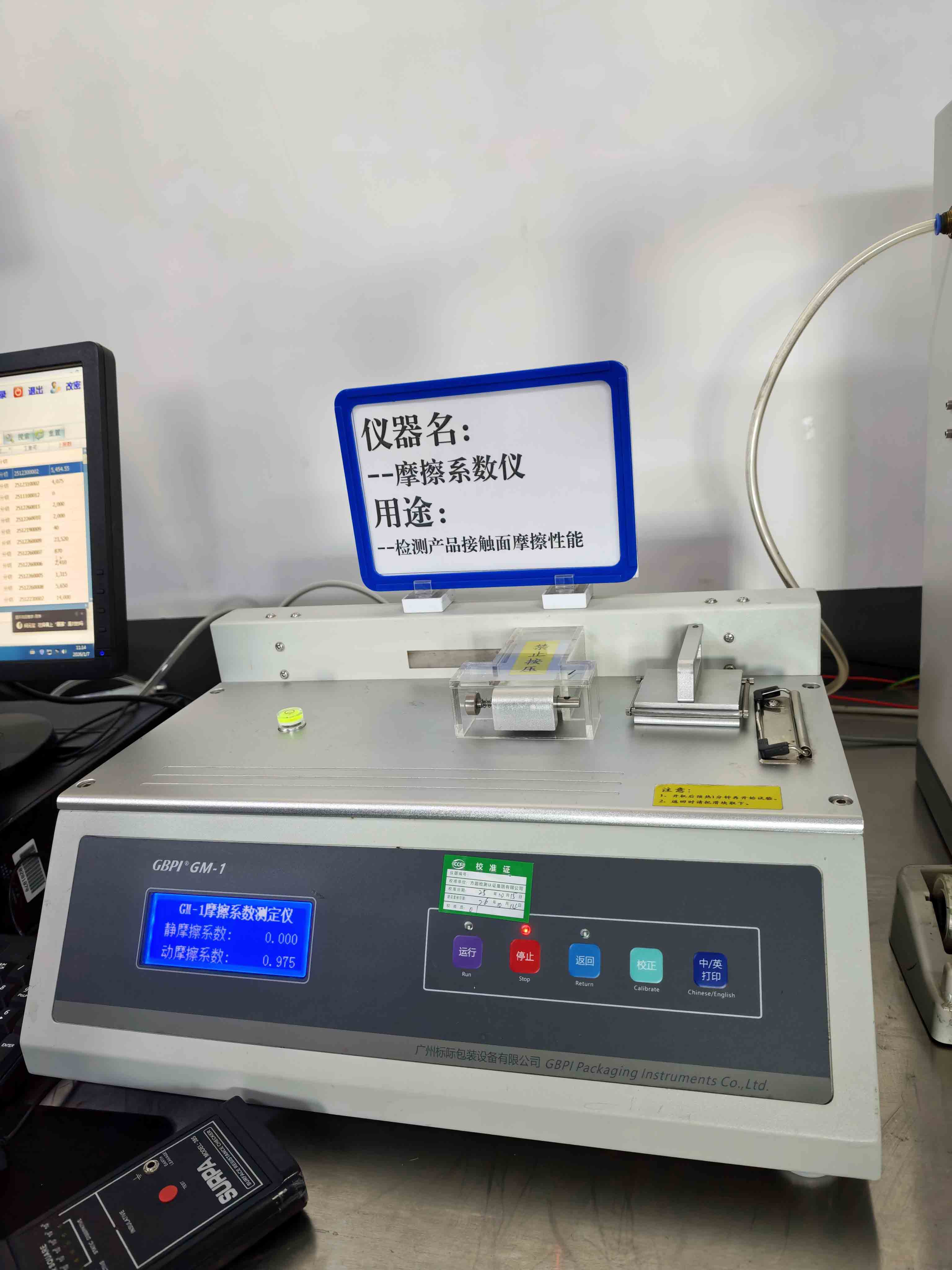
This distinction protects both sides. Buyers avoid treating broad claims as project conclusions. Suppliers avoid pretending that an early image, generic test reference, or catalog description resolves a question that really depends on the product, process, and target market.
If a market has packaging, labeling, or other rules, keep that review separate from the supplier's general sourcing discussion. Identify who is responsible for the final market-specific content and which information areas must remain adaptable. A source can help you plan a pouch conversation, but it should not be asked to turn a generic mockup into a universal compliance statement.
Use samples to reduce uncertainty, not to skip the brief
Samples are most useful when the team knows what it is trying to learn. Sending “please send samples” without a stated purpose can create a box of pouches that looks interesting but does not help anyone choose among them.
Before requesting samples, write down the questions the sample needs to answer. Are you comparing stand-up and flat pouch proportions? Is the main concern the visual scale of a printed panel? Do you need to see a clear window, resealable closure, material surface, or a set of SKU color directions? Does the team need to understand how a pouch might fit into its planned packing flow? A sample request becomes much more valuable when each item is linked to a decision.
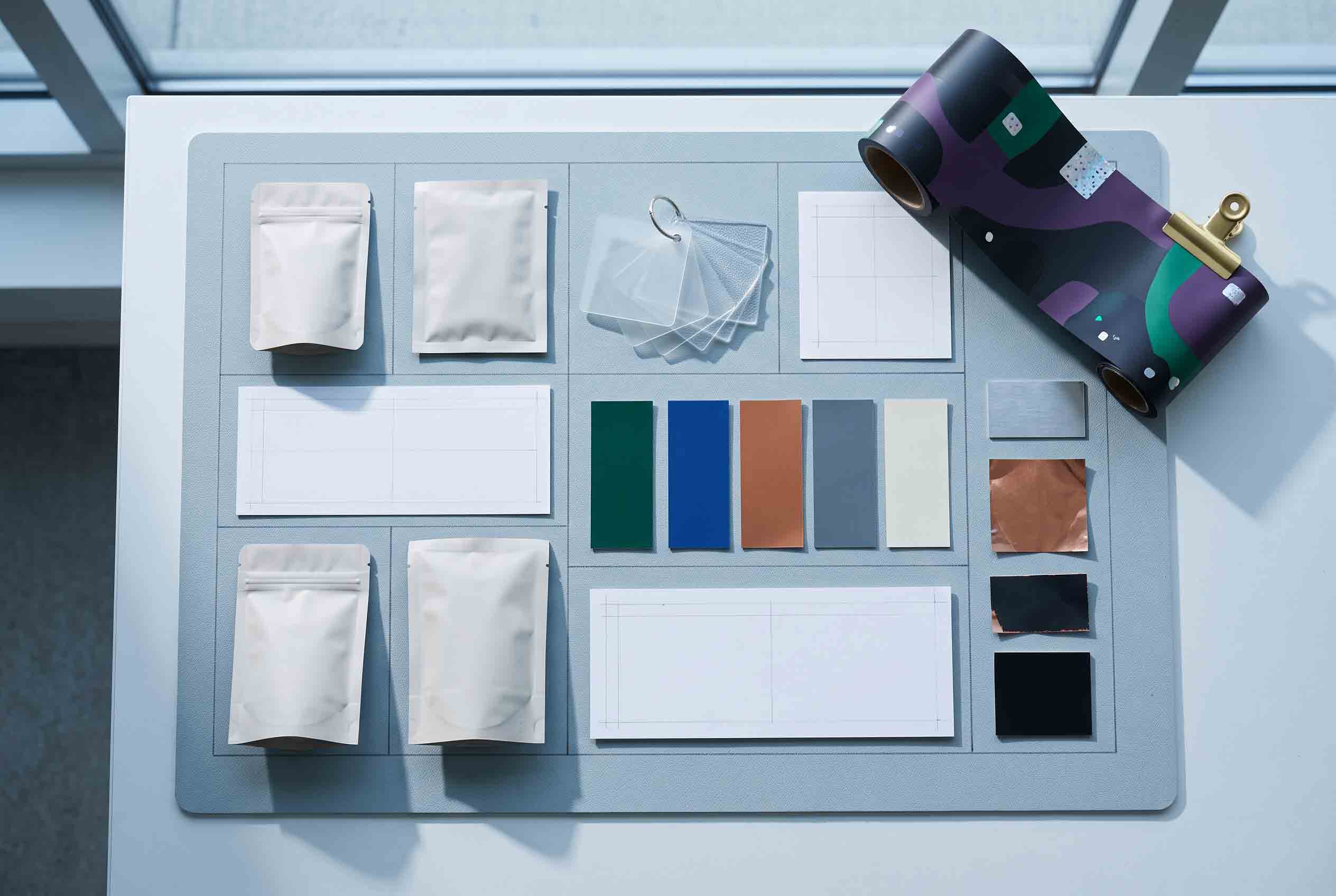
A productive sample review also records what has changed. If the team starts with a stand-up pouch but later decides that a flat pouch better fits the product, update the brief. If a visual direction needs an alternate material or a larger information panel, state that clearly. Do not expect a supplier to infer a change from a new attachment or a revised moodboard.
Use a simple handoff sequence:
- State the product category and approximate fill.
- Identify the pouch formats or sample directions to compare.
- Share available artwork, visual references, or a short description of the intended look.
- Explain what the team wants to learn from the sample or discussion.
- Identify the target market and the party responsible for market-specific information.
- Describe what is known about filling, sealing, and secondary packing.
- List the questions that must be resolved before a custom quote or production conversation.
This kind of handoff does not make the project slow. It reduces the number of unrelated assumptions that can accumulate between the buyer, designer, packer, and supplier.
Prepare a quote request that a supplier can act on
A quote request should not force a buyer to pretend that every detail is final. It should give the supplier enough context to explain which choices need to be made before a project-specific quotation can be meaningful.
Start with the format, approximate size or fill, artwork status, number of versions, material or finish direction, closure idea, target market, and packing process. If the buyer does not know one of these details, say so. “We are deciding between two pouch formats” is more useful than silently choosing one just to complete a form.
For a brand that is planning custom development, this is the point where a custom cannabis packaging conversation becomes useful. Rather than selecting a pouch by a single product image, the brand can discuss the proposed product, visual direction, format, material, closure, and sample questions as one project. That makes the recommendation conditional on the actual use case rather than presenting one generic bag as the answer for everyone.
The same principle applies to ordering scope. Artwork count, number of SKUs, pouch formats, material choices, and sample questions can all affect the way a project is discussed. Our custom cannabis packaging MOQ guide explains why those inputs should be considered together before a first custom order is treated as a fixed list.
In a first inquiry, a buyer can say that the approximate fill is still being finalized, that two pouch formats are under review, or that artwork is still in development. It is also useful to state the expected number of variants, the material or finish direction to evaluate, known packing details, the target market, and which party will confirm market-specific content. This gives the supplier an honest brief without making the buyer commit to assumptions that may change.
Recommended packaging direction for an early custom project
For a cannabis brand that needs printed packaging rather than a generic stock pouch, a good starting recommendation is usually not one fixed bag. It is a project-specific discussion around a stand-up pouch or flat pouch direction, the intended product fill, printed artwork, a material and finish preference, visible features such as a resealable closure or window where relevant, and the planned packing process.
This approach is useful because it lets the buyer compare options without claiming that a single construction, surface, or closure is automatically right for every product. A pouch may be specified only after the brand and supplier have reviewed the actual product, pack format, artwork status, target market, and open validation questions.
If your team is still defining the visual system, pair this sourcing conversation with our cannabis packaging design guide. It explains how artwork panels, pouch geometry, finishes, and supplier templates should be discussed before an attractive flat mockup is treated as a finished pouch file. When the finished-pouch discussion reaches sealing and closure questions, the separate heat-seal and packaging QA guide can help keep those decisions distinct from the artwork and sourcing discussion.

When you are ready to contact a supplier, send the product category, approximate fill, market, proposed pouch formats, artwork or visual reference, number of designs, material or finish ideas, closure direction, known packing details, and the questions you want a sample or quote discussion to answer. Discuss a custom cannabis packaging project when you want to turn those inputs into a project-specific packaging conversation.
Frequently asked questions
Where should I start when looking for cannabis packaging?
Start with a brief that states the product, approximate fill, target market, preferred pouch direction, artwork status, number of versions, and any known packing questions. Then compare stock, standard-format, and custom-development sources according to the decision you need to make.
Should I buy stock pouches or ask for custom cannabis packaging?
Stock pouches can be relevant for a clearly defined, available format. Custom development is more appropriate when you need a specific format, printed artwork, material or finish direction, several SKU versions, or a project discussion tied to the actual product and packing process.
What should I ask a packaging supplier before requesting a quote?
Ask what project inputs are needed to evaluate the format, materials, artwork, sample direction, and packing process. Share the product category, approximate fill, target market, pouch options, artwork status, number of variants, and the questions your team needs answered.
How can I compare cannabis packaging suppliers?
Compare whether each supplier can discuss your actual project, not only whether it has a large catalog. Look for clear format information, a material and artwork review process, a relevant sample discussion, and evidence that matches the questions you need to resolve.
Do machinery or quality-control photos prove that a pouch is right for my product?
No. They can provide useful context for a supplier discussion, but they do not by themselves establish product fit, final performance, market acceptance, or a completed validation result. Those questions depend on the specific project and its evidence.
What information should I send with my first cannabis packaging inquiry?
Send the product category, approximate fill, target market, preferred pouch formats, artwork or visual direction, number of SKUs, material or finish ideas, closure preference, known packing details, and the questions that should be addressed through samples or a quote discussion.