
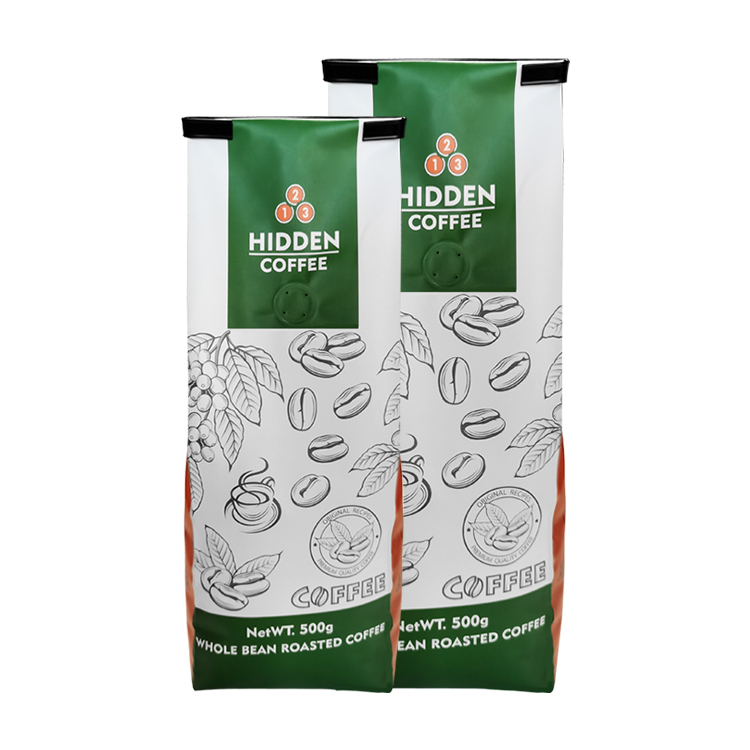
Wholesale coffee packaging is not one bag type or one standard size. A retail-ready pouch, a café supply pack, and a bulk coffee project can all be called “wholesale,” yet they may need different fill targets, pouch formats, artwork panels, closures, carton planning, and handling instructions. Start with the sales and packing context, then build a pouch brief around the coffee actually being sold.
This guide helps roasters, distributors, and private-label teams prepare that brief. It does not promise a price, MOQ, delivery time, shelf life, material performance, or regulatory approval for any format.
First, Separate Retail Packaging From Wholesale Packaging
The terms often overlap. A roaster may sell 250g pouches through retail stockists, supply larger packs to cafés, and send branded coffee to a private-label customer. All are commercial coffee projects, but the package must support different product, display, and handling questions.
Retail packaging usually needs a clear consumer-facing front panel, product information, and a pouch that can be displayed as intended. A wholesale or café pack may place more emphasis on product identification, larger fills, repeat handling, and carton planning. A private-label project adds a separate question: whose artwork version, product information, and approval record belong to the final pouch?
Do not translate those differences into blanket rules. A café may use a retail-style flat-bottom pouch; a retail customer may buy a larger format. The purpose of this distinction is to make the project questions visible before a bag format is selected.
Start the Brief With the Sales Context
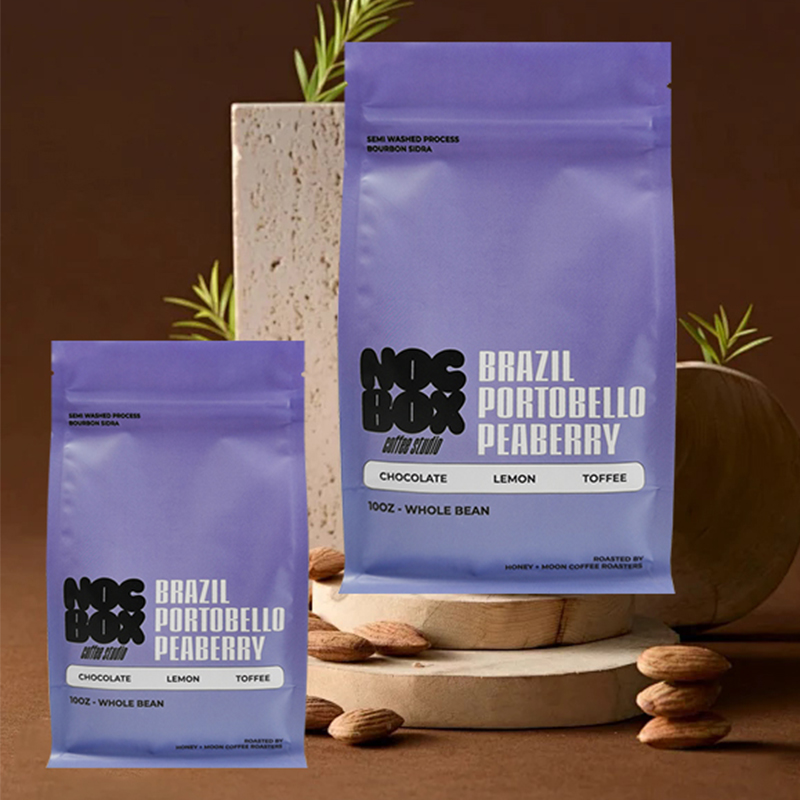
Before choosing a pouch, write down where and how the coffee will be handled. This does not require predicting sales results. It identifies the conditions the packaging discussion needs to account for.
This table is a conversation starter, not a sales-channel formula. It gives the supplier enough context to ask relevant pouch questions without inventing buyer preferences or customer outcomes.
Build a SKU Matrix Before Asking for One “Wholesale Bag”
Wholesale programmes often have more variation than the first enquiry suggests. The same roaster may sell a core blend, rotating single origins, decaf, ground coffee, and private-label products. A distributor may need different product information or artwork versions for more than one market. The answer is not necessarily a different pouch for every item. The answer is a clear matrix showing what stays the same and what changes.
The matrix can be as simple as a spreadsheet or a written list. Its purpose is not to create a paperwork burden. It helps a buyer explain whether one core pouch is being adapted across a range or whether several distinct projects are being considered. That difference changes how a supplier should review the enquiry.
The matrix is also a useful guard against accidental internal overlap. A company may use the same coffee in a retail pouch and a larger café pack, but those are not necessarily the same artwork or closure project. Conversely, several coffees may share one pouch format but need their own product information and SKU records. Marking the common and changing fields gives the team a more accurate basis for comparing samples, quotes, and artwork versions.
Ask Suppliers Questions That Match the Channel
Once the matrix exists, the enquiry can be concise and specific. For a retail pouch, ask how the proposed format, panel map, opening route, and current artwork will be reviewed. For a café or bulk pack, ask how the target fill, pouch reference, closure arrangement, and intended handling routine should be evaluated. For a private-label project, make clear who owns the artwork, who supplies the product information, and who approves the current version.
The same discipline helps with later logistics. Rather than requesting a vague promise that a wholesale bag is “shipping-ready,” identify the pouch and coffee first, then ask what carton, pallet, destination, or documentation questions need a separate review. This keeps packaging selection connected to the commercial programme without making it carry claims about delivery results.
Keep Retail and Wholesale Briefs Linked, Not Blended
A brand can reuse a visual system across retail and wholesale formats without treating the files as interchangeable. Keep a shared brand direction, then maintain a separate pouch reference, target fill, panel map, feature configuration, and artwork version for each format. That structure lets the programme feel coherent while giving each package its own review path.
It also protects the buyer from a misleading shortcut: a successful-looking retail mock-up is not evidence that a larger wholesale pouch has the same panels, closure routine, or packing requirements.
Each deserves its own written approval path.
Plan Product Information Before Artwork Is Locked
Retail and wholesale packs may need different amounts or locations of product information, but neither should rely on a last-minute empty corner. A pouch has front, back, side, bottom, seal, and feature areas. Product name, brand hierarchy, coffee description, market-specific information, barcode, code area, and preparation content all need a planned home in the artwork file.
Do not copy another brand’s wording or assume that the same information applies in every country. The brand remains responsible for reviewing its own product information and target-market requirements. The packaging supplier can help map the proposed content to the selected pouch, but a pouch photo cannot establish a legal labelling outcome.
This is a useful place to separate retail and wholesale needs. A café-supply pack may need a straightforward identification system that works in a working environment. A consumer retail pouch may require a different visual hierarchy and product-information arrangement. Both need to be mapped to the same physical pouch reference before the artwork is approved.
Allow the Programme to Change Without Losing the Original Brief
Coffee programmes change. A seasonal release may add an artwork variation. A wholesale customer may ask for another fill. A private-label partner may revise their copy. The packaging work becomes easier when each change is classified instead of being folded silently into the last version of the file.
Use three short labels:
- Confirmed: already part of the current pouch brief;
- Under review: a plausible choice that still needs a project decision;
- Future option: an idea that should not be quoted or approved as if it were final.
Those labels are particularly useful when packaging is ordered for several channels. They allow a brand to evaluate a retail pouch now without suggesting that the future bulk format has been approved, or to develop a private-label artwork version without overwriting the brand’s core file. A clear change record also makes later sample reviews more meaningful because everyone knows which SKU and which version are in front of them.
Choose the Pouch Direction After the Context Is Clear
Format names describe different physical pouches, not a hierarchy from basic to premium. A flat-bottom pouch has several visible panels and a structured profile. A stand-up pouch uses a front/back relationship with a bottom gusset. A side-gusset pouch has expandable side panels and a taller silhouette. A flat pouch creates another layout and seal relationship.
The right question is not “Which bag sells best?” There is no public configuration record that can answer that for every coffee. Ask instead: which format gives this project the panels, target fill reference, feature placement, artwork layout, and handling route that need to be evaluated?
For a format comparison, see Types of Coffee Bags: How to Choose the Right Pouch Format. That guide compares pouch directions. This wholesale guide begins one step earlier, with the project context that makes a format comparison useful.
Keep Fill, Format, and Pouch Size in the Same Conversation
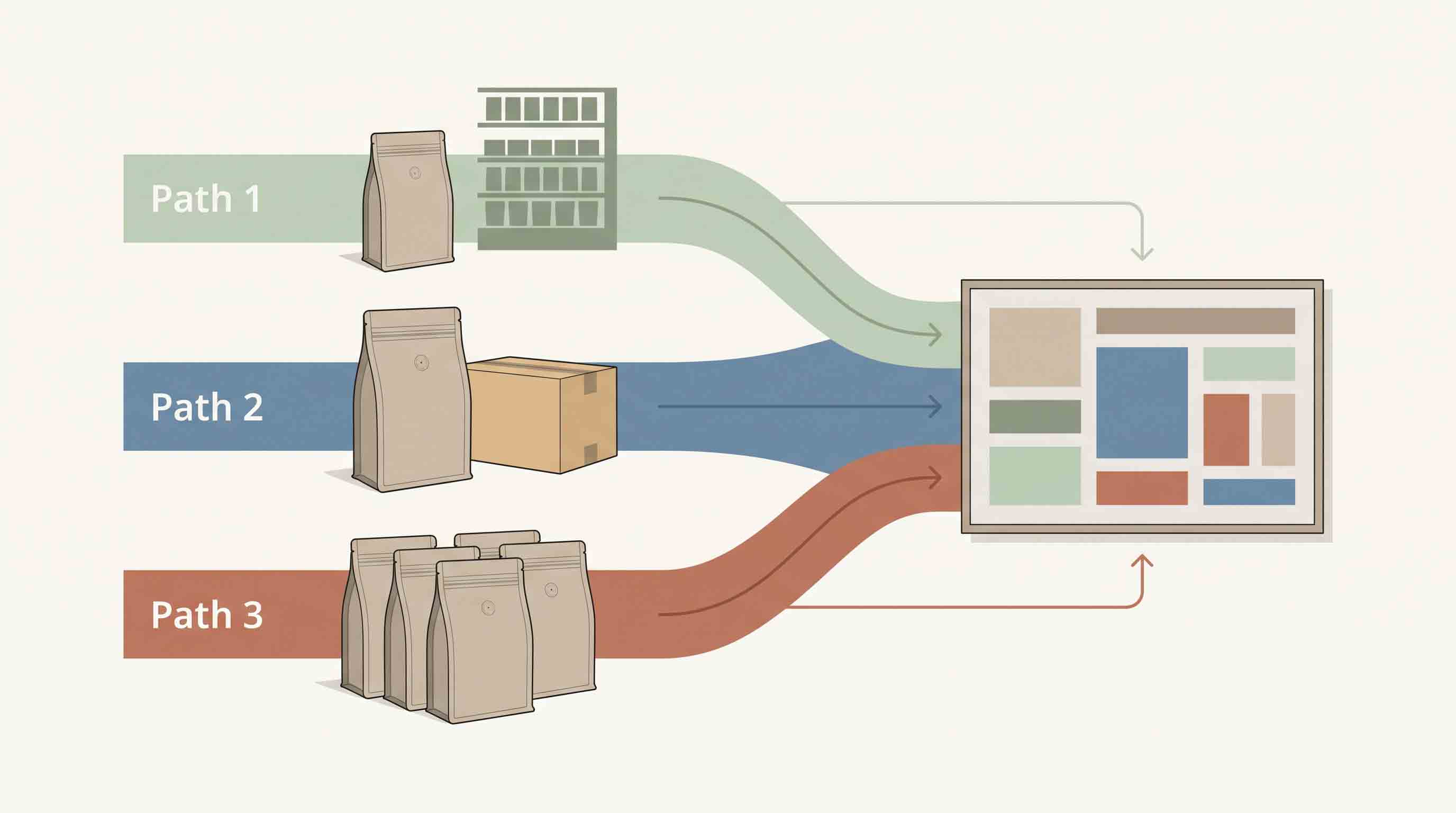
Wholesale buyers sometimes start with a fill size, while retail teams start with a mock-up. Both approaches are incomplete if the product is not checked against the selected pouch format. A target 250g, 12oz, 500g, 1lb, or larger fill is a required project input, not a final pouch dimension.
Coffee form, density, headspace, format, closure position, and intended handling all affect the actual fit. Use a sample or reference pouch when available. Do not treat an existing brand’s bag, a generic size chart, or a product photo as proof of the final dimensions for another coffee.
One published Mylarbag record lists a 500g side-gusset pouch with MATOPP/VMPET/PE, digital printing, and a degassing valve. It can be used as a public configuration reference for a larger-fill side-gusset project. See the published 500g side-gusset coffee-pouch project.
Another published record lists a 250g flat-bottom pouch at 14 × 18.5 + 7.5 cm with MATOPP/VMPET/PE, gravure printing, a valve, and a pocket zipper. See the published 250g flat-bottom coffee-pouch project.
These examples are configuration facts, not a promise that a 500g or 250g project should use the same pouch. For sizing work, use Coffee Bag Size Guide: Choosing Pouches for 250g, 12oz, 1lb, and 2lb Coffee.
Make the Artwork System Match the Commercial Programme
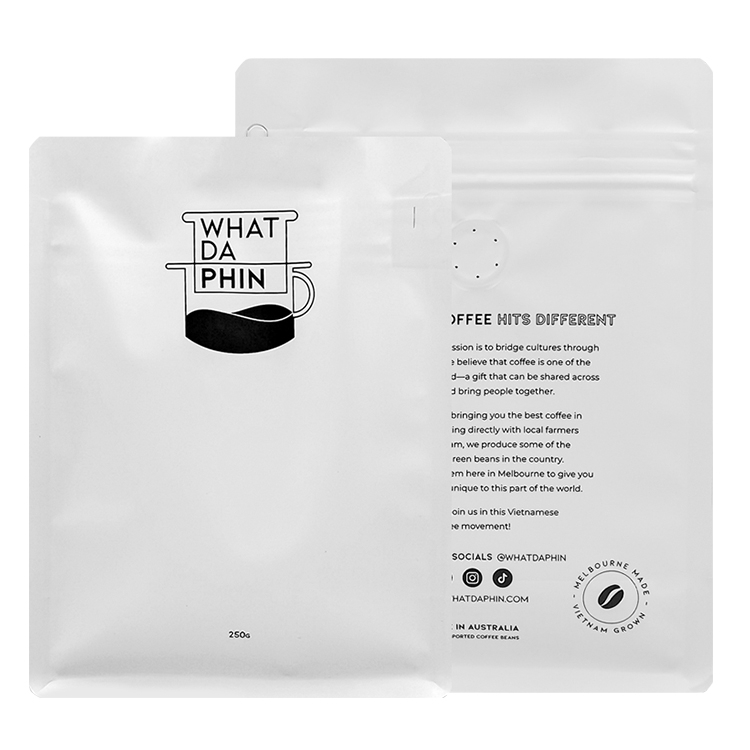
Retail, wholesale, and private-label packaging can share the same physical pouch while needing different artwork control. A brand might keep a stable front-panel hierarchy across several coffees and change only product information or colour. A private-label project may require a separate review chain. A wholesale pack may prioritize different information areas from a small retail pouch.
Write down which panels are meant to carry the brand, product identity, preparation information, code area, and other required content. Record the artwork file version next to the pouch reference. If the project contains several SKUs, mark what changes on each one. This avoids discovering after a sample review that the back panel, gusset, or top feature area was never included in the layout discussion.
For design-to-pouch mapping, see Coffee Packaging Design Guide: How to Prepare Artwork for Custom Bags. It focuses on panel layout and artwork handoff rather than sales-channel strategy.
Consider Closures as a Handling Decision
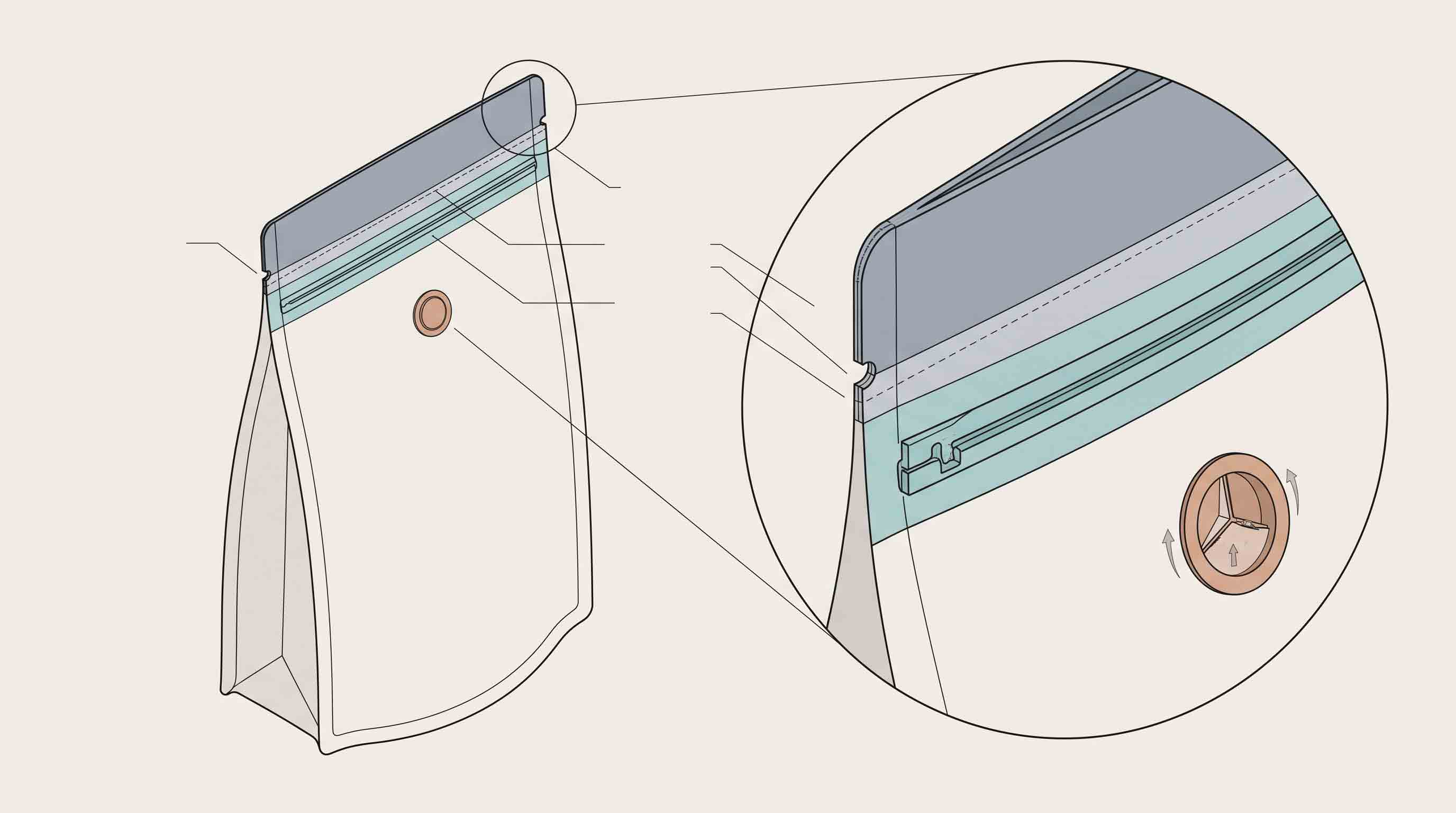
Closure features should be chosen for the intended use pattern, not appended to the project at the last minute. The initial seal, valve, zipper, pocket zipper, tin tie, tear feature, and any fold arrangement are different parts of a pouch configuration. Their exact position can affect the artwork, the filling routine, and how the end user accesses the coffee.
For a retail pack, the customer’s first-open and reclose experience may be a central project question. For a café supply pouch, the same question may be about repeat handling in a working environment. In both cases, do not promise that one closure feature is best for all coffees. Specify the product, pouch format, storage routine, and intended user before evaluating the feature.
Do Not Let Carton and Pallet Questions Rewrite the Pouch Brief
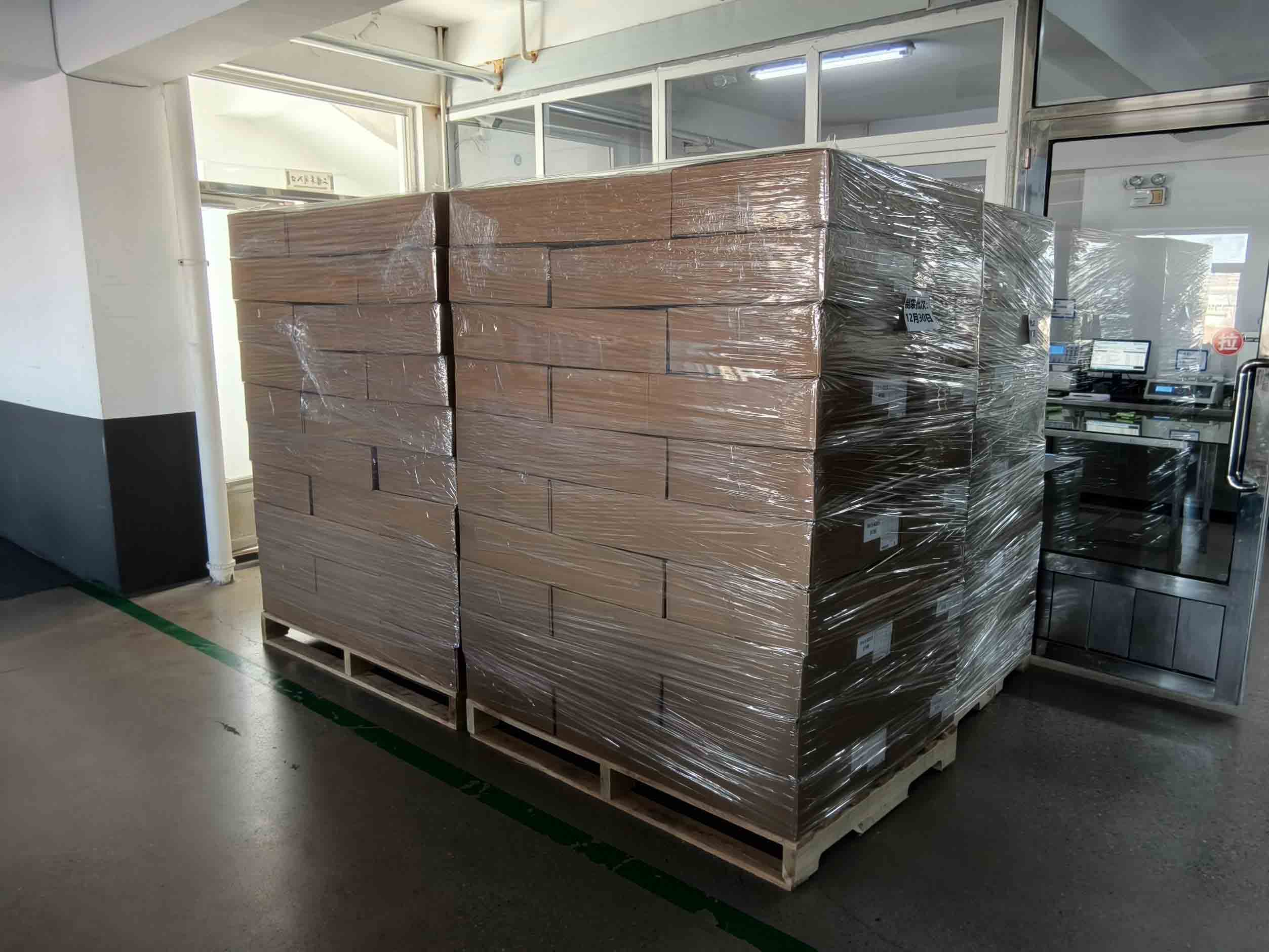
Wholesale coffee packaging is often linked to cartons, pallets, and transport. Those are important decisions, but they are not the same as pouch selection. A buyer can identify a retail pouch or larger wholesale pack first, then develop the carton and pallet plan around the approved package dimensions, packed weights, destination, and handling requirements.
Treat the dependency in the right direction: the carton plan needs an actual pouch and product reference; the pouch brief does not become a shipping guarantee because it mentions a carton. This separation avoids claims about pallet counts, container capacity, freight results, or delivery conditions that have not been calculated for the current project.
Use How to Ship Coffee Bags: Packaging and Pallet Planning Guide when the project reaches the logistics stage.
Recommended Packaging Configuration: Start With a Channel-Aware Pouch Brief
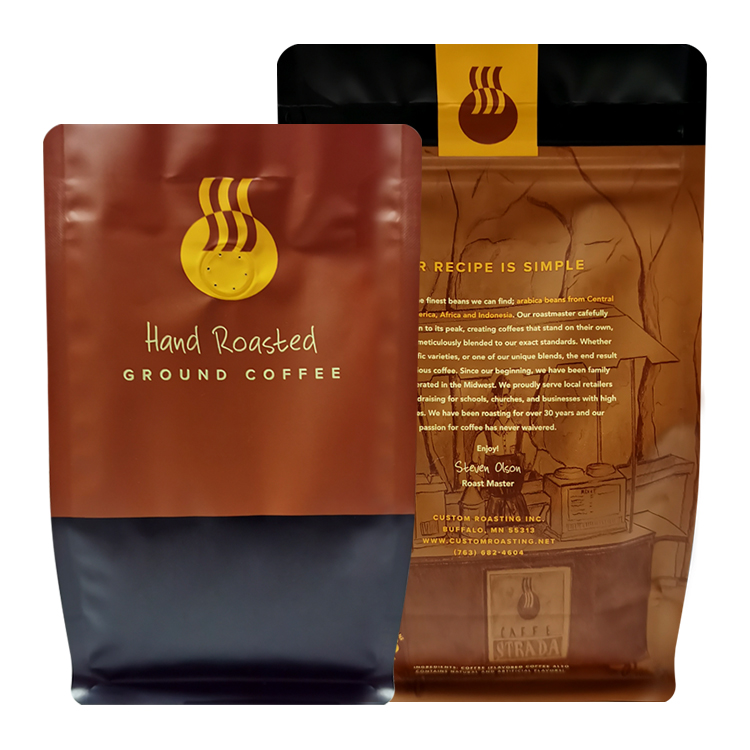
For a retail or wholesale coffee project, the recommended starting configuration is a channel-aware pouch brief for evaluation. Include the product, target fill, sales or handling context, pouch format under discussion, sample or size reference, artwork and SKU list, top closure and valve questions, target market, packing routine, and any later carton or pallet questions.
The brief should not claim that a particular pouch delivers a sales result or is compliant everywhere. Its role is to make the packaging supplier’s questions specific. Start with custom coffee bags, then use Contact to send the project information that needs review.
Frequently Asked Questions
What is wholesale coffee packaging?
It is packaging planned for a commercial coffee programme, such as retail supply, café supply, distribution, subscription, or private label. The correct pouch brief depends on the actual context, product, and handling routine.
Is wholesale coffee packaging different from retail coffee packaging?
It can be. Retail, café supply, and bulk projects may prioritize different fill sizes, panels, artwork systems, closures, and handling questions. They are not automatically different pouch types.
What pouch format is best for wholesale coffee?
There is no universal best format. Evaluate the target coffee, fill, sales context, sample reference, artwork layout, feature positions, and packing process together.
Can I use the same coffee bag for retail and café supply?
Possibly, but it should be evaluated against each use case. The product, target fill, artwork, closure, and handling routine may be different.
Does a larger coffee fill automatically need a side-gusset pouch?
No. A larger fill is only one project input. Compare the actual coffee, pouch format, size reference, features, and handling requirements before deciding.
What should I include in a wholesale coffee packaging enquiry?
Include the product, target fill, project context, pouch format or sample reference, artwork/SKU details, closure or valve questions, target market, and packing or logistics questions that need separate review.
Treat Wholesale as a Project Context, Not a Shortcut Specification
Retail and wholesale coffee packaging become easier to compare when they are described as real projects rather than generic bag categories. Start with the coffee and commercial context, choose a pouch direction to evaluate, keep the artwork and features on the same brief, and separate pouch decisions from later logistics questions.
For a project-specific next step, use custom coffee bags to begin an evaluated pouch discussion.